

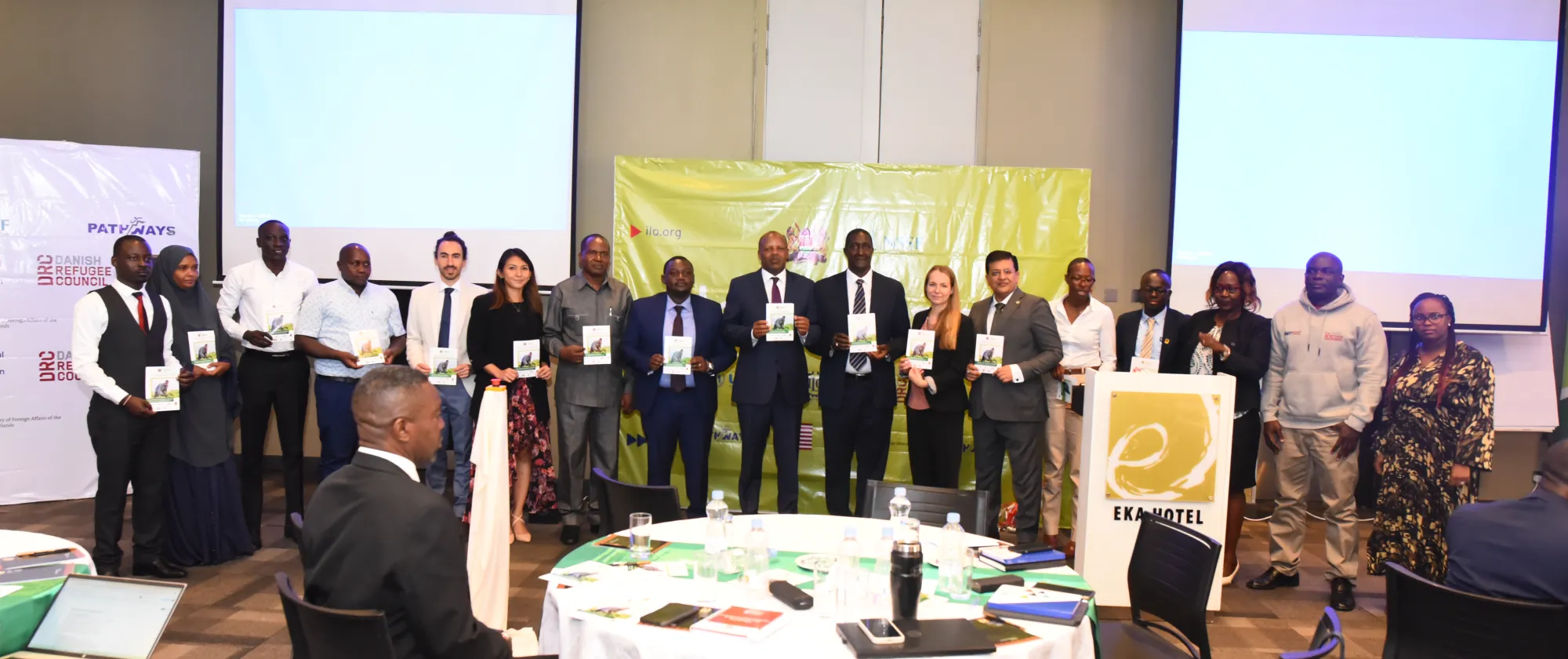
Kenya extends Haba Haba savings scheme to refugees and hosts
Designed for flexible savings for old age, the Haba Haba savings scheme launched by Kenya’s National Social Security Fund (NSSF) addresses key challenges refugees face, promoting economic inclusion, stability, resilience and facilitating access to social protection coverage for refugees and host communities.
31 October 2024

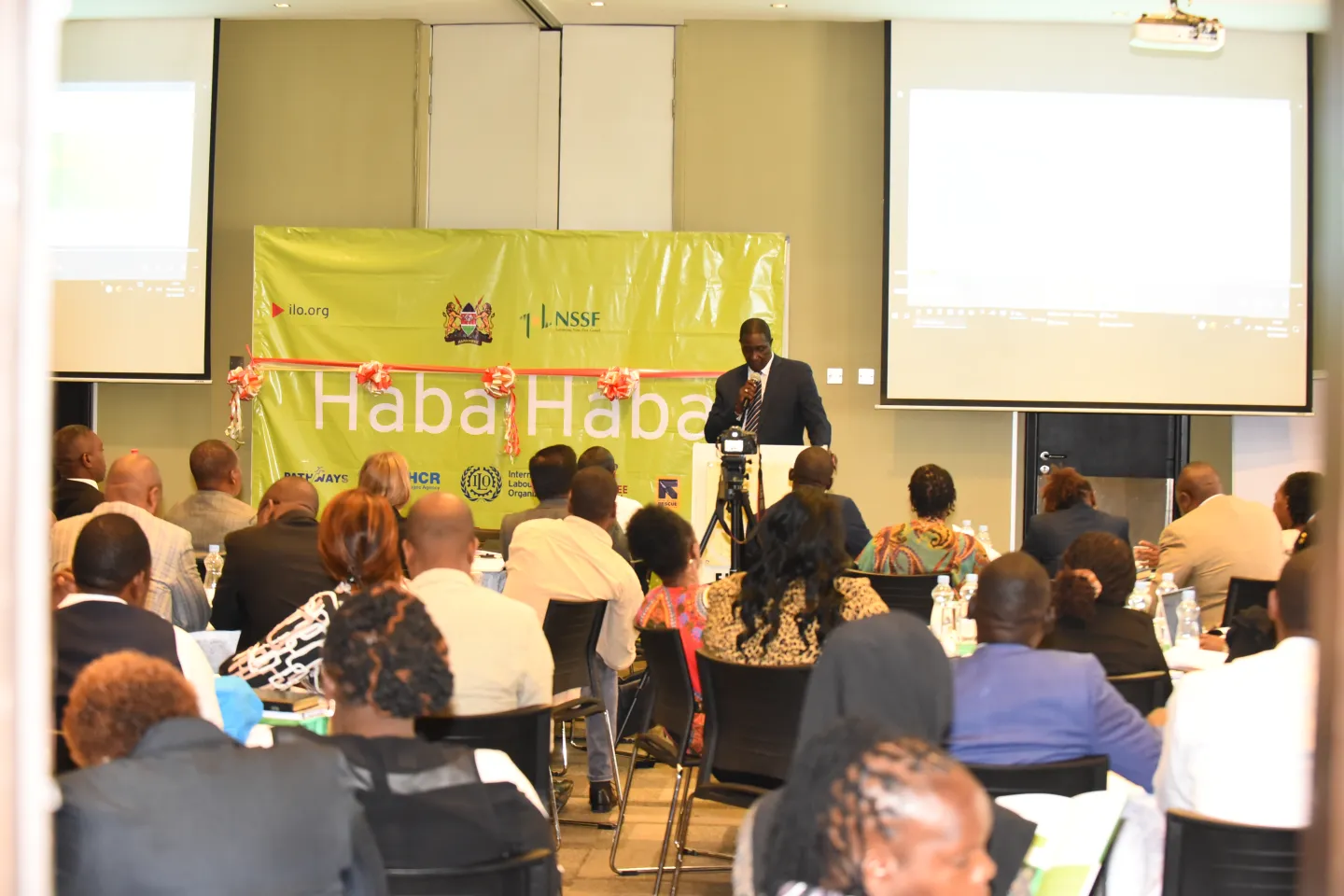
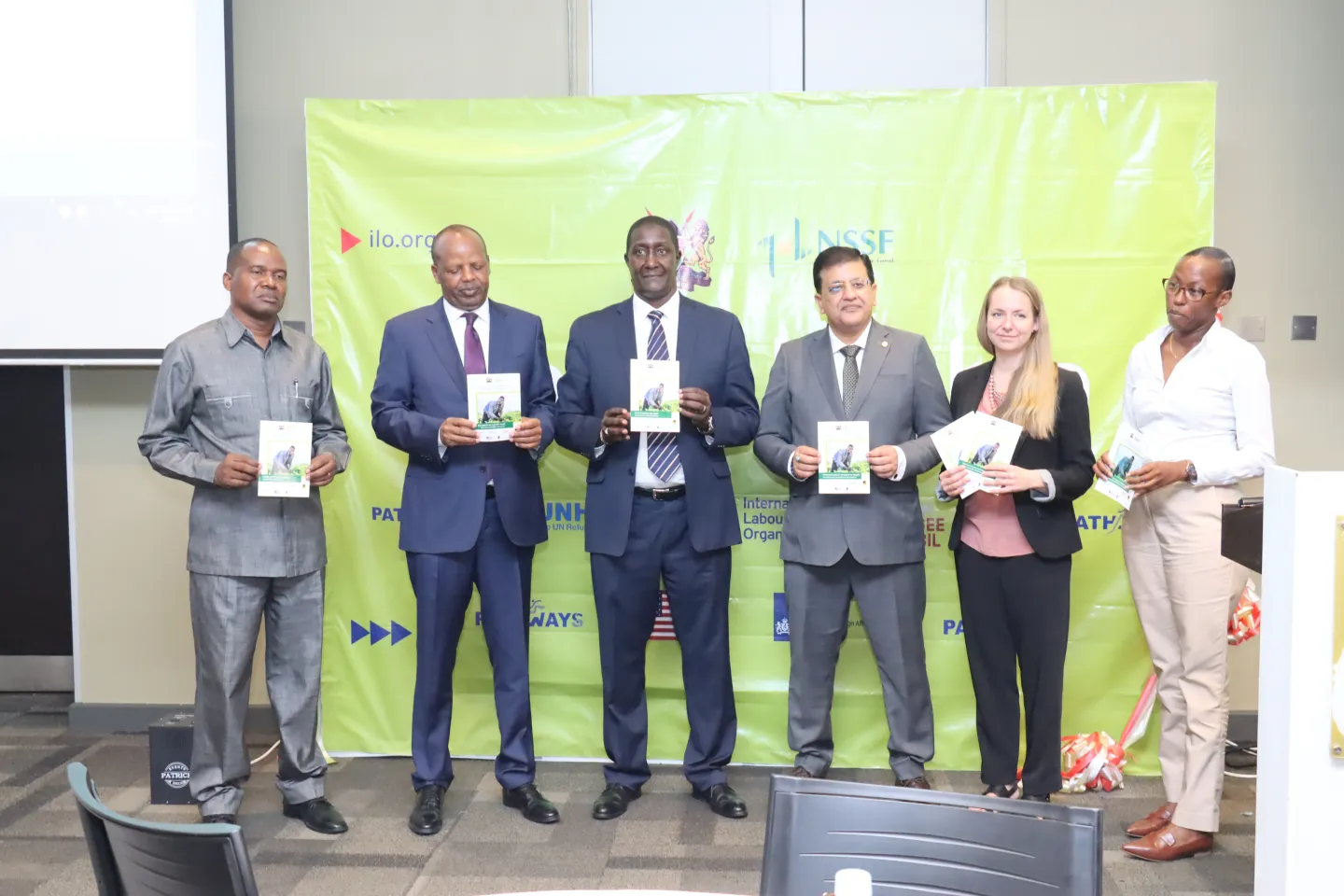
Nairobi, KENYA (ILO News) - The National Social Security Fund (NSSF), re-launched the Haba Haba scheme on 30th October 2024, aimed at including Kenya's large refugee population in the national social protection scheme. With over 774,000 refugees and asylum seekers hosted primarily in camps as of May 2024, this initiative addresses critical challenges refugees face in accessing social protection and formal employment. The initiative has been supported by the International Labour Office (ILO), together with the Department of Refugee Services (DRS), the United Nations High Commissioner for Refugees (UNHCR), Danish Refugee Council (DRC) and the International Rescue Committee (IRC).
The Haba Haba scheme is a savings program established by NSSF in 2019 to support informal economy workers with old-age savings. Now, in collaboration with NSSF, ILO, DRS, UNHCR, DRC and IRC the scheme has been extended to include refugees and asylum seekers, offering them an opportunity for economic inclusion, which could significantly improve their well-being and reduce dependency on humanitarian aid.
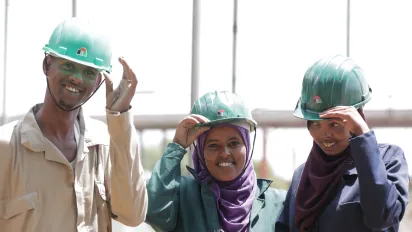
In Kenya, a staggering 86% of refugees live in camps, with the Dadaab and Kakuma camps alone hosting 49% and 37% of the total refugee population, respectively. Life in these camps is marked by hardship and limited employment opportunities. Refugees experience multidimensional poverty at rates 80 percentage points higher than in urban areas and face heightened employment deprivation. While urban refugees have comparatively better prospects—with 45% of women and 64% of men engaged in employment—they still struggle with barriers to accessing formal employment and social protection coverage. This disparity makes is hard for refugeesto access benefits like health insurance, maternity income protection, and pension support, which exacerbates their vulnerability and limits their economic potential.
Recognizing these challenges, the ILO, through its PROSPECTS and PATHWAYS programs funded by the Kingdom of the Netherlands and the USA Department of State, through its Bureau for Population, Refugees, and Migration (PRM), respectively, has worked closely with the Kenyan government to adapt the Haba Haba scheme to the needs of refugees. This adaptation includes several key measures to accommodate the unique needs of refugees:
- Simplified Registration Processes: To address the issue of documentation, the Haba Haba scheme now accepts alternative forms of identification, including refugee ID cards, allowing refugees to register more easily.
- Mobile-Based Platforms: With limited access to traditional banking infrastructure, especially in remote or camp-based settings, refugees can now access and manage the Haba Haba savings plan through mobile phones, ensuring broader accessibility.
- Flexible Contribution Structure: To accommodate irregular income patterns common among refugees and informal workers, the scheme allows participants to contribute as they can without fixed monthly obligations. This makes it more suitable for those with unstable incomes.
- Tailored Financial Literacy Programs: Partnering with development organizations, the ILO and NSSF have initiated financial literacy programs specifically targeted at refugee communities. These programs are designed to help refugees understand the benefits of saving, how the Haba Haba system works, and foster trust and engagement with the scheme.
“The Haba Haba savings plan has been launched to address a significant gap in social security coverage,” said Milicent Awiti, General Manager of Strategy, Research, and Risk at NSSF. “Refugees often lack access to structured savings and pension plans due to their irregular incomes and exclusion from formal employment. This initiative provides them with a flexible, affordable option to save for their future, promoting financial inclusion for vulnerable groups.”
The scheme's adaptation was the result of a feasibility study conducted by the ILO, which identified the main barriers to refugee participation in the Haba Haba scheme, proposing recommendations to overcome those barriers. One of the key issues was the lack of proper documentation, which prevented many refugees from enrolling. In response, the registration requirements were modified, and continuous dialogue between the NSSF and the DRS facilitated effective coordination.
"Effective coordination between the National Social Security Fund (NSSF) and the Department of Refugee Services (DRS) was achieved through a combination of collaborative dialogue, data sharing, and continuous feedback. This approach ensured that the proposal was both inclusive of refugees' needs and in line with the country's legal frameworks," noted Evans Pasua, Community Engagement Officer at DRS.
The impact of the Haba Haba scheme extends beyond refugee financial security. By including refugees in this structured savings program, Kenya is setting the stage for further refugee inclusion in other national social protection programs. Through regular technical meetings and knowledge-sharing sessions, stakeholders have addressed common challenges such as access to banking and recognition of refugee documentation, which could pave the way for future social protection advancements.
In support of the Haba Haba scheme, the DRS has also accelerated the issuance of refugee IDs in partnership with the National Registration Bureau (NRB), helping refugees obtain the necessary documentation for inclusion in the scheme. “The Department of Refugee Services (DRS) has prioritized speeding up the issuance of refugee identification cards by enhancing its collaboration with the National Registration Bureau (NRB). Regular meetings and information-sharing sessions between the two institutions have helped streamline the process, allowing refugees to receive IDs more efficiently,” Pasua added.
“The ILO pledges its continued support to realize the ambition of social protection as a driver for formalization,” said Shana Höehler, Technical Project Specialist at the ILO. “Haba Haba aims to address diverse needs and pathways towards the overarching goal of adequately protecting all workers in Kenya against major life-cycle risks and covariate shocks.”
The launch of the Haba Haba scheme marks a significant step in the shift from a humanitarian approach to a development-focused model in refugee support. "With the move from a humanitarian approach to a development-focused model, it’s essential to empower refugees to become self-reliant and active contributors to the economy," said John Burugu, Commissioner for Refugee Affairs, Department for Refugee Affairs. "Including refugees in socio-economic initiatives, such as social protection and access to finance, is key. The Haba Haba platform represents a crucial step toward this inclusion. The Department of Refugee Services and the Government of Kenya fully support this initiative and will work with all stakeholders and partners to ensure its success."
This collaborative effort by NSSF, DRS, ILO, UNHCR, DRC and IRC to extend social protection to refugees, underscores Kenya's commitment to empowering refugees through economic inclusion. By providing flexible, accessible savings options, the Haba Haba scheme strengthens both refugee resilience and the social fabric of host communities, building a foundation for greater stability and prosperity.
See also

Topic portal
Social protection

Social protection for migrant workers, refugees and their families
Programme
Partnership for improving prospects for forcibly displaced persons and host communities (PROSPECTS)
Social protection
ILO Strategy on extending social protection to migrant workers, refugees and their families
Relevant projects

ILO-Netherlands Partnership
Partnership for improving prospects for forcibly displaced persons and host communities (PROSPECTS) in Kenya
Programme
Partnership for improving prospects for forcibly displaced persons and host communities (PROSPECTS)