

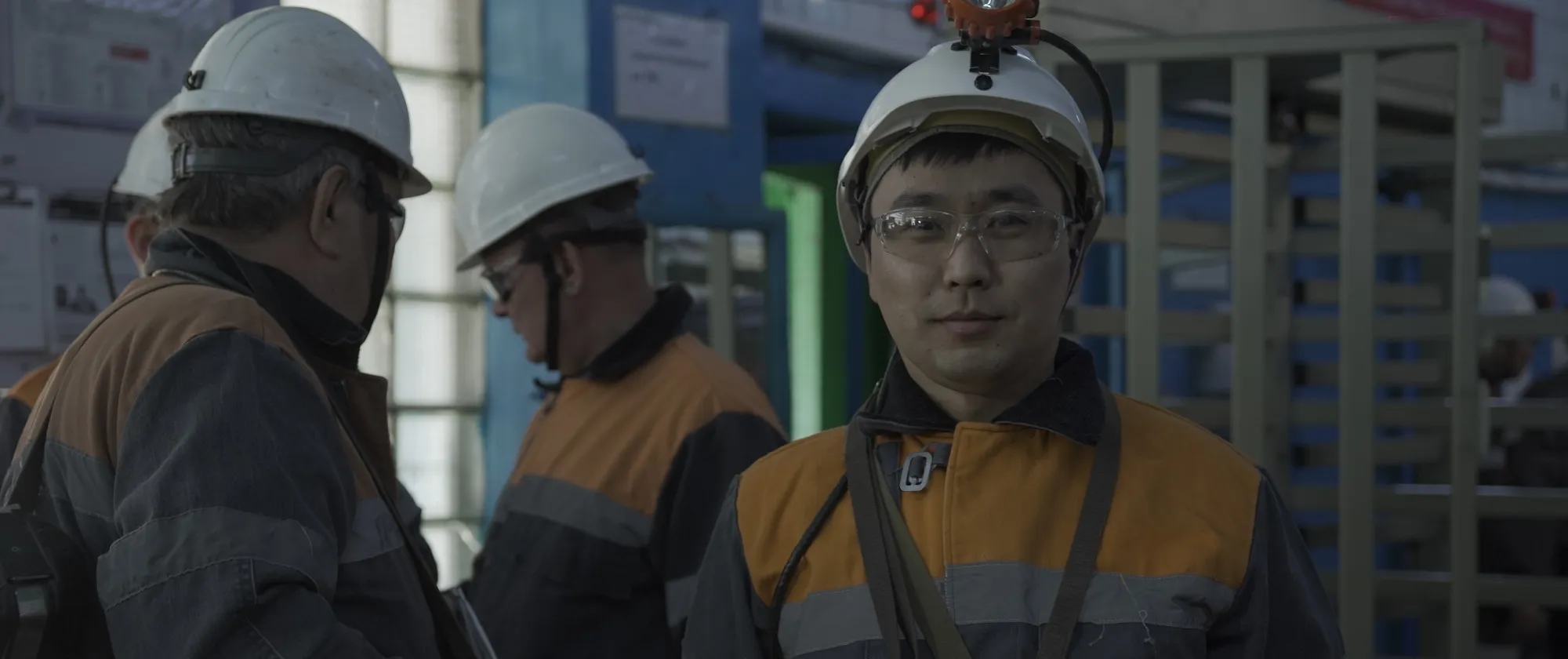
World day for safety and health at work 2026
Kazakhstan discusses new approaches to occupational safety and health
A round table in Karaganda explored new approaches to occupational safety and health, addressing digitalization, psychosocial risks and cooperation between tripartite constituents.
30 April 2026
KARAGANDA, Kazakhstan (ILO News) – Representatives of government, employers and workers met in Karaganda on 30 April 2026 for a round table dedicated to the World Day for Safety and Health at Work, focusing on the transition from compensation-based approaches to risk prevention and modern occupational safety and health (OSH) systems.
The event, organized by the International Labour Organization (ILO) and the Federation of Trade Unions of the Republic of Kazakhstan, brought together more than 50 participants, including national authorities, social partners and members of Parliament.
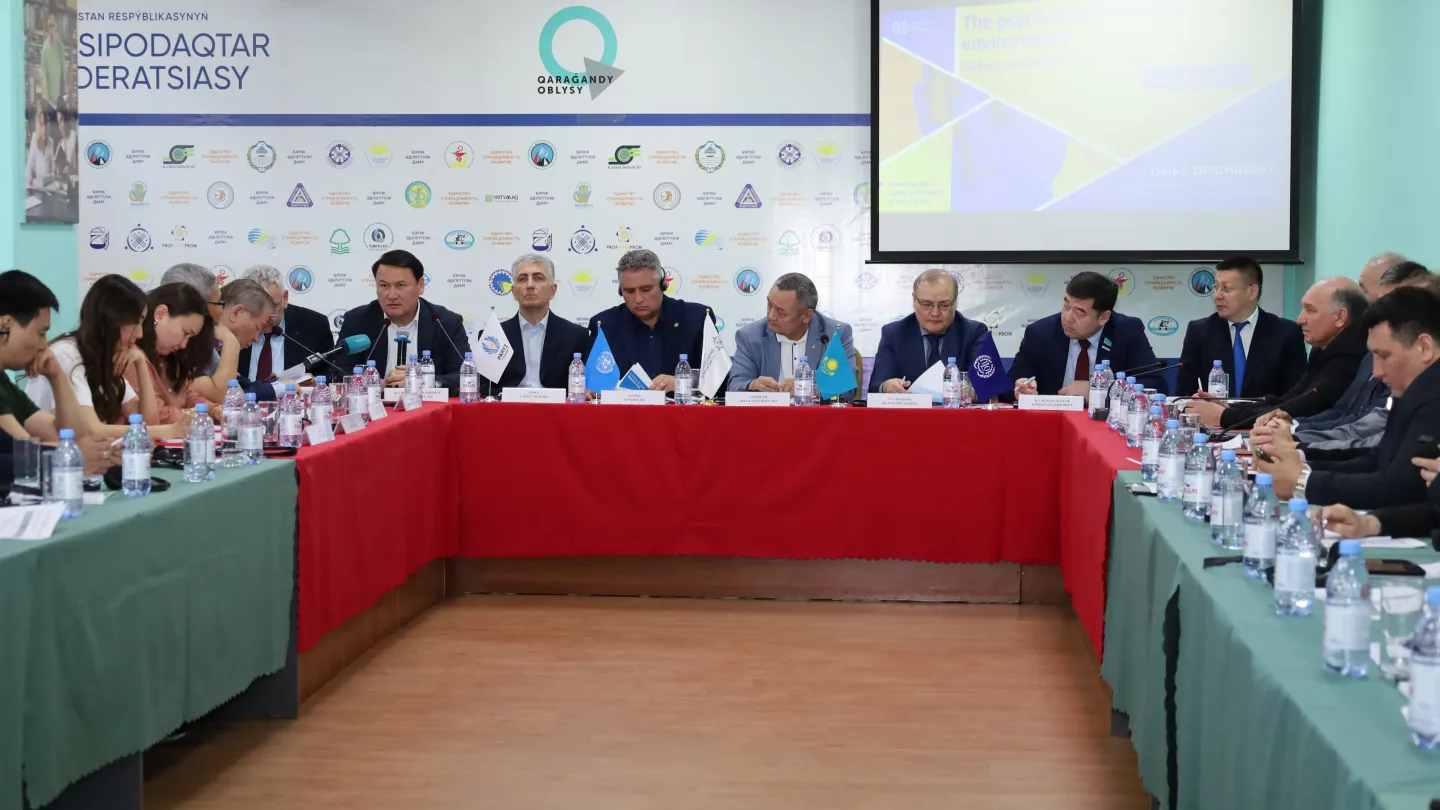
Discussions highlighted the need to strengthen prevention mechanisms, address psychosocial risks and adapt to the growing impact of digitalization on the world of work. Participants emphasized that effective OSH systems require strong social dialogue and coordinated action by all partners.
Workers’ representatives stressed the need to move beyond compensation-based approaches. “No compensation can replace a systemic approach. We should ensure transition to guaranteed preservation of life,” said Mukhtar Tinikeev, First Deputy Chairman of the Federation of Trade Unions of the Republic of Kazakhstan. He stressed the importance of ratifying the ILO Safety and Health in Mines Convention, 1995 (No. 176) for the mining community in Kazakhstan, and reinforcing preventive measures, including through stronger workplace-level mechanisms and investment in training. He also put forward a trade union proposal to reform the social protection system, making it fairer, including by lowering the pension age for workers in heavy industry, particularly miners, whose working conditions remain extremely hazardous and harmful.
Employers also underlined the importance of balancing technological change with a human-centred approach. “People are the key asset for employers. While there is a strong focus on digitalization, it cannot replace human capital,” said Kanybek Zhanbyrbayev, Director General of the National Confederation of Employers “PARYZ”. He added that tripartite cooperation is essential to improving working conditions – particularly in industrial regions such as Karaganda.
ILO experts noted the progress made in strengthening the national OSH and labour inspection framework, while pointing to remaining challenges. “Digitalization and artificial intelligence are reshaping workplaces and professions. Alongside their benefits, they also create less visible psychosocial risks,” said Darko Dochinski, Labour Administration, Labour Inspection and OSH Specialist at the ILO Office for Eastern Europe and Central Asia. “Addressing these risks requires careful attention to how work is organized and managed.”
Gocha Aleksandria, Senior Specialist in Workers’ Activities at the ILO Office for Eastern Europe and Central Asia, emphasized the importance of aligning OSH systems with international labour standards, including the Labour Inspection Convention, 1947 (No. 81). He highlighted the need to strengthen enterprise-level OSH councils and improve risk management systems by integrating emerging psychosocial risks. He also noted the growing cooperation between employers’ and workers’ organizations in Kazakhstan.
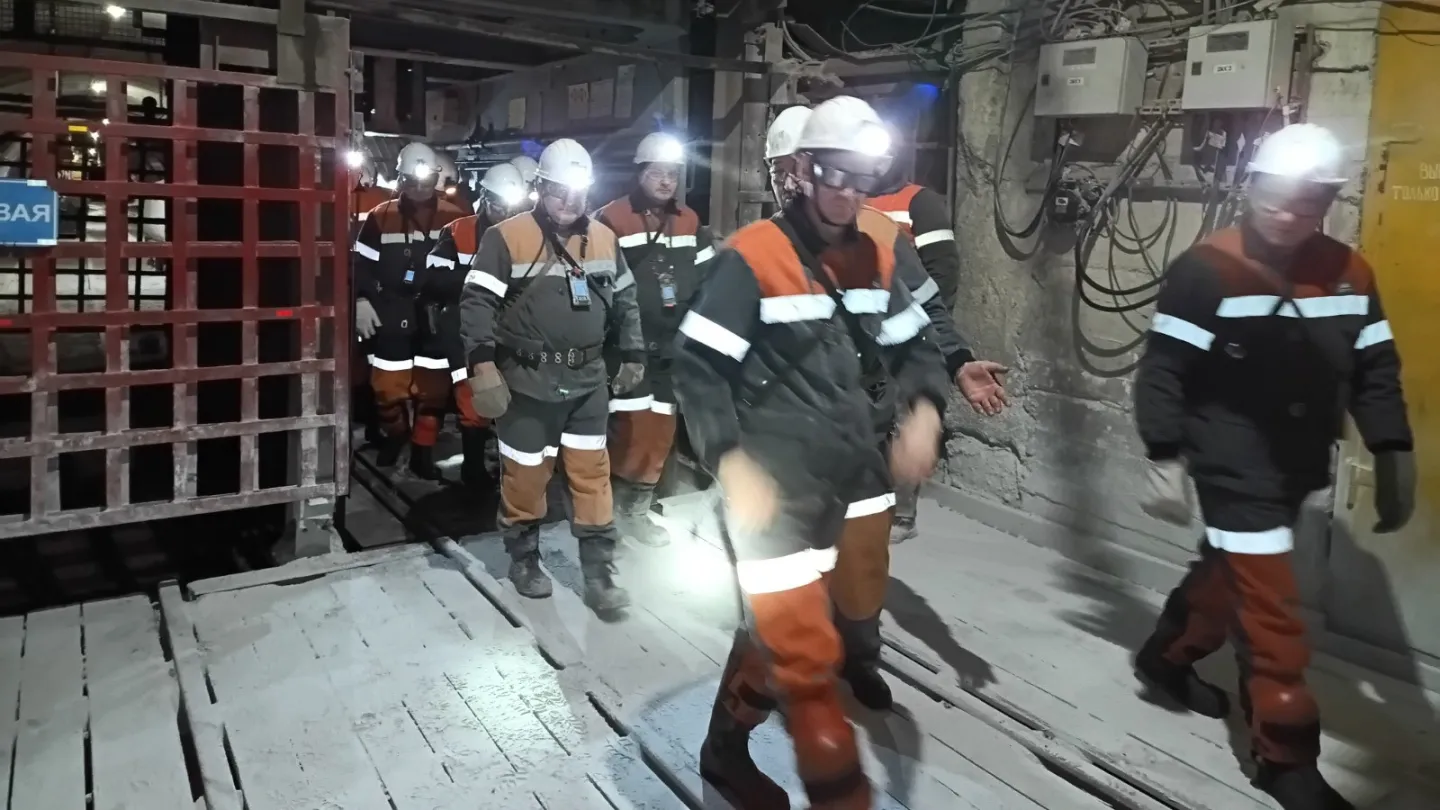
Ahead of the round table, participants visited the “Kazakhstanskaya” mine in the city of Shakhtinsk to observe working conditions and OSH practices in the coal sector. According to government representatives, Kazakhstan continues to address occupational safety and health risks, with more than one million workers employed in hazardous sectors such as mining, metallurgy and chemicals, and work-related diseases – including respiratory and musculoskeletal conditions – remaining a concern. The company indicated that following an accident at the mine in 2023, it introduced additional preventive safety measures, including enhanced real-time monitoring and worker safety systems.
The event concluded with a call to further strengthen the national OSH system through preventive approaches, enhanced social dialogue and the promotion of international labour standards.
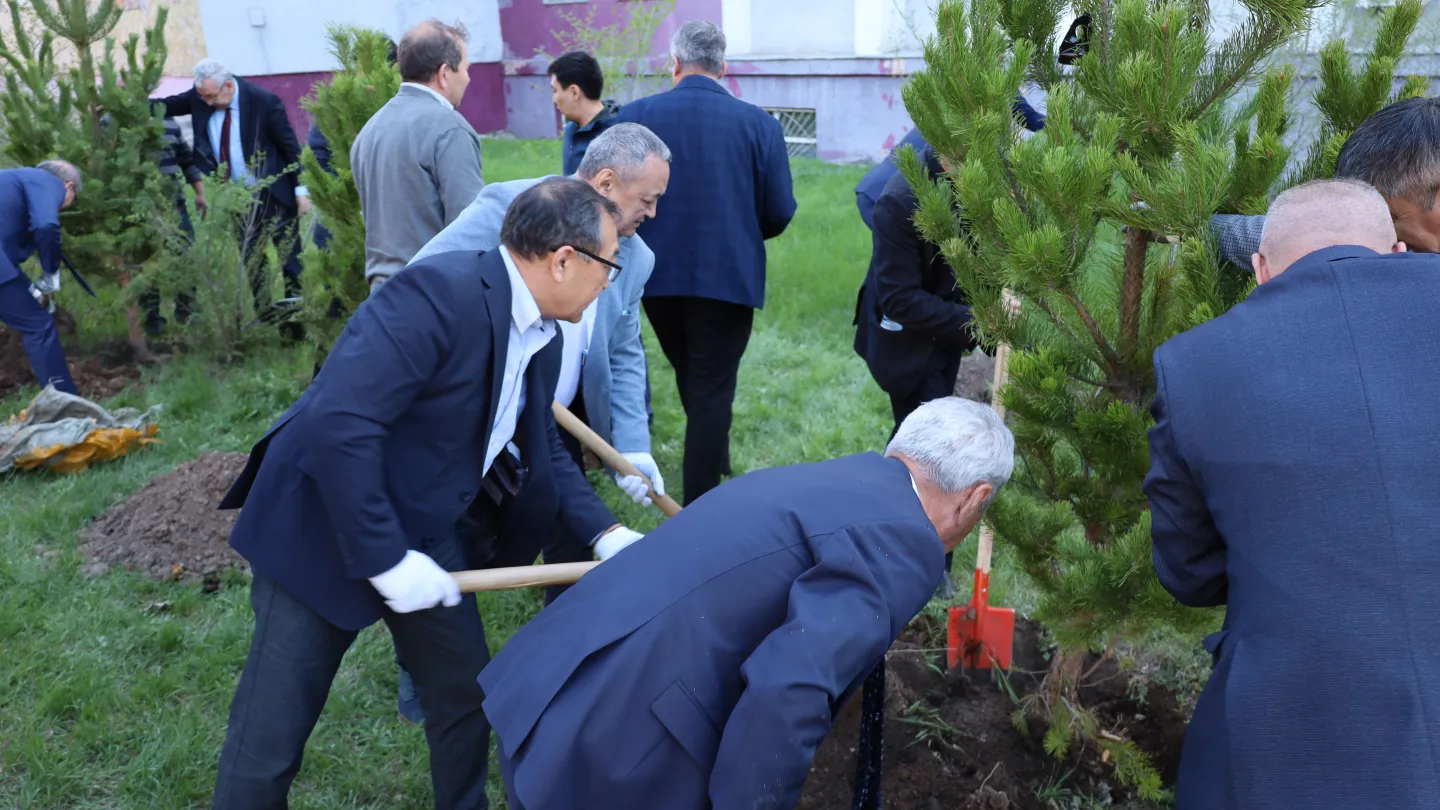
As part of the initiative of the Federation of Trade Unions, participants also planted pine trees near the House of Trade Unions in Karaganda in memory of those who have died or been injured at work, and as a contribution to greening the city.
The event was organized within the ILO RBSA-funded intervention Promoting occupational safety and health through social dialogue in the mining sector in Kazakhstan.
Related content

Country portal
Kazakhstan

Development Cooperation Project
Promoting occupational safety and health through social dialogue in mining sector in Kazakhstan

World day for safety and health at work 2026

Bureau for Workers' Activities (ACTRAV)
Relevant projects
Development Cooperation Project
Promoting occupational safety and health through social dialogue in mining sector in Kazakhstan