

Trafficking in persons
Judges improve their knowledge of criminal justice to address complex cases of modern slavery
Professionals from Lima, Loreto, Madre de Dios and Cusco participated in the course Criminal Justice and Modern Slavery in Peru
15 May 2024
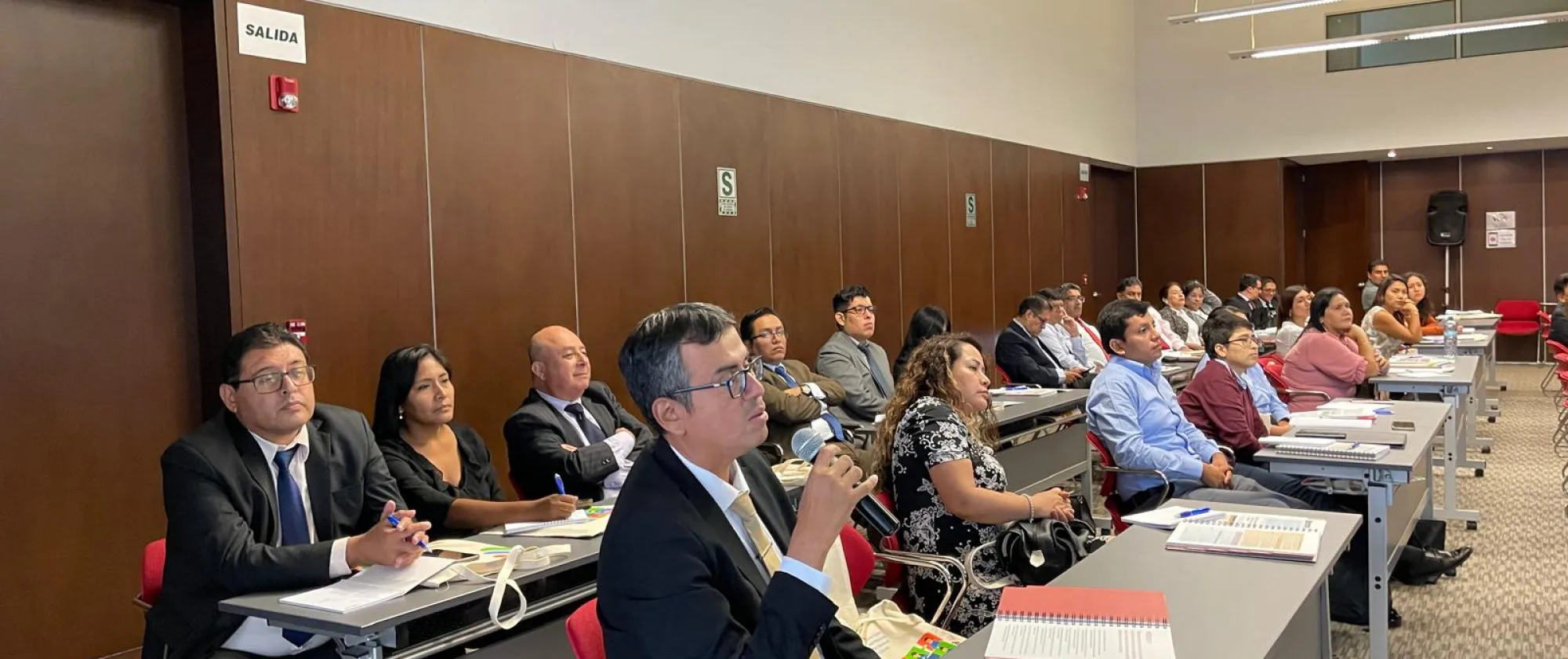
Lima – Judges from different court districts in the regions of Lima, Loreto, Madre de Dios and Cusco, finished the course Criminal Justice and Modern Slavery in Peru.
The course had the academic support and certification from the Pontificia Universidad Católica del Perú (PUCP), which has contributed to improve the skills of these professionals to efficiently intervene in criminal processed related to modern slavery cases.
We have been able to further study with judges and prosecutors the identification of situations of trafficking, sexual exploitation, forced labor and other related crimes, as well as the solutions to complex cases, the correct weighing of evidence and the handling of digital evidence in this context”, said Julio Rodriguez, ILO expert in criminal prosecution and trafficking in persons.
The course, developed following a blended learning methodology, included face-to-face sessions in some of the regions with the highest incidence of trafficking in persons.
Liliana del Carmen Placencia Rubiños, current Provisional Supreme Judge of the Transitory Criminal Chamber of the Supreme Court, stated that the course gave her the necessary contents, methodology, perspectives and approaches to address trafficking cases in a more efficient way.
The results of the final test showed the impact and relevance of this training in the improvement of the Peruvian Judicial System to combat modern slavery.