

From Invisible Workers to Influential Voices: Ghana’s Shea Transformation Story
Ghana’s shea workers are turning organization into influence, using social dialogue and collective bargaining to advance decent work while inspiring workers across Africa.
11 September 2026
For many workers across Ghana’s shea sector, earning a living has long meant working in an informal, seasonal, and geographically dispersed industry, with limited organized representation and few opportunities to collectively influence their working conditions.
Just two years ago, thousands of workers in Ghana's shea sector had little representation and few opportunities to influence the conditions under which they worked. Today, they have built representative organizations, established social dialogue, and negotiated a landmark Collective Bargaining Agreement (CBA)—creating new possibilities for decent work in a sector predominantly driven by women workers.
The journey began in November 2024 with the establishment of the Ghana Shea Workers Union (GSWU) and Ghana Shea Employers Association (GSEA). For the first time, workers and employers had dedicated structures through which they could organize, represent their interests, and address shared challenges.
Supported by the ILO’s Productivity Ecosystems for Decent Work (PE4DW) project), the organizations mobilized members, strengthened their capacities, and engaged stakeholders across the shea value chain.
Workers and employers increasingly recognized that better working conditions and successful enterprises need not be competing ambitions. Productivity, decent work, sustainability, and competitiveness could be pursued together. That growing trust produced a breakthrough. The parties secured a collective bargaining certificate within one month and, by March 2026, signed a landmark CBA.
Beyond the agreement itself, the achievement has delivered something even more valuable: a voice. For workers, the agreement creates a framework for addressing issues that directly affect their working lives—including wages, occupational safety and health, social protection, grievance procedures, and skills development. For enterprises, it also provides a platform for cooperation on productivity and sustainability. The agreement is especially significant because it demonstrates that informality does not have to mean invisibility or exclusion from representation and social dialogue.
The next challenge is making the agreement work in practice. Worker and employer representatives are now engaging enterprises so that commitments negotiated at the table can translate into tangible improvements for workers and stronger, more sustainable businesses.
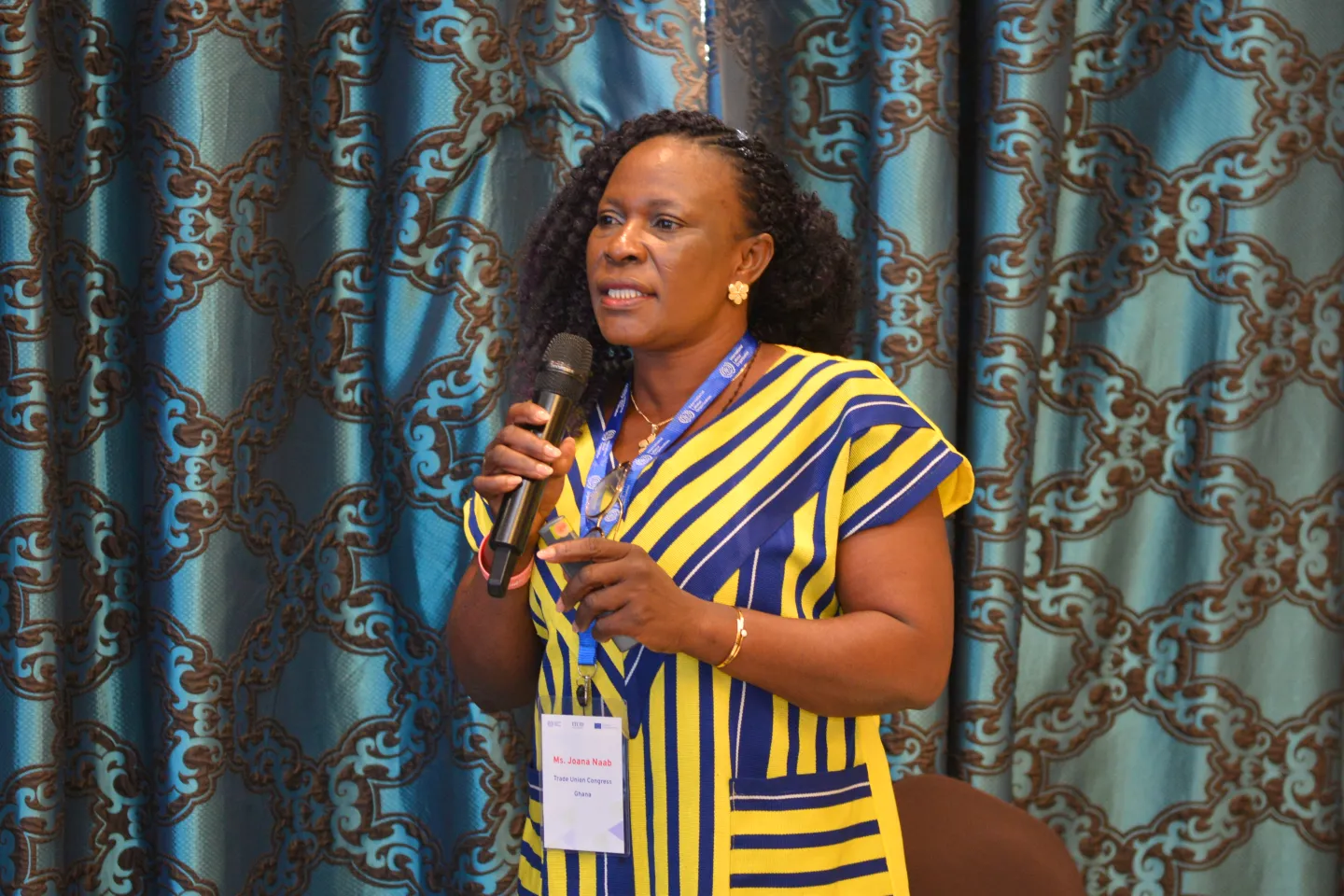
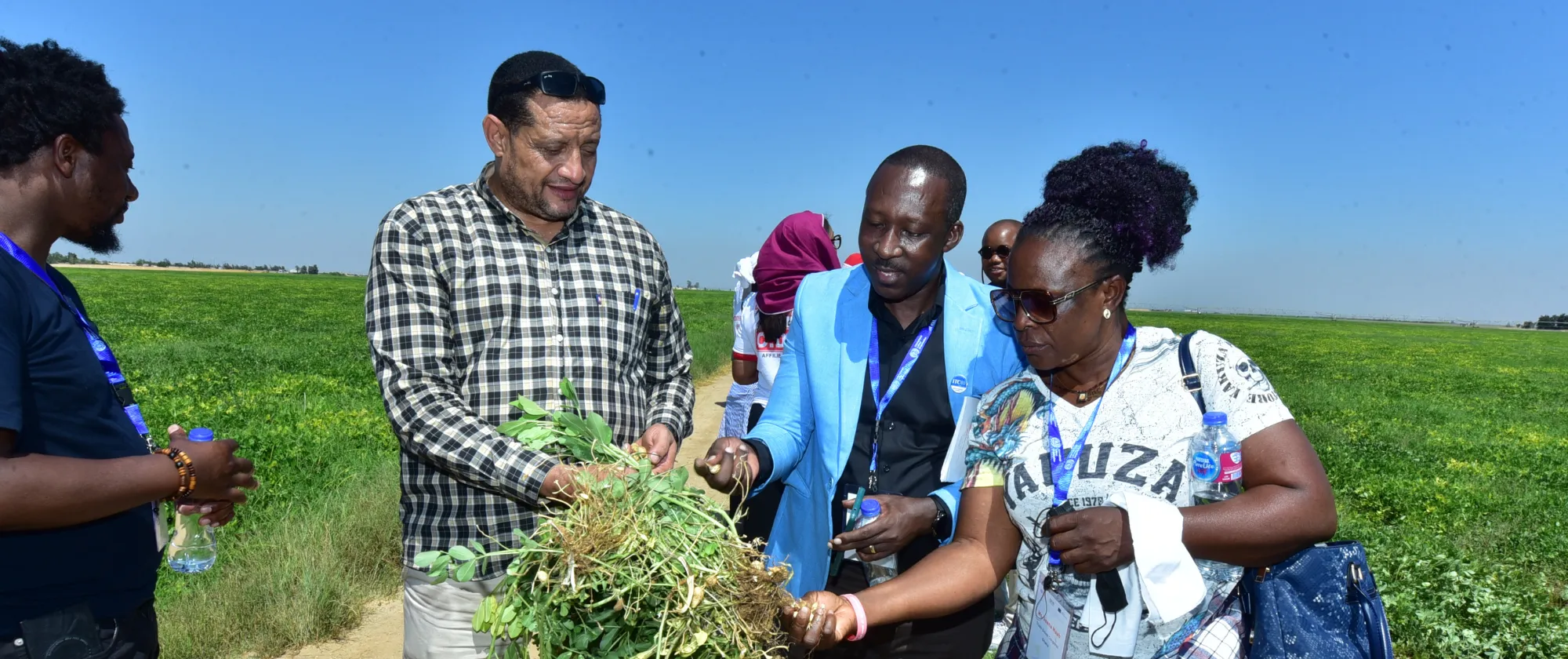
From 31 August to 4 September 2026, GSWU President Joanah Naab and GAWU’s Wumbei Abdulai shared the experience with 40 trade union representatives and researchers from 20 African countries during an ILO ACTRAV and ITCILO regional training programme in Cairo. Their message carried significance beyond Ghana: workers in informal rural economies can organize, build representative institutions, and negotiate collectively.
What began as an effort to give Ghana’s shea workers a stronger voice is therefore becoming something larger—a practical example for workers’ organizations confronting informality elsewhere in Africa. For Ghana’s shea workers, the journey has not ended. But an important shift has occurred: workers who once had limited collective influence now have an organized voice, a negotiated framework, and a growing platform from which to shape their working future.