

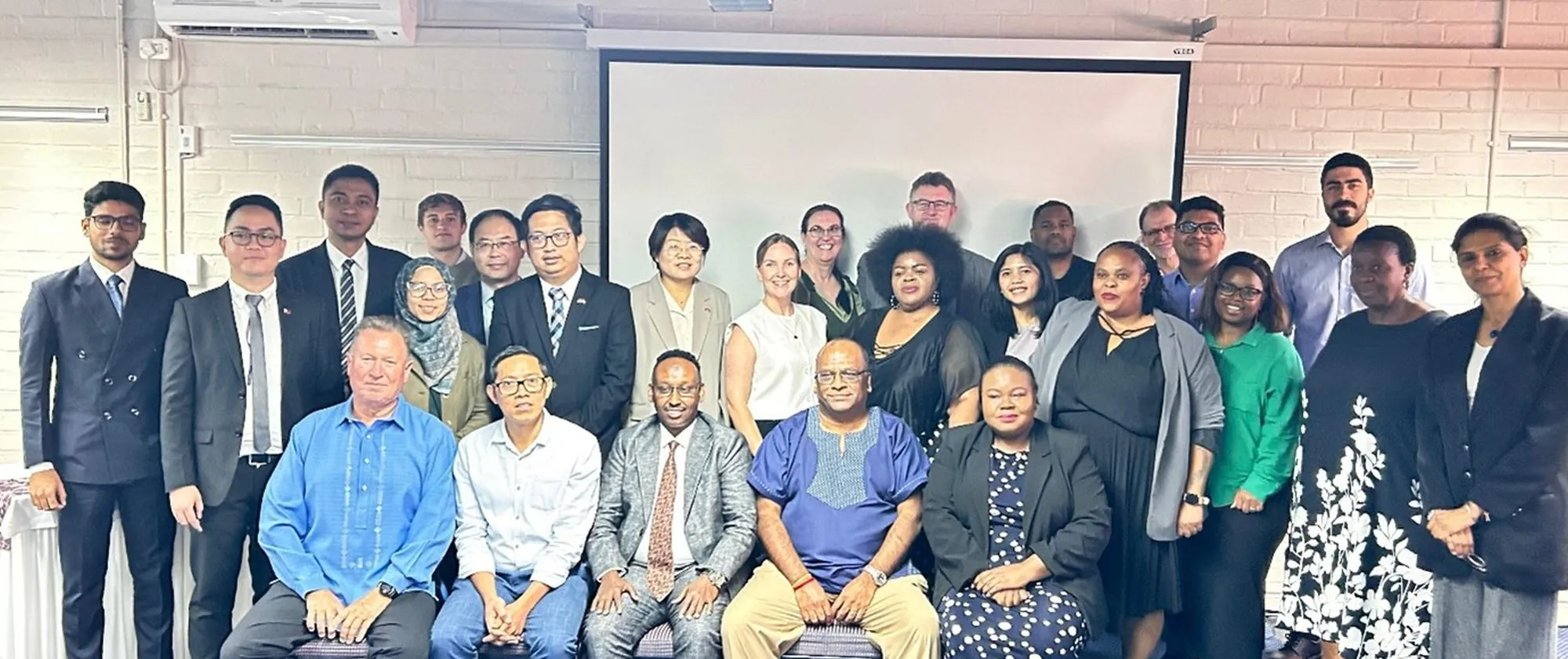
Information session on labour conditions on fishing vessels and the role of embassies and consulates
24 March 2025
Cape Town, South Africa – The global fishing sector is a growing industry, yet it remains plagued by significant decent work deficits. Fishers often endure harsh conditions, including excessive working hours, withheld wages, prolonged periods at sea, inadequate occupational safety, and substandard living conditions. These challenges are exacerbated by structural issues such as weak labour inspections and complex transnational jurisdictions.
Embassy and consular officials play a crucial role in identifying and addressing these labour rights violations, ensuring affected fishers receive the support they need. The Port of Cape Town, which receives approximately 200 foreign fishing vessels annually, frequently exposes inhumane working and living conditions during inspections conducted under ILO Convention C188, the Work in Fishing Convention.
To address these pressing concerns, South Africa’s Department of Employment and Labour, in collaboration with the ILO’s NORAD-funded fishing component of the 8.7 Accelerator Lab project, hosted an information session for consular and embassy staff. The session aimed to equip diplomatic representatives with the knowledge and tools to combat forced labour aboard foreign fishing vessels and to align embassy responses to these challenges, fostering global cooperation in one of the most legally complex industries.
The session provided a comprehensive overview of fishers' labour challenges, outlined relevant legal frameworks, and offered practical guidance for supporting those working under exploitative conditions. Officials from various diplomatic missions, including Indonesia, the Philippines, China, India, the United States, Spain, Somalia, and Namibia, participated in this critical discussion.
The platform enhanced their understanding of labour conditions in the fishing industry and strengthened collaborative efforts to protect fishers' rights.