

IMRF stakeholders strengthen commitments to wage and social protection for migrant workers
A high-level dialogue at the International Migration Review Forum 2026 explored practical ways to include migrant workers in wage and social protection systems across the migration corridor between Africa, Asia and the Gulf, with the support of the ILO’s FAIRWAY and STREAM programmes.
4 May 2026
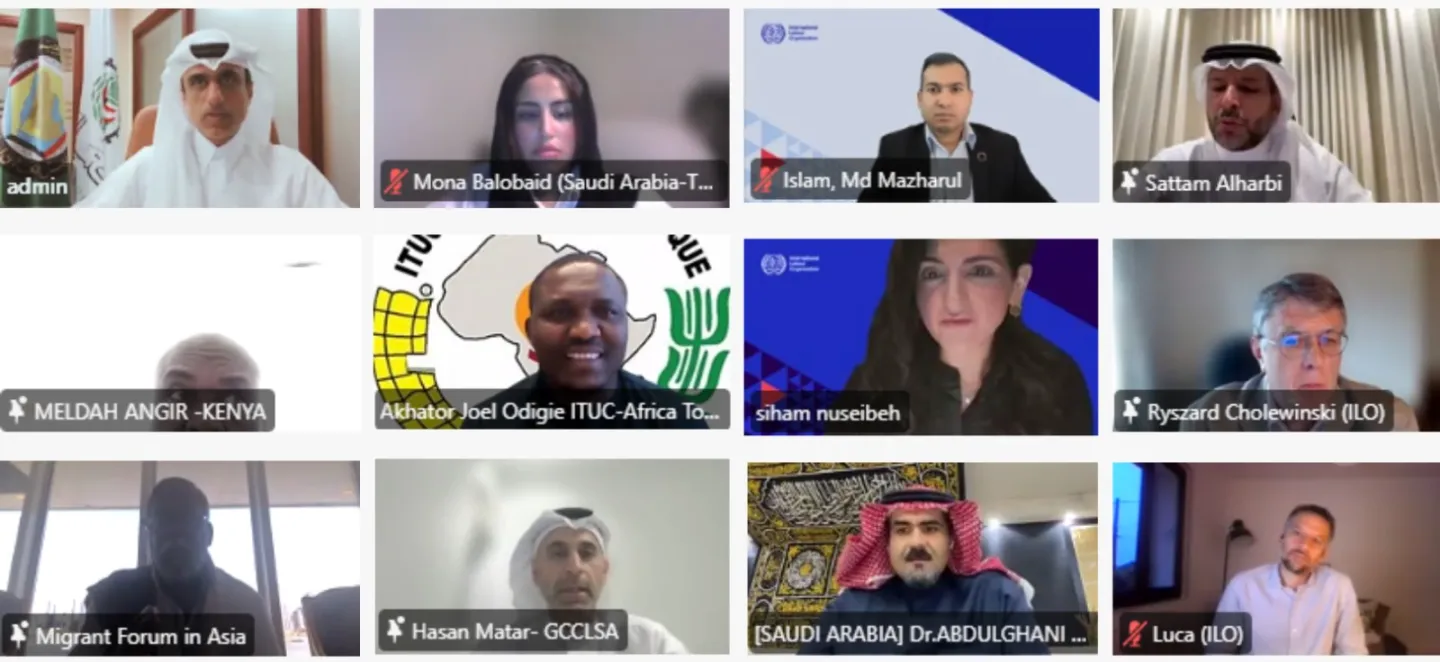
NEW YORK (ILO News) – A high-level side event at the International Migration Review Forum (IMRF) strengthened dialogue between countries of destination, origin and social partners on the inclusion of migrant workers in wage protection systems and social protection reforms across the labour migration corridor between Africa, Asia and Gulf Cooperation Council (GCC) countries. Jointly organized by the Ministry of Human Resources and Social Development of the Kingdom of Saudi Arabia, the GCC Executive Bureau, and the International Labour Organization, the event on “Advancing wage and social protection for migrant workers: Lessons and innovations from Africa and Asia to the GCC labour migration corridor” (4 May) brought together representatives of governments, workers’ and employers’ organizations, and civil society from all three regions.
Opening the discussions, H.E. Mr Sattam bin Amer Al Harbi, Deputy Minister for Control and Development of Work Environment of Saudi Arabia’s Ministry of Human Resources and Social Development, emphasized the importance of strengthening wage and social protection, noting that both are "crucial in migration governance and for clarity in the contractual relationship” and that they “constitute two pillars of stable labour markets.” He also pointed to a number of objectives of the Global Compact for Safe, Orderly and Regular Migration (GCM) that support enhancing wage and social protection for migrant workers, particularly objectives 6 (on facilitating fair and ethical recruitment and safeguarding conditions that ensure decent work), 14 (on enhancing consular protection, assistance and cooperation throughout the migration cycle), 15 (on ensuring access to basic services for migrants), 22 (on establishing mechanisms for the portability of social security entitlements and earned benefits) and 23 (on strengthening international cooperation and global partnerships for safe, orderly and regular migration).
H.E. Mr Mohammed Al Obaidly, Director General of the GCC Executive Bureau, underscored the value of regional dialogue and knowledge exchange in supporting ongoing reforms across the Gulf. “Across the GCC, wage protection systems have become a cornerstone of labour market governance, contributing to greater transparency and accountability. At the same time, we recognize the importance of continuous improvement, including strengthening social protection systems and enhancing coordination with countries of origin to address emerging challenges and opportunities,” he noted.
Intersections between labour migration and social protection
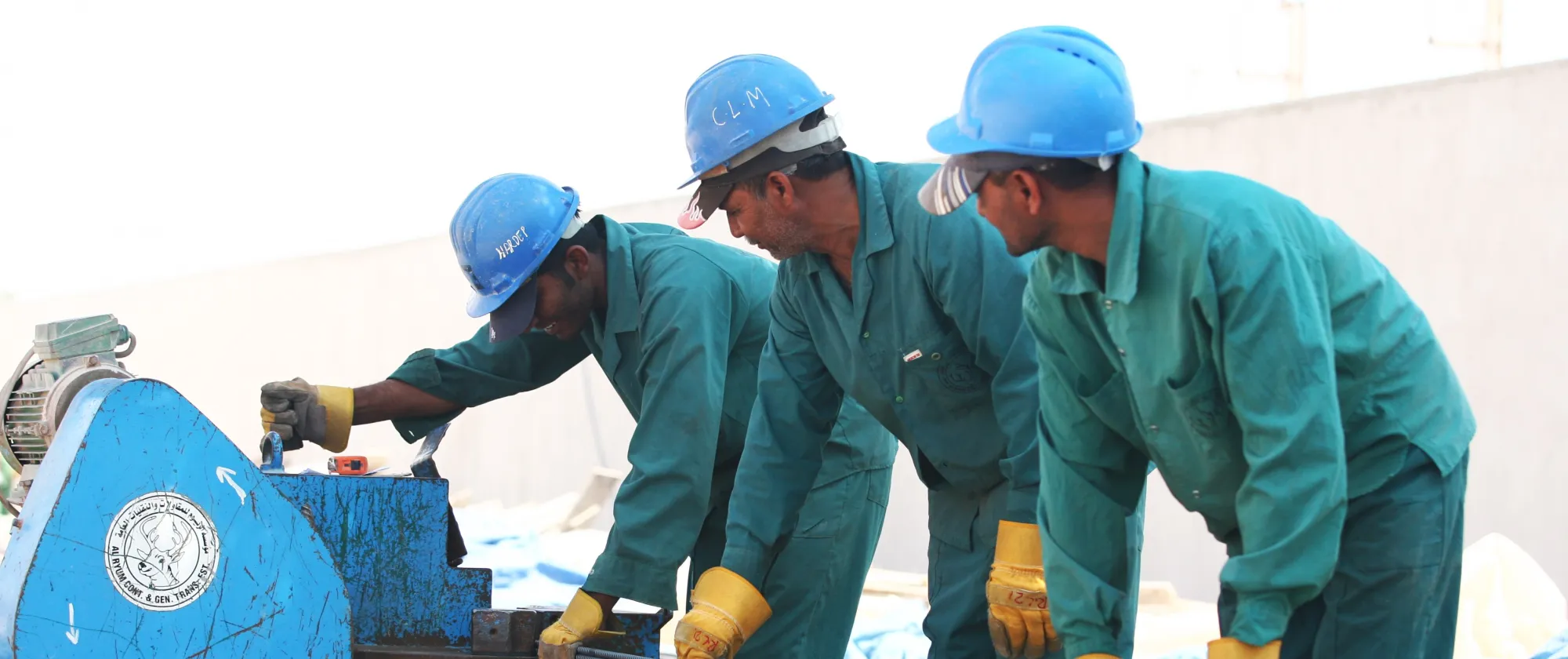
Labour migration is critical for both countries of origin and destination. Migrant workers are the backbone of economies in GCC countries, while contributing significantly to sustainable development and poverty reduction in their home countries across Asia and Africa. At the same time, migrant workers still face specific vulnerabilities that require continued attention and cooperation. Challenges remain in ensuring timely and full payment of wages and employment-related entitlements, including overtime and end-of-service benefits. In parallel, access to social protection remains uneven worldwide, with 3.8 billion people lacking any form of coverage, including many migrant workers and their families. Despite their contributions to economic growth and sustainable development, migrant workers face significant barriers to accessing wage and social protection, including legal and practical restrictions, informality and gender-related vulnerabilities.
Important reforms are underway to address these gaps. Wage protection systems, an innovation developed in GCC countries, have become a cornerstone of improved labour governance in the sub-region. Over the last 15 years, as observed in the joint ILO-GCC Executive Bureau report on Wage protection systems in the GCC countries: A regional analysis, the introduction and refinement of these systems marks an important step towards ensuring the timely and adequate payment of wages, including for migrant workers. Similarly, social protection reforms in GCC and origin countries are expanding coverage to increasingly include migrant workers – vital developments to ensure decent work for all. The ILO’s “Strategy on extending social protection to migrant workers, refugees and their families” emphasizes that both origin and destination countries have a vital role to play in reforming laws, enabling access, negotiating bilateral agreements, and expanding protections to ensure that migrants can live and work with dignity, with their rights upheld as they contribute to thriving labour markets.
The International Migration Review Forum (IMRF) is a critical global platform for United Nations Member States and key stakeholders to assess progress on the implementation of the GCM and advance cooperative, rights-based migration governance in line with its ten guiding principles. The objectives of the GCM are central to addressing persistent challenges related to wage and social protection for the millions of migrant workers moving between Africa, Asia and the Gulf.
Key takeaways from the event
The IMRF side event engaged key stakeholders from origin and destination countries in productive policy dialogue on ongoing wage and social protection developments across the Africa and Asia to GCC labour migration corridor – all with a view to ensuring that labour migration processes are fair, grounded in decent work principles, and have social protection at their core. This multi-stakeholder engagement reflected the GCM’s guiding principles of a whole-of-government and whole-of-society approach. The event deepened participants’ shared understanding of recent reforms, their relevance for countries of destination and origin, and the need to accelerate progress towards decent work – by enhancing wage protection, strengthening access to social protection, promoting the portability of benefits, expanding consular support and deepening multilateral cooperation. By bringing together representatives of governments, social partners and civil society, the event contributed to advancing GCM objectives, including objectives 6, 22 and 23.
Mr Ryszard Cholewinski, Senior Labour Migration Specialist at the ILO Regional Office for the Arab States, highlighted the ILO’s commitment to supporting wage and social protection across Africa, Asia and the Gulf migration corridor. “ILO standards provide a clear reference point for ensuring timely and regular wage payment, transparency on wages, and swift settlement upon termination,” he said. “They also call for comprehensive lifecycle social protection for migrant workers, equality of treatment between nationals and non-nationals, and the portability and exportability of benefits when workers return home.” He highlighted the work of the ILO’s FAIRWAY and STREAM programmes, which support evidence-based policymaking and corridor-based cooperation to protect migrant workers.
“The vision of the Kingdom is to continue moving from wage and social protection as a legal provision to protection as an accessible life experience. An experience where the rights of foreign workers are clear before their arrival, documented during their employment, digitalized and traceable, enforced in cases of dispute, and capable for settlement at the end of the contractual relationship or upon their return,” said Ms Mona Balobaid, Director of Combatting Trafficking in Persons at the Ministry of Human Resources and Social Development of Saudi Arabia. Hassan Mattar, Social Development Specialist at the GCC Executive Bureau, highlighted that “Regional cooperation has been instrumental in advancing wage and social protection systems in the GCC. By strengthening data-sharing, joint analysis, and collaboration with partners such as the ILO, we are better positioned to address gaps, protect vulnerable workers, and support ongoing reforms across the region.”
From the perspective of countries of origin, Mr Joel N. Mwanzia, Secretary of Labour Migration of Kenya, noted that “strengthening labour migration governance requires sustained engagement with destination countries, including through bilateral agreements, standard contracts, and enhanced consular services. These mechanisms are critical to ensuring that migrant workers are protected throughout the migration cycle.”
“Reforms across the GCC are encouraging, but their effectiveness will depend on genuine implementation,” said Mr Joel Odigie, Secretary General of the International Trade Union Confederation (ITUC) Africa. “Strengthening workers’ voice, embedding protections in bilateral labour agreements, and enhancing union-to-union cross-border cooperation are critical to ensuring that migrant workers can effectively access their rights.”
Shedding light on the perspectives of employers’ organizations, Dr Abdulghani Alsayegh, Chairman of the Saudi Labour Market Committee at the Federation of Saudi Chambers, stated that “Employers are key partners in advancing fair labour markets. Through active engagement in wage and social protection reforms, including digital wage systems, the private sector plays an important role in ensuring that labour markets remain attractive, competitive, and grounded in fairness for all workers. The Gulf labour market remains an attractive destination for migrant workers, as evidenced by rising figures.”
“This event reignites commitments to wage and social protection as vital elements of ensuring safe, orderly and effective migration flows that have positive development impacts in both origin and destination countries,” said Mr William Gois of the Migrant Forum in Asia.
Participants also discussed practical opportunities for enhanced linkages between wage and social protection systems, entry points for improving post-return labour claims’ procedures and access to support services, and options to strengthen cross-border coordination and the portability of social protection benefits.
Ways forward: Expanding wage and social protection for migrant workers
During the side event, participants identified actionable pathways for improving migrant workers’ access to effective access to wage and social protection throughout the labour migration cycle. The discussion promoted stronger governance and protection frameworks for migrant workers across labour migration corridors, with participants recommending a range of follow-up actions:
- Strengthen the integration of wage protection systems with grievance and dispute resolution mechanisms, including by improving data quality, expanding coverage to all wage components, and ensuring that workers can easily access and act on information related to their wages.
- Advance the inclusion of migrant workers in social protection systems, including by expanding legal and effective coverage, improving access to benefits during employment and after return, and exploring bilateral cooperation and cross-border case management to ensure the continuity of protection across the migration cycle.
- Enhance cross-border cooperation between countries of origin and destination, including through bilateral and regional agreements, improved consular support, and exploring administrative coordination and portability arrangements.
- Improve complementarity and integration between wage and social protection mechanisms and policies, realizing synergies in awareness, compliance, grievances and complaints processes across systems to better protect workers and their rights.
- Align wage and social protection systems with regulated pathways to prevent workers from falling into irregular situations that make them more vulnerable to exploitation, while extending minimum protections to all workers irrespective of their migration status.
- Promote worker-centred approaches to implementation, including strengthening awareness, access to justice, and engagement with workers, employers and civil society, as well as exploring practical mechanisms – such as the establishment of migrant resource centres and community-based outreach – to support effective access to wage and social protection rights.
- Reinforce ongoing partnerships, such as through the ILO’s FAIRWAY and STREAM programmes, in order to catalyse corridor-based cooperation, advance joint solutions, and promote evidence-based policymaking that benefits migrant workers at all stages of the migration cycle.
About
FAIRWAY is an interregional ILO initiative, funded by the Swiss Agency for Development and Cooperation, designed to strengthen labour migration governance and improve conditions for migrant workers between Africa and the Arab States. It champions an inclusive, rights-based, gender-transformative and collaborative approach to building resilient labour migration systems across regions, and protecting and empowering migrant workers to ensure access to fair, safe and regular migration pathways.
STREAM is a multi-country, multi-partner ILO initiative that works to expand inclusive, gender-responsive and rights-based social protection coverage for migrant workers and their families across the South Asia-GCC migration corridor. Implemented in partnership and with funding from the Swiss Agency for Development and Cooperation, the Foreign Policy Instrument of the European Union and the Ford Foundation, STREAM aims to create a world where every migrant worker – no matter their gender, status, or sector – can access the social protection they deserve to live and work in dignity.
Related content

Advancing wage and social protection for migrant workers
Lessons and innovations from Africa and Asia to the Gulf Cooperation Council (GCC) labour migration corridor

Project
STREAM - Extending Social Protection to migrant workers and their families in the South Asia-Gulf Corridor

The FAIRWAY Programme
Relevant projects
The FAIRWAY Programme
Project
STREAM - Extending Social Protection to migrant workers and their families in the South Asia-Gulf Corridor