

ILO/China Partnership Programme
ILO/China Partnership Project drives inclusive skills development in Cambodia
The project supports the transformation of Cambodia’s TVET system, equipping workers with skills aligned to labour market needs while advancing South–South and Triangular Cooperation.
22 April 2026
PHNOM PENH (ILO News) – Cambodia has endorsed plans to further advance skills development under the ILO/China Partnership Project.
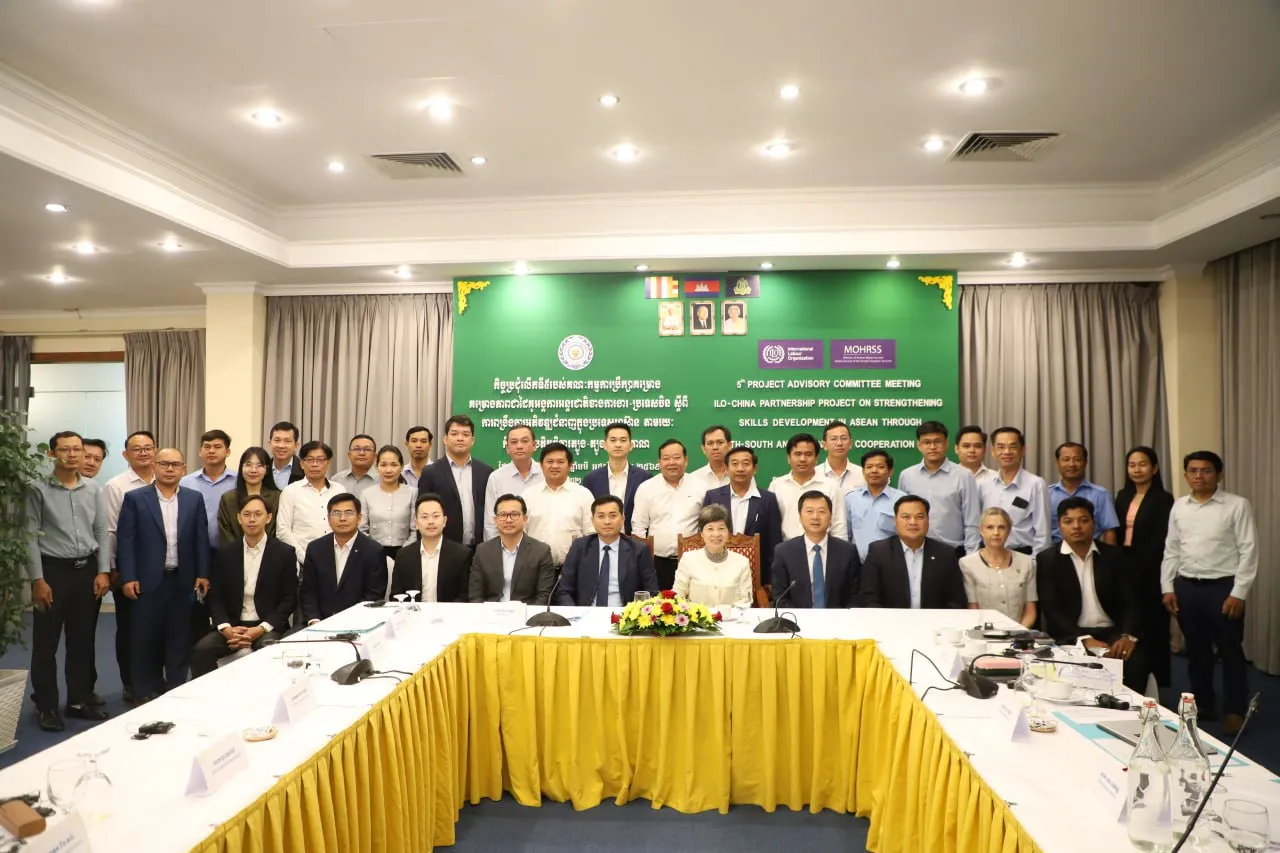
Representatives from the government, employers’ and workers’ organizations, and technical and vocational education and training (TVET) institutions have reviewed progress and the 2026 workplan for the ILO/China Partnership Project on Strengthening Skills Development in Cambodia through South–South and Triangular Cooperation.
Organized by the ILO, in collaboration with the Ministry of Labour and Vocational Training (MLVT), the meeting took place in Phnom Penh on 22 April 2026.
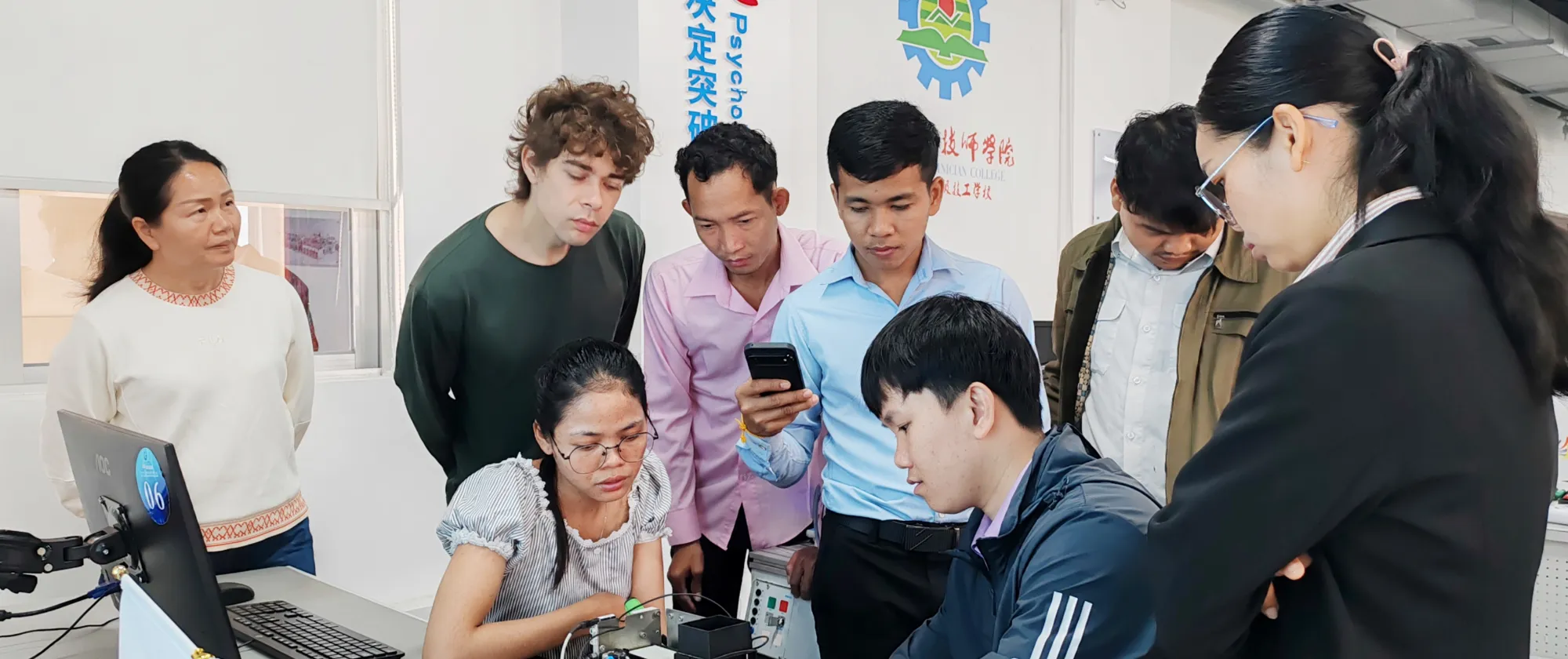
Participants commended the project’s 2025 achievements in promoting decent work and full employment in Cambodia, particularly through strengthened TVET institutional capacity, enhanced public–private partnerships, and expanded access to training for youth, women, and vulnerable groups. They also highlighted the strong value of South–South Cooperation, noting that collaboration between Cambodian TVET institutions and members of the South–South Cooperation Skills Development Network, including Beijing Industrial Technician College, Guangzhou Industry and Trade Technician College, Hainan Technician College, Zhejiang Construction Technician College, and Yunnan Dali Technician College, has effectively improved teaching quality, modernized training approaches, and strengthened alignment with industry needs, serving as practical and impactful models for accelerating skills development.
Thorng Samon, Deputy Director-General of Technical and Vocational Education and Training (DGTVET) and the chair of the meeting, commended the project and emphasized the importance of continued collaboration: “The ILO-China partnership project has been actively supporting skills development in Cambodia. This Project has demonstrated the value of strong partnerships in advancing Cambodia’s TVET system.”
The Committee provided strategic recommendations to guide the 2026 workplan, focusing on scaling up demand-driven training, strengthening industry linkages, and promoting skills development in emerging sectors.
Speaking at the meeting, Xiaoyan Qian, ILO Country Director for Cambodia, Thailand and Lao People’s Democratic Republic highlighted: “As the country advances its long-term development vision and strives to move up global value chains, building a skilled and adaptable workforce is essential. The ILO/China Partnership Project continues to play a strategic role in supporting Cambodia in strengthening a more responsive, inclusive, and demand-driven TVET system.”
The ILO/China Partnership Programme on Strengthening Skills Development through South–South and Triangular Cooperation aims to enhance skills systems, promote inclusive labour market participation and strengthen institutional capacity in Cambodia and the region.
Related content

Skills development
ILO/China Partnership Programme on Strengthening Skills Development in Cambodia, Lao People's Democratic Republic and Myanmar through...
Relevant projects
Skills development
ILO/China Partnership Programme on Strengthening Skills Development in Cambodia, Lao People's Democratic Republic and Myanmar through...