

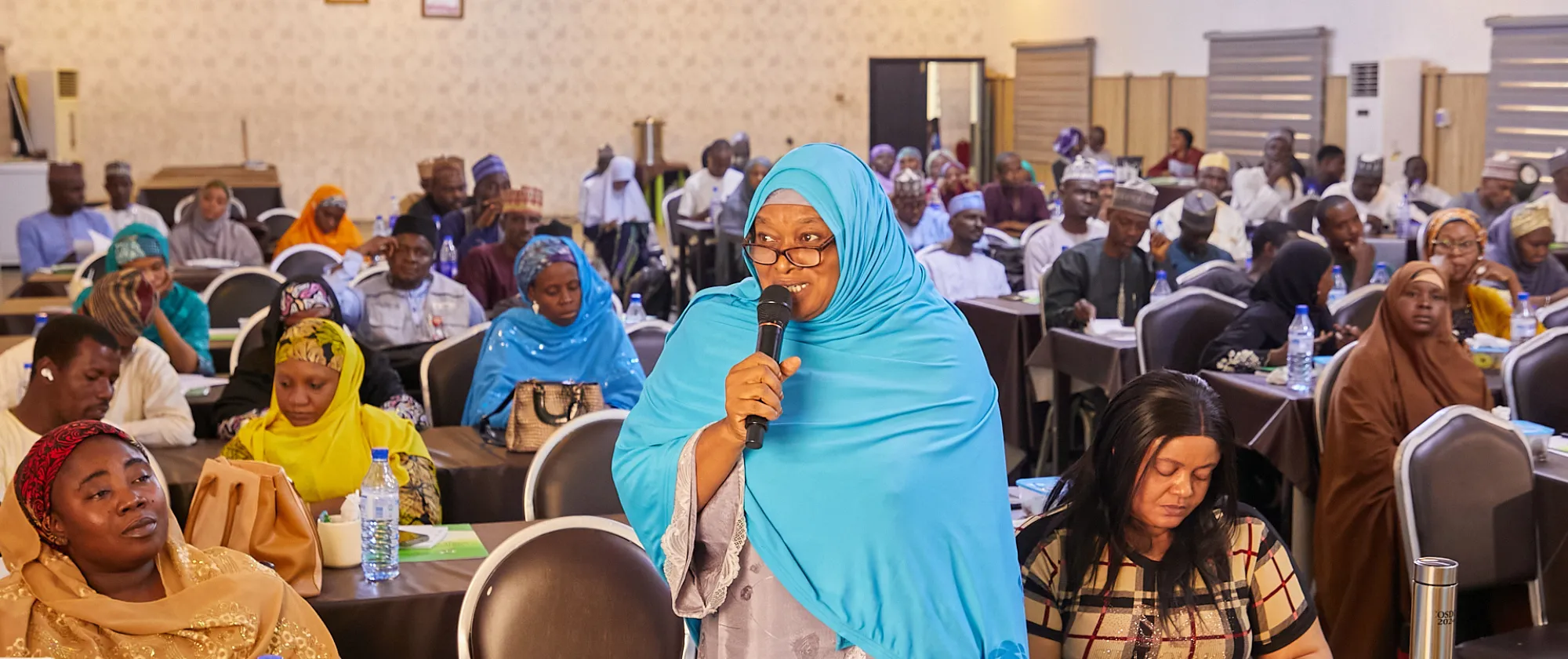
ILO, UN Agencies, and Nigerian Government Drive Inclusive Climate Action Through Just Transition Planning
The ILO, in partnership with UNDP, UNIDO, and Nigeria’s National Council on Climate Change, is leading the development of a Just Transition Action Plan to guide the country’s shift to a low-carbon economy, which aims to promote climate resilience, decent work, and inclusive growth.
9 September 2025
Kano, Nigeria: The International Labour Organization (ILO), in collaboration with the United Nations Development Programme (UNDP), the United Nations Industrial Development Organization (UNIDO), and the National Council on Climate Change (NCCC), convened a regional workshop in Kano to advance the development of Nigeria’s Just Transition Action Plan (JTAP).
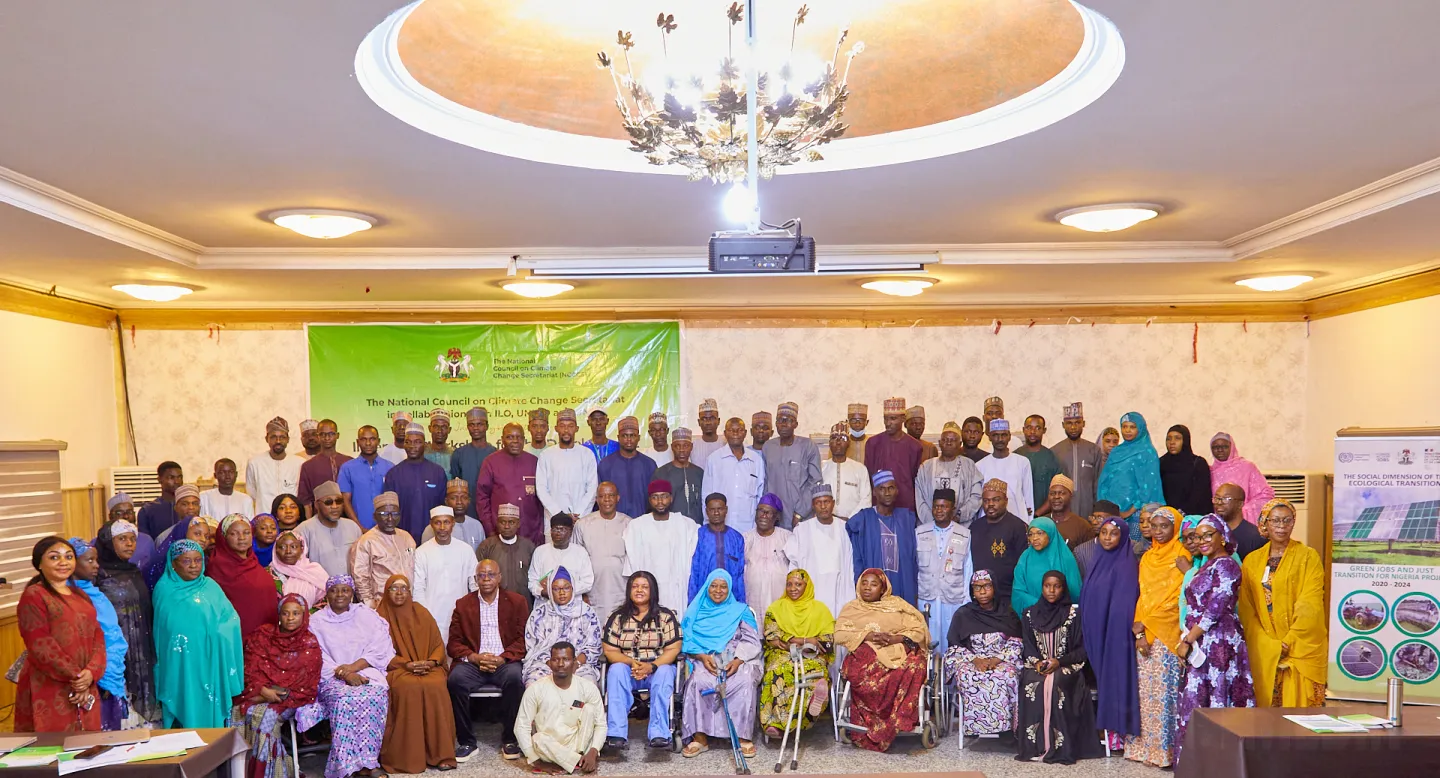
Held at Tahir Guest Palace Kano on July 22–23, the workshop brought together stakeholders from government, civil society, labour unions, and vulnerable groups to explore pathways for a fair and inclusive transition to a low-carbon economy. The JTAP aims to ensure that climate action in Nigeria promotes decent work, protects livelihoods, and fosters inclusive economic growth.
In her opening remarks, delivered by Mr. Bala Rufai Najega, Assistant Director at NCCC, the Director General/CEO of NCCC, Dr. Nkiruka Maduekwe, emphasized the alignment of the JTAP with the Federal Government’s Renewed Hope Agenda, which prioritizes job creation, economic growth, and social inclusion. She stressed that the JTAP must be people-centred and economically driven, reflecting Nigeria’s unique national circumstances.
Dr. Dahiru Hashim, Kano State Commissioner for Environment, reaffirmed Kano’s leadership in climate action and highlighted the importance of inclusive frameworks that address both environmental and socio-economic challenges. Mr. Stephen Agugua, representing the ILO, Country Director for Nigeria, Ghana, Seirra Leone, Liberia and the ECOWAS liaison office, Dr. Vanessa Phala, underscored the JTAP’s role in helping Nigeria meet its climate obligations while promoting sustainable development and decent work.
Voices from vulnerable groups, including the Global Disability Green Initiative (GDGI), women and youth representatives, and labour unions such as the Nigeria Labour Congress and the Trades Union Congress, called for fairness, transparency, and inclusivity in the transition process.
The workshop featured breakout sessions across eight sectors—Power & Energy, Transport & Infrastructure, AFOLU (Agriculture, Forestry and Other Land Use), Waste, Industry, Health & Education, Gender, and People with Disabilities—chaired by Prof. Oladipo of the Centre for Climate Change Development (CCCD), Alex Ekwueme University.
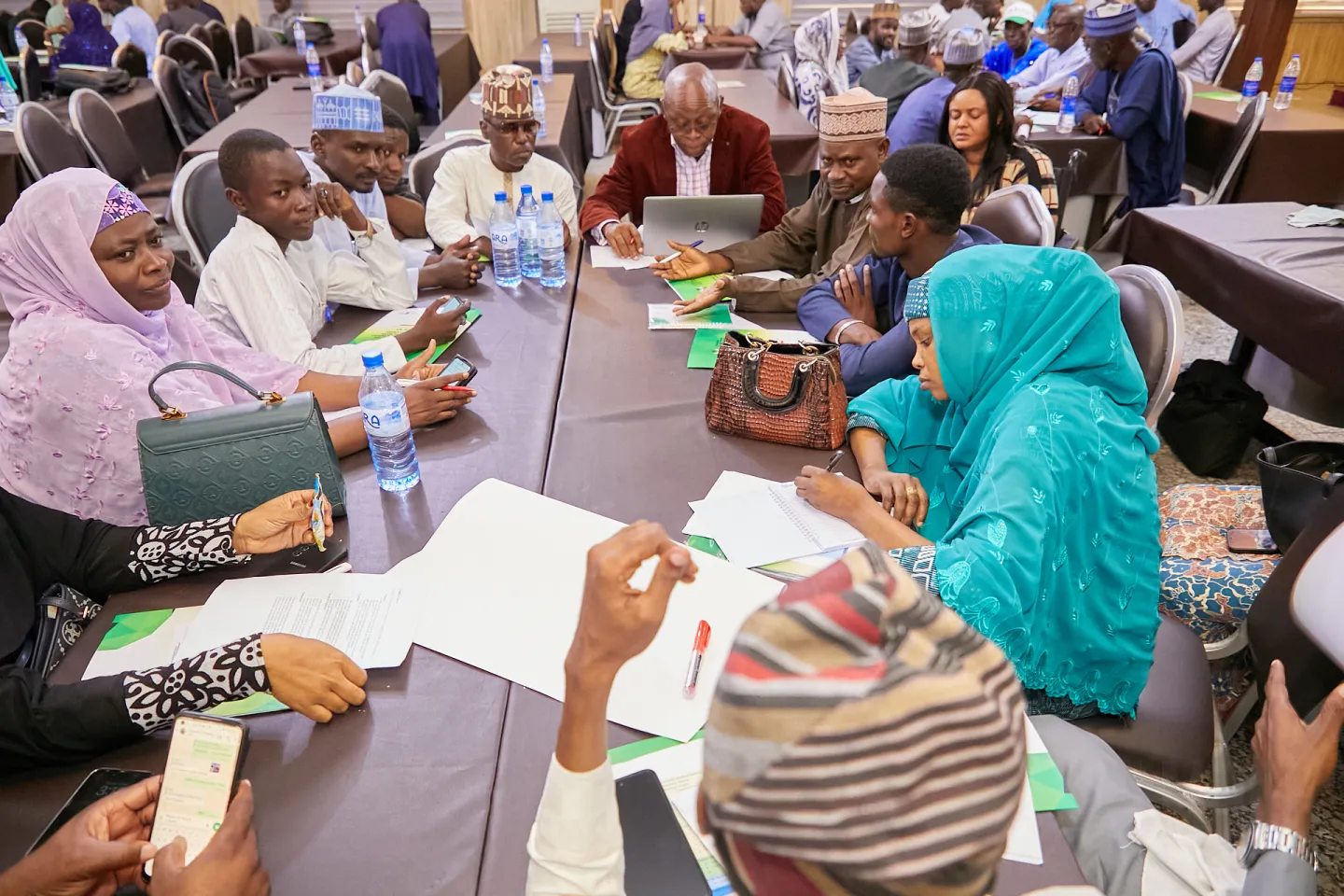
This regional workshop follows similar engagements in Lagos and precedes the upcoming session in Port Harcourt, forming part of a nationwide consultative process. The JTAP initiative began in April 2024 with the signing of a Memorandum of Understanding between the NCCC and UN agencies.
As Nigeria continues its journey toward a greener future, the JTAP represents a bold commitment to climate resilience, inclusive growth, and leaving no one behind.