ILO, through the joint action of ACTRAV, the GALAB and ENACTE projects, strengthens trade unions capacities to address child labour in Côte d'Ivoire's cocoa sector
The International Labour Organization (ILO), through the join action of Bureau for Workers' Activities (ACTRAV), GALAB project and ENACTE project, has reinforced the capacity of union representatives to organise agricultural workers in the cocoa sector in Côte d’Ivoire. This initiative contributes to the fight against child labour by empowering workers and addressing the root causes of child labour in cocoa-producing regions.
10 January 2025
ABIDJAN (ILO News) - Côte d’Ivoire is the world’s largest producer of cocoa, contributing 15% of its GDP. Yet, the sector faces significant challenges, including child labour driven by lack of decent work for adults and young people of working age. The ILO’s Global Accelerator Lab (GALAB) project, funded by the US Department of Labor (USDOL), aligns with the UN’s Sustainable Development Goal (SDG) 8.7 to eliminate child labour and forced labour.
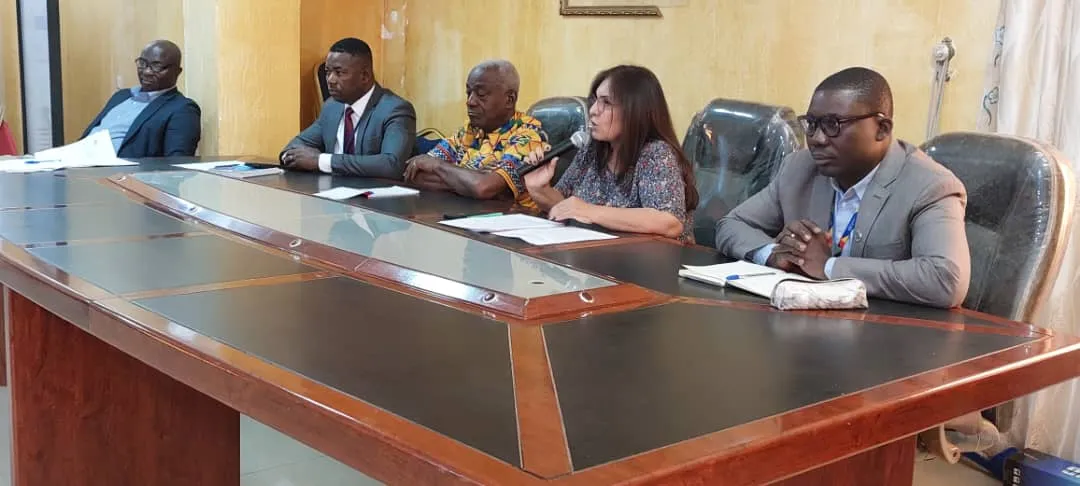
In collaboration with the “Ensemble pour agir sur les causes profondes du travail des enfants dans la Nawa” (ENACTE) project, the ILO, through its Bureau for Workers' Activities (ACTRAV), has focused on strengthening trade unions to better advocate for agricultural workers' rights. By improving workers' conditions and organising collective representation, this initiative tackles the root causes of child labour in the cocoa sector.
As part of its strategy to sustainably combat child labour in the cocoa sector, the ILO has identified unionization as an effective approach. Successful unionization will enable agricultural workers in the cocoa sector to advocate for key issues that will contribute to the improvement of their conditions.
These key issues may relate to access to decent work, ensuring that the voice of producers is considered in decisions affecting them.
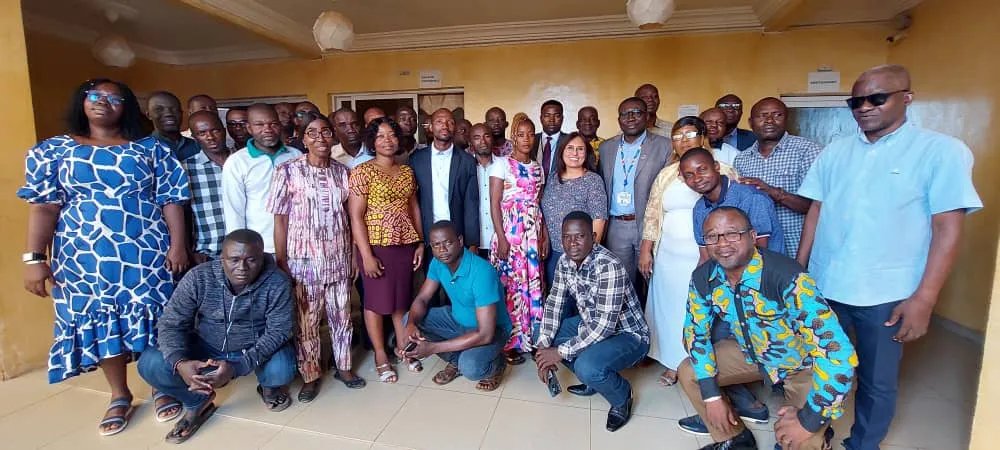
From 9 to 11 January 2025, a capacity-building workshop was held in Méagui, in the south-west of Côte d'Ivoire, bringing together 32 unions’ focal points from the Nawa region. Participants received training on key topics such as freedom of association, occupational safety and health, and the role of trade unions in the eradication of child labour. They developed strategies for unionization, and planned campaigns to organise agricultural workers.
Euphrem Ndepo, ILO Technical Officer for Freedom of Association and Collective Bargaining, noted:
" Strengthening trade unions in the cocoa sector is a priority for the ILO. Strengthening unions is not only about improving workers' rights; it is a cornerstone of our fight against child labour. By empowering union representatives, we create lasting solutions that address poverty and fundamental rights deficit at their root."
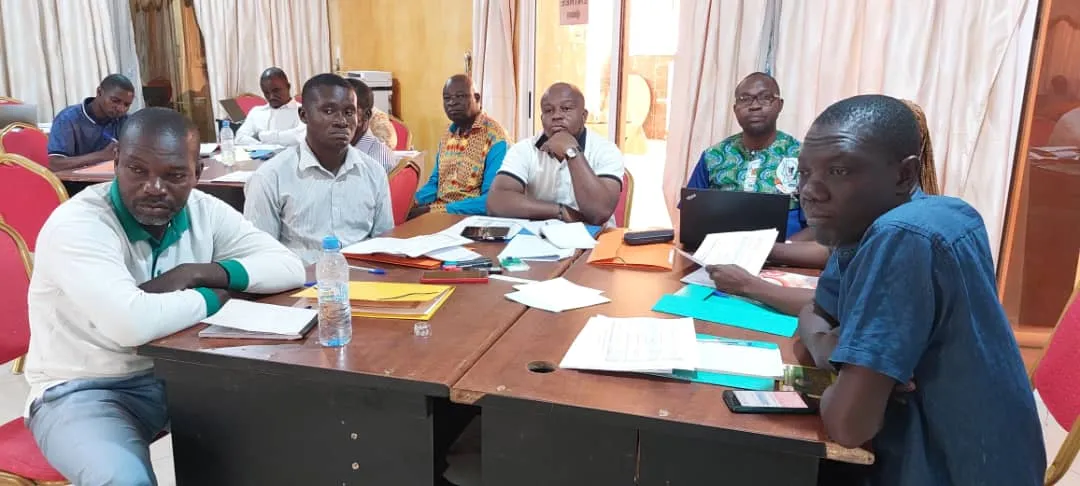
Union representatives expressed their determination to apply their newly acquired skills to organise workers in cocoa-producing regions. The Comité Intersyndical de Lutte contre le Travail des Enfants (CILTE), which is the unitary action tool of the trade union centres, expressed its satisfaction at the holding of this workshop. The coordinator, Jonas Kokora, said: “This is a concrete expression of the desire of the trade union centres to penetrate the world of agriculture in order to popularise trade union action and put an end to the lack of decent work for agricultural workers, a fundamental cause of child labour”. For his part, Zongo Abdoul Rahamane, one of the participants, said: “Thanks to the Méagui workshop, I realised that it was possible to organise cocoa farmers into a trade union, which was not easy for me before”.
The workshop is expected to enhance trade union representation in the cocoa sector in Côte d'Ivoire, leading to improved working conditions and reduced reliance on child labour. By empowering agricultural workers to assert their rights, this initiative contributes to sustainable cocoa production and aligns with international efforts to ensure decent work and social justice.
“The action plan developed at this workshop is the starting point for the operational part of this unionization strategy”, said Kattia Paredes Moreno, Senior Specialist for Workers’ Activities at ILO. Extending trade union representation to the agricultural sector is a way of promoting social justice, fundamental rights at work and a significant change in the lives of cocoa producers in Côte d'Ivoire.
The ILO remains committed to supporting its partners in addressing the root causes of child labour and fostering a brighter future for the cocoa industry in Côte d'Ivoire.