

Skills recognition in agriculture
ILO supports skills recognition in agriculture through training of assessors in Ethiopia
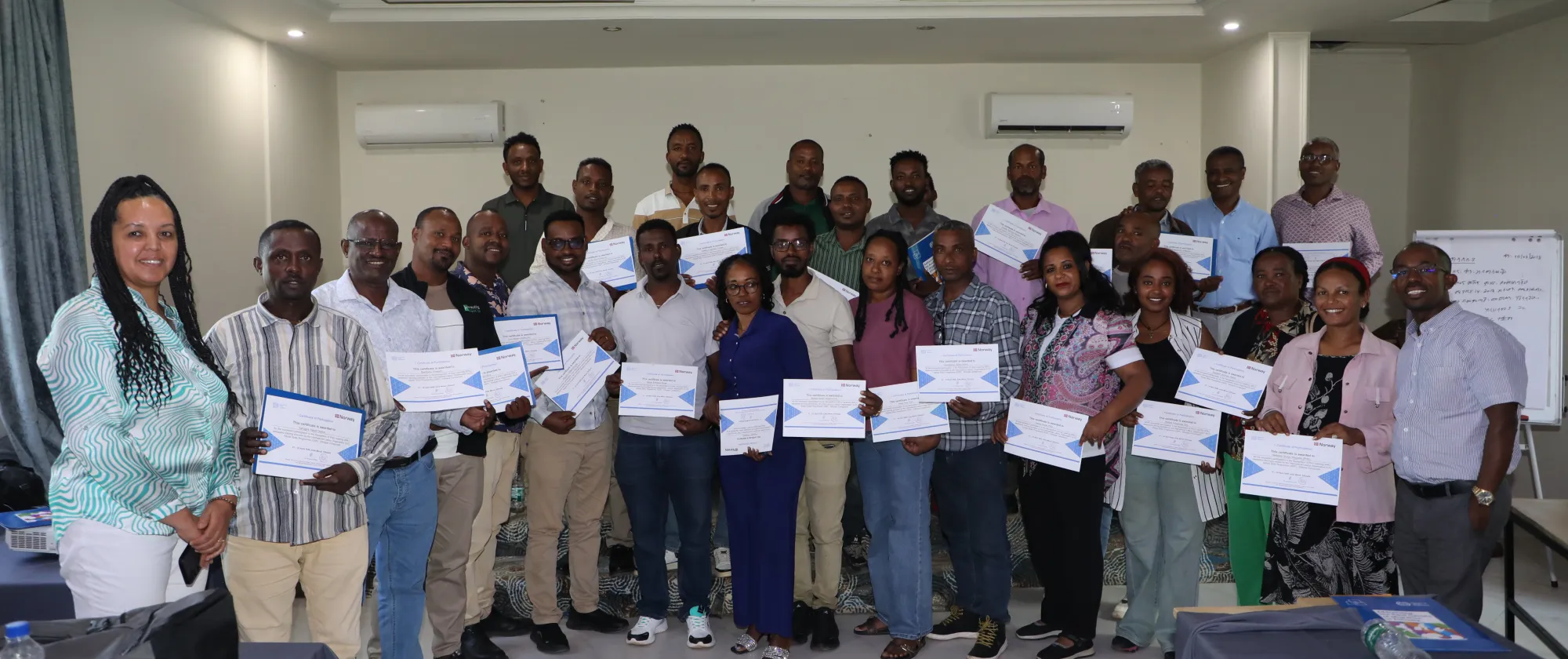
ILO is advancing skills recognition in Ethiopia’s agriculture sector as Recognition of Prior Learning (RPL) assessors complete a four-day training in Arba Minch, an initiative that equips assessors to formally recognise skills gained through hands-on agricultural work, helping farmers and agri-workers access better jobs, further training and improved livelihoods.
24 April 2026
Arba Minch, Ethiopia (ILO News) – Ethiopia is strengthening skills recognition in the agriculture sector through a completed training for Recognition of Prior Learning (RPL) assessors, equipping practitioners to formally recognise the competencies of farmers and agricultural workers whose skills are often gained outside formal education.
Delivered under the International Labour Organization (ILO) Global Skills Programme – Ethiopia and supported by the Norwegian Agency for Development Cooperation (Norad), the four-day training in Arba Minch brought together assessors from TVT institutions and industry to support the rollout of Ethiopia’s national RPL system in agriculture.
Agriculture remains a cornerstone of Ethiopia’s economy and a major source of employment. However, many workers in the sector acquire their skills through years of hands-on experience, without access to formal certification. The RPL system addresses this gap by providing a structured, quality-assured mechanism to recognise skills gained through work, informal learning and community practice.
Strengthening skills recognition in agriculture
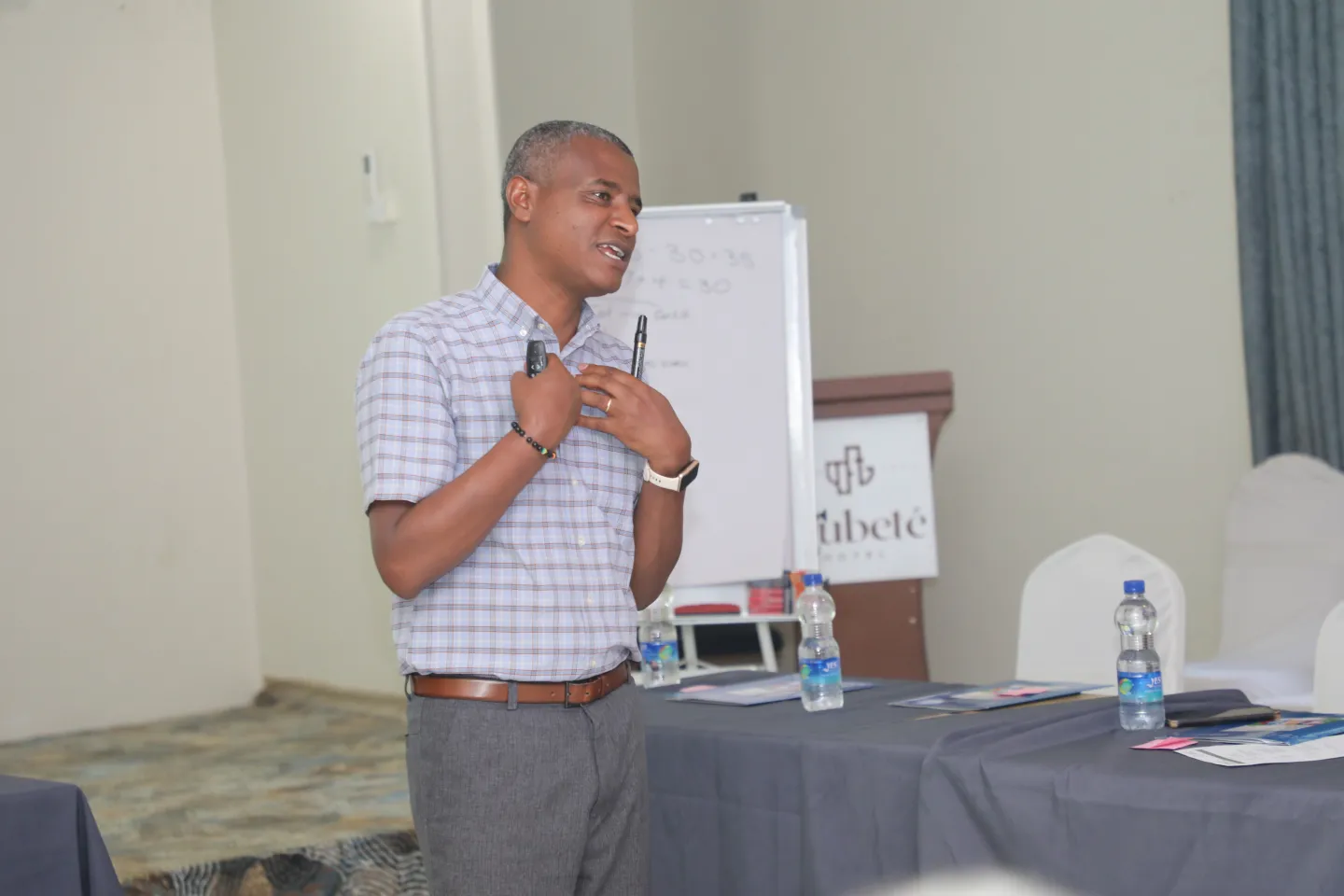
The training focused on building the capacity of assessors to evaluate agricultural competencies using evidence-based and competency-driven approaches. Participants explored methods for assessing practical skills, reviewing portfolios and applying national RPL tools to ensure fair and transparent recognition processes.
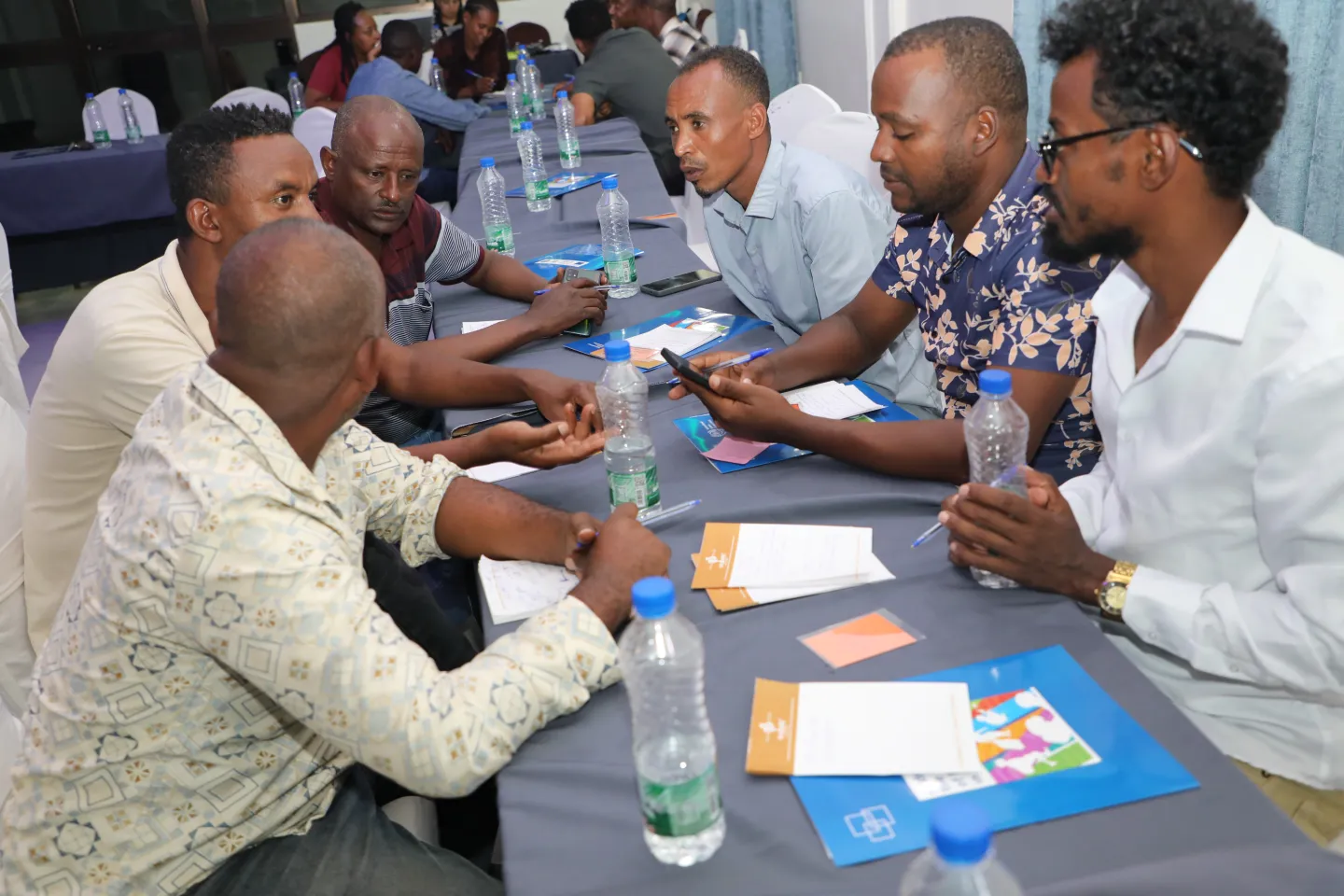
Through interactive sessions, including role-play and mock assessment exercises, participants experienced the full RPL process—from evaluating evidence to making certification decisions. These practical components strengthened their confidence to carry out assessments in real-world agricultural settings.
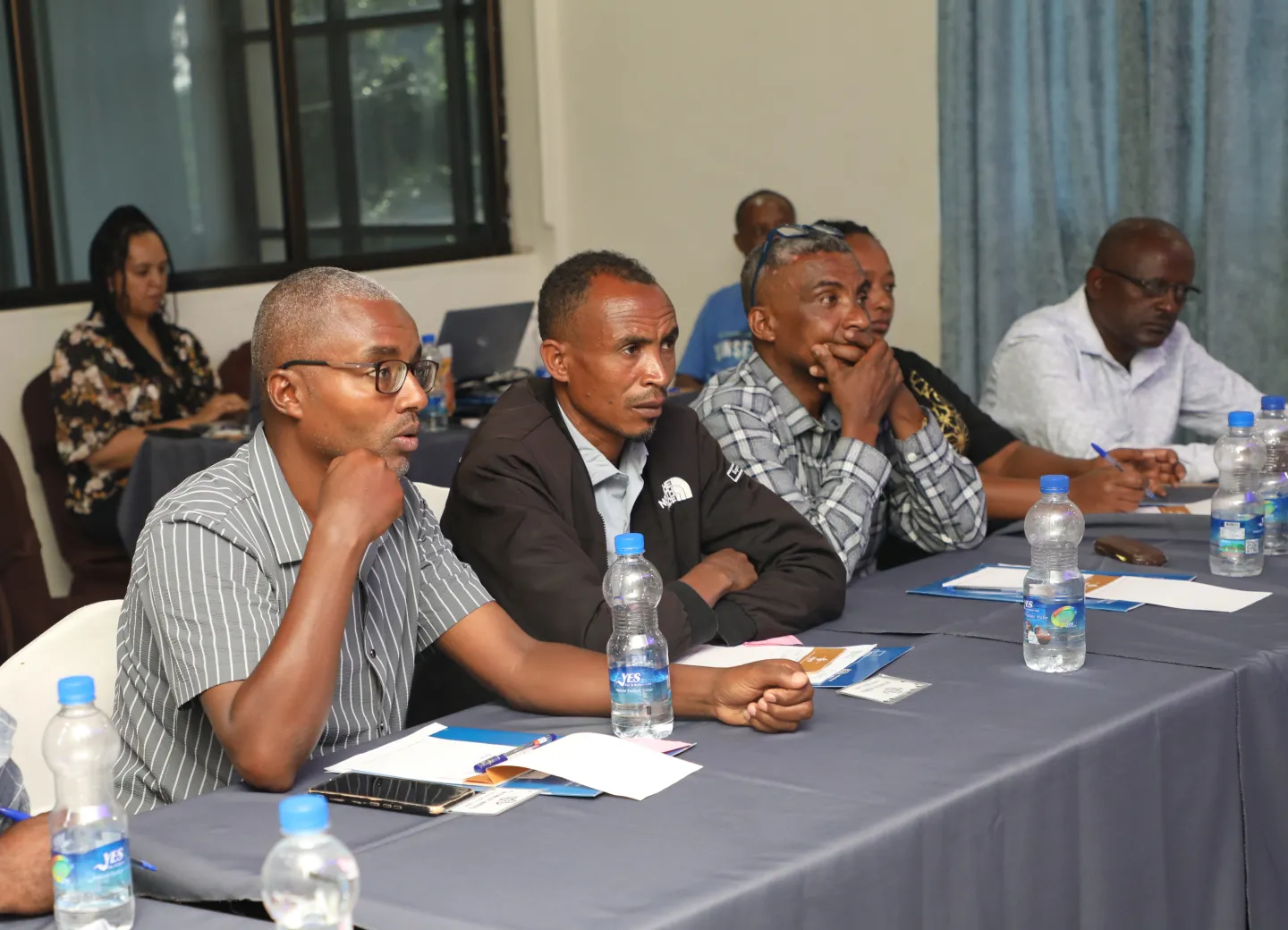
Participants highlighted the transformative potential of RPL in recognising agricultural skills that are often overlooked.
Misganu Milkias, a lecturer at Wolaita Sodo University, emphasised the importance of awareness and application.
“Before this training, I had no knowledge of RPL. Now I understand its principles and how to apply it in agriculture,” he said. “Recognising skills can improve livelihoods, increase income and create access to job opportunities for workers who were previously overlooked.”
He added that coordinated implementation will be key. “By identifying skilled workers and working with stakeholders, we can help reduce unemployment and improve access to opportunities.”
For Tsedey Azeze (PhD), a researcher at Hawassa Agricultural Research Center, the training highlighted the value of indigenous knowledge.
“RPL in agriculture validates skills gained through experience and transforms them into formal certification,” she explained. “Many farmers already have strong knowledge, but without recognition.”
“When these skills are certified, it increases confidence, creates opportunities for further training and allows farmers to share their knowledge more widely,” she added.
Dr. Bakalu Basa, Associate Professor and researcher at Wolaita Sodo University, focused on the technical rigor of assessment.
“The training strengthened my ability to assess competence using evidence such as performance, documentation and demonstration,” he said.
He stressed the broader economic impact. “Certifying farmers and agricultural workers will open opportunities for employment, both locally and internationally, and improve market access for their products.”
Supporting inclusive TVT reform
Recognition of Prior Learning is a key pillar of Ethiopia’s national TVT strategy, aimed at expanding access to certification and improving job readiness. By strengthening assessor capacity in agriculture, the training contributes to a more inclusive skills system that recognises competence regardless of how it is acquired.
Participants also developed action plans to guide the implementation of RPL in their institutions and regions, ensuring that the knowledge and tools gained during the training are translated into practical application.
Expanding opportunities for farmers and agri-workers
Formal recognition of skills can significantly improve the livelihoods of agricultural workers by increasing their access to better employment, further training and income-generating opportunities. It also enhances productivity and supports the professionalisation of the agriculture sector.
As Ethiopia advances the rollout of RPL across priority sectors, including agriculture, strengthened assessor capacity will play a critical role in reducing skills mismatches and ensuring that workers are not excluded from opportunities due to lack of certification.
The training in Arba Minch marks another step toward building a national system that values skills wherever they are learned and ensures that experience in the field translates into recognised qualifications and improved livelihoods.
About ILO’s Global Skills Programme:
ILO’s Global Skills Programme supports countries in building inclusive, demand-driven skills systems. It promotes lifelong learning to help individuals adapt to evolving labor markets. The programme emphasizes social dialogue, equitable access, and quality assurance in skills development. It aligns with the 2030 Agenda for Sustainable Development, aiming to enhance employability and productivity worldwide. The Global Skills Programme is funded by Norway, NoRAD (Norwegian Agency for Development Cooperation).