

News
ILO strengthens employment services and labour-market links in Iraq’s Kurdistan Region and Ninewa province
Training series equips Public Employment Services and Career Development Centres to improve job matching and workforce support.
27 November 2025
SULAYMANIYAH (ILO News) – The International Labour Organization (ILO) has concluded the final round of an advanced training programme to strengthen Public Employment Services (PES) and enhance employer engagement and labour-market intermediation across the Kurdistan Region of Iraq and in the Ninewa province.
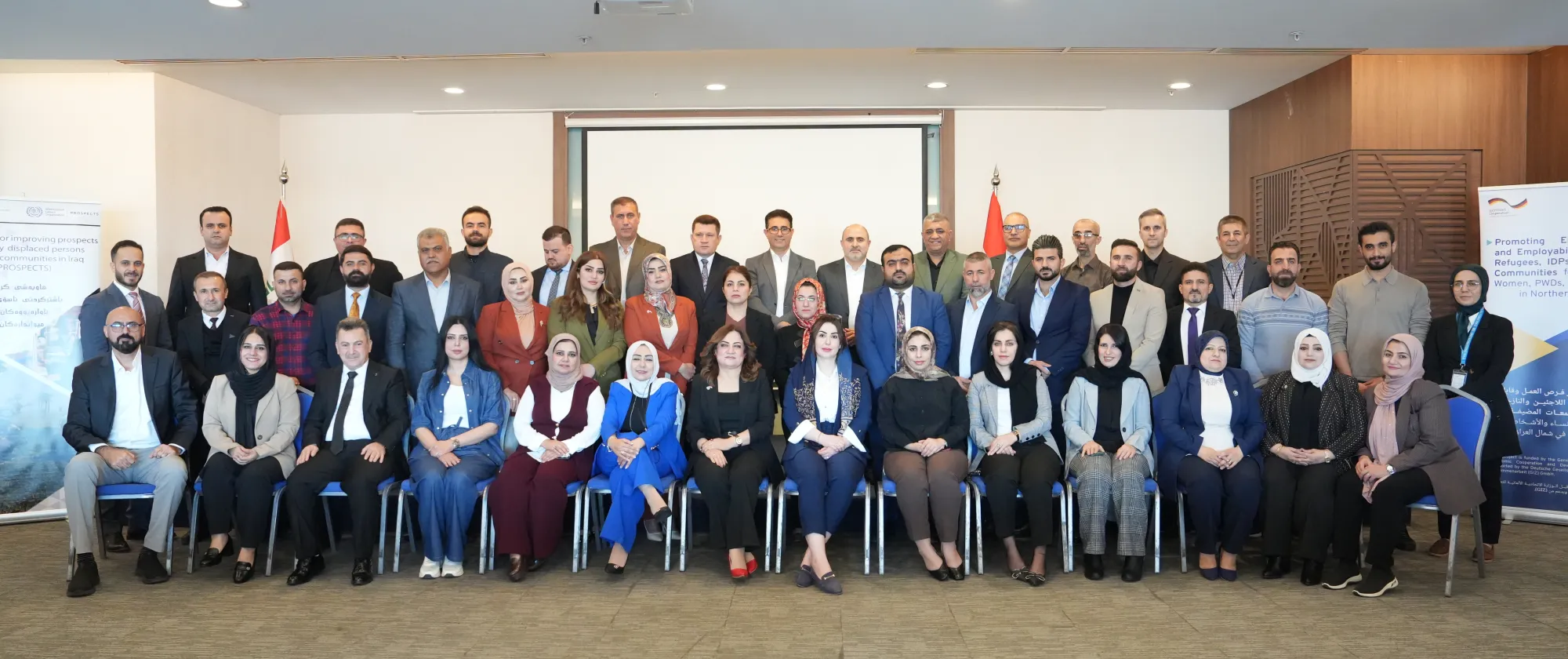
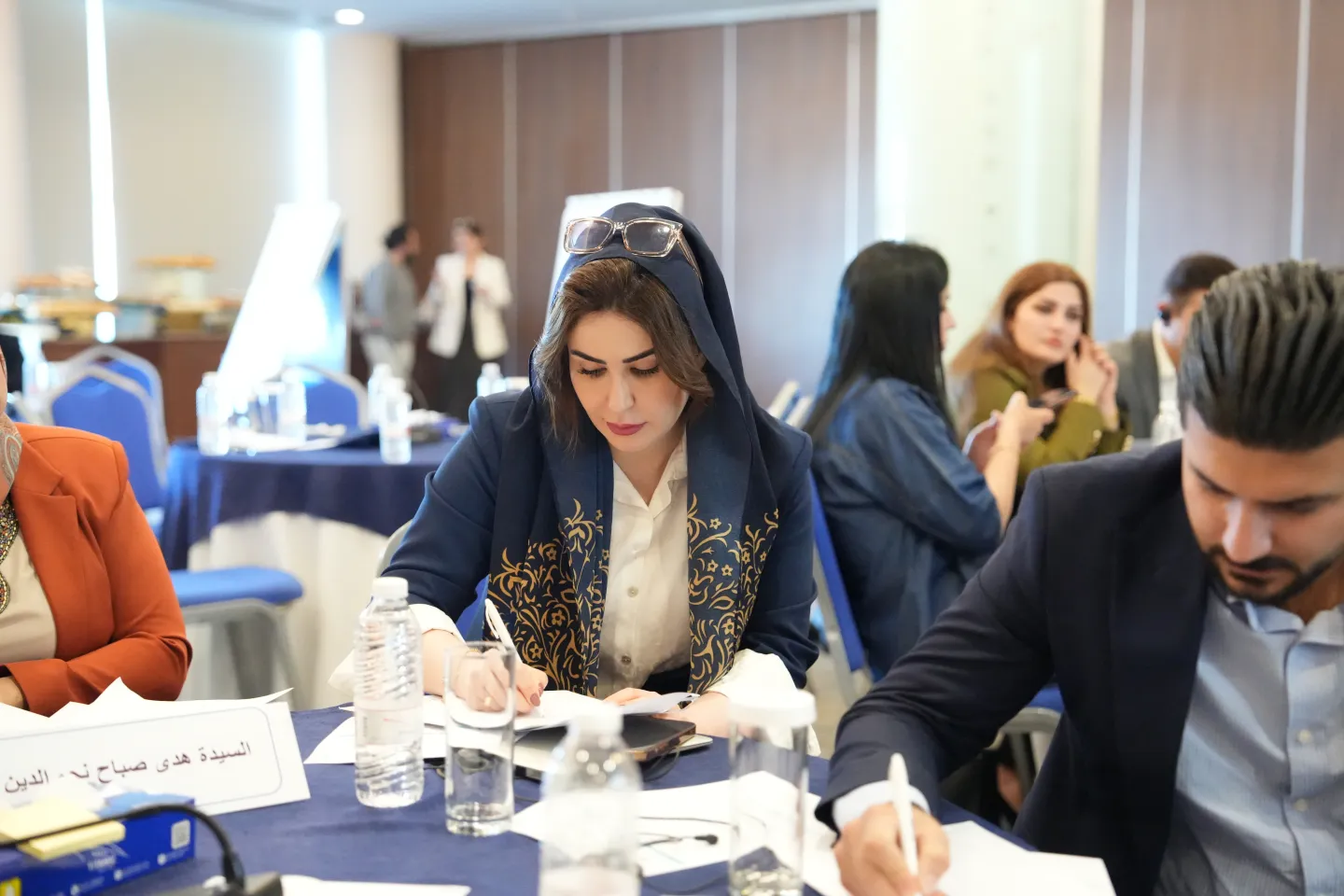
The second and final workshop in the training programme brought together over 45 participants, including employment counsellors from the Ministry of Labour and Social Affairs(MoLSA)’s PES offices in the Kurdistan Region and Ninewa, university-based Career Development Centres (CDCs) teams, and employer representatives from the Chambers of Commerce and Industry.
The programme is part of the ILO’s broader effort to modernize employment services, boost labour-market governance, and prepare MoLSA PES and CDCs to play a central role in implementing national employment policies and supporting jobseekers, employers, graduates and other labour-market actors.
“As the ILO continues to support the development of several national policy frameworks, including the Iraq Employment Strategy to be launched soon, these efforts are helping build stronger institutions capable of delivering high-quality employment services aligned with national priorities,” said Khalid Al-Sayeg, Deputy Minister of Labour and Social Affairs.
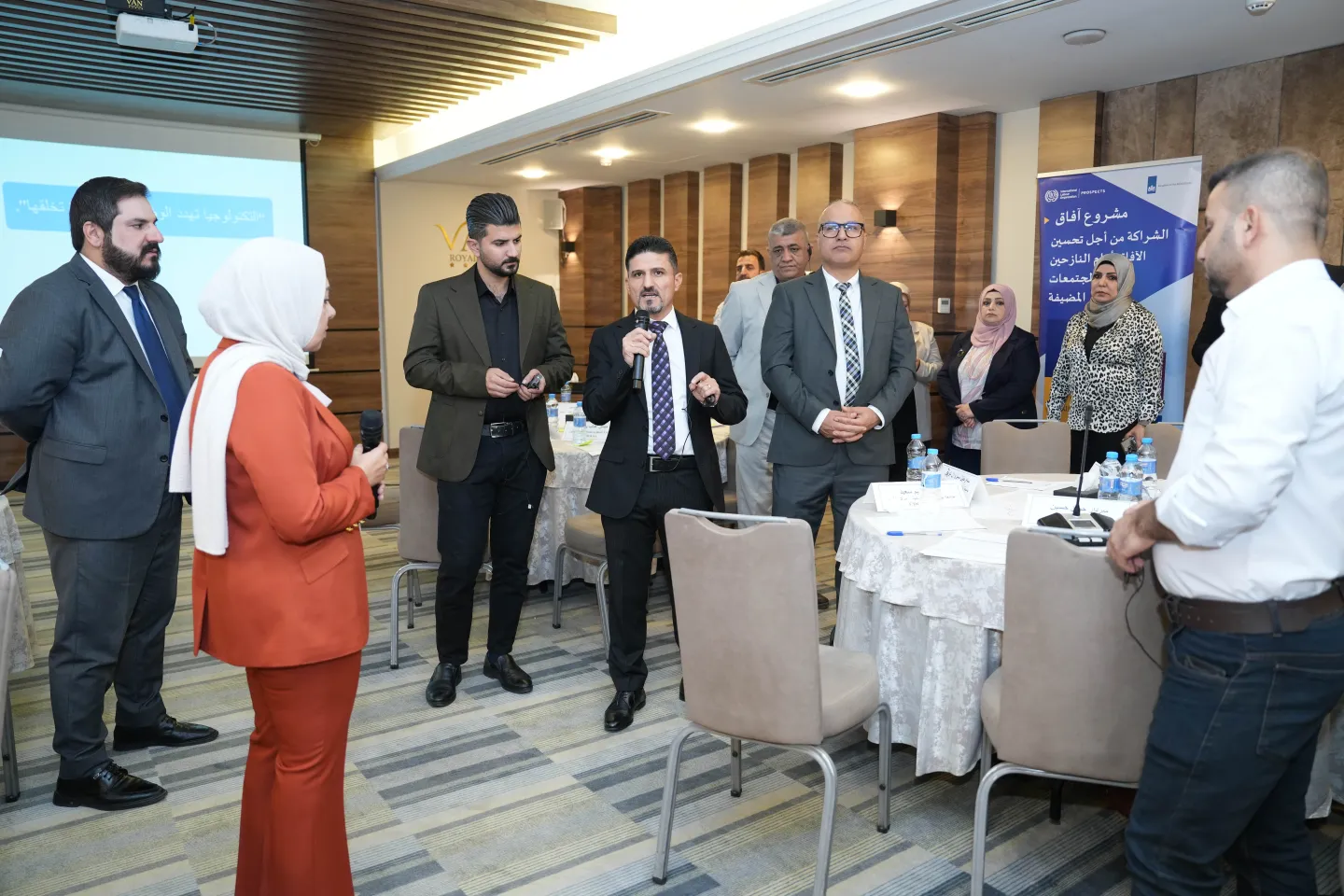
The training introduced advanced tools to strengthen PES and CDCs, enhancing recruitment support, employer engagement, coordination and digital services, while addressing outreach challenges and aligning with labour-market realities, including the hidden job market.
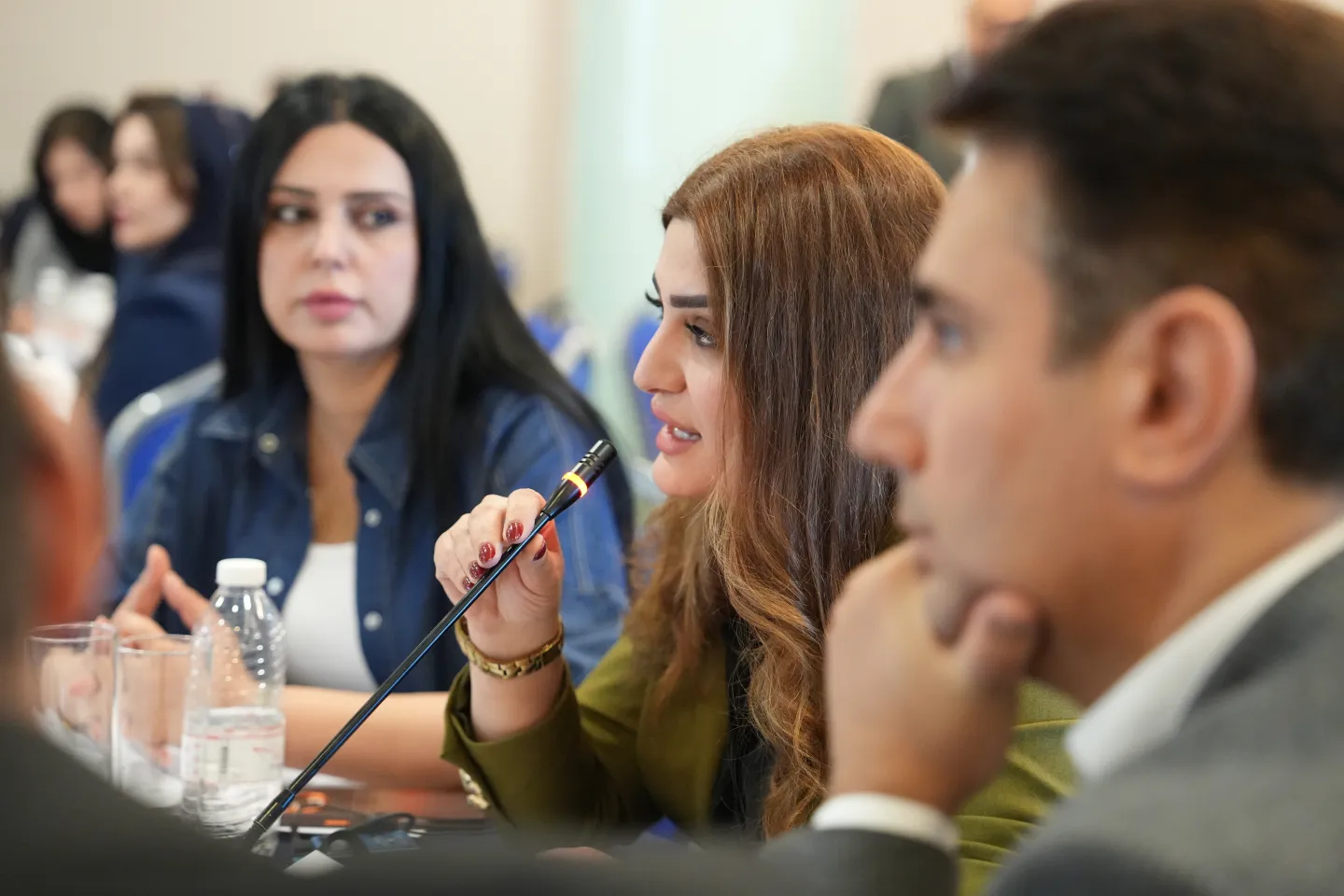
Employers also shared insights on recruitment challenges, skill gaps and job-readiness expectations, helping shape a roadmap for solid cooperation between PES, CDCs, and the private sector.
“Building the capacity of Public Employment Services and university Career Development Centres is essential for improving the quality of services provided to jobseekers and employers and for preparing our institutions for the effective implementation of employment strategies across the Kurdistan Region,” said Mariwan Bagok, Director General of Labour and Social Security at MoLSA in the Kurdistan Region of Iraq.
During the second leg of the training, participants were introduced to the ILO manual How to Support an Employer? , which focuses on the importance of strong ties between Public Employment Services and employers to improve job matching and workforce development, offering practical tools to help PES professionals build sustainable partnerships with businesses.
This was built on a foundational session held in early November in Erbil, based on the ILO handbook “How to Support a Job Seeker?,” emphasizing the role of employment counsellors in assisting jobseekers—particularly vulnerable groups—through career transitions. The manual outline essential competencies, from labour-market analysis and legal awareness to career-guidance techniques and interpersonal skills.
“Modern and effective employment services are fundamental for improving labour-market intermediation and expanding access to decent work. Strengthening cooperation between PES, CDCs, and employers is key to building a more responsive and inclusive employment system that supports young people, women, and vulnerable groups across Iraq,” said Igor Bosc, ILO Country Coordinator in Iraq.
Together, the two workshops form an integrated training package that boosts labour-market intermediation and equips institutions to implement Iraq’s employment policies. The skills developed are central to ILO-defined Active Labour Market Policies, helping people find work, improve long-term plans, and ensure no one is left behind during economic change.
These efforts complement the ILO’s ongoing work with MoLSA and national partners to develop evidence-based employment policies, strengthen labour-market information systems, and build institutional capacity, ultimately advancing decent work across Iraq.
The initiative is part of the PROSPECTS Partnership, funded by the Government of the Netherlands, and the project “Promoting Employment and Employability among Refugees, IDPs and Host Communities, focusing on Women, PWDs, and Youths in Northern Iraq” in partnership with the Deutsche Gesellschaft für Internationale Zusammenarbeit (GIZ) GmbH's EPSI project, funded by Germany’s Federal Ministry for Economic Cooperation and Development (BMZ).
Related content
Programme
Partnership for improving prospects for forcibly displaced persons and host communities (PROSPECTS)

ILO-Netherlands Partnership
Partnership for improving prospects for forcibly displaced persons and host communities (PROSPECTS) in Iraq
Relevant projects
ILO-Netherlands Partnership
Partnership for improving prospects for forcibly displaced persons and host communities (PROSPECTS) in Iraq
Programme
Partnership for improving prospects for forcibly displaced persons and host communities (PROSPECTS)