

ILO strengthens cooperation with Equatorial Guinea
Accreditation of the ILO Director for Portuguese-speaking African countries reinforces cooperation on decent work and regional priorities.
29 September 2026
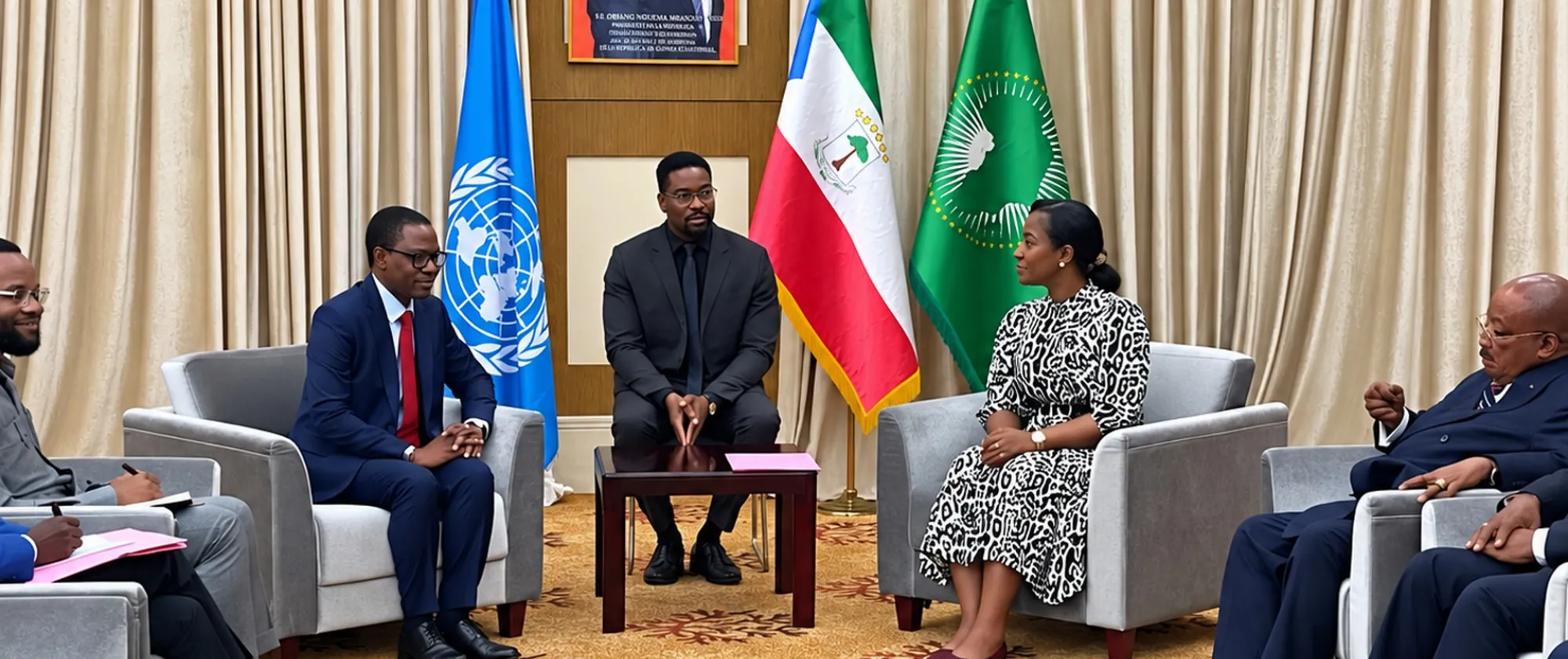
MALABO (ILO News) - The International Labour Organization (ILO) has strengthened its engagement with Equatorial Guinea following the accreditation of Juvenal Arcanjo Dengo, Director of the ILO Country Office for Portuguese-speaking African countries.
Dengo presented copies of his credentials to María Ángeles Miaga Bibang, Vice-Minister of Foreign Affairs, International Cooperation and Diaspora of Equatorial Guinea, during an official ceremony in Malabo on 29 September. The two officials also discussed opportunities to deepen cooperation on decent work and national development priorities.
During the meeting, the Vice-Minister reiterated the Government of Equatorial Guinea’s commitment to strengthening cooperation with the ILO and facilitating initiatives to promote decent work, social protection, skills development, social dialogue and productive employment.
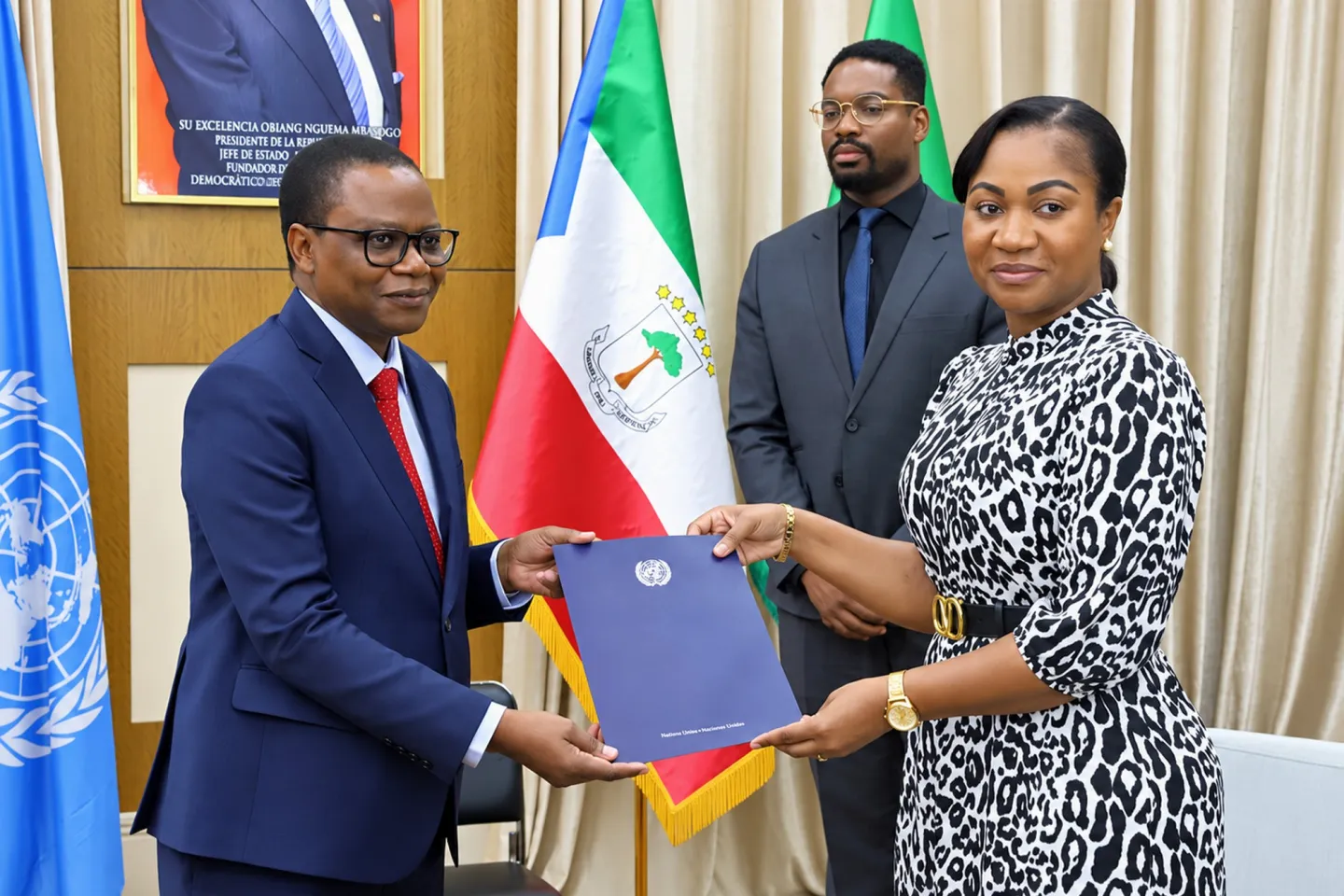
Dengo highlighted Equatorial Guinea’s role in advancing regional cooperation and reaffirmed the ILO’s readiness to deepen its partnership with the country. He also highlighted opportunities for collaboration across the Decent Work Agenda, in line with national development priorities and the African Union’s Agenda 2063.
The accreditation comes as the ILO strengthens its engagement across the countries served by its Luanda-based Country Office: Angola, Cabo Verde, Equatorial Guinea, Guinea-Bissau, Mozambique and São Tomé and Príncipe.
Closer engagement in the region is intended to strengthen cooperation with the ILO’s tripartite constituents – governments, employers’ organizations and workers’ organizations – and support national efforts to expand employment opportunities, promote social inclusion and advance sustainable development.
Through strengthened regional cooperation and partnerships, the ILO will continue to support its constituents in addressing shared labour market challenges and advancing decent work and social justice across the region.
Additional details
References
- DOI: N/A