

ILO spotlights how investment promotion and facilitation can deliver more and better jobs at WAIPA’s 29th World Investment Conference
5 November 2025
At WAIPA’s 29th World Investment Conference, the ILO led a masterclass on employment-centered KPIs, convened and participated in high-level panels, took part in selecting WAIPA’s Sustainability Impact Award winner, and previewed a new collection of case studies on how IPAs turn FDI into more and better jobs.

Sharjah, United Arab Emirates, 21–23 October 2025 – The International Labour Organization (ILO) took part in the 29th World Investment Conference (WIC) convened by the World Association of Investment Promotion Agencies (WAIPA), sharing practical tools and evidence on how investment promotion and facilitation can translate foreign direct investment into more and better jobs and inclusive growth. Since 2016, the ILO and WAIPA have maintained an active partnership embedded in the SDGs, specifically focusing on how foreign direct investment (FDI) can contribute to SDG 8.
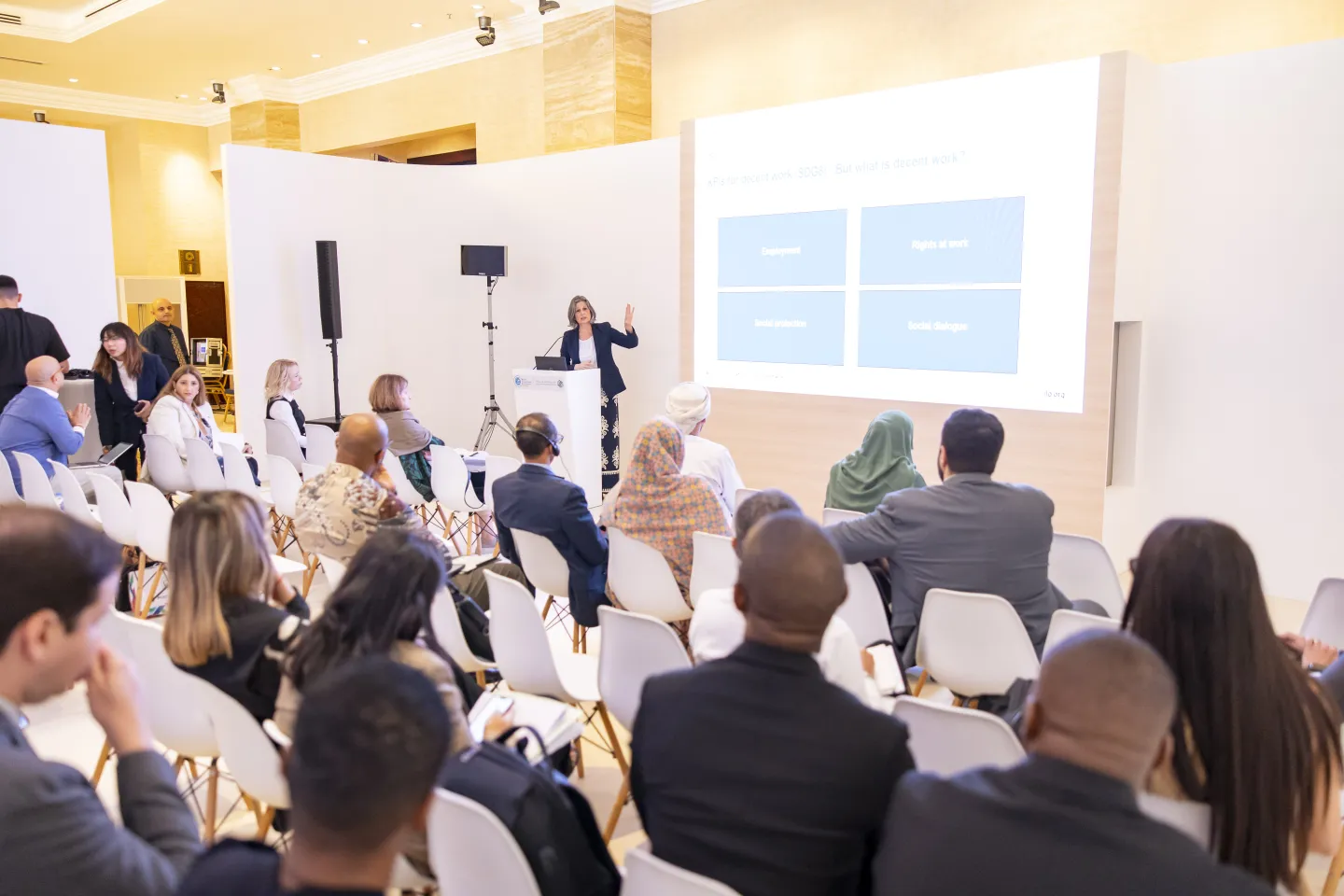
On 21 October, Githa Roelans, Head of the ILO’s Multinational Enterprises and Responsible Business Conduct Unit, delivered a masterclass on “KPIs for Assessing the Impact of FDI on Decent Work.” The session illustrated the ILO and WAIPA’s long-standing collaboration, including a decade of training and masterclasses that have engaged around 100 investment promotion agencies (IPAs) across every region. Participants explored a decent work centered KPI framework that spans 11 themes and 51 indicators, from job creation and skills development to occupational safety and health, responsible business conduct, and gender equality. The framework was developed with and for IPAs to be practical, aligned with international expectations, and adaptable to national priorities.
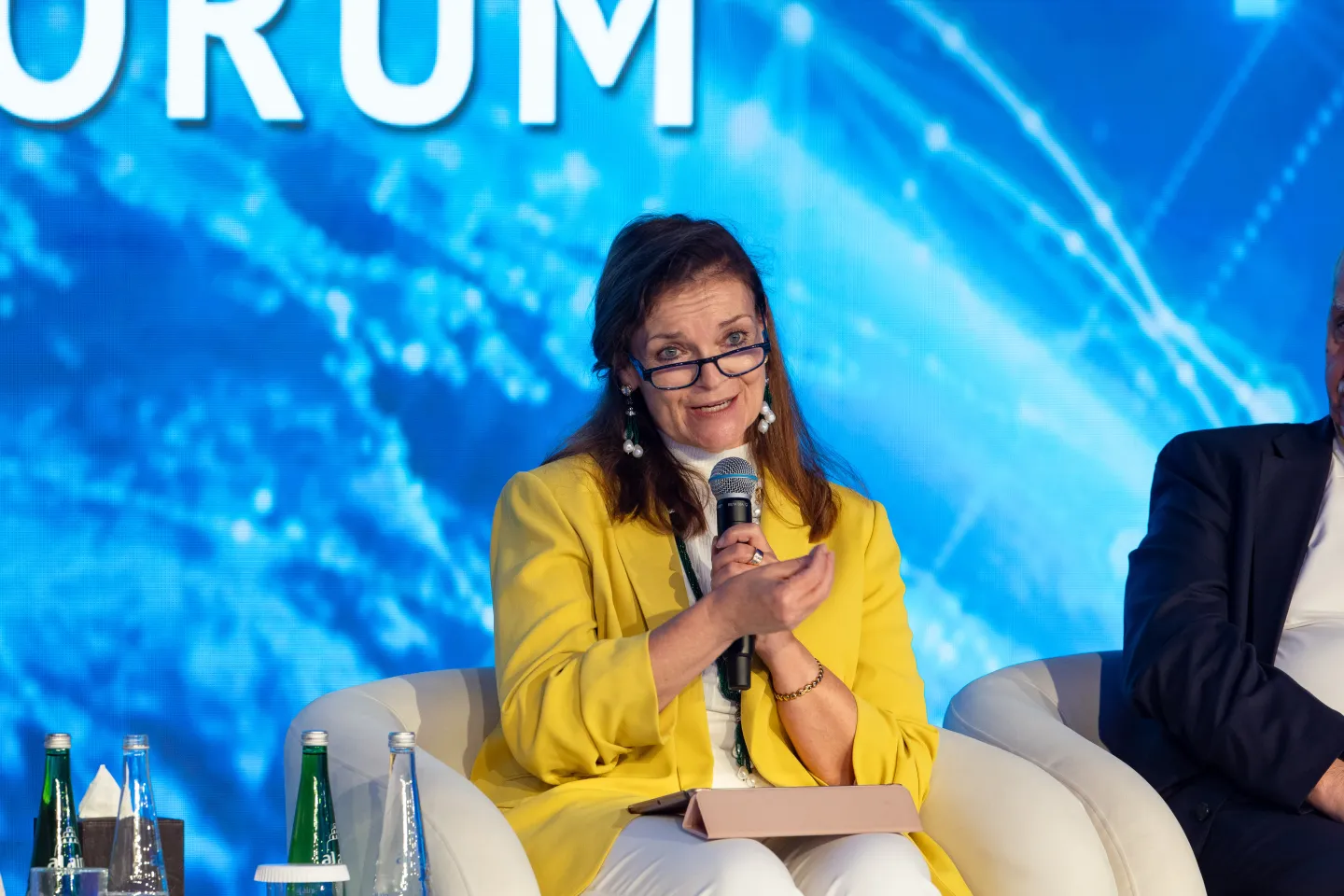
On 22 October, Rie Vejs-Kjeldgaard, Director of the ILO’s ENTERPRISES Department, joined the high-level panel “Green is the New Gold: Competitive Advantage Through Sustainable Investment.” The session explored how sustainability and the growing focus on environmental, social, and governance (ESG) criteria are reshaping global investment flows and competitiveness. Rie Vejs-Kjeldgaard noted that while many “green projects” focus primarily on environmental goals, they also create important opportunities to advance the social dimension by promoting decent job creation, strengthening local enterprise linkages, and expanding inclusive access to employment and skills for women, youth, and disadvantaged groups in rural areas.
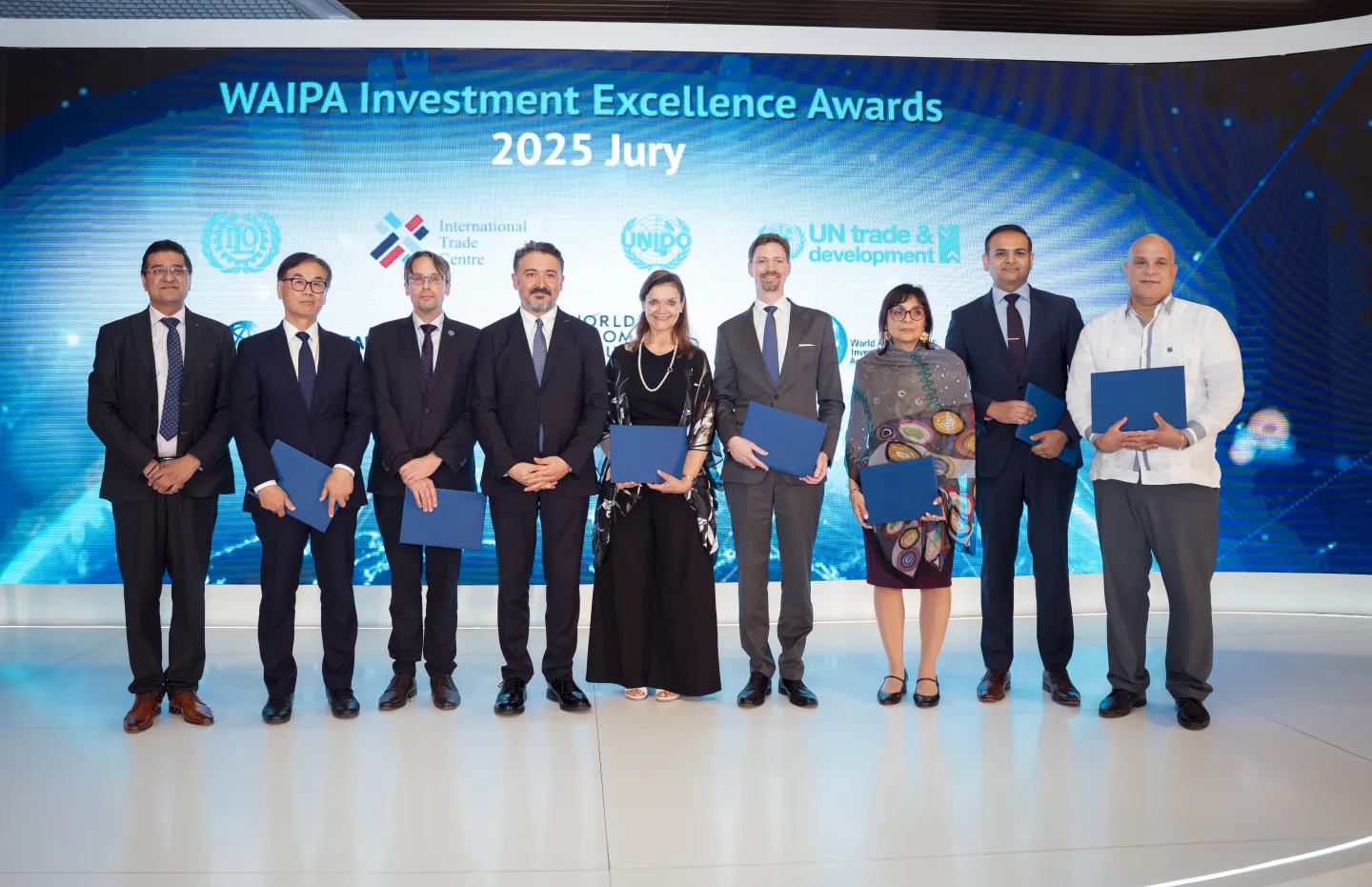
In the evening, WAIPA celebrated IPAs for outstanding achievements in global investment promotion with the announcement of the 2025 Investment Excellence Awards winners. As was the case for the 2024 Excellence Awards, the ILO was invited to be part of the jury. Rie Vejs-Kjeldgaard represented the ILO, evaluating the submissions for the Sustainability Impact Award. This award recognizes projects that advance national or global sustainability goals, where IPAs play a key facilitation role in enabling projects aligned with climate action, the SDGs, or circular economy principles. ApexBrasil received the award for facilitating a major biofuels investment that supports Brazil’s decarbonization efforts while creating more and better jobs through local supply chains, smallholder farmer participation, and skills development, demonstrating how environmental projects can also drive inclusive and sustainable growth, especially in the least developed regions of a country.
On 23 October, the ILO and WAIPA co-hosted the high-level roundtable titled “Beyond the Bottom Line: Turning FDI into More and Better Jobs.” After the opening remarks by Rie Vejs-Kjeldgaard, senior representatives of three IPAs shared their insights and experiences in a discussion moderated by Githa Roelans. The Ghana Investment Promotion Centre, Kuwait Direct Investment Promotion Authority, and the Investment and Finance Office of the Presidency of Türkiye each highlighted the development priorities that their countries aim to achieve through FDI facilitation and the tools, including indicators and incentives, that they use to achieve these objectives. The conversation focused on direct job creation for women and men, skills development, linkages between foreign investors and local enterprises, knowledge and technology transfer, cluster development, responsible business conduct among foreign investors, and the use of data systems to inform policies, especially in the context of the green and digital transitions, and how these transitions can drive inclusive and sustainable employment opportunities.
The interactive roundtable concluded with a preview of the ILO’s forthcoming collection of case studies, intended to document concrete practices that IPAs are using to collect and apply KPIs to assess the contribution of FDI to more and better jobs. The case studies build on earlier ILO–WAIPA work and will serve as a living resource for IPAs seeking to connect investment attraction with measurable employment outcomes.

Across the WIC, the ILO underscored that measuring what matters is central to unlocking FDI’s full contribution to sustainable development. The ILO also announced next steps in the collaboration and support for IPAs, including the collection of case studies on how IPAs are advancing SDG 8 through FDI strategies, indicators, and practical tools. In December 2025 ILO will launch a Community of Practice for IPAs on FDI for more and better jobs that will allow IPAs to continue exchanging existing practices and specific challenges through regular webinars, a discussion forum, and a knowledge hub to support peer exchange.
For more information about the ILO KPI framework, the case study collection, the Community of Practice, and capacity-building opportunities for IPAs, please contact the ILO’s Multinational Enterprises and Responsible Business Conduct Unit at [email protected].