

Rise for Impact
ILO project champions sustainable cotton cultivation through targeted farmer trainings in Uzbekistan
The ILO Rise for Impact project delivered practical workshops for farmers in Jizzakh and Syrdarya regions, promoting sustainable agriculture, stronger livelihoods and workers’ rights.
28 April 2025
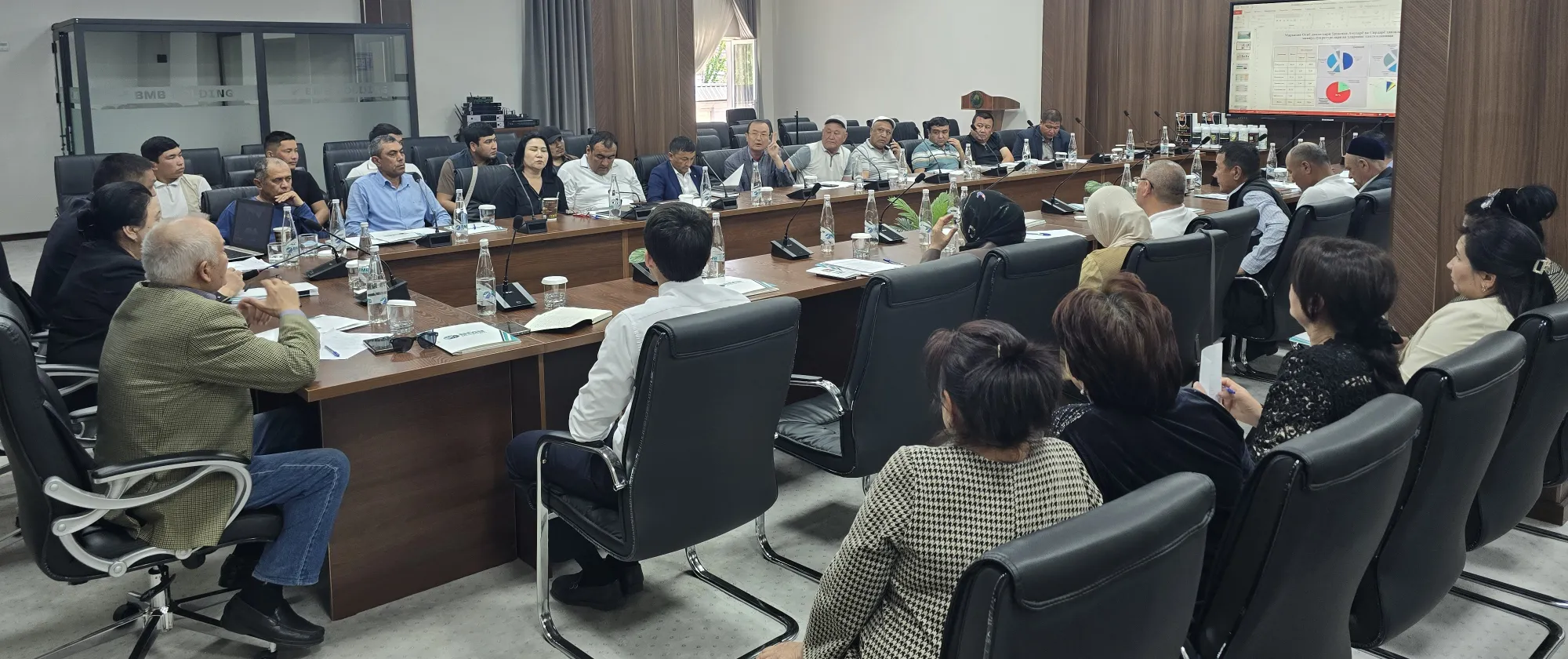
TASHKENT (ILO News) – As part of the International Labour Organization's (ILO) ongoing efforts to promote fundamental principles and rights at work (FPRW) in cotton-growing communities, the Rise for Impact Project has successfully conducted a series of practical training workshops for farmers from Dustlik district (Jizzakh region) and Syrdarya district (Syrdarya region) on 23-24 April 2025. These workshops aimed to strengthen sustainable cotton cultivation practices and support farmer resilience through modern farming methods, financial literacy and market integration.
Farmers from both regions came together in a collaborative learning environment, aiming not only to strengthen their knowledge but also to build lasting networks for mutual support and information exchange.
Enhancing Cotton Farming Through Knowledge
The sessions placed a strong emphasis on cotton cultivation, with a range of topics carefully tailored to the regional agro-climatic context and farmer needs:
- Agricultural technologies for cotton varieties suited to Uzbekistan’s central cotton-growing regions, including Navoi, Bukhara, Samarkand, Tashkent, Syrdarya, and Jizzakh.
- Intensive care practices for both domestic and imported cotton varieties to boost yield and fiber quality.
- Pest and disease management, providing practical guidance on identifying and controlling the most common threats to cotton crops.
- The use of resource-saving technologies to improve efficiency and environmental sustainability.
- Use of new, innovative, safe products in cotton cultivation.
- Application of biological protection methods using beneficial insects such as Brackon, Trichogramma, and Zlatoglazka to naturally combat crop pests.
- Insights into crop insurance options and financial services, including access to microcredit and input financing for seeds, fertilizers, fuel and protection products.
Participants received specially prepared handouts and joined a dedicated Telegram group, allowing them to access digital copies of the training materials, ask follow-up questions, and stay connected with both trainers and fellow farmers.
Expert Guidance from Leading Specialists
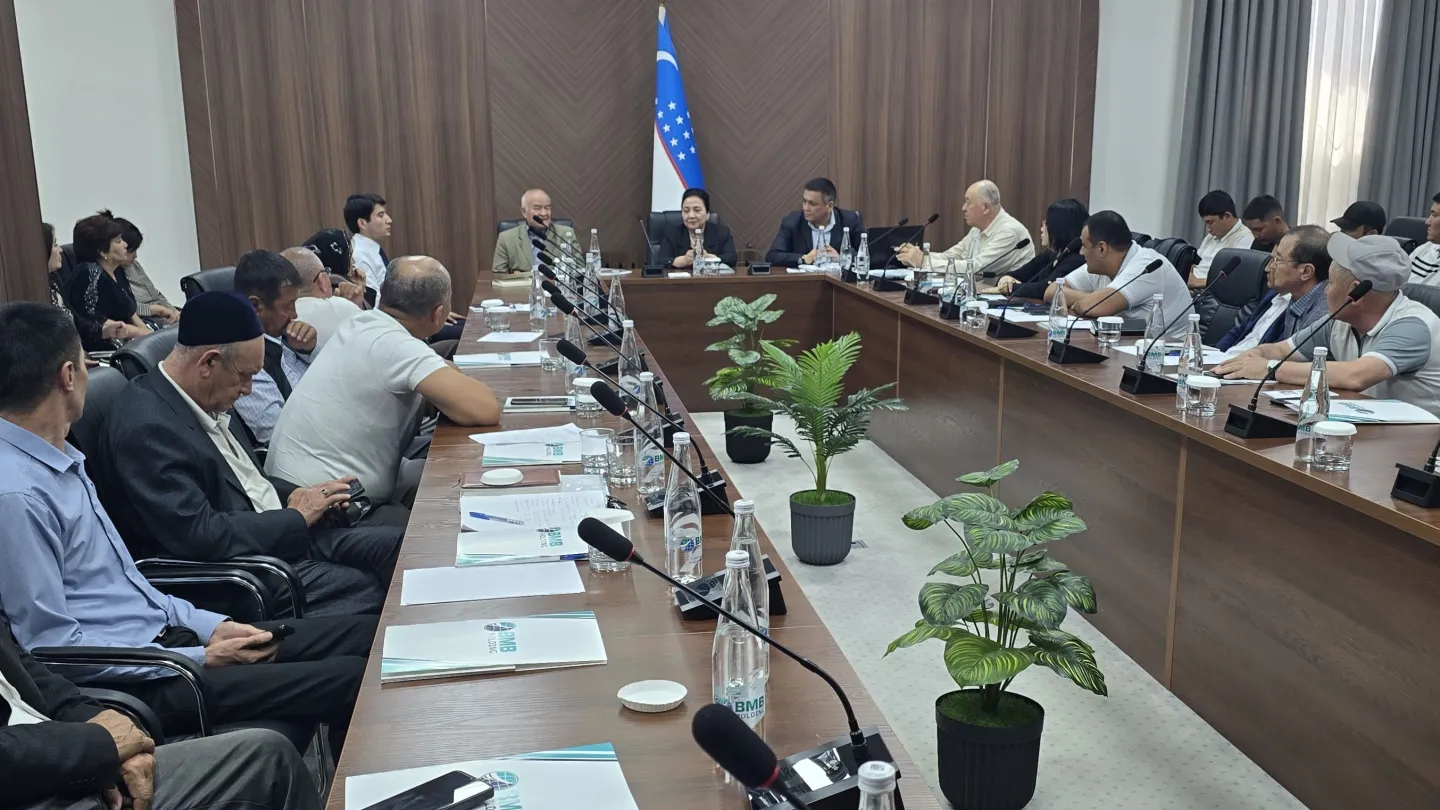
The workshops were enriched by presentations and interactive discussions led by a team of well-respected professionals, including:
- Mr. Alisher Saydaliyev, Scientist Agronomist
- Mr. Khasan Buriev, Professor, Tashkent State Agrarian University
- Ms. Dilbar Rashidova, Professor and Head of Laboratory, Cotton Breeding and Seed Production and Agrotechnology Research Institute
- Mr. Zohidjon Abdusalomov, Chief Scientist Agronomist, Anguzal Agroservice
- Ms. Maryam Bokieva, PhD, Editor-in-Chief, Plant Protection and Quarantine Journal
- Mr. Sardor Khusanov, Representative, ATB “Mikrokreditbank”
These experts shared both scientific insights and real-world strategies to support the farmers' success across the full cotton production cycle - from seed selection to market access.
Business Contribution and Innovation in the Field
One of Uzbekistan’s leading agricultural companies, Anguzal Agroservis, also took part in the event. Founded in 2009, the company specializes in the development and production of microbiological agricultural preparations derived from native microbial strains. Anguzal Agroservice introduced its full range of products and generously distributed free samples to participating farmers, encouraging them to test the innovations and share feedback through the established Telegram group.
Importantly, this is not an advertisement for the company’s products. Farmers – often known for their cautious and meticulous approach – were given the chance to test the product independently on a small plot of land and draw their own conclusions. As many farmers say themselves, "a farmer can make a mistake only once a year," since they must wait for the next planting season to try again. The company responded to an open opportunity to share its innovations; none of the experts involved, including the ILO, promoted or endorsed any commercial products. The focus remained squarely on informed choice, practical experimentation, and farmer empowerment.
Reaching a Wider Audience
To expand the workshop’s impact, the entire event was live streamed on the “fermer.uz” platform, a trusted channel followed by nearly 30,000 agricultural stakeholders across Uzbekistan. This allowed many more farmers and specialists to benefit from the expert-led training sessions in real time.
Looking Ahead: More Knowledge, Stronger Communities
Feedback from participants was overwhelmingly positive, with many expressing appreciations for the practical, locally relevant content and requesting additional workshops. Suggested future topics include:
- Modern farm management in cotton cultivation
- Resource and input management
- Financial literacy and access to agricultural credit
- Contracts, legal awareness, and farmer rights
By promoting environmentally sound practices and providing access to reliable technical and financial information, the Rise for Impact Project is playing a pivotal role in advancing the livelihoods of cotton farmers and fostering sustainable agriculture in Uzbekistan.
Relevant projects

Project country page (Uzbekistan)
RISE for Impact: Fundamental Principles and Rights at Work in the Cotton Supply Chain – A New Phase, A New Vision (UZBEKISTAN)