

ILO launches phase II of Nigeria’s social dimension of ecological transition project
New ILO initiative will place decent work, sustainable enterprise development and livelihoods at the centre of Nigeria’s ecological transition, helping ensure that the transition is fair, inclusive and people centred.
6 July 2026
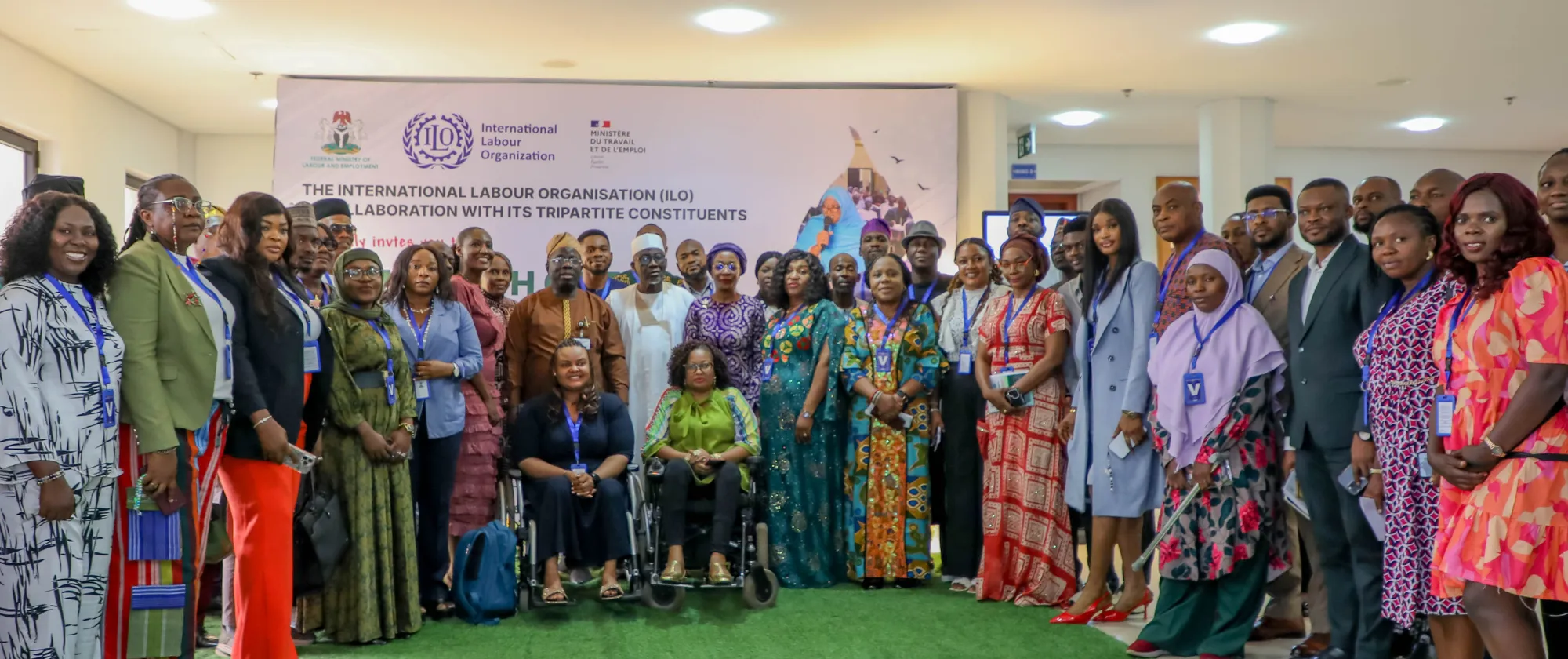
Abuja, Nigeria – The International Labour Organization (ILO), in partnership with the Government of France and the Federal Government of Nigeria, has launched Phase II of the Social Dimension of Ecological Transition project, reaffirming a shared commitment to ensure that Nigeria's journey towards a low-carbon economy creates decent jobs, protects workers, strengthens livelihoods and leaves no one behind.
Building on the achievements of the first phase, the renewed partnership, which runs until 2029, will translate climate commitments into practical action that directly improves the lives of workers, entrepreneurs, women, young people and communities across Nigeria. The project will place workers, enterprises and communities at the centre of Nigeria’s ecological transition by promoting decent green jobs in the context of expanding access to clean energy solutions and cooking technologies by providing support to green enterprises and supporting the skills acquisitions needed for emerging sectors.
Speaking at the launch, ILO Country Director for Nigeria, Ghana, Liberia, Sierra Leone and the ECOWAS Liaison Office, Dr Vanessa Phala, highlighted the significant progress achieved during Phase I. More than 1,000 representatives of government institutions, employers' and workers' organizations and civil society received training on just transition, while Nigeria successfully integrated Just Transition into its Nationally Determined Contribution (NDC 3.0) and developed the country's Just Transition Guidelines and Action Plan (JT-GAP).
The Honourable Minister of Labour and Employment, Dr Muhammad Maigari Dingyadi, described Phase II as an opportunity to move beyond policy development and deliver measurable benefits that Nigerians can experience in their daily lives. He emphasized that climate action must create decent jobs, strengthen enterprises, build resilient communities and expand opportunities for women and young people while supporting Nigeria's economic transformation and inclusive growth.
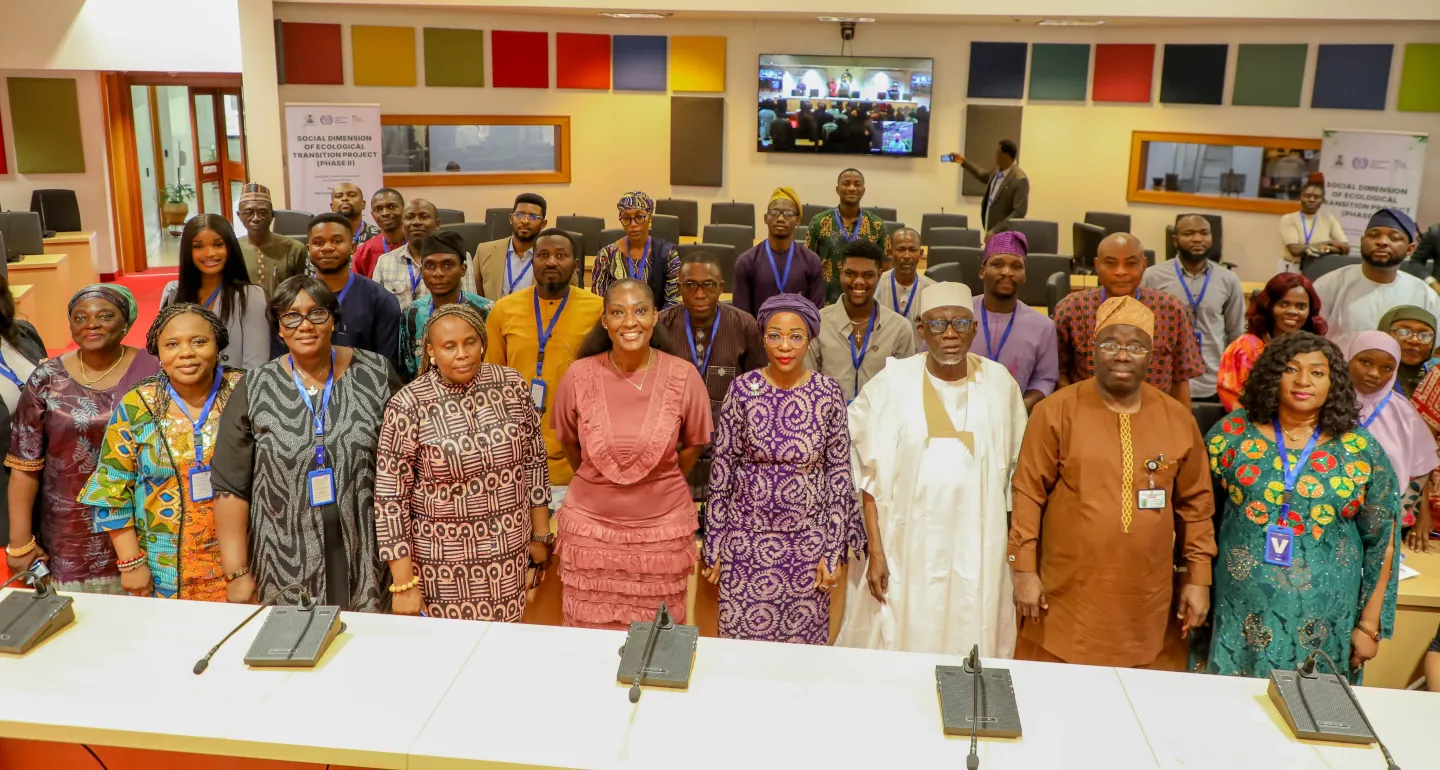
The Director-General of the National Council on Climate Change (NCCC), Dr Omotenioye Majekodunmi, stressed that Nigeria's ecological transition must remain people centred. She noted that scaling clean energy and clean cooking solutions will reduce harmful emissions, improve public health, cut household energy poverty and create new value chains for local entrepreneurs, particularly women and youth. She also reaffirmed the NCCC's commitment to aligning the project with Nigeria's Just Transition Guidelines and Action Plan and the country's updated climate commitments under NDC 3.0.
Nigeria's social partners welcomed the initiative as a major step towards ensuring that climate action delivers fairness alongside environmental progress. The Nigeria Labour Congress (NLC) underscored the importance of protecting workers from climate-related risks, strengthening occupational safety and health, expanding social protection and ensuring that workers' voices continue to shape Nigeria's climate policies and workplace reforms. The Trade Union Congress (TUC) pledged to promote social dialogue, advocate for decent green jobs and support upskilling and reskilling programmes so that workers can successfully adapt to changing industries.
Phase II will contribute to Nigeria's Energy Transition Plan, the national goal of universal access to clean energy by 2030 and the country's ambition to achieve net-zero emissions by 2060. By placing people at the centre of climate action, the project will help create sustainable businesses, improve household incomes, strengthen community resilience and build a greener economy that delivers opportunity, dignity and social justice for all Nigerians.