

ILO launches business coaching for rural enterprises and farmers in the Caribbean
The course is part of the on-going efforts by the ILO to effectively support smallholder farmers and small agri-businesses in their development, particularly through business coaching. The joint programme seeks to integrally support sectors, which require the creation of a more business oriented agriculture sector that includes more resilient farmers and more opportunity for jobs and income generation.
16 May 2022
To assist the agriculture sector in dealing with the effects of the COVID-19 pandemic, the ILO Decent Work Team and Office for the Caribbean, in cooperation with the International Training Centre of the ILO (ITCILO), launched a four-week business coaching course for rural enterprises and farmers in the Caribbean on 12 May 2022. The course is part of the initiative entitled Building Effective Resilience for Human Security in the Caribbean Countries: The Imperative of Gender Equality and Women Empowerment in a Strengthened Agriculture (and related Agri/Fisheries Small Business) Sector under the United Nations Joint Programme.
In this framework, ITCILO will organize a Training of Trainers on Business Coaching to support women smallholder farmers and entrepreneurs in Antigua and Barbuda, Barbados, Dominica, Grenada, and Saint Lucia, not only on technical aspects, but also on their business strategy. Over thirty persons from different ministries including ministries of agriculture and from the private sector of the five countries participated in the launch. They provided feedback to ensure that this tailor-made training was aligned to their current business strategies in their national context. The training will run from 14 June to 5 July 2022 and will consist of two weekly webinars via Zoom.
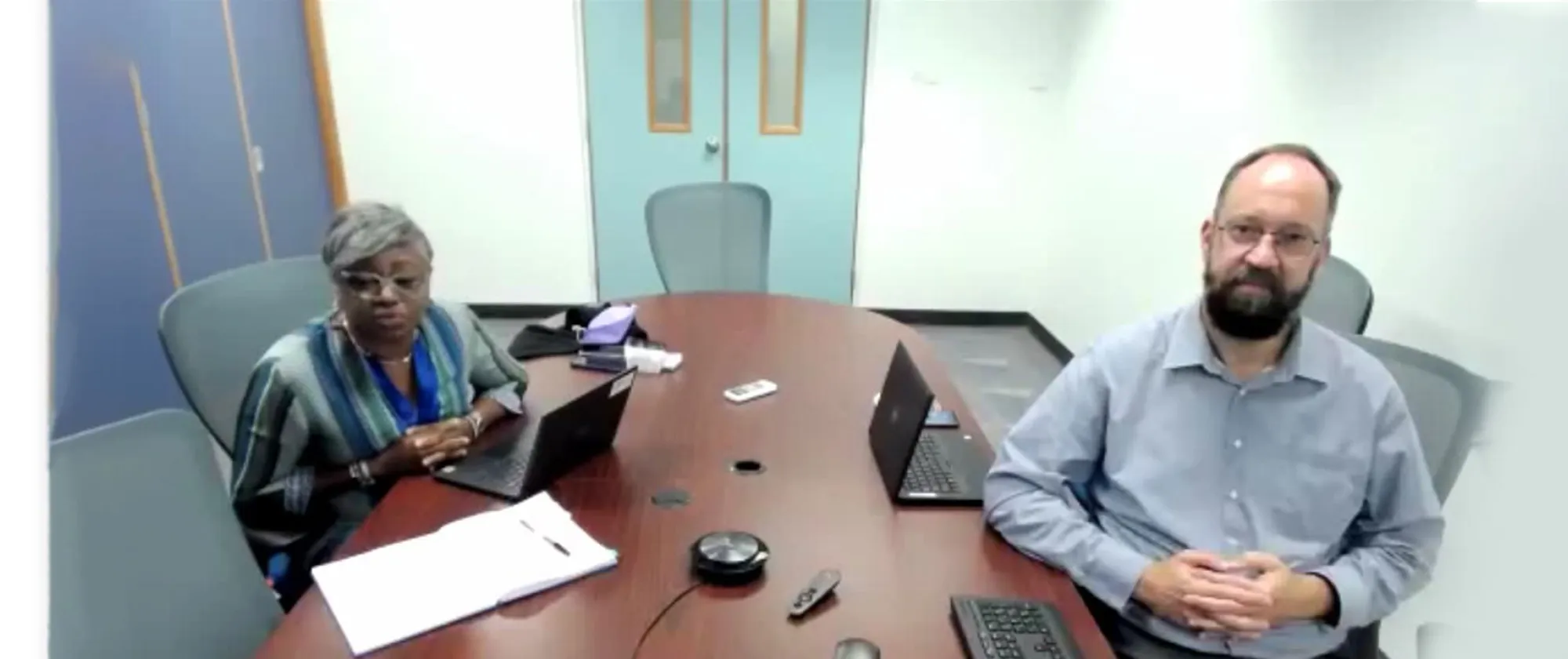
Angela L. Davis, Joint Programme Coordinator, UN Trust Fund for Human Security, UN Women Multi Country Office - Caribbean, explained during the launch that “in relation to business ….there is tremendous need to further that aspect of the work to help strengthen the ability of our small holder farmers and agricultural entrepreneurs to be able to not only be more resilient, but to feel competitive and to feel as though they have a space in agriculture, particularly as they continually hear the refrain about the countries needing to do a better job in terms of feeding themselves”.
“COVID-19 has brought that to the fore, and food security has become an even greater and more pressing issue, so there's a space that exists for our smallholder farmers and for our agricultural entrepreneurs. And we want to ensure that that space is retained and if possible, expanded”, added Davis.
John Bliek, ILO Specialist, Sustainable Enterprise Development and Job Creation, weighed in on the timeliness of the programme, “it's vital for us to support agriculture and we really try to motivate stronger and more business-oriented agriculture. The role of the ILO is to work with national constituents, to work with you through training, through coaching and to support you to take the agriculture sector to another level.”
The Programme is being implemented by UN Women, UNDP, ILO, and FAO with funding from the United Nations Trust Fund for Human Security (UNTFHS). It focusses specifically on the agricultural and fisheries sectors which play a key role in improving GDP and food security in the region, but in turn, are characterized by high rates of informality, extreme vulnerability to climate change and significant gender inequality.
The course is part of the on-going efforts by the ILO to effectively support smallholder farmers and small agri-businesses in their development, particularly through business coaching. The joint programme seeks to integrally support sectors, which require the creation of a more business oriented agriculture sector that includes more resilient farmers and more opportunity for jobs and income generation. The Business Coaching Course will support entities that work daily with these farmers, through their extension workers, and will give them the capacity and tools to effectively coach both farmers and businesswomen on a variety of topics related to business planning. The new business coaches will replicate what they have learned directly with farmers and businesswomen, to put in practice what they have learned with the aim to increase the local capacity. A more business-oriented agriculture sector will not only create more jobs and increase income for small scale farmers and their workers, but it will also mean that the small economies will become more food secure and more resilient over time.
In this framework, ITCILO will organize a Training of Trainers on Business Coaching to support women smallholder farmers and entrepreneurs in Antigua and Barbuda, Barbados, Dominica, Grenada, and Saint Lucia, not only on technical aspects, but also on their business strategy. Over thirty persons from different ministries including ministries of agriculture and from the private sector of the five countries participated in the launch. They provided feedback to ensure that this tailor-made training was aligned to their current business strategies in their national context. The training will run from 14 June to 5 July 2022 and will consist of two weekly webinars via Zoom.
Angela L. Davis, Joint Programme Coordinator, UN Trust Fund for Human Security, UN Women Multi Country Office - Caribbean, explained during the launch that “in relation to business ….there is tremendous need to further that aspect of the work to help strengthen the ability of our small holder farmers and agricultural entrepreneurs to be able to not only be more resilient, but to feel competitive and to feel as though they have a space in agriculture, particularly as they continually hear the refrain about the countries needing to do a better job in terms of feeding themselves”.
“COVID-19 has brought that to the fore, and food security has become an even greater and more pressing issue, so there's a space that exists for our smallholder farmers and for our agricultural entrepreneurs. And we want to ensure that that space is retained and if possible, expanded”, added Davis.
John Bliek, ILO Specialist, Sustainable Enterprise Development and Job Creation, weighed in on the timeliness of the programme, “it's vital for us to support agriculture and we really try to motivate stronger and more business-oriented agriculture. The role of the ILO is to work with national constituents, to work with you through training, through coaching and to support you to take the agriculture sector to another level.”
The Programme is being implemented by UN Women, UNDP, ILO, and FAO with funding from the United Nations Trust Fund for Human Security (UNTFHS). It focusses specifically on the agricultural and fisheries sectors which play a key role in improving GDP and food security in the region, but in turn, are characterized by high rates of informality, extreme vulnerability to climate change and significant gender inequality.
The course is part of the on-going efforts by the ILO to effectively support smallholder farmers and small agri-businesses in their development, particularly through business coaching. The joint programme seeks to integrally support sectors, which require the creation of a more business oriented agriculture sector that includes more resilient farmers and more opportunity for jobs and income generation. The Business Coaching Course will support entities that work daily with these farmers, through their extension workers, and will give them the capacity and tools to effectively coach both farmers and businesswomen on a variety of topics related to business planning. The new business coaches will replicate what they have learned directly with farmers and businesswomen, to put in practice what they have learned with the aim to increase the local capacity. A more business-oriented agriculture sector will not only create more jobs and increase income for small scale farmers and their workers, but it will also mean that the small economies will become more food secure and more resilient over time.