

ILO Harnesses Statistics for Improved Social Protection and Collaboration
21 October 2024
The ILO’s ACCEL Africa Project trains key stakeholders on child labour indicators and data sources through better knowledge of research and household surveys towards effective policy development and intervention.
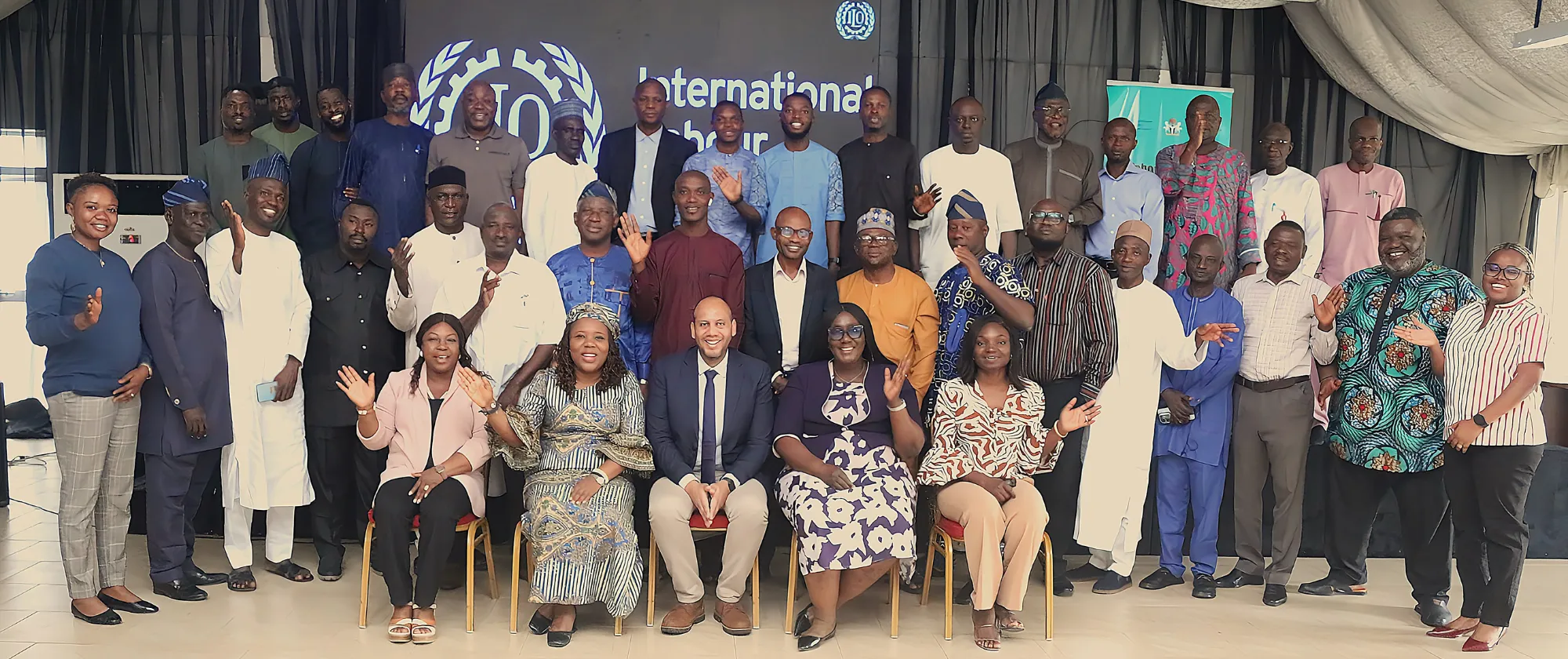
ABUJA, Nigeria (ILO News) - The Workshop on Harnessing Statistics to Report the Role of Social protection in the Elimination of Child Labour took place in Abuja the Federal Capital Territory in Nigeria, as part of the implementation of the ILO’s ACCEL Africa project phase II workplan. The programme created the platform for deliberation by the key actors (national and state level) in the Nigeria’s social protection space.
The ACCEL Africa project aims to leverage partnerships to ensure sustainability of its efforts towards accelerating the elimination of child labour in the cocoa and artisanal small-scale gold mining supply chains in Africa
Dr. Vanessa Phala, ILO Country Director for Nigeria, Ghana, Liberia, Seirra Leone and Liaison Office for ECOWAS.
The training sought to empower stakeholders in Nigeria on the need to contribute to the increase in the social protection coverage, which currently covers 11% of the population and 5% having access to health insurance. This is the lowest rate in sub-Saharan Africa, highlighting the need for improved data collection to better identify and target households at risk of child labour.
Data must not only inform, but also inspire action. Today, as we look at the number, let it guide us towards a future free of child labour in Nigeria
Ismaila Abubakar, Permanent Secretary, Federal Ministry of Labour and Employment.
Participants in the training included officials from the project states (Ondo, Osun and Niger) such as the State Bureau of Statistics, State Operations Coordinating Units, State Contributory Health Commissions, State Health Commissions, the Federal Ministry of Labour and Employment, as well as representatives from Trade Unions, Employers. Other participants came from the Federation of Informal Workers and the Cocoa Farmers Association of Nigeria. Experts from the ILO and the National Bureau of Statistics (NBS) led sessions on child labour indicators, social protection statistics, and the integration of these elements into state surveys.
Statistics will help us track progress, impact made, and also tailor our interventions to make them more effective and sustainable
Judith Tiefie, Asst. Director, NECA.
The training followed a participatory approach, with presentations by research and technical experts from ILO Headquarters, ILO Regional Office for Africa, National Bureau of Statistics (NBS) and interactive discussions among participants. The agenda covered a range of topics, including defining child labour, data sources, survey instruments, measurement challenges, and the development of child labour indicators based on international standards and national legislation.
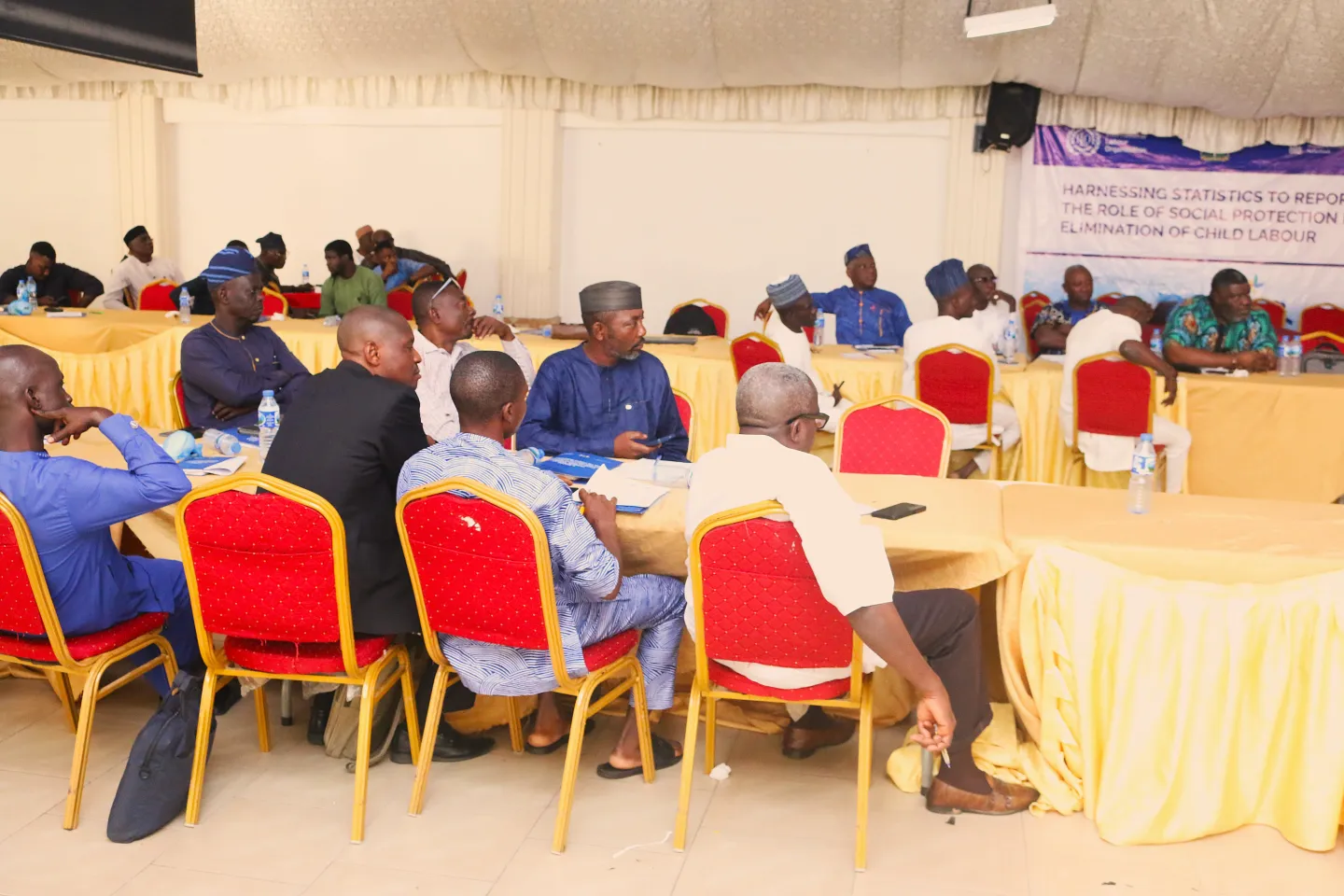
A key outcome from this training was the initiation of draft data elements for child labour and social protection to be included in state survey instruments. This step aims to enable better identification of children and households at risk, allowing for targeted interventions at the state level.
The training is part of broader efforts by the ACCEL Africa project to support Nigeria’s subnational governments in their fight against child labour. By focusing on data-driven approaches, the workshop created a shared understanding of the complexities of child labour and the role of social protection in mitigating its risks.