

Gender Equality Reporting
ILO empowers Ethiopia’s reporting of International Labour Standards
Ethiopia strengthens its commitment to gender equality at work through a three-day ILO training on international labour standards. The workshop equipped government, employers, and workers with tools to improve reporting and policy action. Supported by NORAD, the training lays the groundwork for stronger compliance and future ratifications.
15 July 2025
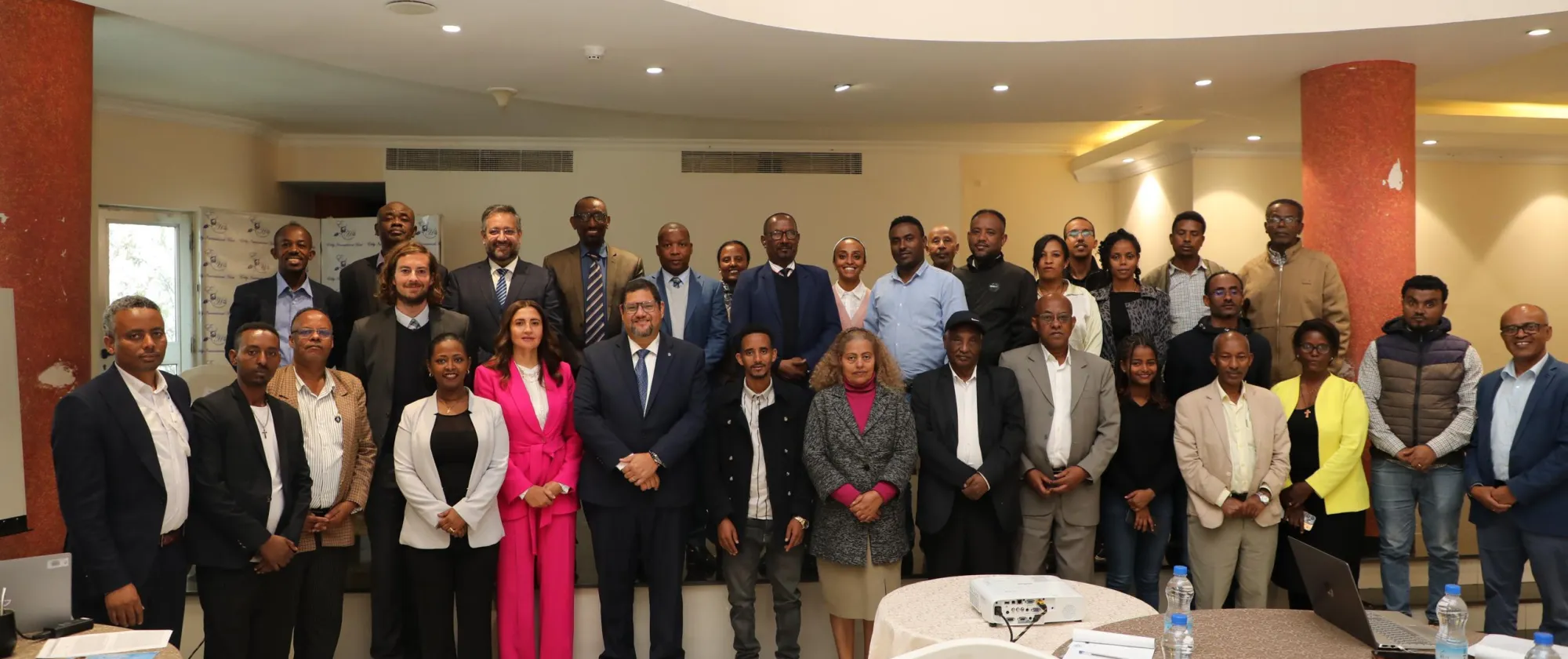
Addis Ababa, Ethiopia (ILO News) - The International Labour Organization (ILO) convened a three-day capacity-building workshop in Addis Ababa, bringing together over 35 representatives from key government ministries, employers’ and workers’ organizations, and civil society to strengthen Ethiopia’s reporting on international labour standards, with a strategic focus on gender equality.
Held under the NORAD-funded project “Promoting Workers’ Rights and Gender Equality at Work in Africa – Phase II,” the workshop was timely and mission-critical. Ethiopia is preparing to submit its 2025 reports to the ILO Committee of Experts on the Application of Conventions and Recommendations (CEACR), including progress on gender-related Conventions No. 100 (Equal Remuneration), No. 111 (Discrimination in Employment and Occupation), and No. 156 (Workers with Family Responsibilities).
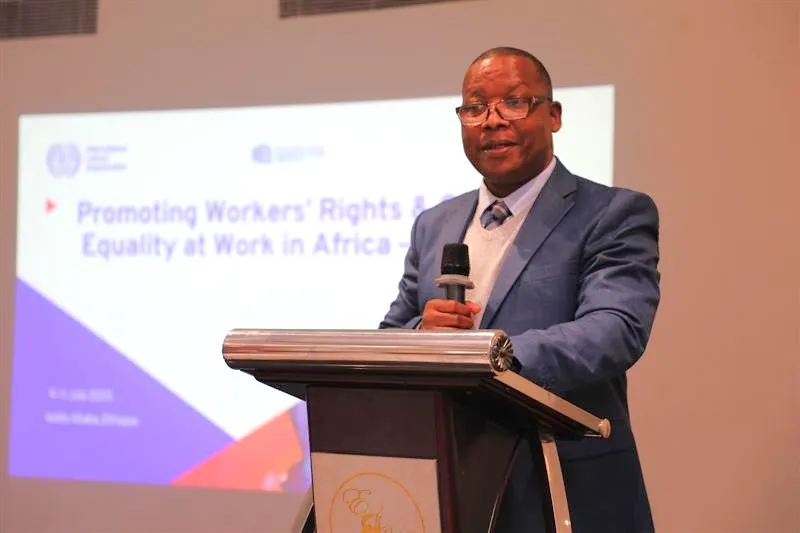
Opening the training, Khumbula Ndaba, Director of the ILO Country Office for Ethiopia, underscored that effective reporting is not just a legal obligation but a strategic opportunity.
Strengthening our reporting capacity allows us to tell a clear and evidence-based story about the challenges Ethiopian workers face, especially women, and the policy measures being taken to address them. In this way, effective reporting becomes a powerful tool for advancing gender-responsive labour policy and reinforcing Ethiopia’s commitment to decent work for all.
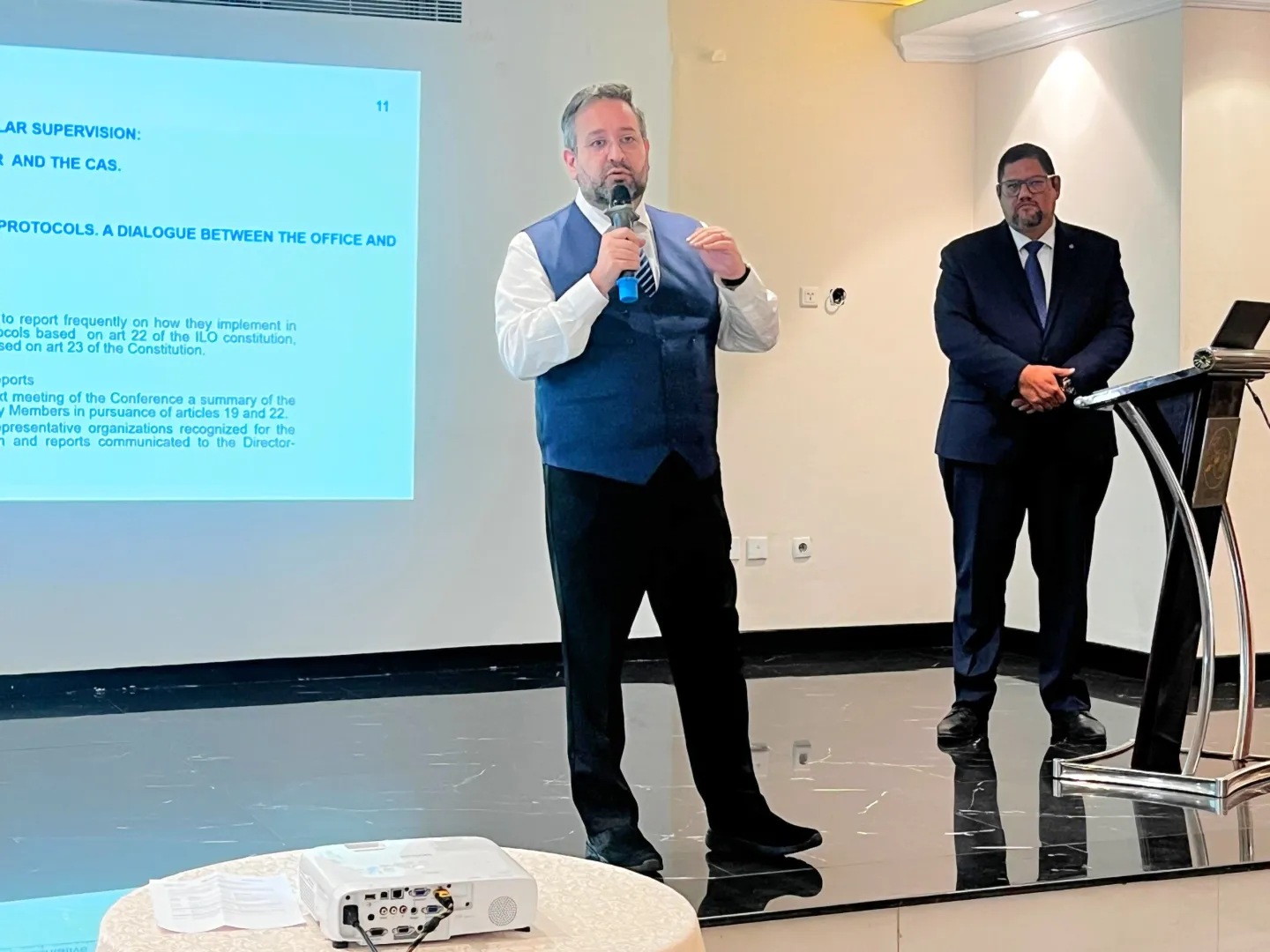
The sessions were both technical and practical. Participants received hands-on training from ILO specialists from Geneva and Cairo on how to draft structured, accurate, and timely reports that align with ILO standards. The workshop included group exercises on responding to CEACR observations, understanding the supervisory system, and integrating gender perspectives in national reports. The Ministry of Labour and Skills, the Ministry of Women and Social Affairs, the Ministry of Justice, Confederation of Ethiopian Trade Unions (CETU), Confederation of Ethiopian Employers' Association (CEEA), Ethiopian Women Lawyers Association (EWLA), Network of Ethiopian Women's Associations (NEWA), the Ethiopian Human Rights Commission, and other key partners contributed actively to the discussions.
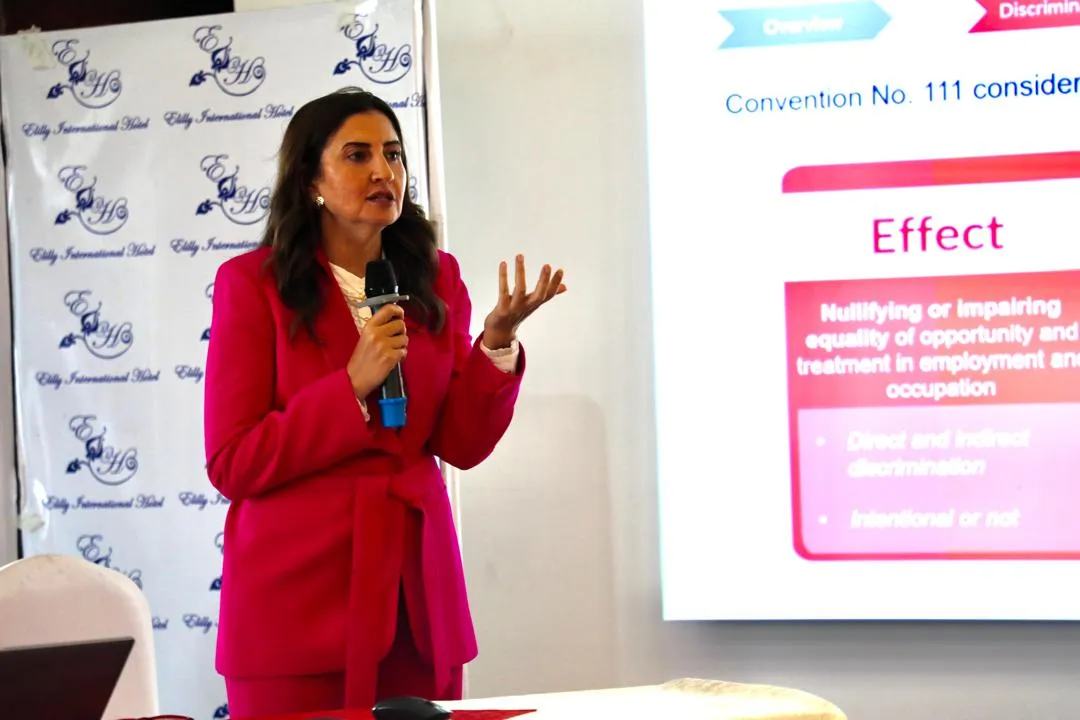
As the training progressed, the focus expanded beyond compliance toward future progress. Participants engaged in dynamic exchanges on unratified yet highly relevant ILO conventions: Convention No. 183 on Maternity Protection, Convention No. 189 on Domestic Workers, and Convention No. 190 on Violence and Harassment in the World of Work. Discussions centered around existing legal frameworks, identified implementation gaps, and developed preliminary roadmaps toward ratification.
This workshop is part of a broader ILO initiative to enhance protections for workers in sectors where women face the greatest barriers, particularly in garment production, agriculture, and domestic work. It builds on progress achieved in Phase I of the project and aligns with the ILO’s Decent Work Agenda and the 2024 ILC Resolution concerning decent work and the care economy.
Gender equality, as emphasized throughout the event, is not just a rights issue, it is an economic and developmental imperative. Fair pay, equal treatment, maternity protection, and safety from violence are essential to building inclusive, resilient workplaces and societies. The training emphasized the transformative potential of accurate and inclusive labour reporting to inform policy, drive reform, and improve lives.
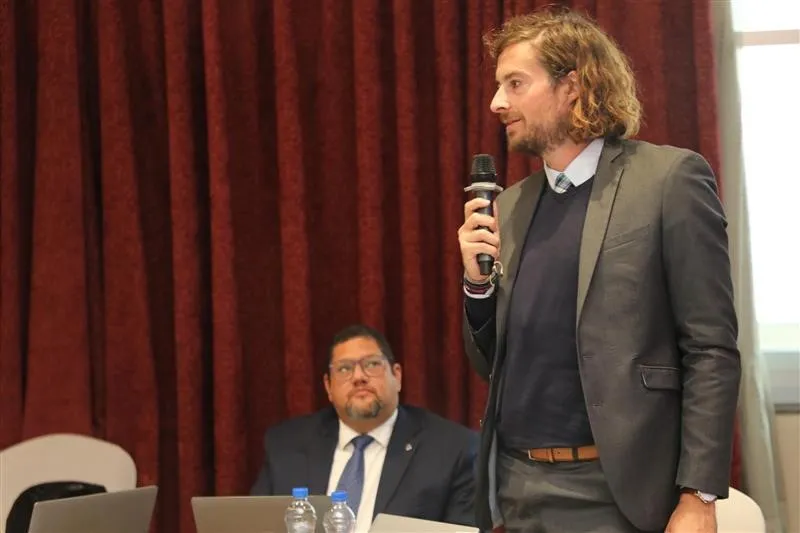
By the end of the workshop, Ethiopian constituents were not only better equipped to meet their upcoming reporting obligations, they were also more unified and energized to drive forward the country's commitment to equality, inclusion, and social justice in the world of work.
The ILO remains committed to supporting its tripartite partners in Ethiopia on this journey, through reporting, policy dialogue, and action that leaves no one behind.
Relevant projects

Project
Promoting workers’ rights and gender equality at work in Africa- Phase II