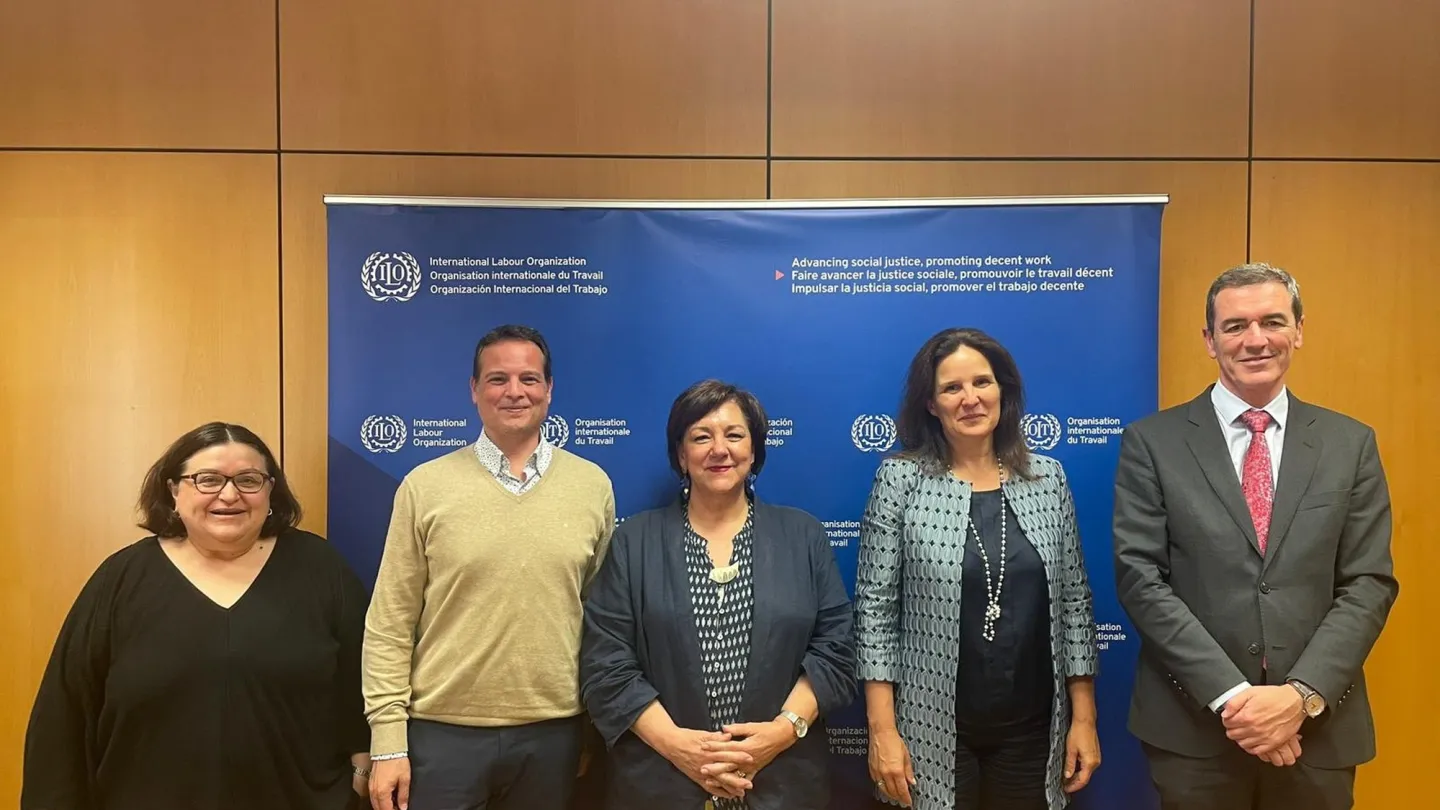
The ILO Director for Europe Meets with the Spanish Government, Employers and Trade Unions
On 7 May in Madrid, Beate Andrees, Deputy Director-General of the ILO and Director for Europe and Central Asia, held a series of meetings with the ILO’s Spanish constituents.
8 May 2025
MADRID (ILO News) – During her official visit, aimed at engaging with governmental, employer and trade-union representatives in Spain, Ms Andrees participated in discussions on the challenges facing the world of work and social dialogue at both global and national levels. She heard directly from ILO constituents about their expectations of the Office, in order to help deliver significant progress on these issues. In the short term, participants also debated the objectives and agenda items for the 113th International Labour Conference, to be held in June in Geneva, and the contributions that Spain’s constituents will make to those debates.
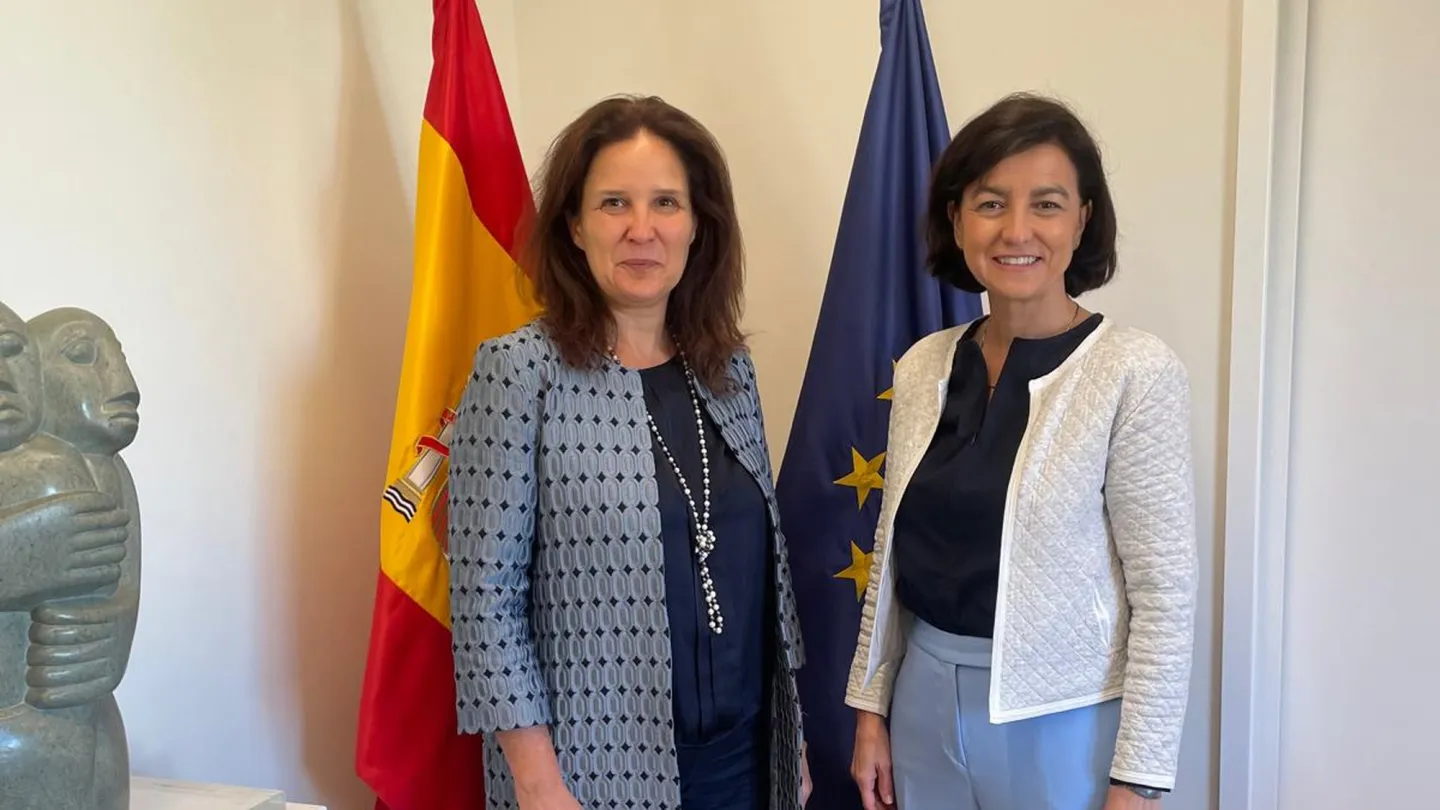
In a meeting with Eva Granados, Secretary of State for International Cooperation, Ms Andrees expressed her gratitude to Spain for its collaboration with ILO work worldwide. They agreed on the importance of including social partners in the governance of institutions and in defining international development cooperation strategies. They also reflected on the significance of the outcomes of the 4th United Nations Conference on Financing for Development, to take place in Seville in July, at which the ILO will be represented by a high-level delegation.
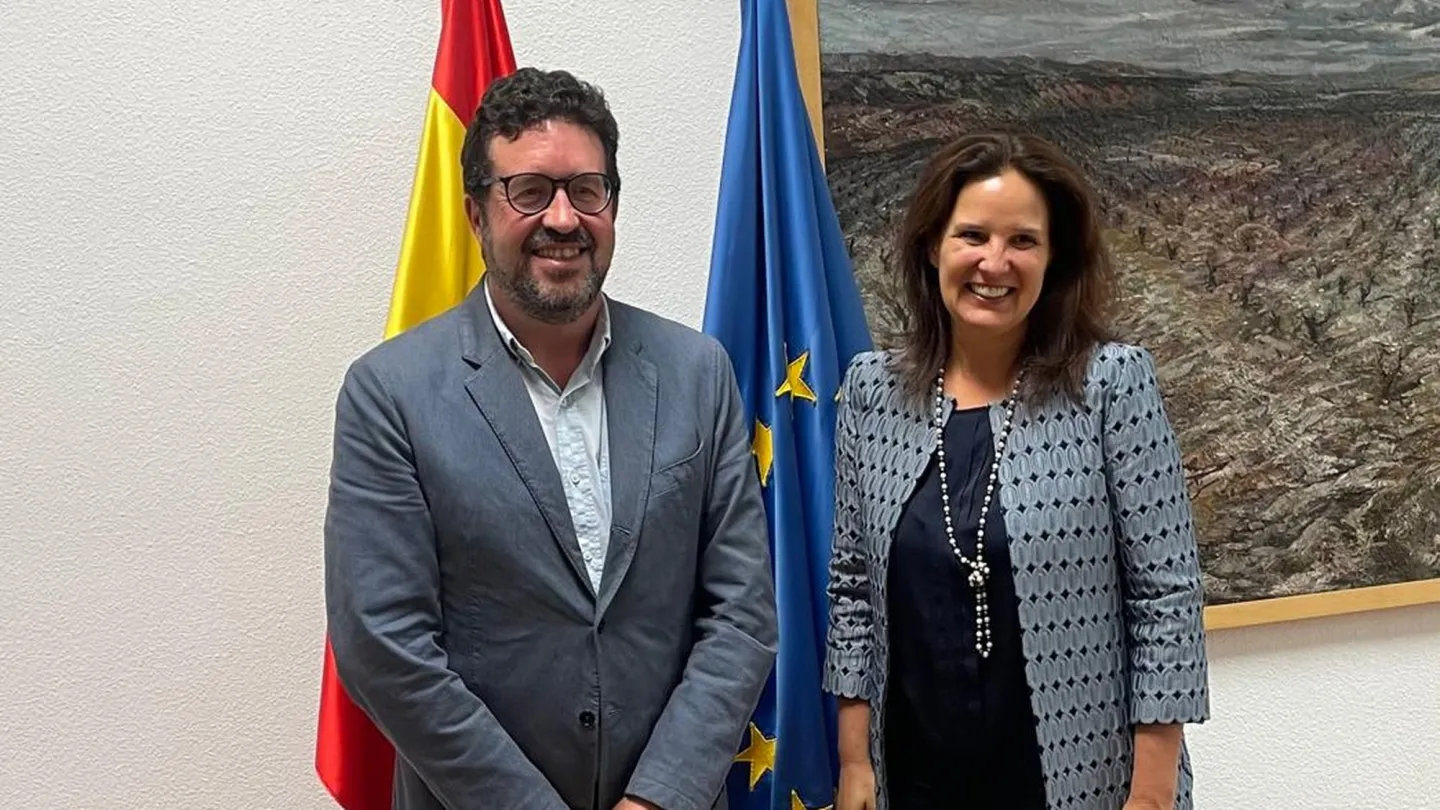
When she sat down with Joaquín Pérez Rey, Secretary of State for Labour, it was noted that Spain has ratified more ILO Conventions than any other country and is currently in the process of ratifying Convention 183 and Convention 191. They reviewed recent social advances in Spain—particularly the results of tripartite social-dialogue agreements on platform work—as well as Spain’s contribution to the forthcoming ILO standard on decent work in the platform economy.
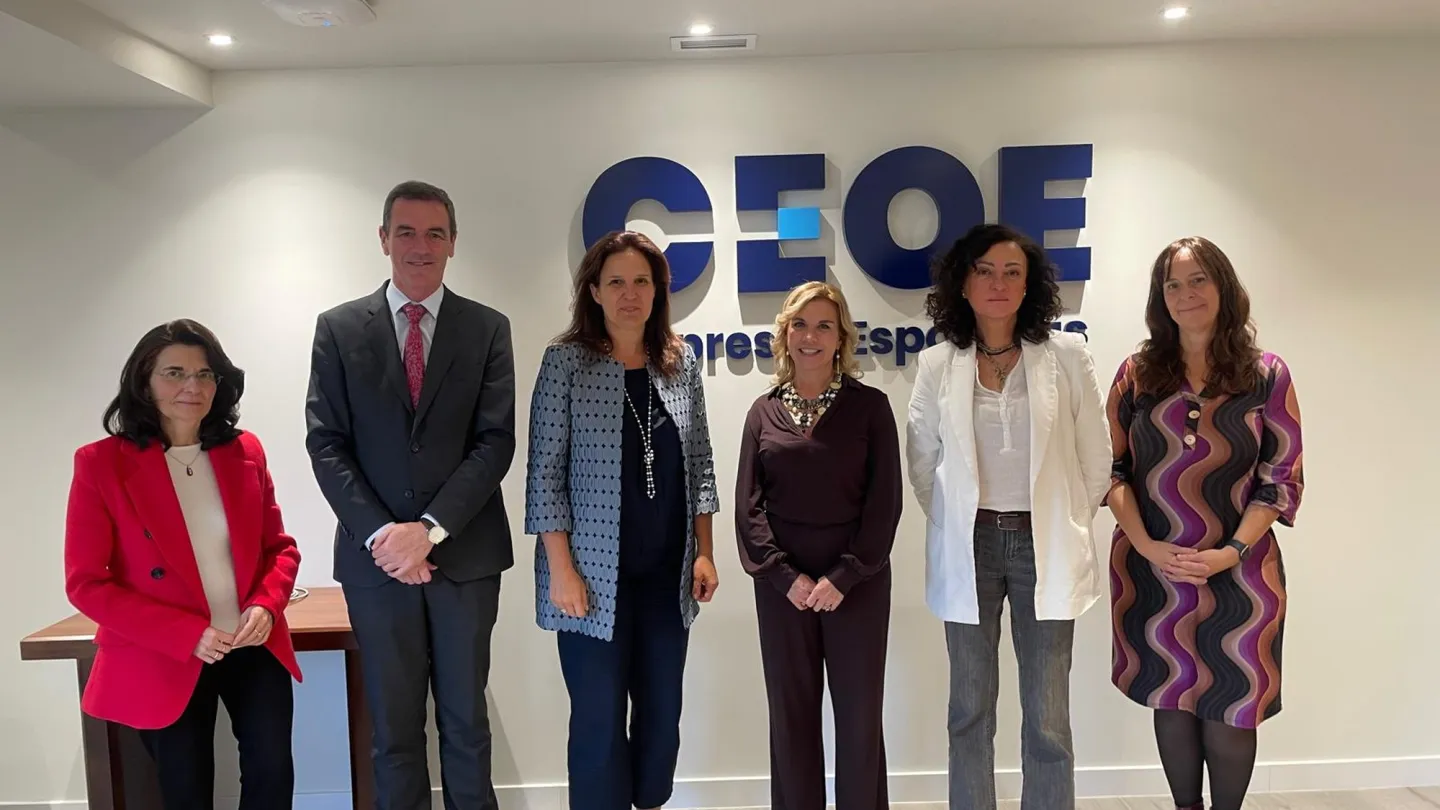
Ms Andrees also held talks with representatives of the employers’ organisations CEOE and CEPYME, who conveyed the historic commitment of Spanish business associations to social dialogue and its fruits in recent years, as well as their views on the current challenges facing social dialogue in Spain.
Finally, in her exchange with the trade-union confederations CCOO and UGT, the unions shared their perspectives on Spain’s labour challenges, highlighted trade-union and worker issues in certain countries, and outlined recent social-dialogue achievements in Spain.