


Quality apprenticeships
ILO champions quality apprenticeships at the SAGE Apprenticeship Summit in Saint Lucia
The ILO’s participation in the SAGE Apprenticeship Summit in Saint Lucia highlighted how Quality Apprenticeships, guided by Recommendation No. 208, can strengthen inclusive skills development, social dialogue, and pathways to decent and green jobs.
8 December 2025
Rodney Bay, Saint Lucia (ILO News) - Held on 4–5 December at the Bay Gardens Hotel in Rodney Bay, Saint Lucia, the Apprenticeship Summit, organized under the Canadian-funded Skills to Access the Green Economy (SAGE) Project, brought together technical and vocational education stakeholders, policymakers, employers, and industry leaders from across CARICOM. The Summit focused on how apprenticeships could drive the region’s transition to a greener economy by equipping workers in sectors such as construction, mechanics, and other trades, with the skills needed to boost productivity, sustainability, and decent work outcomes.
Showcasing regional progress and international best practices
Day 1 featured comprehensive reviews of apprenticeship training and SAGE pilot programmes, including practical insights from apprenticeship tours in Jamaica and Saint Lucia. Participants also benefited from international perspectives, with experts from Alberta and Manitoba sharing lessons from mature apprenticeship systems. Dedicated sessions on women in trades and on preparing youth and adults for skilled occupations underscored the critical importance of equity and inclusion in apprenticeship design.
Distinguished presenters included Emma Pollard, a journey-level scaffolder and national advocate for women in skilled trades; Scott Savoy, Chair of Construction Trades at Red River College Polytechnic; and Chris Waples, Director of Education at the Alberta Pipe Trades College. Their contributions highlighted successful models for upskilling workers and emphasized the essential role of governments in creating enabling environments in which apprenticeship systems can thrive.
ILO spotlight on quality apprenticeships
The ILO’s contribution was delivered by Ilca Webster, Skills and Lifelong Learning Specialist at the ILO Caribbean Office, who presented the Organization’s comprehensive work on quality apprenticeships across the region. Her presentation “Quality Apprenticeships in the Caribbean” demonstrated how ILO Recommendation No. 208 provides a transformative framework for designing apprenticeship systems that are fair, well regulated, inclusive, and responsive to labour market needs.
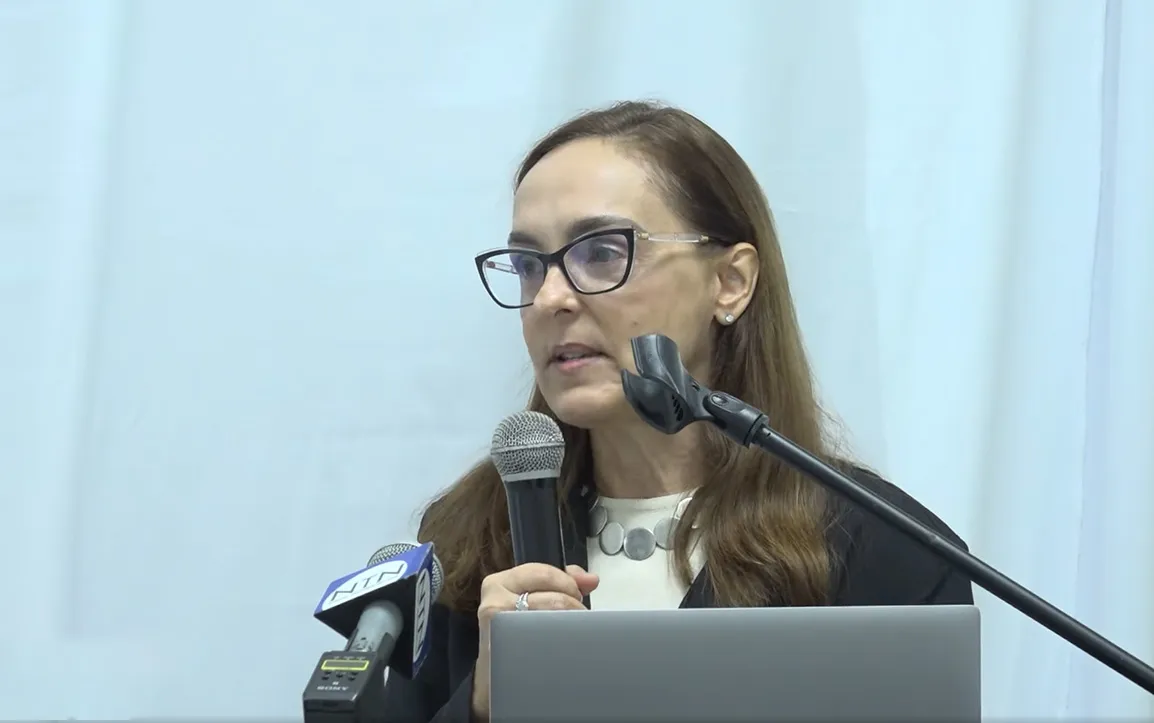
Ms. Webster highlighted concrete ILO technical support delivered in three Caribbean countries:
- Bermuda: A comprehensive review of the national apprenticeship programme to identify strengths and areas for modernization
- The Bahamas: Development of a national apprenticeship policy framework incorporating Recommendation No. 208 principles
- Barbados: Launch of an apprenticeship modernization initiative to align systems with contemporary labour market demands
“The Caribbean has a tremendous opportunity to build apprenticeship systems that not only meet employer demands for skilled workers but also create dignified, sustainable careers for young people and adults seeking to enter or advance in the trades,” Webster noted.
Her presentation also referenced key ILO knowledge resources that informed the regional work, including guidance on unlocking apprenticeship potential in SMEs, addressing the gender divide in skills development, and innovative approaches to financing and incentives for lifelong learning. These evidence-based tools have played a central role in shaping the technical assistance provided to ILO member States.
Building on these reflections, Day 2 focused on action-oriented group work, with participants developing recommendations and solutions across key pillars for successful apprenticeship systems: financing and funding, social dialogue, legislation, standards and qualifications, and governance structures needed to support effective implementation across the Caribbean. These discussions were critical to ensuring that apprenticeships were not only accessible, but also sustainable, portable, and aligned with decent work principles.
The Summit concluded with agreement on next steps, reinforcing a shared commitment to apprenticeships as a driver of youth employment, workforce development, and a skilled green economy in the Caribbean. Through its continued partnership with SAGE and its engagement at the Summit, the ILO reaffirmed its commitment to supporting member States and social partners in building apprenticeship systems that delivered quality learning, social protection, and real pathways to decent work for all.