

ILO certifies new cooperative trainers to strengthen livelihoods and tackle child labour in Nigeria
The International Labour Organization (ILO), through the ACCEL Africa project, has certified a new cohort of cooperative trainers across Ondo, Osun, and Niger States. The initiative is set to enhance cooperative performance, improve livelihoods, and support community driven action against child labour.
2 February 2026
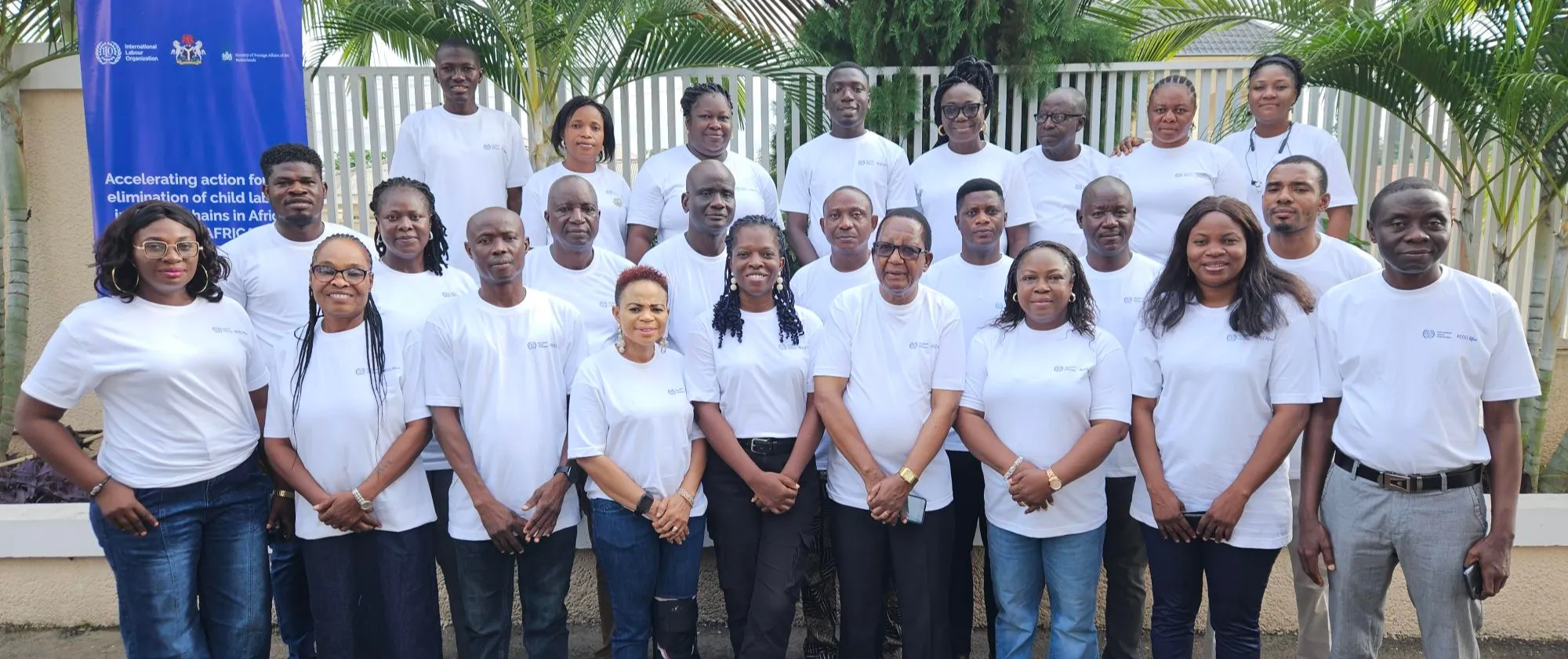
Abuja, Nigeria - The International Labour Organization (ILO), under its Accelerating Action for the Elimination of Child Labour in Supply Chains in Africa (ACCEL Africa) project, has successfully concluded a comprehensive coaching and certification exercise for cooperative trainers in Nigeria. Conducted between 13 and 31 October 2025 across Ondo, Osun, and Niger States, the exercise certified 13 trainer candidates to deliver the ILO’s cooperative development tools—Think.COOP, Start.COOP, and My.COOP—to communities nationwide.
The initiative forms part of ILO’s broader strategy to strengthen cooperative governance and enhance livelihoods in areas where vulnerable households face heightened risks of child labour, especially in cocoa and artisanal small‑scale gold mining supply chains. By equipping trainers with international‑standard methodologies, the programme aims to promote decent work, strengthen local economies, and empower communities with sustainable alternatives that reduce reliance on child labour.
The newly certified trainers completed a rigorous process that included Training of Trainers (ToT), five days of rollout training, and detailed coaching and assessment by an ILO‑certified Master Trainer. Their performance was evaluated against criteria such as mastery of cooperative development content, ability to facilitate participatory learning, use of adult education techniques, and effectiveness in engaging participants.
The coaching and rollout sessions directly benefited 77 cooperative leaders and members, who participated actively in group exercises, problem‑solving tasks, and practical case studies. Pre‑ and post‑training assessments showed substantial improvements in participants’ understanding of cooperative principles, governance, collective marketing, feasibility analysis, and value chain participation.
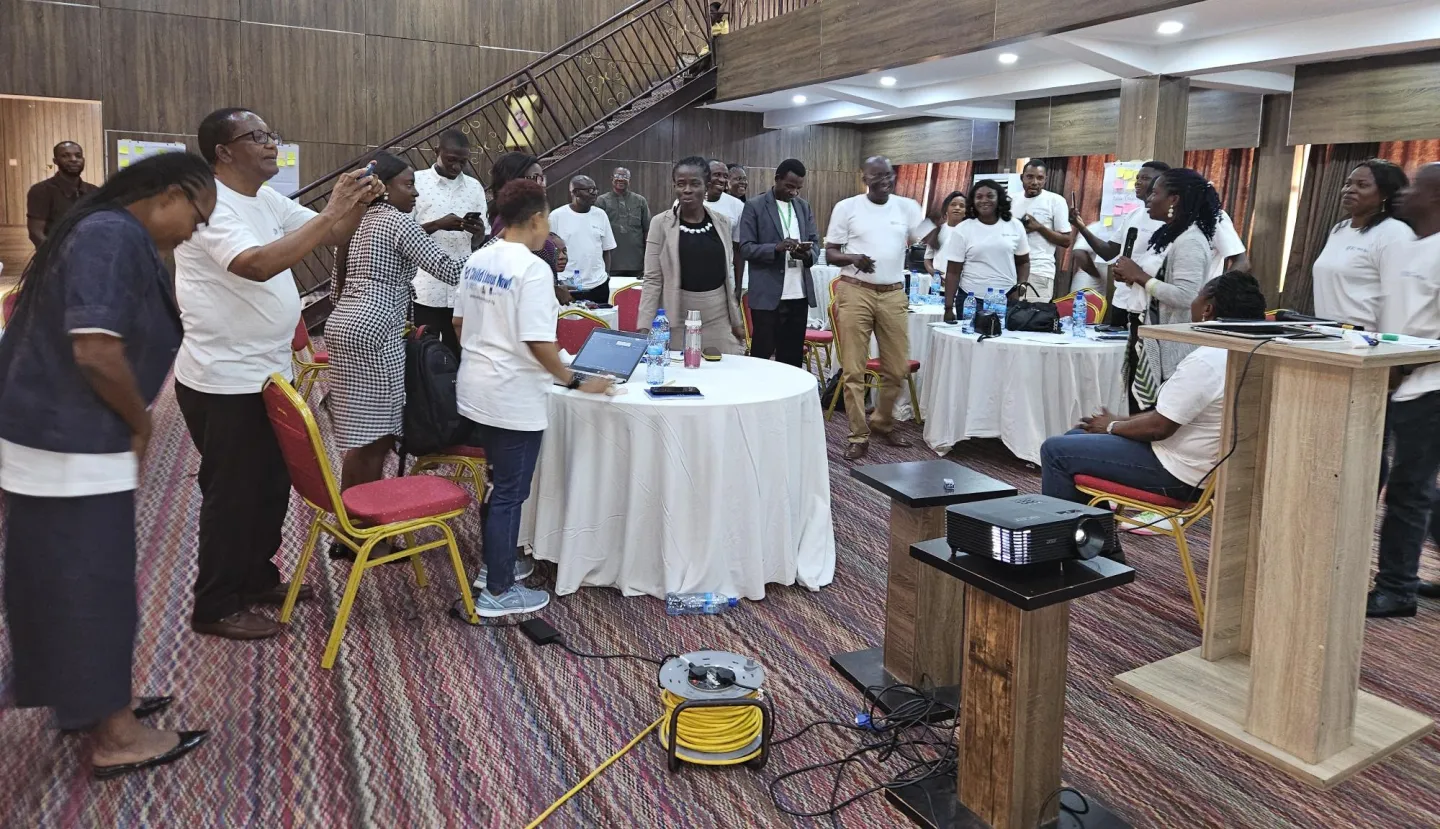
Participants reported gaining:
- Enhanced capacity to reorganize or formalize their cooperatives, informed by realistic business ideas and feasibility studies.
- Improved financial literacy, including the ability to calculate breakeven points, identify viable markets, and price products competitively.
- Stronger teamwork and decision‑making skills, reinforced through collective action simulations and participatory exercises.
- Clearer strategies to address governance gaps, including gender inclusion, transparency, and accountability.
These strengthened capacities are expected to catalyze the revitalization of cooperatives in cocoa‑producing and mining communities, improving members’ incomes and resilience. With better‑managed cooperatives offering stronger services, communities are better positioned to reduce economic vulnerabilities that drive child labour.
The report recommends continuous mentoring for trainers, translation of training tools into local languages, and further deployment of certified trainers to support cooperative development across additional communities.
By certifying a new generation of trainers, the ILO has expanded Nigeria’s capacity to promote decent work, strengthen cooperative enterprises, and foster community‑led solutions to child labour. The initiative stands as a key step toward empowering local actors to drive sustainable development and protect the rights and dignity of children.