

Cooperatives
ILO and partners present roadmap to strengthen rural cooperatives and advance formalization of the rural economy in Chile
24 July 2025
SANTIAGO (ILO News) — On Thursday, 24 July 2025, the Division of Associativity and Cooperatives (DAES), the National Institute of Associativity and Cooperativism (INAC-CORFO), and the International Labour Organization (ILO) presented a document aimed at strengthening cooperativism in rural areas of Chile.
This partnership resulted in the creation of the document titled “Proposed Roadmap to Promote Associativity and Rural Formalization through Cooperativism in Chile.” The initiative aims to empower cooperatives in remote rural areas and to recognize cooperatives as drivers of social and economic transformation.
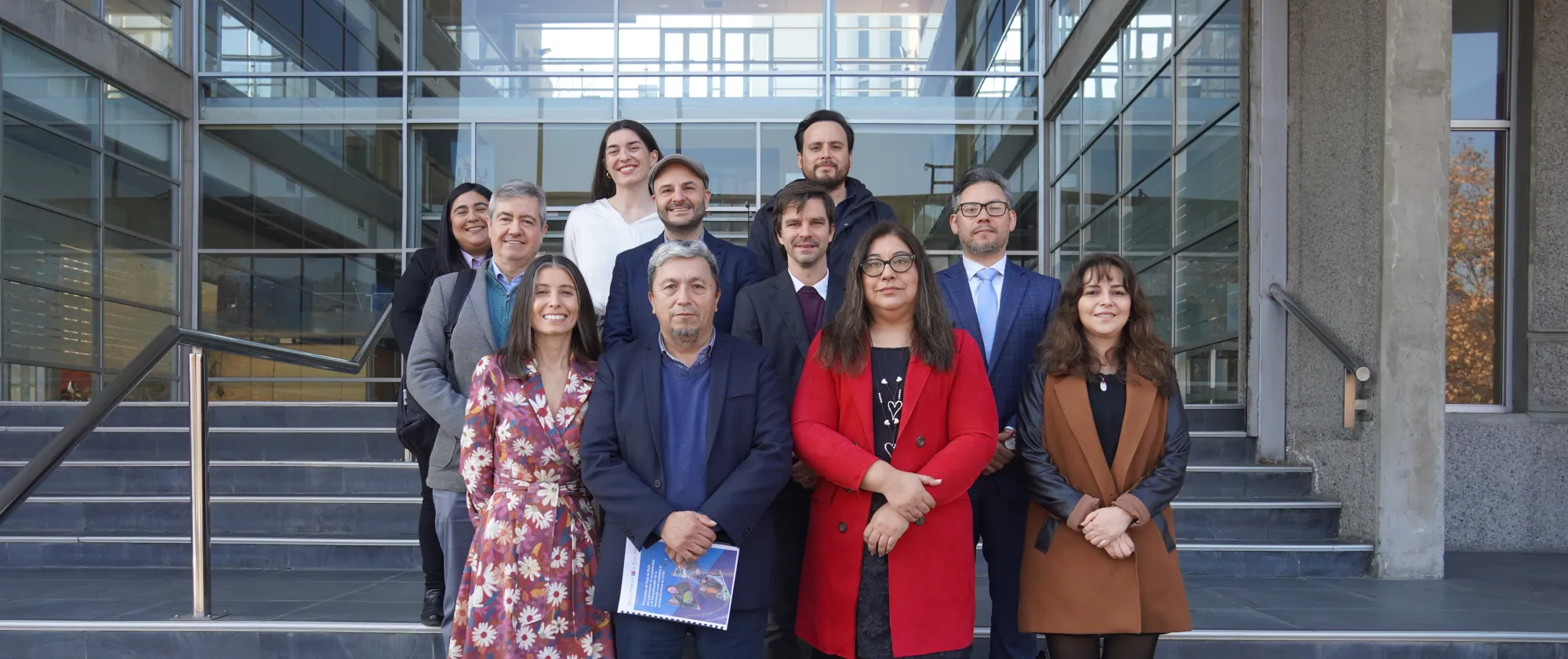
The event was attended by Juan José Montes, Head of DAES; Agustín Mariano, President of the Institute of Associativity and Cooperativism (INAC) and President of Campocoopel; and Gerson Martínez, Officer-in-Charge of the ILO Office for the Southern Cone of Latin America.
This document seeks to highlight the contribution of these types of enterprises, promote them as an effective means to transition toward the formalization of the economy, and also to promote decent work for people.
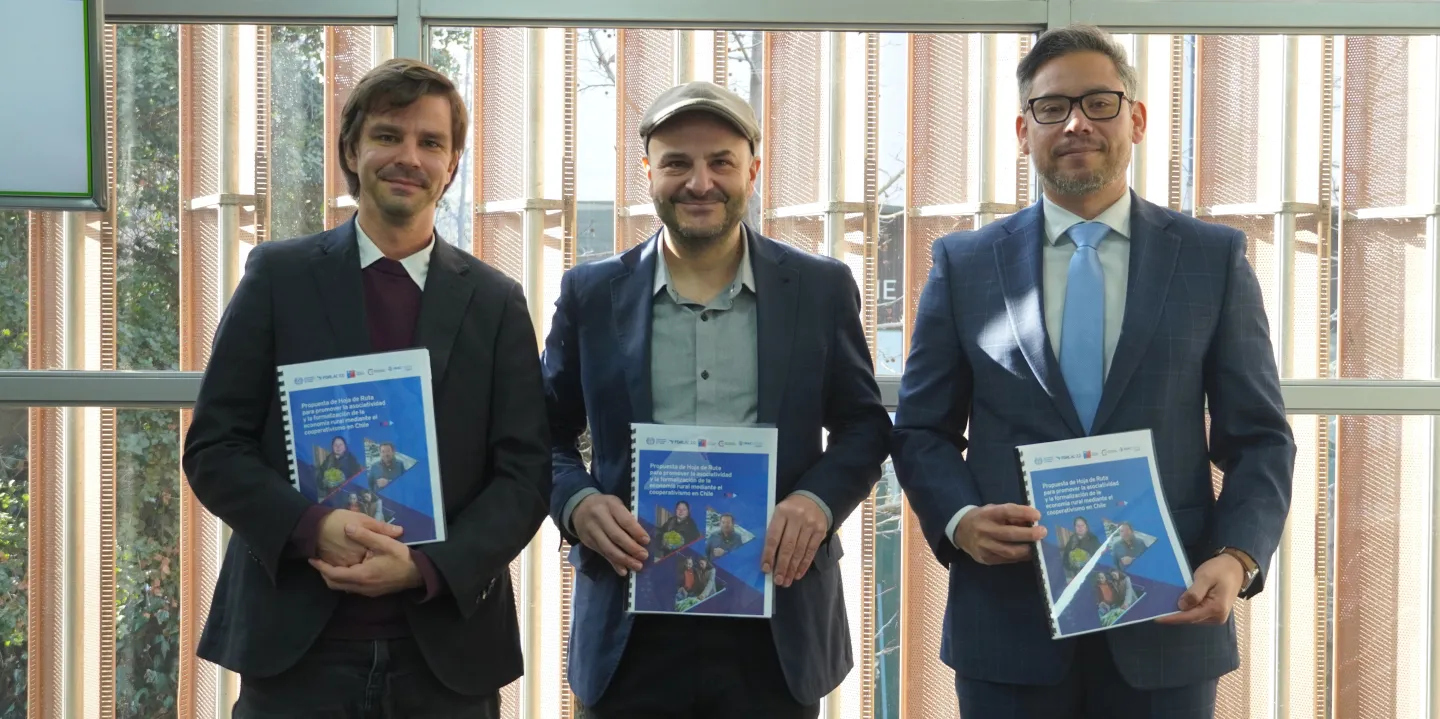
Juan José Montes, Head of DAES, stated: “This proposed roadmap allows for continued progress in national cooperativism through social dialogue and consensus-building. The document also marks a significant milestone in a tripartite alliance to strengthen cooperatives in both their daily and long-term needs.”
Meanwhile, Cristóbal Navarro Marshall, Executive Director of INAC, explained: “This roadmap represents a tremendous opportunity to enhance cooperativism through coordination between the Chilean public sector and international organizations. It will serve as a tool to promote associativity and improve working conditions in the rural economy through cooperativism. At INAC, we take on the responsibility of building consensus around it with various stakeholders to facilitate its implementation.”
The document first presents a diagnosis of the sector, followed by potential solutions to the challenges identified, and finally outlines the next steps. Regarding this last point, the roadmap proposes three strategic pillars:
- Productive development and cooperative business model
- Organizational, business, and governance strengthening
- Development of the cooperative ecosystem and its social impact
The roadmap suggests that its implementation be led by DAES and INAC, which will coordinate joint efforts through decentralized working groups with tripartite participation—involving the state, workers, and cooperative organizations.
On the challenges to be addressed, Gerson Martínez, Officer-in-Charge of the ILO Office for the Southern Cone of Latin America, emphasized: “The roadmap we are presenting today is a strategic tool that integrates public policy, territorial evidence, international standards, and practical methodologies. It aligns with the ILO’s Strategy for Formalization in Latin America and the Caribbean (FORLAC 2.0) and proposes concrete interventions across three key areas: productive development, organizational strengthening, and consolidation of the cooperative ecosystem.”
The event concluded with the signing of the agreement by all participating organizations. While this roadmap is a flexible proposal, it is expected that the recommendations outlined in the document will serve as a foundation for advancing the strengthening of rural cooperativism in Chile.