

ILO And Nigerian Government Agree To A National Digital Repository For Waste Pickers In Nigeria
9 September 2024
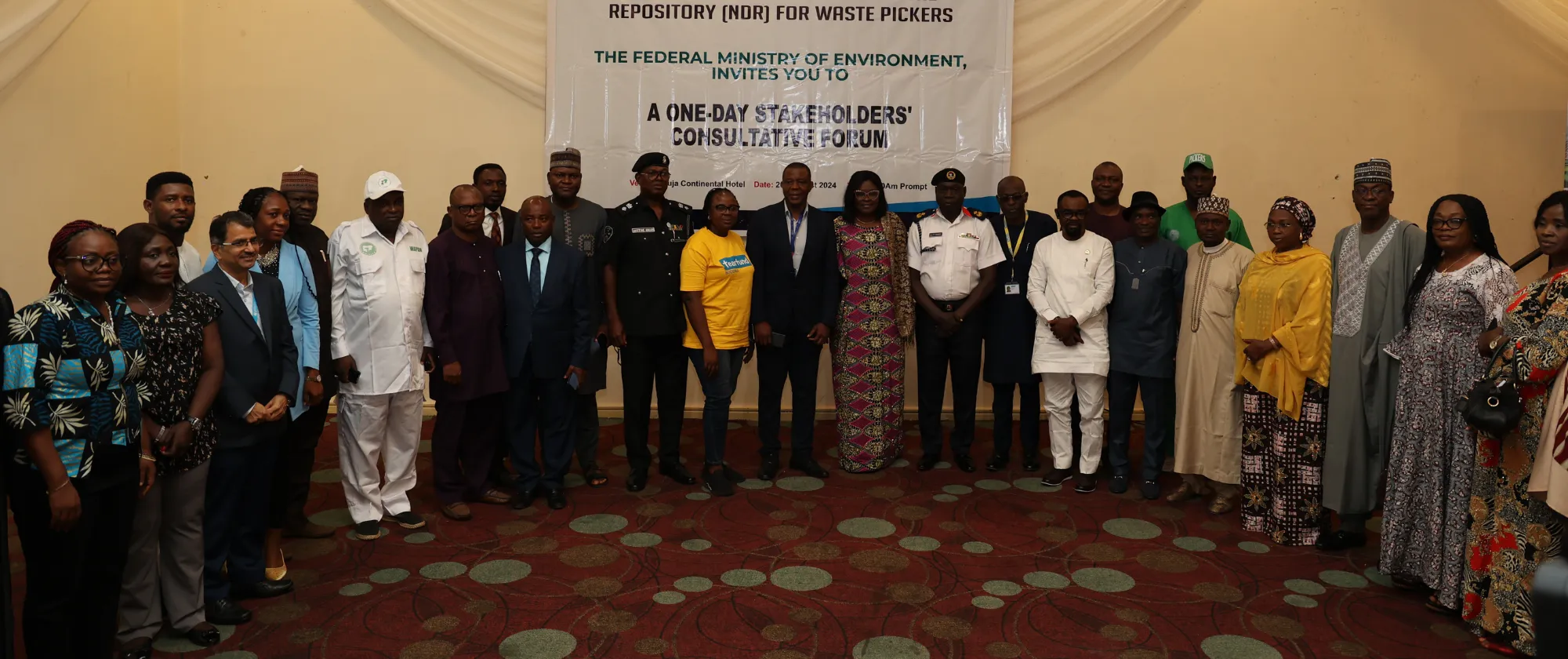
The ILO, Federal Government of Nigeria, and other stakeholders, during a national consultative meeting agreed to a National Digital Repository for waste pickers to streamline their operations.
With technical and funding support from the ILO, the Federal Government of Nigeria along with Tearfund Nigeria and other stakeholders held a consultative meeting to chart a new course for waste management in the country. The participants unanimously agreed to develop a National Digital Repository for Waste Pickers to manage their peculiar challenges of exclusion, victimization, marginalization, unorganized operations, and inhumane working conditions.
The Director of the ILO Country Office for Nigeria, Ghana, Liberia, Sierra Leone and Liaison Office for ECOWAS, Ms Vanessa Phala, presented a welcome remark. Speaking through Stephen Agugua, the National Project Coordinator, Social Dimension of Ecological Transition Project, she affirmed that the digital repository would help to address the multitudes of challenges faced by waste pickers in performing their duties. She regretted the neglect and human rights abuses the waste pickers faced which might have exposed them to criminality. She called for their inclusion in line with the International Bill of Human Rights and the ILO Declaration on Fundamental Rights and Principles at Work.
The Minister of Environment, Hon. Balarabe Abbas Lawal, represented by the Director, Pollution Control and Environmental Health at the Federal Ministry of Environment, Omotunde Adeola who delivered the keynote, address called for the repositioning of waste pickers management in Nigeria to make the environment more conducive for living. He noted that waste pickers face a lot of challenges due to the public perceptions about their activities and the lack of coordination to make them more effective.
According to him, the global waste generated stood at about 2.01 billion metric tonnes of solid waste each year, out of which Nigeria generated about 32 metric tonnes of which 2.5 million tonnes of this is plastic waste. This significantly impacts the environment, society, and human health, constituting an increasingly global and national challenge. When managed well, waste offers opportunities for the creation of green jobs in the circular economy as well as address climate change by reducing carbon and methane emissions. He noted that these considerations prompted the interventions and actions of ILO within the waste sector.
He emphasized that ‘as a UN agency, the ILO was championing the Fair Circularity Principles which, applies the expectations and responsibilities outlined in the UN Guiding Principles on Business and Human Rights to the informal waste sector.” He urged stakeholders to acknowledge the responsibility to respect the rights of informal waste workers by preventing and addressing human rights impacts experienced by those workers, in line with the international best practices. He asserted that the proposed digital repository would promote greater integration of the informal waste sector into a formal value chain and identify and address barriers to promoting rights-respecting practices in informal waste management.
Benjamin Osawa from Tearfund expressed optimism about Nigeria’s steps towards legitimizing waste pickers’ activities, recognizing their critical role in the nation’s economic development. He highlighted that the consultative forum has provided a valuable platform for stakeholders to contribute to the development of the digital repository.
The UNICEF’s Climate Change Manager, Chiranjibi Tiwin, pointed out that waste pickers were at the forefront of waste management, yet they often work informally under hazardous conditions. Tiwin reaffirmed UNICEF’s commitment to supporting the initiative, particularly through its Youth for Climate Action in Nigeria (YOU-CAN) initiative, which aims to involve young people in plastic waste management.
The commissioner of police FCT command, Benneth Igweh, represented by Austine Aniah, promised to make Abuja safe for the smooth execution of all programmes. He regretted that 50 percent of waste pickers were responsible for crimes committed in Abuja.
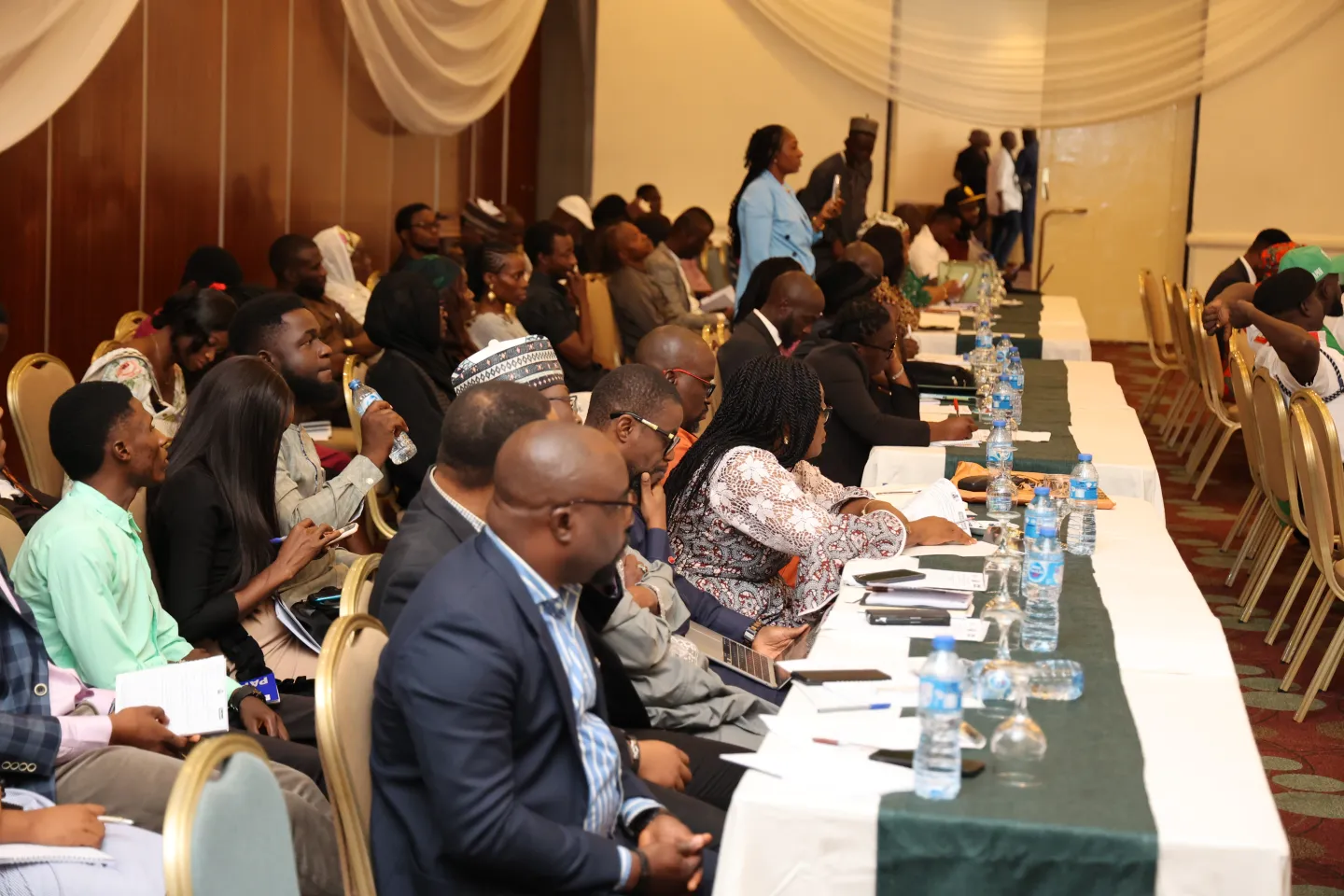
The forum, co-hosted by Tearfund Nigeria had 122 participants drawn from ILO partners, Ministries, Departments, Agencies, and other stakeholders. A communique released at the end of the meeting called for social inclusion and integration of pickers into the value chain by developing a digital repository of waste pickers and providing special, valid, and reliable identification that should be readily available to the public.