

ILO and Nepal’s Human Rights Commission collaborate to advance equality and dignity at work
The initiative supports the Commission’s role in promoting accountability and ensuring that international labour standards translate into stronger protection for workers.
8 May 2026
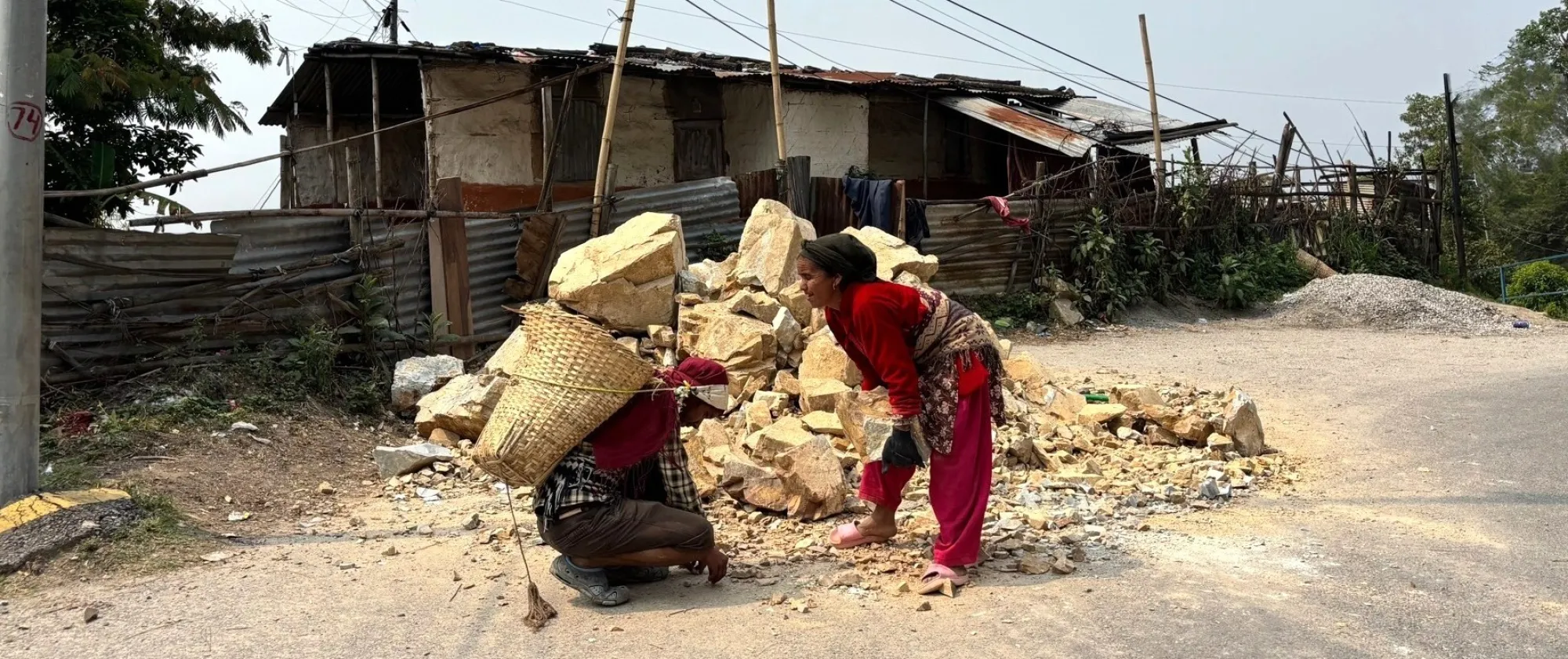
KATHMANDU (ILO News) –While Nepal has made important commitments to uphold labour rights, many workers continue to face persistent challenges in practice. Women, in particular, are more likely to be engaged in low-paid, insecure and informal work, often without access to social protection, written contracts, or effective grievance mechanisms. Many earn less than the minimum wage, and cases of workplace discrimination, violence and harassment remain underreported and inadequately addressed.
The collaboration between the National Human Rights Commission (NHRC) of Nepal and the International Labour Organization (ILO) is helping to strengthen national systems to better protect these workers. By enhancing the capacity of human rights institutions to monitor, investigate, and report labour rights violations, the initiative aims to close the gap between existing laws, and the realities workers face every day.

At the opening of the event, Numan Özcan, ILO Country Director for Nepal shared, “Equality at work is not just a legal commitment, it must be a lived reality for every worker. Through our partnership with NHRC, we aim to strengthen accountability and protection for all workers. Together, we can turn international labour standards into real change in people’s daily lives.”
The expected impact is tangible. Workers will benefit from:
- Improved enforcement of equal pay and non-discrimination laws, helping reduce gender wage gaps
- Stronger protection against workplace violence and harassment, including in the informal economy
- Greater accountability for violations, ensuring that abuses are documented and addressed
- Better access to justice and remedies, particularly for vulnerable and underserved groups

Strengthening these protections is not only about compliance with international labour standards, but also about improving everyday lives. It means that a domestic worker can work without fear of abuse, a woman farmer can earn fairly for her labour, and a young worker can enter the workforce with dignity and safety.
The initiative also supports Nepal’s progress in aligning with key ILO international conventions on equal remuneration (Convention No. 100), non-discrimination (Convention No. 111), and the elimination of violence and harassment in the world of work (Convention No. 190). By reinforcing the role of national institutions such as the NHRC, it contributes to building a more inclusive, gender-equitable and rights-based labour market.

As Nepal continues its efforts toward sustainable and equitable development, ensuring that all workers and everyone associated with the world of work, regardless of gender, sector, or background, can work in conditions of freedom, equality, and security remains central.
For more information, please contact:
Nistha Rayamajhi
Communications Officer
ILO Country Office for Nepal