

RBC campaign
ILO and Apindo join forces to promote an innovative workplace campaign on responsible business conduct in Indonesia
The ILO and the Indonesian Employers’ Association (Apindo) inspire electronics supply chain companies to promote responsible business practices with innovative campaign using vlog.
24 November 2025

JAKARTA, Indonesia (ILO News) - Three winning video blogs (vlogs) on Responsible Business Conduct (RBC) were announced on 17 November at a ceremony entitled “Responsible Business Conduct for Decent Work: Video Blog Competition Award.” The awards were officially presented by Darwoto, Head of Employment Affairs of the Indonesian Employers’ Association (Apindo), and Tauvik Muhamad, ILO National Coordinator for the Resilient, Inclusive and Sustainable Supply Chains (RISSC) Project.
Funded by the Government of Japan’s Ministry of Health, Labour and Welfare (MHLW), the RISSC project aims to build more resilient, inclusive and sustainable supply chains by addressing decent work deficits.
This event is a celebration of the importance of responsible business... Apindo is very pleased with this initiative, as we play an active role in ensuring that RBC extends across Indonesia’s entire ecosystem.
Darwoto, Head of Employment Affairs of the Indonesian Employers’ Association (Apindo)
The competition was jointly organized by the ILO’s RISSC Project and Apindo as part of their advocacy efforts to promote RBC in Indonesia’s electronics supply chain. The winning entries were selected from a long list of submissions from electronics companies, with jurors from Apindo, the Association of Electronic Companies (Gabel) and the ILO.
“This event is a celebration of the importance of responsible business, which has now evolved from a trend into a necessity for businesses at every level of the supply chain. Apindo is very pleased with this initiative, as we play an active role in ensuring that RBC extends across Indonesia’s entire ecosystem, helping the country remain competitive while upholding ethical standards,” noted Darwoto.
The winning video tells the story of a worker with a disability, demonstrating that despite physical challenges, he is equally productive and skilled as other workers. The second placed video highlights workers’ rights to take leave without interference, while the favourite video highlights opportunities for job transition and reskilling available to workers affected by occupational accidents.
“I almost gave up, as making a video was not easy. Yet, representing the trade union, this issue is important and we hope the video can inspire all of us while encouraging employers to open more doors for people with disabilities,” shared Yanto Adrianto from the Panasonic Gobel Workers' Federation, the first‑place winner. Meanwhile, Yopi Ferdian from the trade union of PT PGI, the runner up, said: “We hope that our video can inspire other companies, because taking leave is the labour right of all workers.”
Social dialogue is key
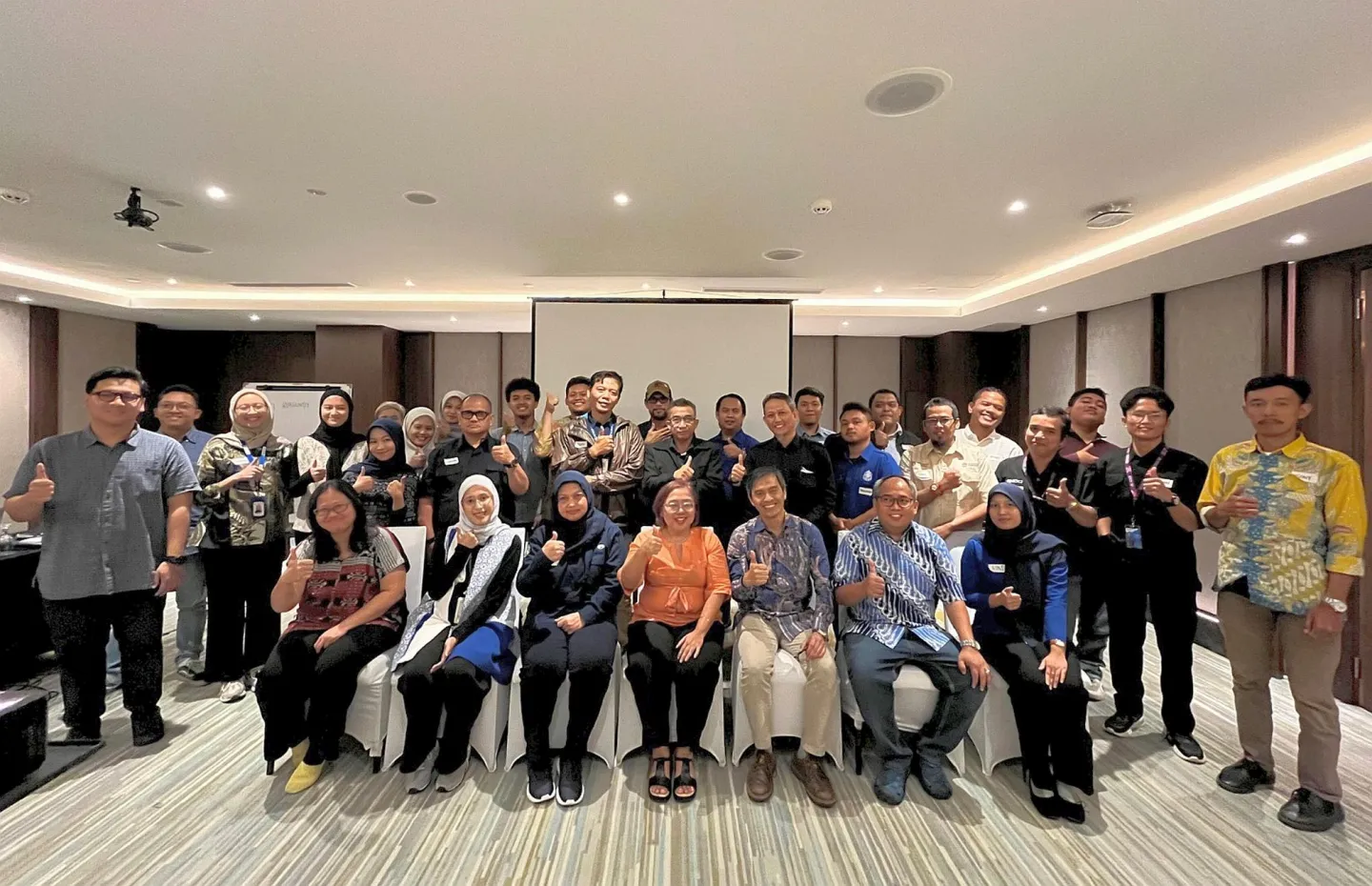
Prior to the competition, 24 participants from 12 electronics supply chain companies joined a two‑day training held in July 2025 on how to create effective and engaging video blogs. On the first day, participants learned about the ILO’s Fundamental Principles and Rights at Work (FPRW), which represent universal human rights applied to the workplace. These principles include freedom of association and collective bargaining, the elimination of forced or compulsory labour, the abolition of child labour, the elimination of discrimination in employment and the promotion of a safe and healthy working environment.
The ILO hopes to inspire supply chain companies to document and showcase responsible business through innovative campaigns.
Tauvik Muhamad, ILO National Coordinator for the Resilient, Inclusive and Sustainable Supply Chains (RISSC) Project
On the second day, participants were trained to use their smartphones to produce vlogs, capture images, develop compelling storylines and edit videos. They were also able to select topics from the five main themes of the FPRW. Following the training, participants received two weeks of practical coaching and mentorship from professional videographers to support them throughout the production process until the finalization of their vlogs.
“The ILO hopes to inspire supply chain companies to document and showcase responsible business through innovative campaigns. Video blogs, which can be widely disseminated through social media, can reach workers young and old. Through this vlog training, we hope enterprises will develop their own RBC campaigns that promote the ILO’s FPRW, universal human rights applied to the workplace, in creative and engaging ways,” remarked Tauvik.
During the discussion session, representatives from both the trade union and Apindo shared their perspectives: Sulistri, Secretary General of the Food, Beverage, Tourism, Restaurant, Hotel and Tobacco Workers' Union Federation of the Confederation of All Indonesian Labour Unions (Kamiparho‑KSBSI) and Myra Hartani, Apindo’s Head of Employment Regulation Committee.
Both agreed that social dialogue is key to the effective implementation of RBC at the enterprise level and praised the good practices showcased in the winning vlogs. “Through social dialogue, all parties can reach win‑win solutions. I am pleased with the good practices shown in the vlogs,” said Sulistri. Myra added: “Social dialogue is not only important, but essential and I hope it will be embraced by Apindo’s member companies.”
The initiative concluded with Apindo assuming ownership of the campaign, publishing all videos on its website and social medias to promote RBC among member companies. Participating companies will also screen the videos internally as part of their own campaigns, ensuring they reach management and employees across their organizations.

Related content
Tripartism and social dialogue
Resilient, Inclusive and Sustainable Supply Chains Asia (RISSC) in Indonesia
Relevant projects

Tripartism and social dialogue
Resilient, Inclusive and Sustainable Supply Chains (RISSC) in the Philippines
ILO-Japan Partnership
Automotive Supply Chain Programme in Thailand

Tripartism and social dialogue
Resilient, Inclusive and Sustainable Supply Chains Asia (RISSC) in Thailand

Tripartism and social dialogue
Resilient, Inclusive and Sustainable Supply Chains Asia (RISSC)