

Child Labour
Honduras takes a key step toward establishing a Child Labour Monitoring and Remediation System in the coffee sector
A Child Labour Monitoring and Remediation System (CLMRS) is an active and structured process aimed at identifying, preventing, and remediating child labour at the local level.
22 May 2025
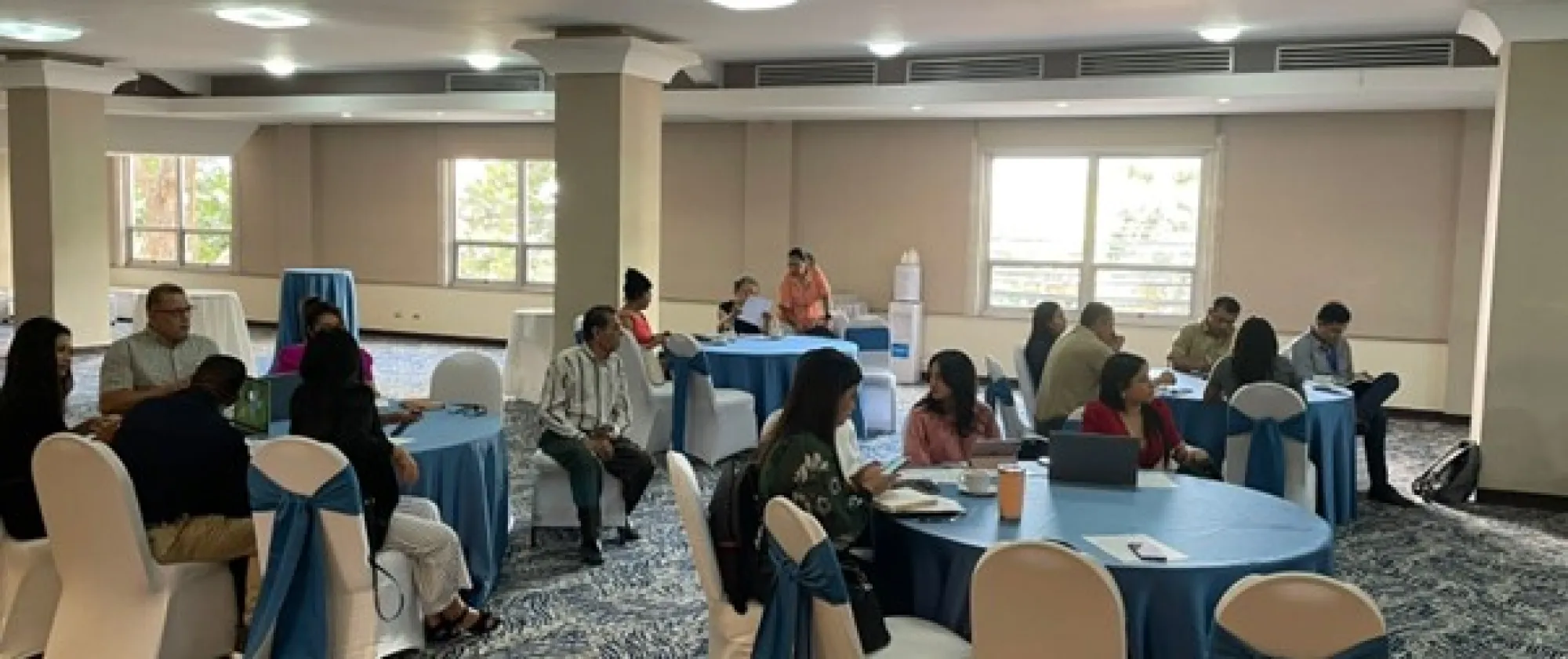
Tegucigalpa, HONDURAS (ILO News) – As part of the CLEAR Supply Chains project: “Ending Child Labour in Supply Chains”, funded by the European Union and implemented by the International Labour Organization (ILO) in collaboration with UNICEF, the FAO, and the International Trade Centre (ITC), a participatory workshop was held to discuss the development of a Child Labour Monitoring and Remediation System (CLMRS).
This activity was part of the technical assistance provided by the ILO to the General Directorate of Social Welfare of the Ministry of Labour and Social Security (SETRASS), aimed at developing a diagnostic assessment of the conditions necessary to establish a CLMRS in Honduras.
What is a CLMRS?
A CLMRS is an active and structured process designed to identify, prevent, and remediate child labour at the local level. The system includes key functions such as: a) Direct and repeated observation in communities and workplaces; b) Risk assessment of the conditions children are exposed to; c) Referral to appropriate services such as education, health, or social protection; d) Follow-up to ensure the child’s situation has improved.
The system is grounded in national child labour legislation and aims to establish a sustainable process involving local authorities, communities, employers, workers, and social services. It is also aligned with international ILO conventions, such as Convention No. 182 on the Worst Forms of Child Labour and Convention No. 138 on the Minimum Age for Admission to Employment.
The technical workshop aimed to deepen understanding of the CLMRS and foster dialogue among key stakeholders. Participants included representatives from the Delegation of the European Union in Honduras, FAO, UNICEF, ITC, and three companies affiliated with the Child Labour Platform (CLP). Also in attendance were officials from the Ministry of Labour and Social Security, Ministry of Human Rights, Ministry of Children, Adolescents and Families, Ministry of Agriculture and Livestock, DIGIPESCA-SAG, PRONAGRO-SAG, and representatives from the national trade union confederations CUTH and CTH.
Throughout the day, working groups were formed to discuss the scope of the CLMRS at the community, municipal, and national levels, as well as potential public-private partnerships for its effective implementation.
This effort represents a significant step forward in building a robust national system for the prevention and elimination of child labour, reaffirming the commitment of Honduras and its international partners to children's rights and the prevention of child labour in supply chains.
For more information about the CLEAR Supply Chains Project in Honduras, please contact: Karla Matamoros Rodriguez, National Coordinator, [email protected]
Related content

Child labour
CLEAR Supply Chains: Ending child labour in supply chains
Relevant projects
Child labour
CLEAR Supply Chains: Ending child labour in supply chains