

Sustainable development
Haiti: Participatory planning lays the foundations for peace and livelihoods in Artibonite
Communities in Haiti’s Artibonite department come together for a three-day participatory planning process to shape a new ILO and WFP initiative, supported by the United Nations Peacebuilding Fund, which links livelihoods, decent work and peacebuilding.
27 April 2026
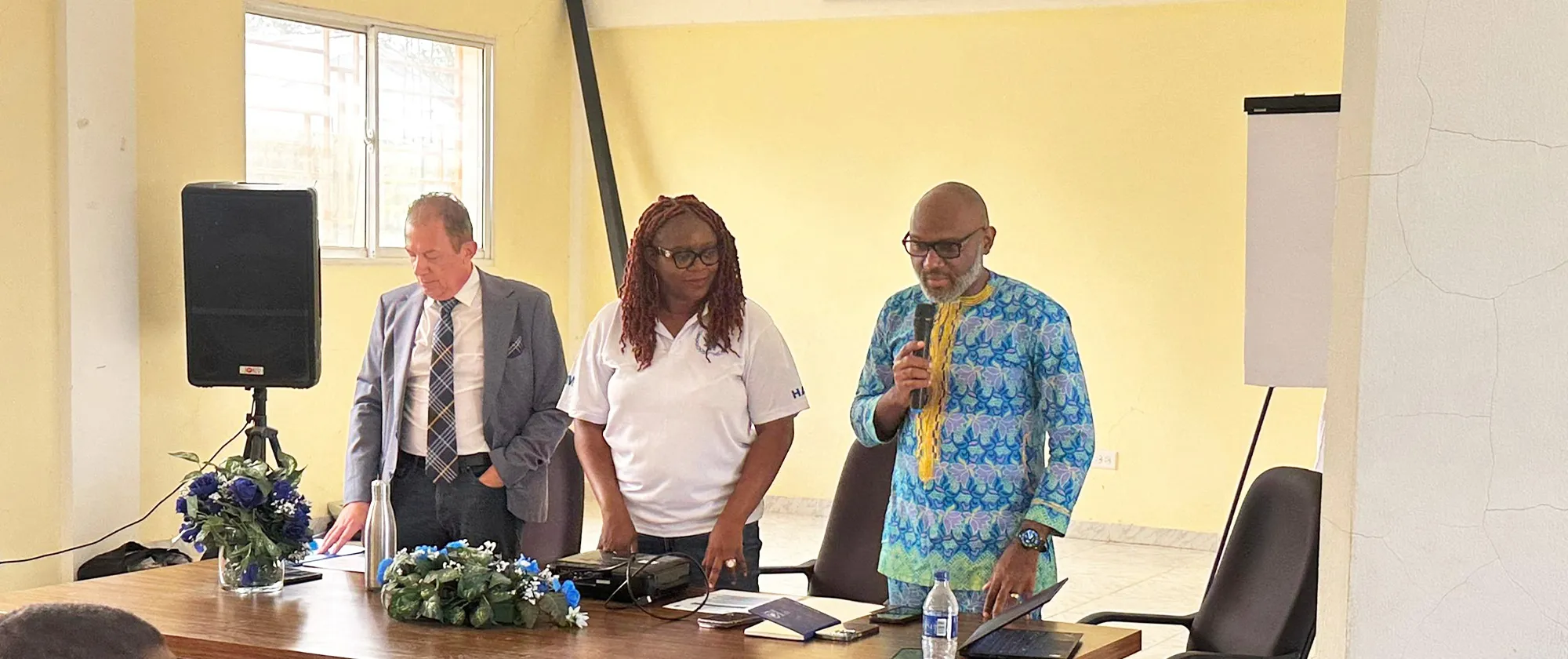
GONAÏVES, Haiti (ILO News) – Local stakeholders in Haiti’s Artibonite department have taken a crucial first step towards recovery and peacebuilding through a three-day participatory planning process that places communities at the heart of solutions to their problems. From 23 to 25 April 2026, local authorities from the Administrative Council Communal Section (CASEC), community-based organisations (CBOs), civil society groups and farmers gathered in Gonaïves and Saint-Michel-de-l'Attalaye to define priorities and identify beneficiaries for a two-year programme funded by the United Nations Peacebuilding Fund (PBF) and jointly led by the International Labour Organisation (ILO) and the World Food Programme (WFP).
This planning process marks the official launch of the project entitled ‘Strengthening peace and social cohesion through socio-economic resilience along inclusive value chains for vulnerable populations in the Artibonite department’. This initiative will support smallholder farmers, strengthen inclusive agricultural cooperatives and establish a community-based mechanism to monitor social tensions and socio-economic needs. This mechanism is designed to anticipate and defuse conflicts before they escalate.
Running until February 2028, the project aims to identify lessons that can be replicated in other priority areas across Haiti. UNDP, IOM and UNICEF are also active partners expected to make valuable contributions to this project within the broader PBF portfolio in the country
A collective approach in a fragile context
Haiti continues to face a complex socio-economic and security crisis, marked by increased population displacement, food insecurity and pressure on natural resources. In Artibonite – the country’s main rice-producing region – these challenges intensify competition for livelihoods and heighten the risk of local tensions.
“This participatory process is essential to ensure that the project meets real needs on the ground,” said Fabrice Leclercq, ILO Country Coordinator in Haiti. “By bringing together communities, authorities and partners from the outset, we are strengthening ownership, trust and the foundations for sustainable impact.”
From planning to action
The project will focus on strengthening the rice value chain to create jobs and improve the incomes of vulnerable groups, particularly internally displaced persons and returnees. It will also give particular priority to women and young people, who often face the greatest barriers to economic participation in fragile contexts. Activities will include support for agricultural cooperatives, skills development and improved market access. It is important to note that the project will connect farmers with strategic markets, notably through the WFP school feeding programme.
This process forms part of the ILO’s Approach to Inclusive Market Systems (AIMS), which prioritises capacity-building for producers alongside improved market access in order to bring about sustainable and systemic change. It also reflects the ILO’s broader approach to promoting decent work as a pathway to resilience and peace in fragile contexts.
Laying the foundations for sustainable impact
As implementation begins, the outcomes of the three-day consultations will guide activities on the ground, helping to ensure that aid reaches those who need it most whilst fostering cooperation and trust. In a context where top-down approaches often struggle to gain traction, this locally-led launch sends a clear message: sustainable peace and development begin with inclusive local dialogue and shared ownership.