

Cooperative development
Guyana strengthens its fisheries cooperatives with ILO-FAO training initiative
This initiative forms part of the broader FISH4ACP effort, an OACPS-led programme implemented by the FAO, and funded by the European Union and the German BMZ, to improve value chains across Africa, the Caribbean, and the Pacific.
2 June 2025
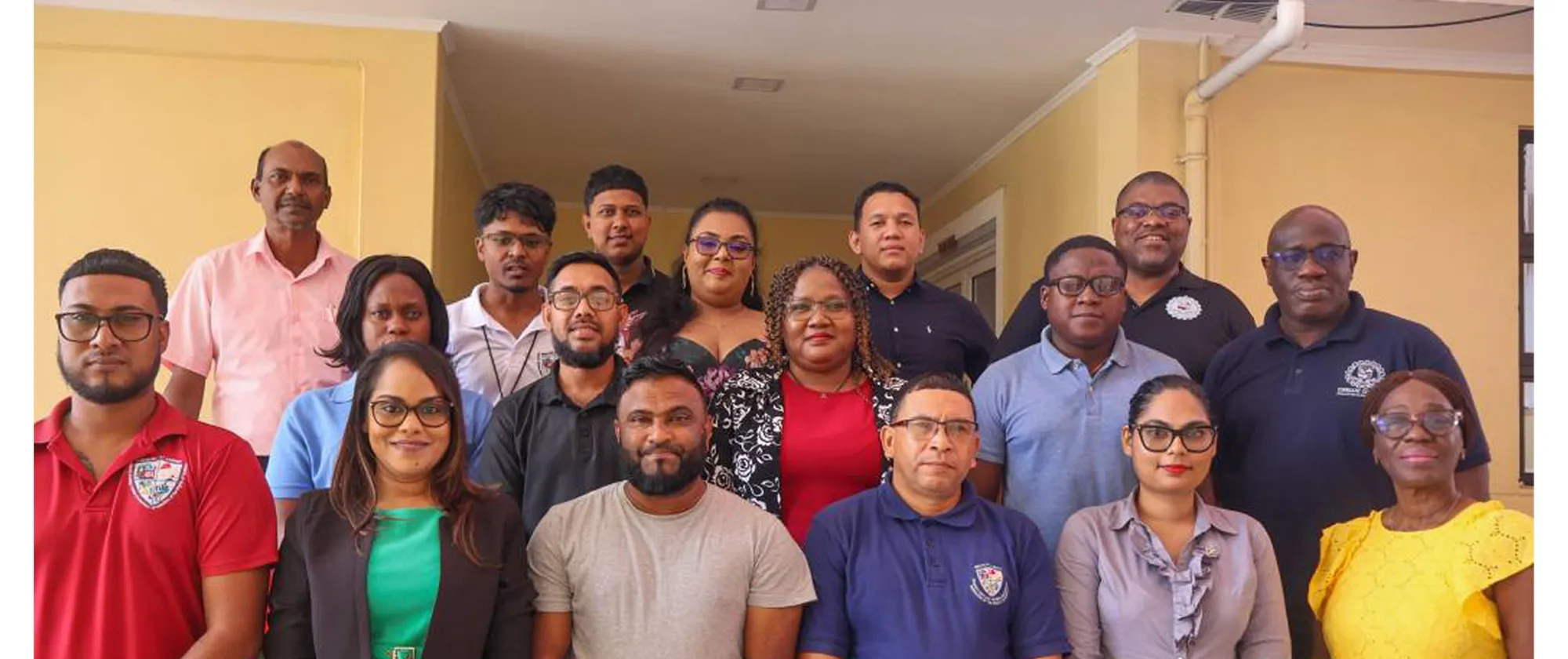
GEORGETOWN, Guyana (ILO News) – In a significant stride towards empowering fishing communities and revitalizing the cooperative movement in Guyana, the Ministry of Labour, through its Department of Cooperatives and Friendly Societies, successfully wrapped up a four-day Training of Trainers (ToT) programme held from 27-30 May 2025. The initiative, conducted in collaboration with the International Labour Organization (ILO) and the Food and Agriculture Organization (FAO) under the FISH4ACP Programme, reflects Guyana’s growing commitment to sustainable livelihoods and social justice through decent work. This particular training which included officers of the Fisheries Department of the Ministry of Agriculture, supported a key exchange between officers of both ministries thereby enabling further future collaboration in benefit of the cooperatives.
The training is part of a broader national agenda to strengthen artisanal fisheries cooperatives, particularly those engaged in the Atlantic seabob value chain, a vital segment of the country’s blue economy. It exemplifies how targeted capacity-building can translate policy into meaningful impact at the community level. This effort supports the 2025 International Year of Cooperatives, aligning with global efforts to position cooperatives as key actors in achieving inclusive, equitable, and sustainable development.
The Programme emphasized hands-on strategies for delivering technical assistance and for retooling cooperatives as resilient economic engines in the fisheries value chain. “We’re not just training officers—we’re empowering community builders,” said Mr. Colin Bartholomew of the Cipriani College of Labour and Co-operative Studies, who led the sessions. “The goal is to help fishers transform their cooperatives into thriving, member-centered enterprises.”
Through the ToT model, participants from the Department are now better equipped to provide targeted, high-quality support to fisheries cooperatives. The training emphasized practical strategies to help cooperatives operate as efficient, member-driven enterprises that respond to both the economic and social needs of fishers.
With strategic partnerships and capacity-building at the core, the Ministry is laying the foundation for stronger institutions that can drive decent work, gender equity, and social protection in coastal communities. The Ministry of Labour remains steadfast in its commitment to community empowerment, improved livelihoods, and the promotion of decent work, which are core values championed by the ILO.
Highlighting the impact and collaborative spirit of the Programme, John Bliek, ILO Specialist, Sustainable Enterprise Development and Job Creation, stated: “This training, as part of the excellent collaboration between ILO and FAO Fish4ACP, really supports a key request of the Ministry to strengthen the institutional capacity of its Cooperative Department. The training will enable the officers to exchange with their peers from the Ministry of Agriculture, and it will help them to grow in their role of supporting not only the compliance of the cooperatives but also their growth and performance.”
This initiative forms part of the broader FISH4ACP effort, an OACPS-led programme implemented by the FAO, and funded by the European Union and the German BMZ, to improve value chains across Africa, the Caribbean, and the Pacific.