

Care economy
Government and development partners unite to advance care economy in Bangladesh
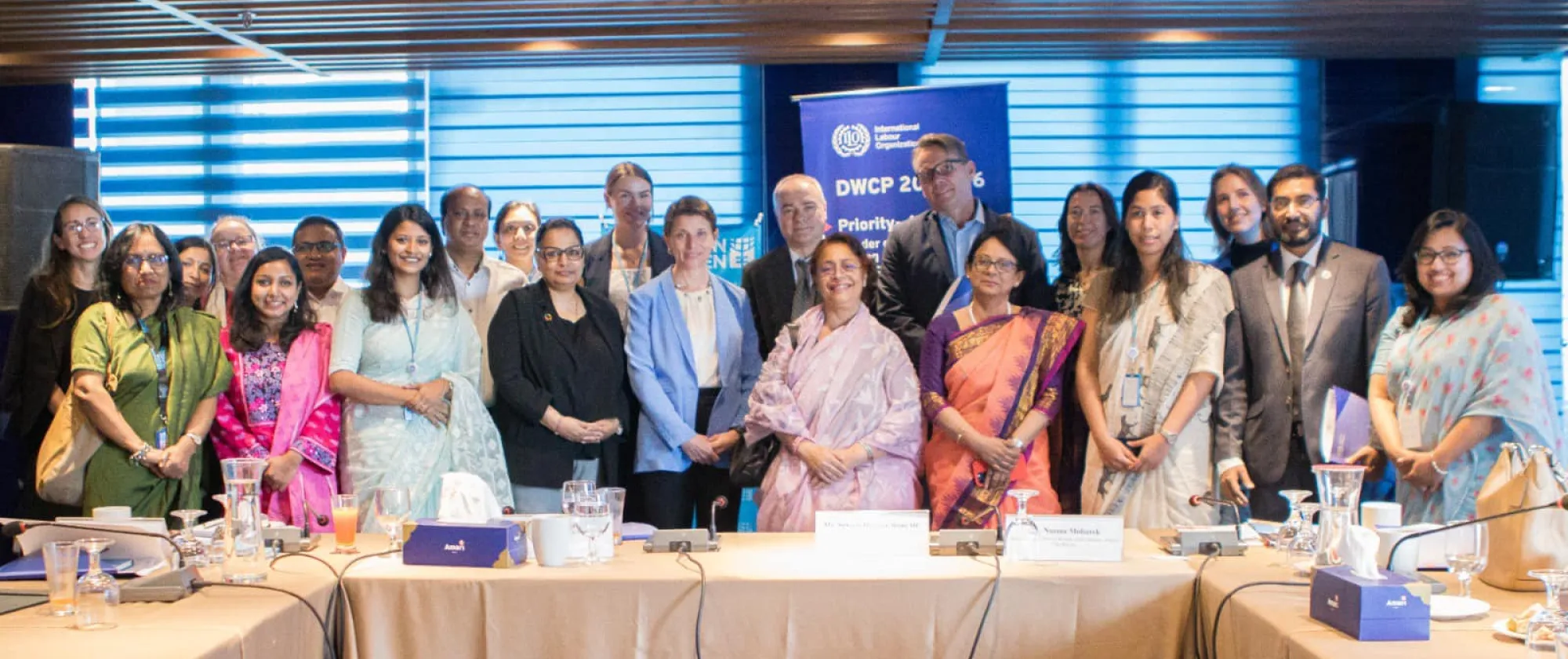
ILO and UN Women organized a dialogue titled "Transforming the Care Economy in Bangladesh" with the participation of government officials and development partners held on 7 May 2024, under the leadership of the Ministry of Women and Children Affairs (MoWCA).
7 May 2024
DHAKA (ILO News)- A recent Time Use Survey by the Bangladesh Bureau of Statistics, supported by UN Women, revealed that Bangladeshi women perform over seven times more unpaid care and domestic work than men. This work, largely invisible and undervalued, is linked to traditional household roles deeply rooted in cultural norms and considered to be low-skilled.
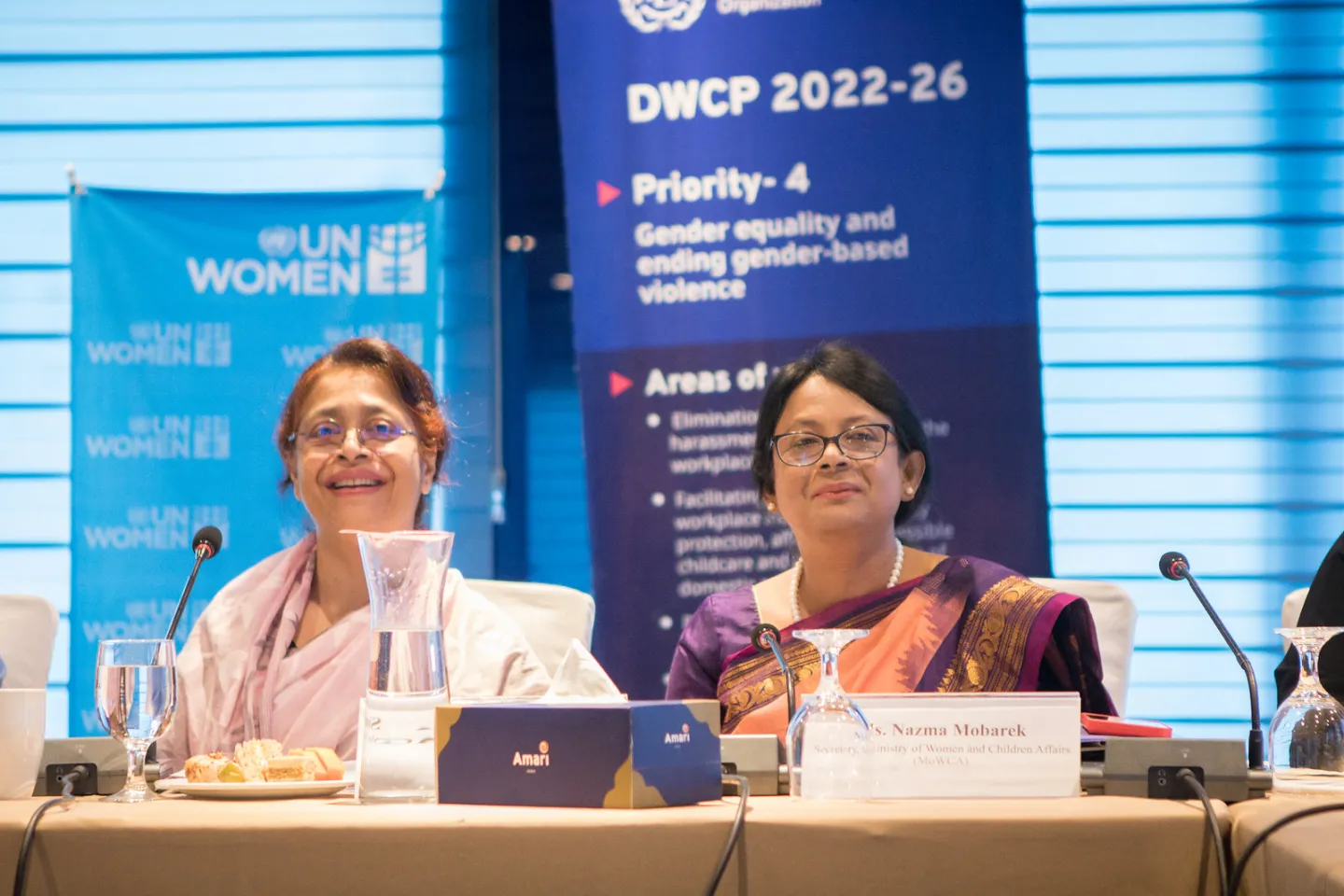
“It is important to recognize that ‘care’ is an integral part of us, and that need for care needs to be firstly recognized and means of redistribution of care need to be identified for this care burden to be reduced from women,” said Ms. Simeen Hussain Rimi, MP, State Minister of MoWCA.
During the event, ILO and UN Women presented the concept of a new joint programme to encourage changes in practices and behaviours addressing discriminatory social norms around care work. The programme aims to integrate gender-transformative measures into national and sectoral policies, aligned with the global 5R framework on decent care work: Recognize, Reduce, and Redistribute unpaid care work, and Reward and Represent paid care work. This includes improving labour market policies and governance to promote decent jobs in the care sector and enhancing access to social care infrastructure and services.
The two agencies also provided recommendations for increasing investments in the care economy. These included improving access to gender-sensitive care policies and services, enhancing social and physical infrastructure, creating decent work opportunities, and addressing social norms and the gendered division of labour.

Ms. Gwyn Lewis, UN Resident Coordinator for Bangladesh, highlighted the economic and social benefits of investing in the care economy. “Investing in the care economy means creating opportunities for decent work - especially to enable greater participation of women in the workforce, reduce gender and intersecting inequalities including gender gap in employment, and extend means to ensure better quality and affordable care services for all. Hence, investing in the care economy and transformative care policies is not only a wise economic choice, but also a significant step towards achieving gender equality and social justice,” she said.
The discussion emphasized that investing in care policies and infrastructure in Bangladesh is a strategic economic decision. Allocating 3.99% of GDP to care sectors could generate approximately seven million new jobs by 2035, with 91% of these being formal jobs for women. This investment could significantly reduce the gender employment gap while promoting gender equality, social justice, and human rights. Additionally, investments in innovative and time-saving solutions can greatly reduce the burden associated with household chores and labour.
Ms. Nazma Mobarek, Secretary of MoWCA, noted, “The National Women Development Policy (NWDP) is currently under review, and aims to address critical needs, including transportation, housing, accommodation, restrooms, and separate toilets, as well as day care centres where women are employed in larger numbers.”
The ILO has been providing technical support to the Government of Bangladesh to institutionalize the care economy by developing qualification packages for caregiving training for potential youth to be engaged in domestic or international labour market. This training encompasses both childcare and geriatric care. The European Union and the Government of Canada have been funding these initiatives, which aim to create dignified labour migration opportunities for aspiring migrant workers. So far, around three hundred youths have been trained at various training institutes, with 70% now engaged in either self-employment or wage employment.
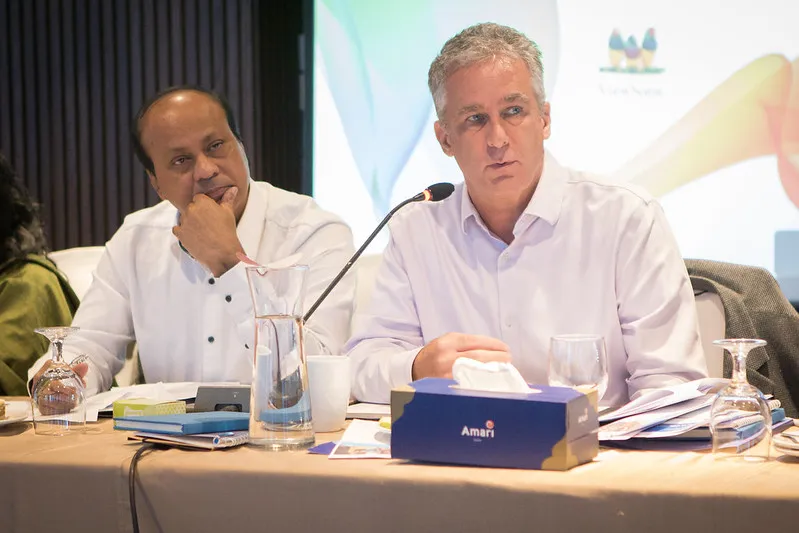
Mr Tuomo Poutiainen said, “Care work should be recognized and valued as an essential contribution to society and economy. The government leadership and collaboration with the private sector will be critical in advancing the right policies and skills to ensure fair wages, good working conditions and quality care services in Bangladesh”.
While the ILO has been long engaged in establishing a robust system for training skilled caregivers, the new joint programme by ILO-UN Women will focus renewed efforts to strengthen the care economy by offering normative and policy support to the government in enhancing the overall care infrastructure. This joint initiative includes re-shaping policies to enable more investment in the care economy.
Bangladesh

Project: Employability of women workers
Promoting Gender Responsive Enterprise Development and TVET Systems (ProGRESS)

Skills 21 – Empowering citizens for inclusive and sustainable growth