

Ghana reviews employment policy for future jobs
Ghana has launched a review of its National Employment Policy to create more inclusive, resilient and future-ready jobs for women, youth and workers.
7 August 2026
Accra, Ghana - Ghana has begun reviewing its National Employment Policy (NEP) to better equip workers, jobseekers and businesses for a rapidly changing world of work shaped by technology, climate change and demographic shifts.
Led by the Ministry of Labour, Jobs and Employment with full participation of employers and workers’ organizations, and with technical support from the International Labour Organization (ILO), the review aims to strengthen Ghana's capacity to generate decent jobs, improve livelihoods and expand opportunities for women, young people and vulnerable groups.
Employment remains one of the most effective pathways out of poverty. A stronger and more responsive employment policy can help connect more Ghanaians to productive work, support skills development, improve labour market participation and build resilience against economic shocks.

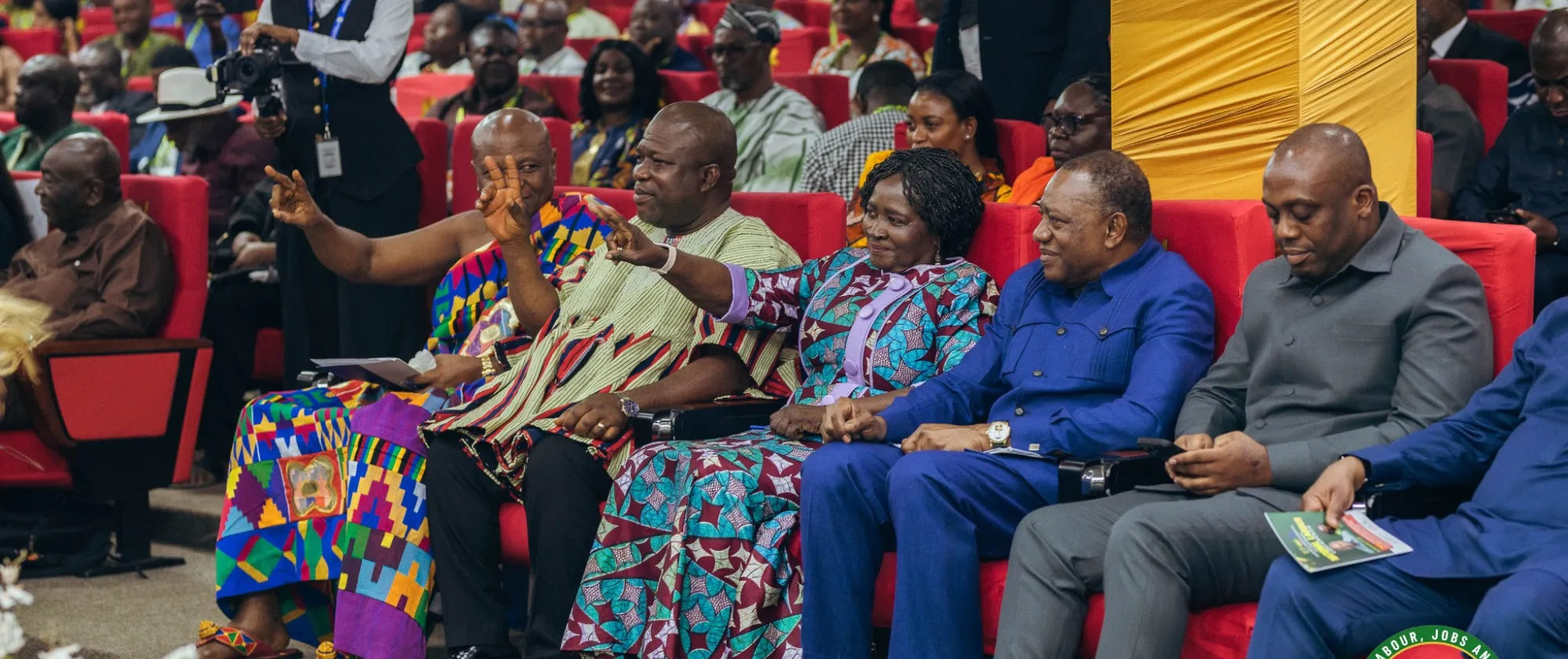
Speaking at the National Employment Policy Review Data Collection Workshop in Accra, the Minister of Labour, Jobs and Employment, Dr. Abdul-Rashid Hassan Pelpuo, represented by the Chief Director, Hamidu Adakurugu, emphasized that decent work is central to inclusive growth and sustainable development. "As Ghana's economy evolves, our employment policies must evolve with it. This review presents an opportunity to ensure that more Ghanaians, especially young people and women, can access decent work and benefit from emerging opportunities in the digital and green economies," he said.
The review builds on lessons from the current policy while identifying gaps and emerging labour market challenges. Stakeholders from government, employers' and workers' organizations, academia and development partners examined evidence on employment trends and contributed insights that will shape a new, gender-responsive policy.
For young jobseekers, the review represents an opportunity to align skills development with changing labour market demands.
Many young graduates struggle to find jobs that match their skills, a policy that better connects training with the needs of employers can help young people like me transition more successfully into work.
Ankoma Opoku Priscilla - Participating stakeholder and recent graduate.
Speaking on behalf of Ghana Employers Association, Mr. Eugene Abraham said "Businesses need a workforce equipped with the skills required for a changing economy. A modern and evidence-based National Employment Policy can help close skills gaps, support enterprise growth and create an enabling environment for businesses to generate more and better jobs”.
Workers are also looking to the new policy to respond to emerging economic realities. "Technology is changing how we work every day. If workers and businesses receive the right support to adapt, we can create more opportunities and improve productivity at the same time." said Dr. Achokuma Atong.
The revised National Employment Policy is expected to provide a stronger framework for creating decent and productive employment opportunities, particularly for young people and women, while improving the alignment between skills development and labour market demand. The policy will also support the growth of sustainable enterprises, promote formalization, strengthen labour market information systems, and facilitate job creation in emerging sectors such as the green and digital economies. By addressing structural barriers to employment, the policy is expected to contribute to reduced unemployment and underemployment, increased labour productivity, improved incomes and livelihoods, and greater social and economic inclusion for vulnerable groups across Ghana.
Through the review process, Ghana aims to develop a future-ready employment policy that responds to current labour market realities while unlocking new opportunities for workers and enterprises. Expected outcomes include better employment prospects for youth, increased participation of women in the labour market, stronger support for entrepreneurship and small businesses, improved employability through demand-driven skills development, and expanded access to decent work in both urban and rural communities.
As consultations continue across the country, the review offers an important opportunity to shape an employment policy that delivers tangible benefits for Ghanaians through better jobs, higher incomes, greater inclusion and stronger economic resilience.