

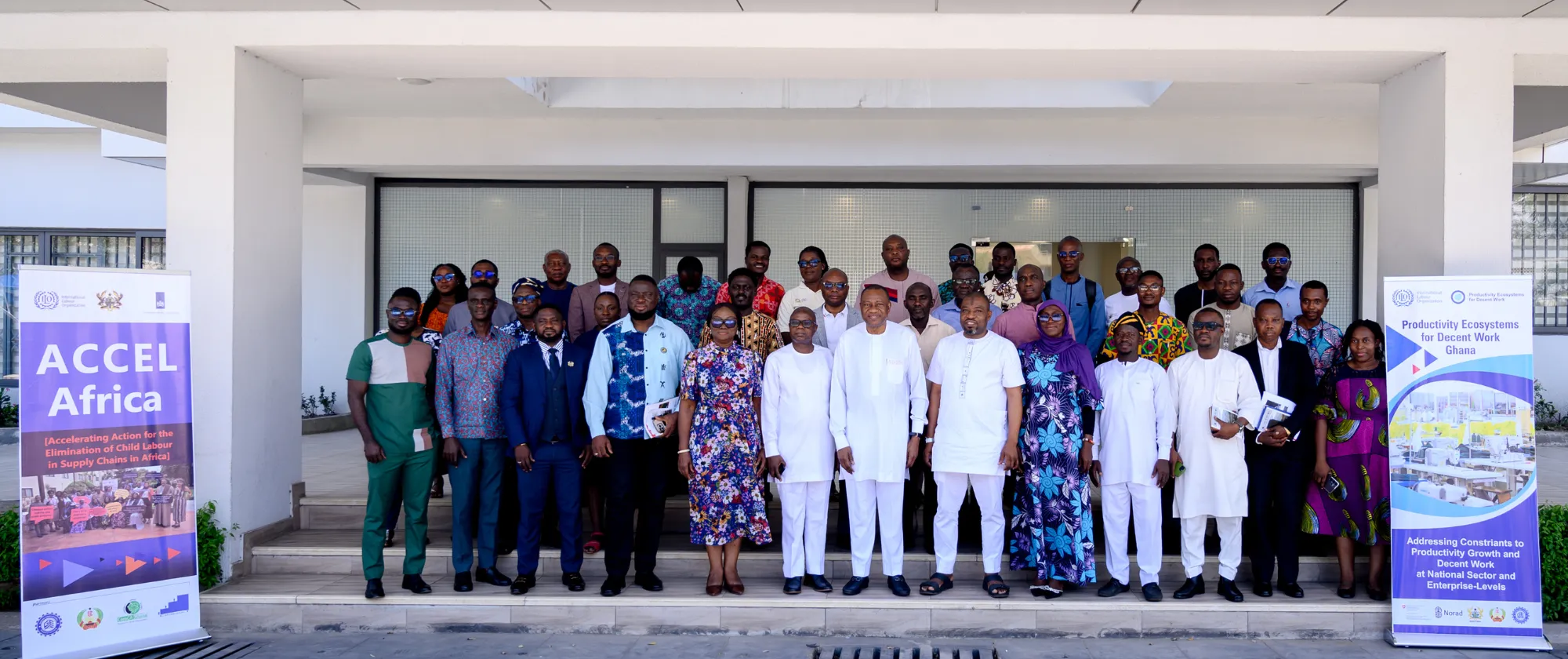
Ghana Launches First OSH Profile to Boost Workplace Safety
Ghana’s inaugural OSH Profile sets a new benchmark for safer, healthier workplaces, guiding reforms and protecting millions of workers, especially in the informal economy.
1 December 2025
Accra, Ghana – In a landmark move to strengthen workplace safety and health, the Government of Ghana has officially launched its first-ever Occupational Safety and Health (OSH) Profile Report. Developed in 2025 by the Ministry of Labour, Jobs and Employment with technical and financial support from the International Labour Organization (ILO), the report provides a comprehensive assessment of Ghana’s OSH landscape and lays the foundation for a coordinated national policy framework.
The OSH Profile is a critical tool offering an overview of the national occupational health and safety system, supported by a SWOT analysis. It identifies policy gaps, institutional weaknesses, and compliance challenges while providing strategic recommendations to improve OSH across all sectors.
The report highlights major challenges, including fragmented governance due to overlapping mandates, limited enforcement capacity with only 53 active inspectors nationwide, and weak data systems for tracking occupational injuries and diseases. Alarmingly, over 70% of Ghana’s workforce operates in the informal economy, where OSH coverage is minimal, leaving millions vulnerable to workplace hazards.
As we reposition our economy for growth through the 24-Hour Economy initiative, we must ensure that the safety and health of workers remain central. This report will guide us in translating findings into clear strategies, institutional reforms, and practical actions.
Dr Abdul-Rashid Hassan Pelpuo - Minister of Labour, Jobs and Employment
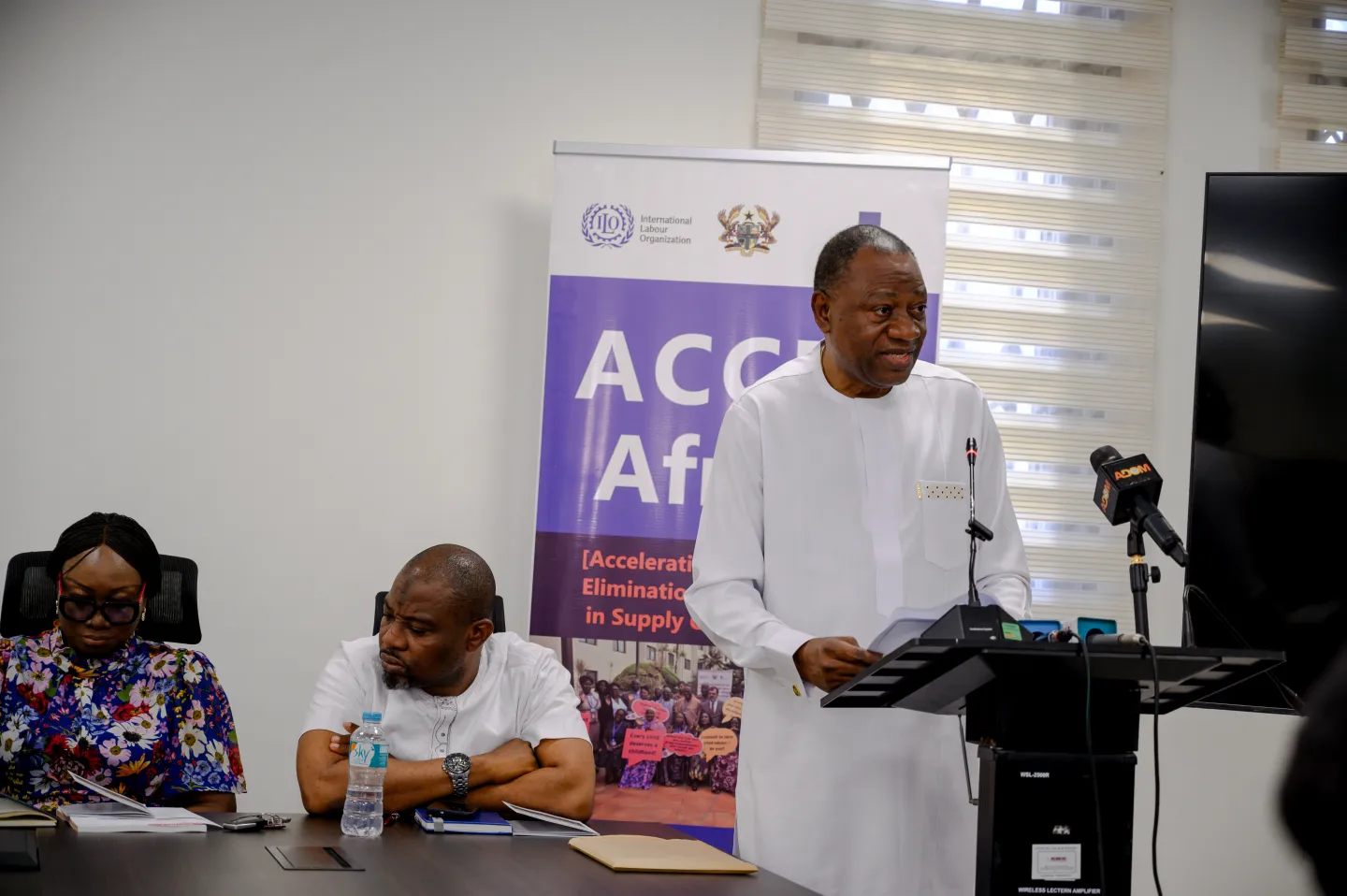
Social partners welcomed the report as timely. Mr Richard Achaempong of the Trades Union Congress (TUC) Ghana noted that the findings will help streamline OSH governance and foster a safer workplace culture. Mr Joseph Kingsley Amoah of the Ghana Employers Association emphasized the economic impact of workplace accidents, underscoring that improved safety measures are essential for productivity and national development.
In a speech read on behalf of the ILO Country Director for Nigeria, Ghana, Liberia and Sierra Leone, Dr Vanessa Phala, she applauded the Ministry for its leadership in promoting decent work. She was optimistic that the report will guide national dialogue to inform the development of a national OSH policy and its related legislation and programs.
The OSH Profile reviews Ghana’s legislative frameworks, institutional arrangements, and emerging trends such as growing interest in Environmental, Social, and Governance (ESG) integration among private sector actors. With only 40% of relevant ILO OSH conventions ratified and occupational health services covering just 20% of the workforce, the report underscores the urgent need for reform.
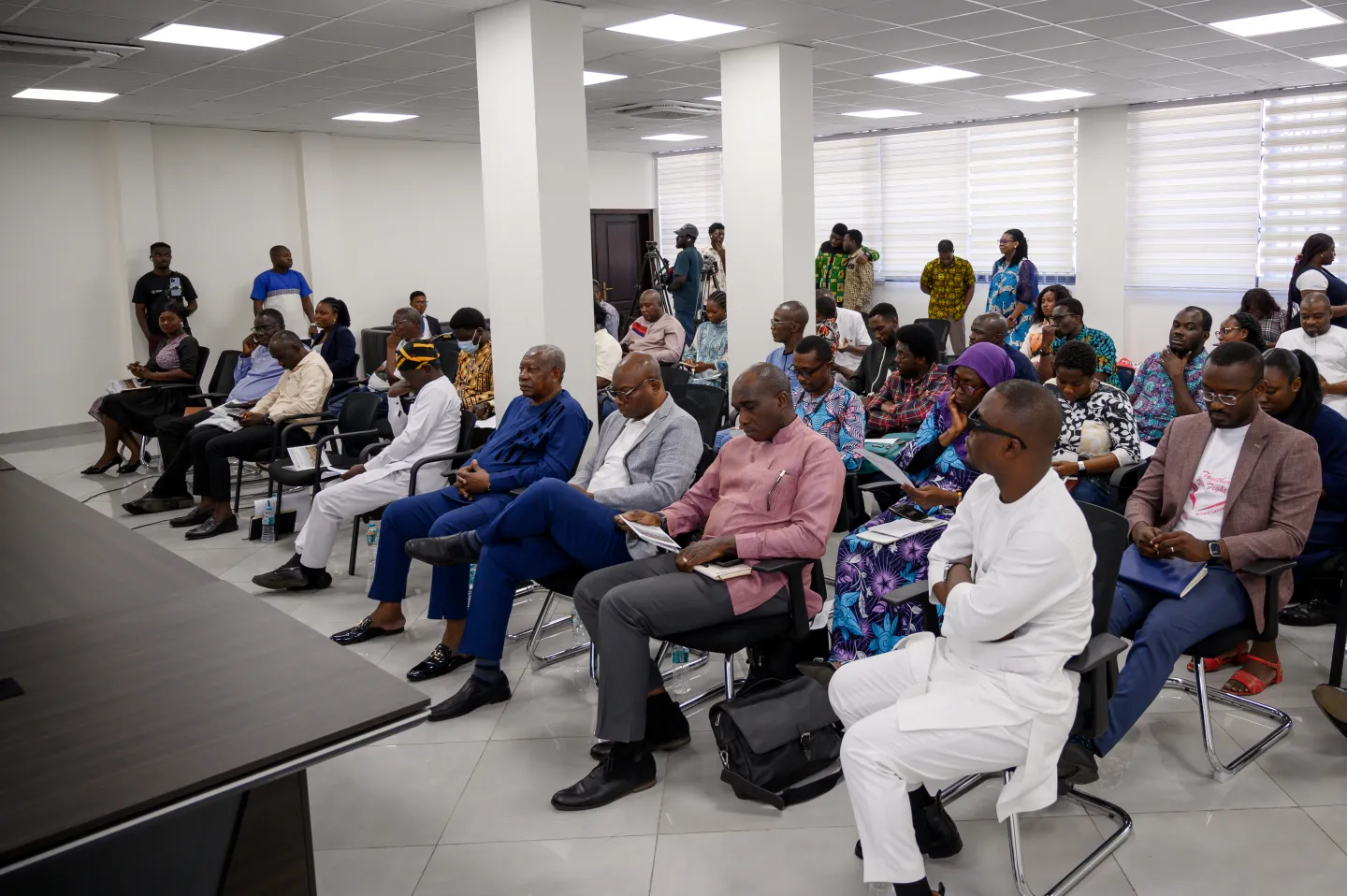
The ILO, through its Productivity Ecosystems for Decent Work and ACCEL Africa II Projects, will continue supporting the Ministry in implementing recommendations. This includes strengthening institutional capacity, promoting a culture of prevention, and supporting the ratification of ILO Conventions No. 155 and 187—key instruments for establishing coherent national OSH frameworks and systemic, preventative approaches.
The ILO will work closely with government, employers, and workers’ organizations to integrate the report’s findings into ongoing OSH policy and legislative reforms. This collective effort aims to institutionalize OSH best practices, enhance compliance, and ensure that all workers—especially those in the informal economy—benefit from safer and healthier working conditions, improving quality of life and social well-being.