


News
ILO strengthens capacity of South-East Asia policymakers to deliver evidence-based solutions for labour market challenges
The International Labour Organization (ILO) launches an intensive training course designed to address the growing need for evidence-based policymaking in South-East Asia.
13 December 2024
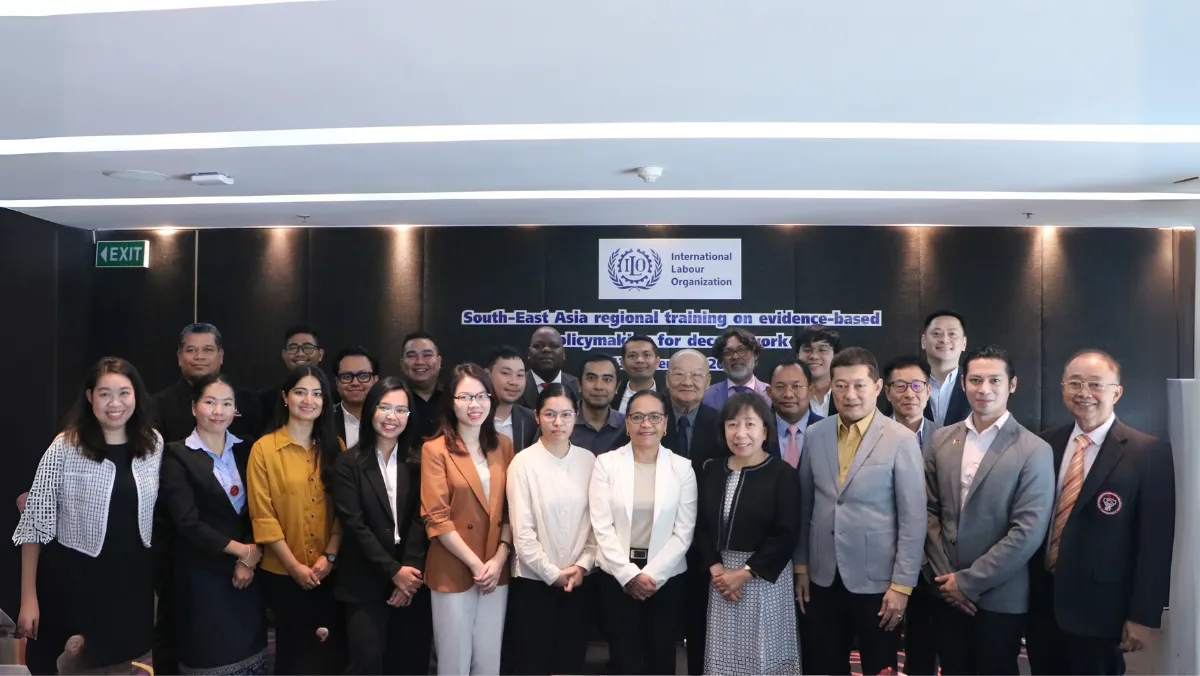
Bangkok (ILO News) – The International Labour Organization (ILO) is working with policymakers from across South-East Asia to help them carry out evidence-based policymaking.
An intensive training programme held from 9 to 13 December 2024 in Bangkok, Thailand, brought together some 20 government, employers and worker organisation representatives.
The programme sought to empower participants with tools to address critical labour market challenges – such as informal employment and youth unemployment – through research-driven strategies, while fostering regional collaboration for social justice and decent work.
“At the ILO, we believe that good policies are built on solid evidence. This training gives policymakers the tools to make informed decisions that can transform lives—ensuring fair wages, protecting migrant workers, and creating decent work opportunities for all,” said Naren Prasad, Head of Education and Training at the ILO’s Research Department (Geneva) and lead facilitator of the training.
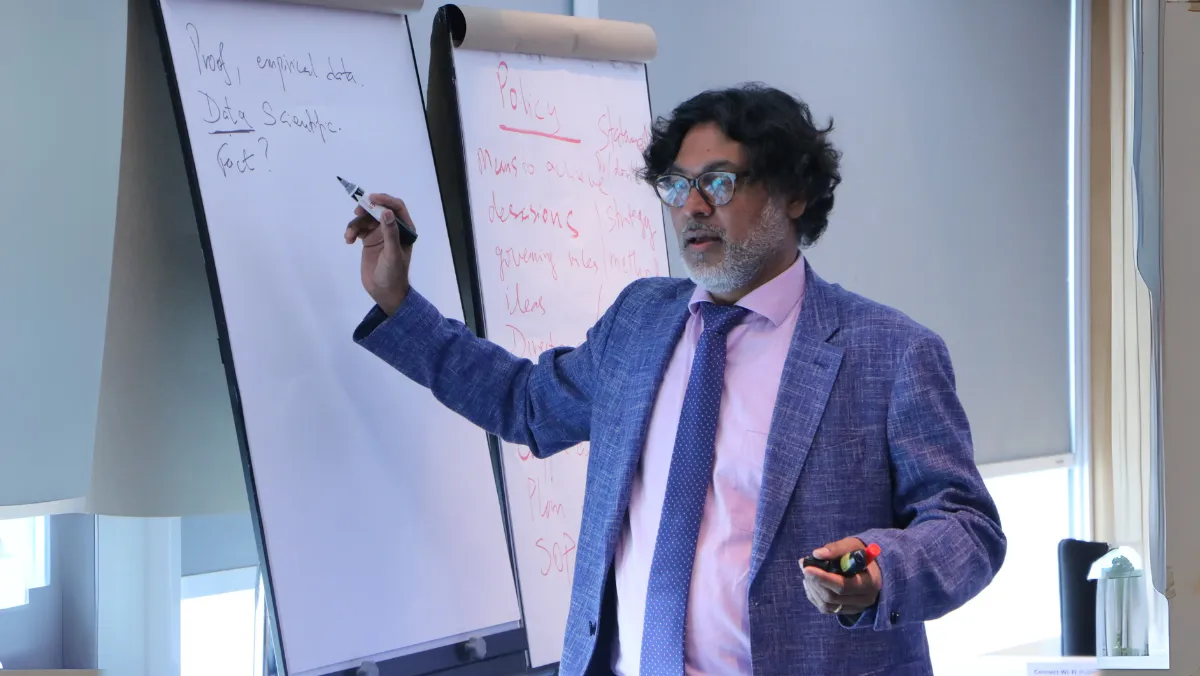
“This training comes at a critical time, as countries across the region grapple with significant challenges, from rising inequalities and economic uncertainties to the lingering impacts of the pandemic," added Ken Chamuva Shawa, Senior Economist, ILO Regional Office for Asia and the Pacific. "Now more than ever, policies grounded in robust evidence are essential to addressing these issues and advancing social justice."
The five-day course, developed by the ILO Research Department and the Regional Economic and Social Analysis Unit (RESA), was specifically tailored for policymakers, government officials, and representatives of trade unions and employers’ organizations in the region. It saw participants delve into cutting-edge research methodologies, gain proficiency in analysing labour market data, and develop policy briefs grounded in evidence.
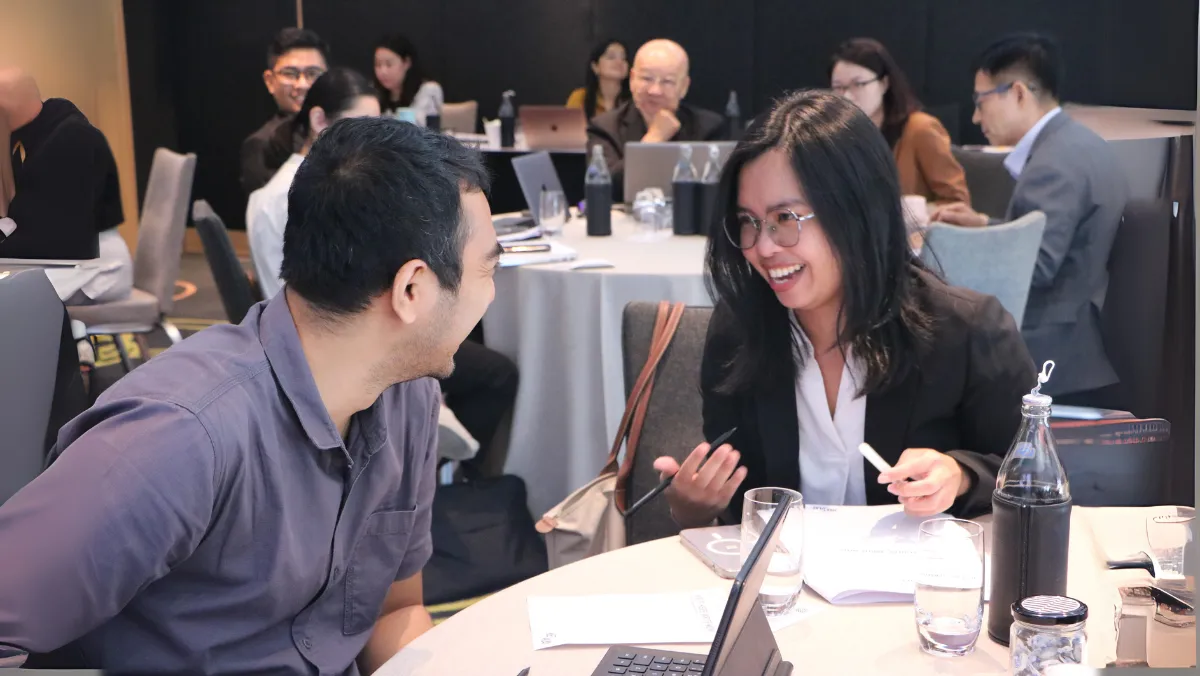
"Most of us here are policymakers with the knowledge already in place; this training is about building the skills to develop needs-based policies that truly address stakeholders' priorities and advance decent work," said Atty. Mark Vernon Carman Dioquino, Regional Tripartite Wages and Productivity Board, Department of Labor and Employment, Philippines.
Sessions included exploring the role of research in shaping policies, practical exercises on wage setting and migration issues, and strategies for effectively communicating evidence to diverse stakeholders. During the training participants drafted and presented policy briefs, leaving the course not only with enhanced technical skills but also with practical tools to address the pressing challenges faced by the region.
"I learned practical skills, especially in policy making. I often provide advice and comments on legal documents related to labour issues. After this class, I am confident that I will be able to approach policy making the right way," said Tran Thanh Xuan, Specialist, Vietnam General Confederation of Labour.