

Ensuring Workplace Safety in the Digital Age: A Call for Action
22 May 2025
As artificial intelligence (AI) and digitalization reshape industries, the International Labour Organization (ILO) and Nigerian Tripartite partners stress the urgency of adapting occupational safety frameworks. By integrating technology responsibly, Nigeria can safeguard workers while harnessing innovation for a more secure future.
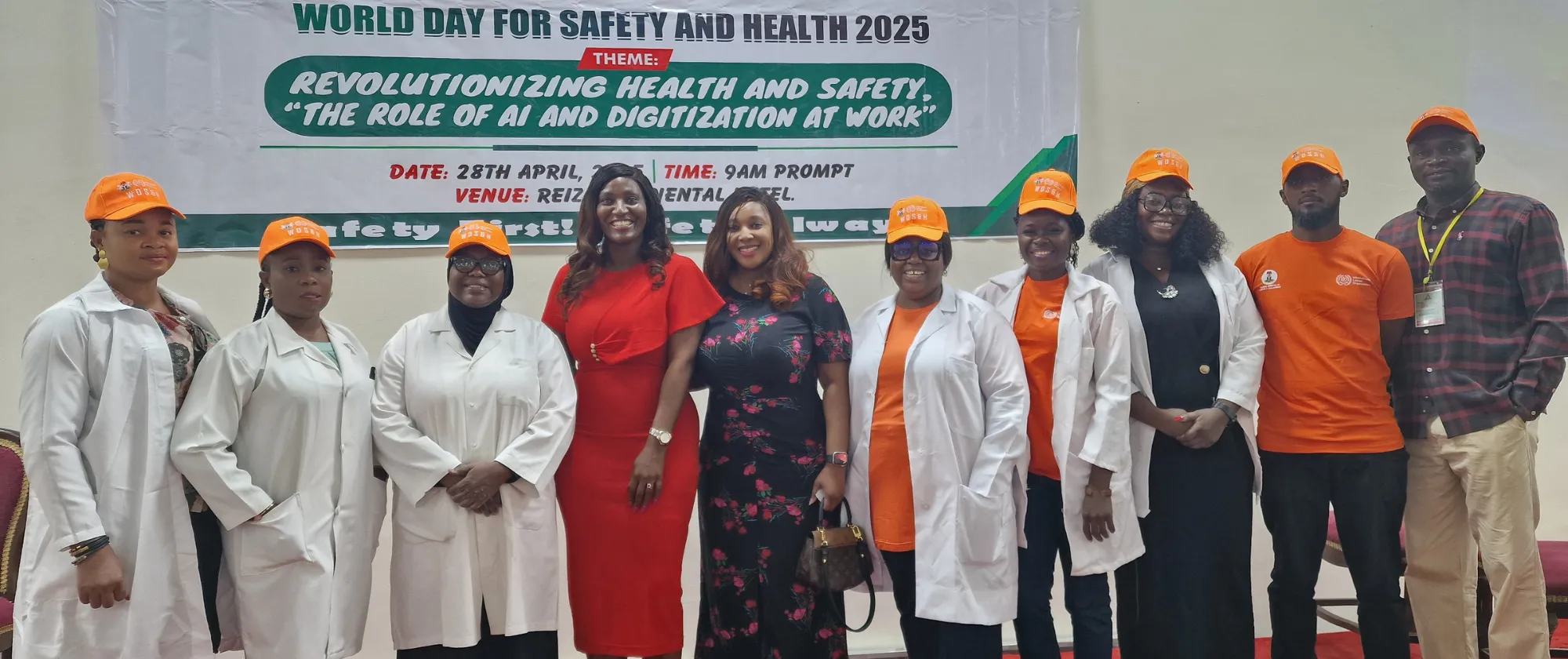
Abuja (ILO News) — The ILO, alongside the Federal Ministry of Labour and Employment and Nigeria Labour Congress (NLC), marked the 2025 World Day for Safety and Health at Work with a call to action: prioritizing worker safety amidst rapid technological advancements.
With the theme "Revolutionizing Health and Safety: The Role of AI and Digitalization at Work," the 2025 event underscored the profound transformation occurring in workplaces across Nigeria. Automation and AI-powered systems have enhanced efficiency, reduced physical strain, and minimized exposure to hazardous conditions. However, these advancements also introduce new occupational risks—ranging from cybersecurity vulnerabilities to ergonomic and psychological challenges caused by automation and workplace digitization.
The NLC emphasized the critical need for initiative-taking measures in adapting to these technological shifts. While Africa is experiencing a slower adoption of AI-driven automation compared to developed economies, Nigerian industries must act swiftly to mitigate emerging risks. Without robust occupational safety frameworks, workers may face increased exposure to accidents, heightened surveillance concerns, and job insecurity.
Vanessa Phala, Director of the ILO Country Office for Nigeria, Ghana, Liberia, Sierra Leone, and Liaison Office for ECOWAS echoed these sentiments, highlighting key findings from the ILO’s latest report on AI and workplace safety. The report advocates for smart monitoring systems, predictive hazard detection, and virtual reality training solutions that protect workers without compromising their rights. At the same time, poorly regulated digital integration can lead to "technostress," mental fatigue, and long-term health risks associated with increased digital interactions.
The Federal Ministry of Labour and Employment reaffirmed Nigeria’s commitment to creating safer, healthier workplaces through updated labour policies and increased investment in worker education. The Ministry recognized the ILO’s contributions in supporting Nigeria’s national occupational safety and health (OSH) policies while reinforcing international best practices.
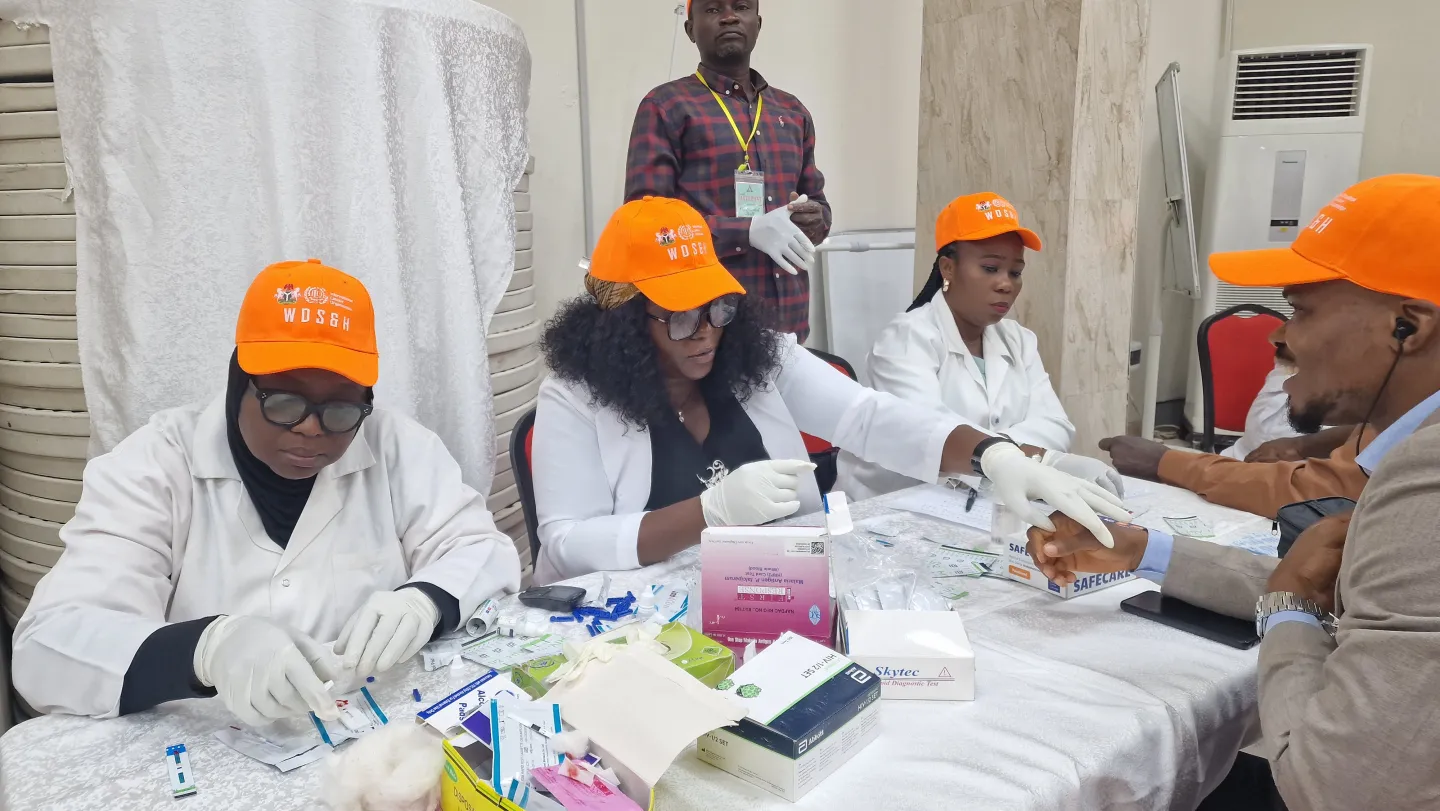
In addition to the focus on technology and safety, the ILO also supported the integration of Voluntary Counselling and Testing (VCT) for HIV, as well as multi-disease screening for blood pressure, blood sugar, and malaria, under the VCT@Work initiative. Five hundred (500) workers (290 men and 210 women) participated in on-site HIV testing, with those who felt unwell linked to treatment. This approach underscores the ILO’s commitment to removing HIV from isolation by embedding it within broader workplace health systems, thereby normalizing access to health services and reducing stigma through a holistic and inclusive OSH lens.
In closing, industry leaders, workers, and government representatives pledged to collaborate on adaptive workplace safety measures. Through updated regulations, digital literacy initiatives, and inclusive decision-making frameworks, Nigeria can ensure that AI-driven advancements enhance worker welfare rather than undermine it.
As the future of work continues to evolve, the NLC and ILO call on all stakeholders to embrace innovation responsibly, placing human dignity and safety at the heart of technological progress.