

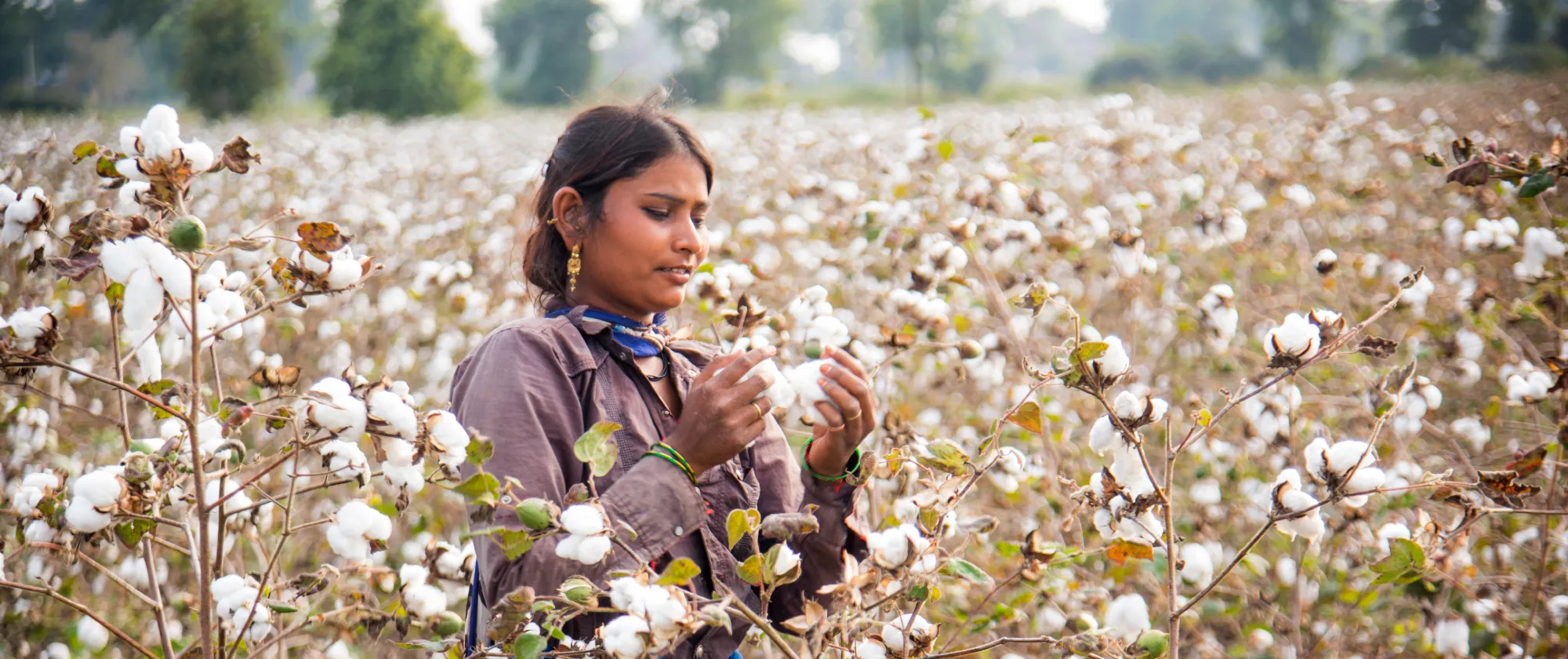
Cotton farming communities trained on safe work practices amid extreme heat in India
ILO and Confederation of Indian Textile Industry help small and marginal cotton farmers adapt to extreme heat, reduce occupational risks, and promote safer working conditions in Madhya Pradesh.
11 May 2026
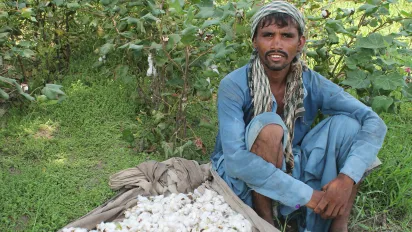
NEW DELHI (ILO News) – Cotton farming communities in Madhya Pradesh are learning how to work more safely under extreme weather conditions through a series of occupational safety and health (OSH) workshops and field demonstrations organized by the International Labour Organization (ILO).
The initiative is part of the ILO’s Rise for Impact: Promoting Fundamental Principles and Rights at Work (FPRW) for Cotton Growing Communities in Madhya Pradesh project, implemented in partnership with the Confederation of Indian Textile Industry (CITI).
The programme seeks to address growing occupational risks faced by small and marginal cotton farmers, particularly in the context of rising temperatures and challenging working conditions. Farmers are frequently exposed to hazardous agrochemicals, biological dust from cotton and other crops, and prolonged physical strain from repetitive bending and heavy lifting during farming activities. Women workers are especially vulnerable, as they are often engaged in cotton picking and other labour-intensive tasks performed under intense heat.
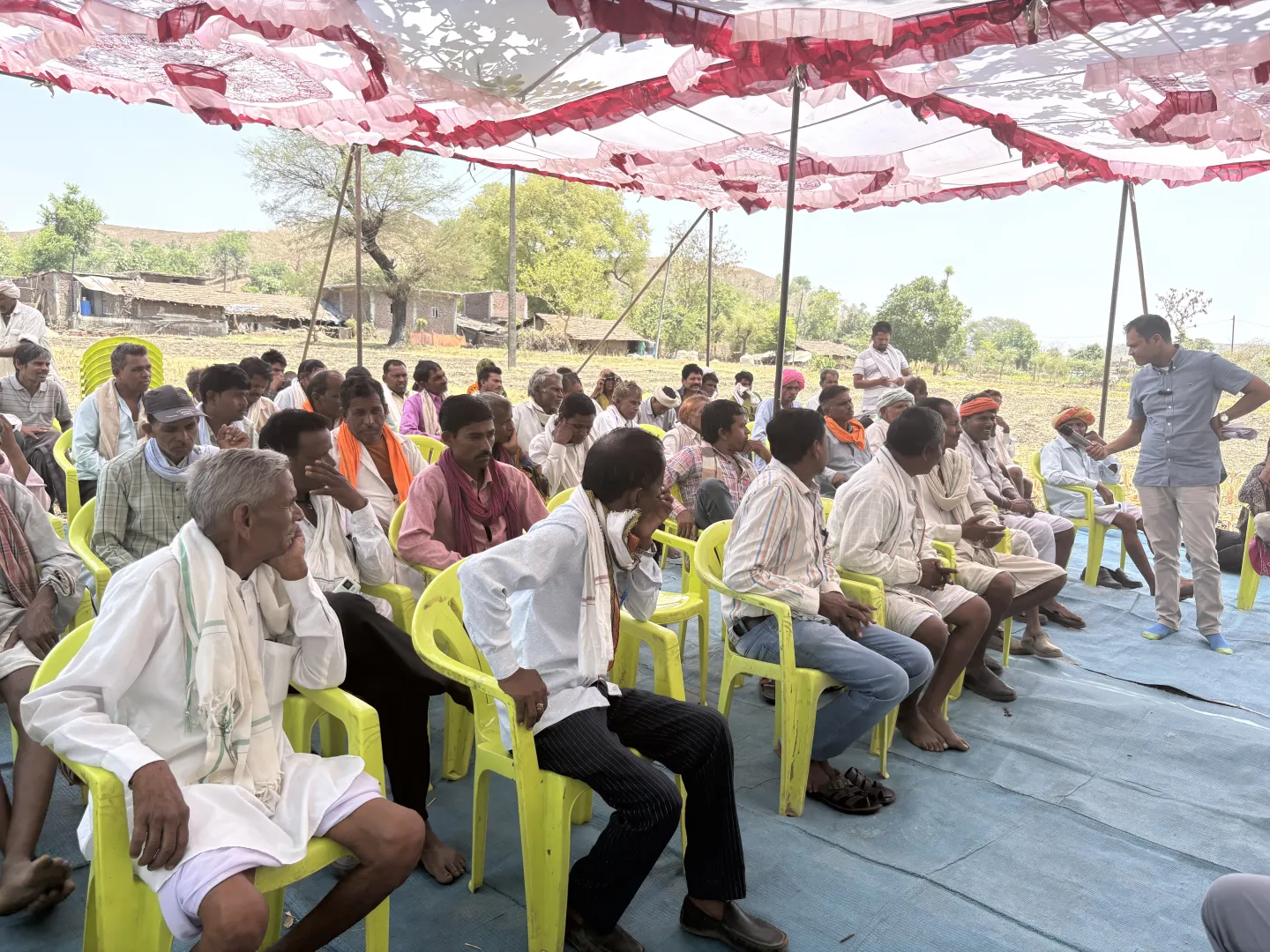
One of the field-based demonstrations was held on 11 May 2026 in Sarvan Village, Bajana Tehsil in Ratlam district, where more than 50 small and marginal cotton farmers participated in the practical training session focused on heat stress management and safe farming practices.
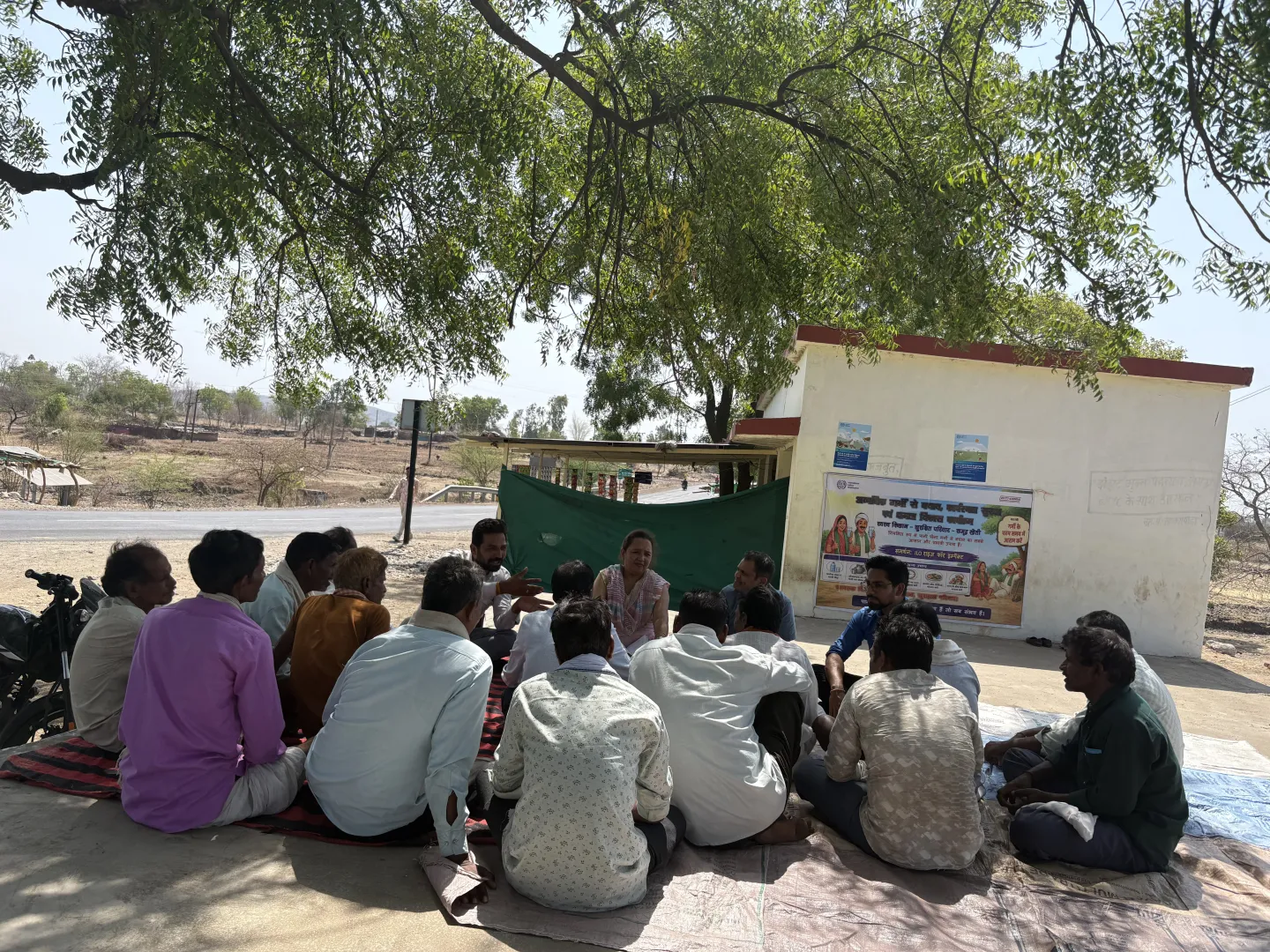
Participants were trained on adapting working hours during periods of extreme heat, using oral rehydration solutions (ORS), monitoring wind direction while spraying pesticides, maintaining safe postures when carrying heavy loads, and identifying warning signs that require medical attention.
“Occupational safety and health is critical for ensuring sustainable livelihoods in agriculture, especially as climate change intensifies extreme weather events. These demonstrations help the cotton farming communities adopt practical measures that can prevent injuries, illnesses and heat-related health risks,” said Yogindra Samant, OSH Specialist at the ILO Decent Work Technical Support Team for South Asia and Country Office for India.
The workshops also highlighted broader challenges facing cotton-growing communities, including inadequate access to safe drinking water, sanitation facilities, washing areas, resting spaces and safe transport. Farmers also lack coverage under labour legislation and social protection systems, leaving them particularly vulnerable.
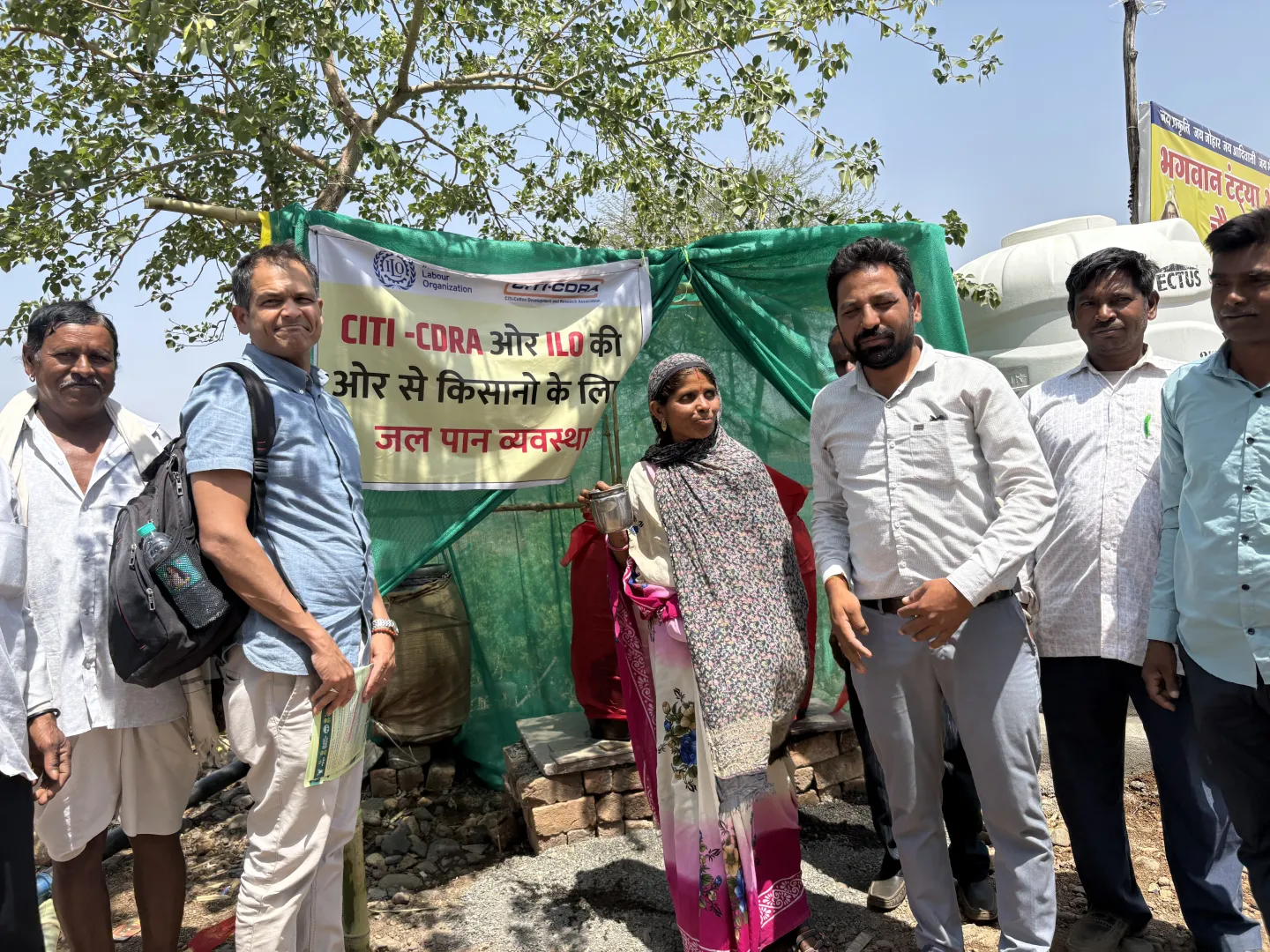
Rami Bai, a participant in the training, described the additional burdens faced by women during the summer months.
“Women in our community are responsible not only for farm labour but also for household chores, including fetching water. During extreme heat, water availability becomes very low while household demand increases, making women’s work even harder,” she said.
The absence of organized associations among cotton farmers and farming communities further limits opportunities for collective dialogue and harmonious negotiation on workplace safety and welfare issues.
Through the Rise for Impact project, the ILO is promoting core labour standards, including Fundamental Principles and Rights at Work (FPRW), among cotton-growing communities in Madhya Pradesh. The initiative contributes to the broader United Nations 2030 Agenda by advancing partnerships and collaboration for decent work and sustainable development.
Field-level trainers trained under the project are now extending FPRW awareness programmes directly to communities through village camps and mobile van outreach units across selected districts in Madhya Pradesh.
Related content

Project country page (India)
RISE for Impact: Fundamental Principles and Rights at Work in the Cotton Supply Chain – A New Phase, A New Vision (INDIA)
Relevant projects
Global project page
RISE for Impact: Fundamental Principles and Rights at Work in the Cotton Supply Chain – A New Phase, A New Vision
Project country page (India)
RISE for Impact: Fundamental Principles and Rights at Work in the Cotton Supply Chain – A New Phase, A New Vision (INDIA)