

Charting Montenegro’s future: Employers launch Business Agenda 2025 for a competitive and sustainable economy
The new Business Agenda outlines the private sector’s vision for further reform and identifies key priorities for a more competitive, sustainable and future-ready economy.
8 April 2025
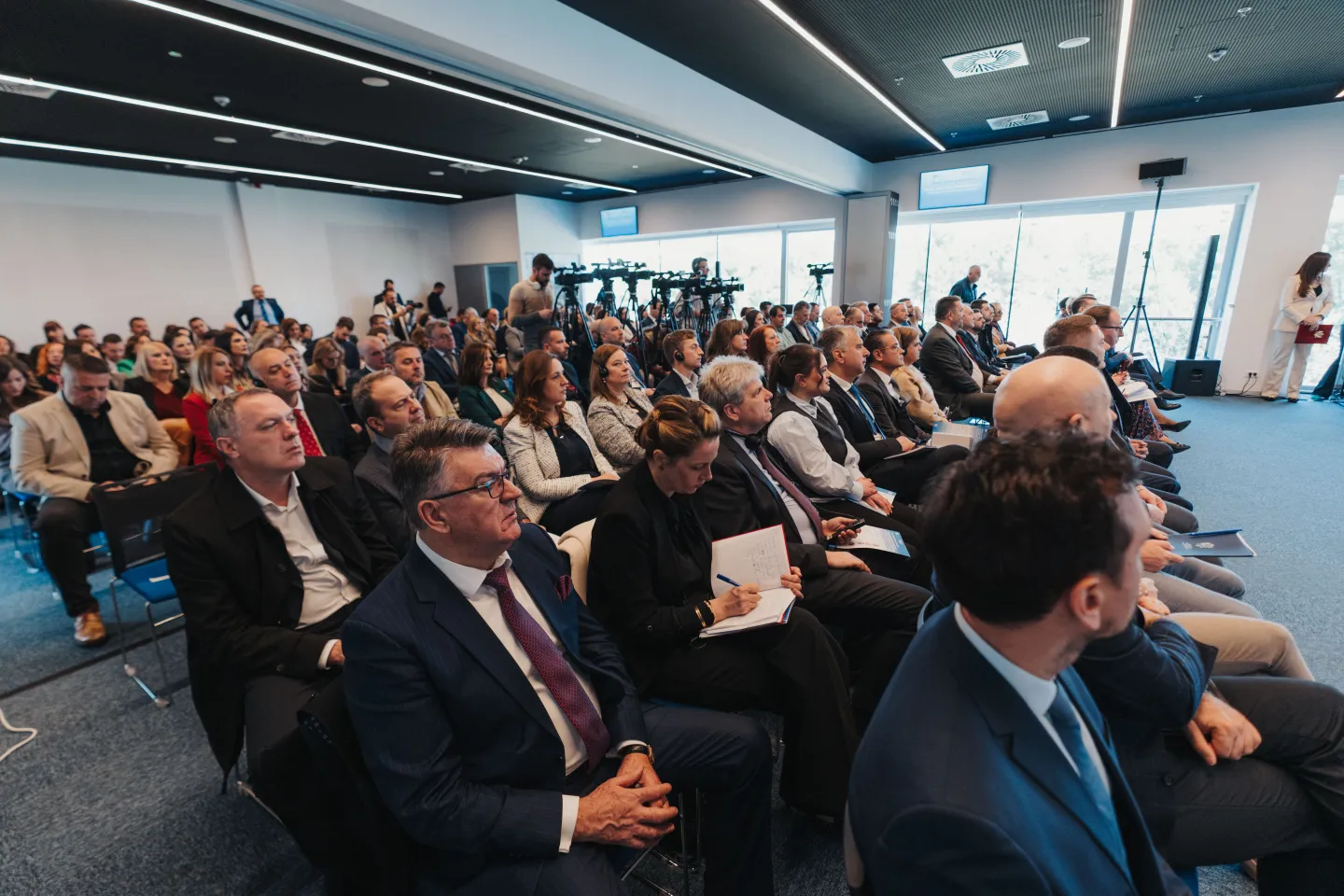
BUDAPEST, HUNGARY (ILO News) - Montenegro is accelerating its path toward EU accession, demonstrating a strong commitment to becoming the 28th member state by 2028. Steady progress has been made in aligning national policies and legislation with the EU acquis, yet critical challenges remain. Full integration will only be possible if economic reforms foster a competitive, dynamic, and resilient private sector. Recognizing this, the Montenegrin Employers Federation (MEF), with support from the ILO, has developed its Business Agenda 2025. The Agenda is building on insights from the Enabling Environment for Sustainable Enterprises (EESE) assessment, and identifies ten key priorities for the development of the Montenegrin economy. This agenda outlines the private sector’s vision for further reform and identifies ten key priorities for a more competitive, sustainable and future ready economy:
- Enhancing public administration: Reforms are slow, and the large public sector strains public finances, hindering private growth. Confidence is low due to persistent bureaucracy and corruption. Digitalization and clear regulations are needed. Accelerating the digitalisation of public services, improving regulatory clarity and promoting a more efficient and accountable public administration are essential to restore trust and drive growth.
- Strengthening social dialogue and collective bargaining: The legal framework is in place exists but is largely ineffective in practice. The Social Council's impact is limited, with consultations frequently circumvented or delayed, weakening its role in shaping economic and labour reforms. due to delayed consultations. Stronger government commitment and consistent engagement with social partners are essential for effective social dialogue.
- Improving the legal and regulatory framework: Despite reforms, businesses face unclear regulations and burdensome procedures. Improved consultation, enforcement, and reduced administrative burdens are necessary for a better business environment.
- Combating the informal economy: Unregistered businesses and undeclared work distort the market. Strengthening inspections and offering formalization incentives within a stable and predictable business environment are essential for fair competition.
- Expanding access to finance: MSMEs face challenges due to strict lending criteria and high interest rates. Expanding credit options and enhancing financial literacy are crucial for financial inclusivity.
- Advancing education skills development and lifelong learning: Skills mismatches coupled with and recruitment challenges in recruiting and retaining skilled workers hinder growth. Expanding STEM education, vocational training, and lifelong learning, along with better collaboration between education providers and the private sector, are vital.
- Driving innovation and digital transformation: Montenegro's digital transformation faces barriers like payment processing issues, regulatory obstacles, limited financial resources, and high fees for digital tools. Expanding digital infrastructure, improving cybersecurity, and offering targeted digital training and support for SMEs are crucial.
- Accelerating transition to a green economy: Montenegro aims to reduce greenhouse gas emissions by 35% by 2030, but businesses face challenges like lack of awareness, technical expertise, and capital. Strengthening regulations, expanding access to finance, and investing in green skills are essential for adopting green technologies.
- Enhancing productivity for increased competitiveness: Montenegro's productivity is low, relying on foreign investments in low-productivity sectors. To boost productivity, the country must diversify its economy, promote innovation, skills development, and fair competition.
- Fostering responsible business conduct for long-term sustainability: Environmental, Social and Governance (ESG) principles are vital for business success. Montenegro leads in ESG adoption, but SMEs face challenges due to limited resources and expertise. Expanding awareness, simplifying compliance, and providing targeted support for SMEs will enhance competitiveness and attract investment.
The ILO Bureau for Employers' Activities (ACT/EMP) assists Employers' and Business Membership Organizations (EBMOs) in strengthening their position as effective policy advocates. By enhancing their capacity for evidence-based policymaking, ACT/EMP equips EBMOs with the necessary tools to engage in meaningful social dialogue and influence policy reforms. This support is vital in helping EBMOs champion policies that foster economic growth and improve the business environment.