

International Day of Care and Support
Building long-term care for older persons in Indonesia
The ILO continues to support Indonesia in advocating for policies that ensure older persons are included in the country’s social safety net.
4 November 2025
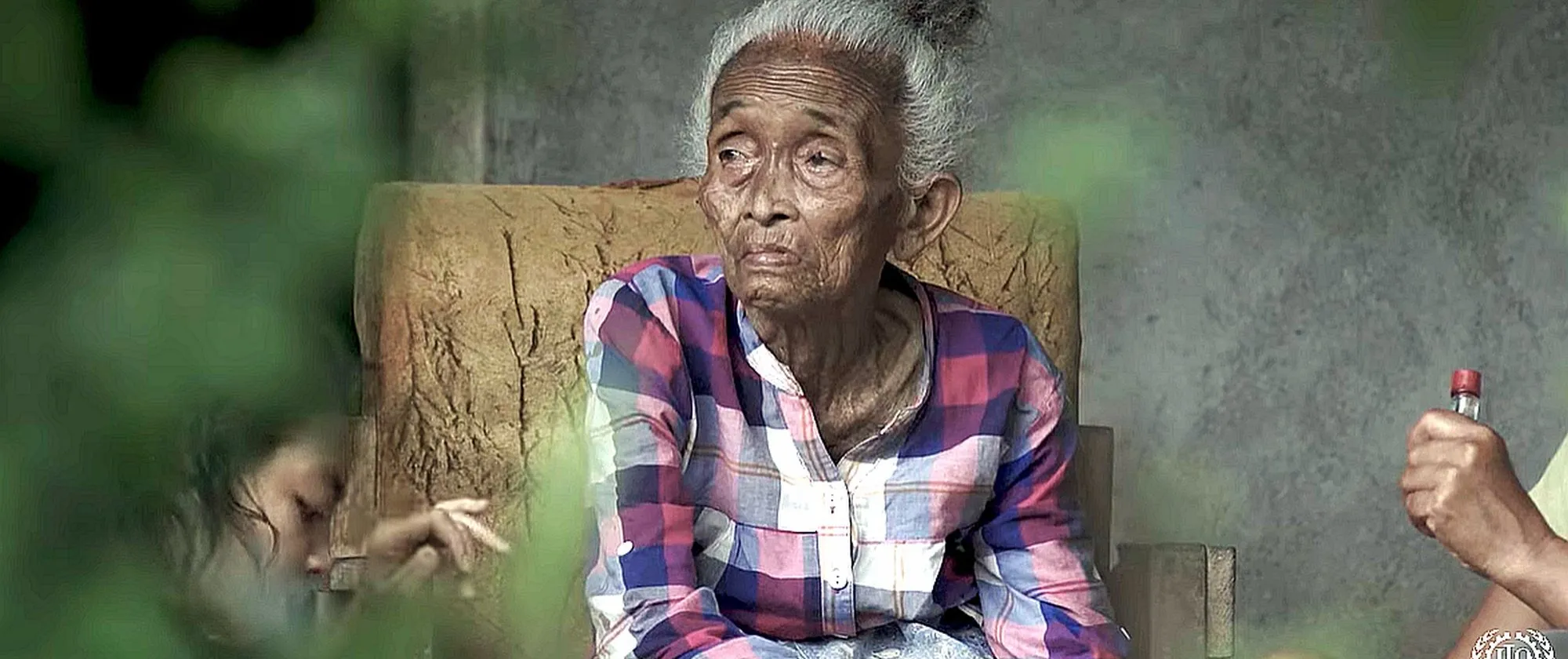
JAKARTA, Indonesia (ILO News) - Indonesia’s society is aging rapidly, driven by declining fertility rates and increasing life expectancy. As of 2025, according to Statistics Indonesia, there are 33,944,600 older persons in the country – equivalent to one out of every nine Indonesians. That number is expected to grow significantly in the coming decades.
In conjunction with the annual commemoration of the International Day of Care and Support, observed on 29 October, the ILO through its Global Accelerator for Jobs and Social Protection for Just Transitions continues to advocate for policies that ensure older persons in Indonesia are included in the social safety net.
Without regular income from pension schemes, sandwich generations will have to cover the expenses of their parents and grandparents.
Ippei Tsuruga, the ILO’s Social Protection Programme Manager
Ippei Tsuruga, the ILO’s Social Protection Programme Manager, stated that not only is this number expected to reach 70 million by 2045, but without comprehensive pension reforms, most older persons will lack access to pensions. As a result, the burden of long-term care will largely fall on family members.
“Older persons will have to pay health insurance contributions, long-term care insurance contributions, and co-payments to access medical and non-medical services. Without regular income from pension schemes, sandwich generations will have to cover the expenses of their parents and grandparents,” he said.
He also highlighted good practices from other Asian countries such as Singapore, Japan and South Korea. “These countries have implemented long-term care insurance schemes,” he added. “These schemes aim to reduce out-of-pocket expenses for elderly care costs that are not covered by health insurance.”
Women mostly bear the burden of long-term care
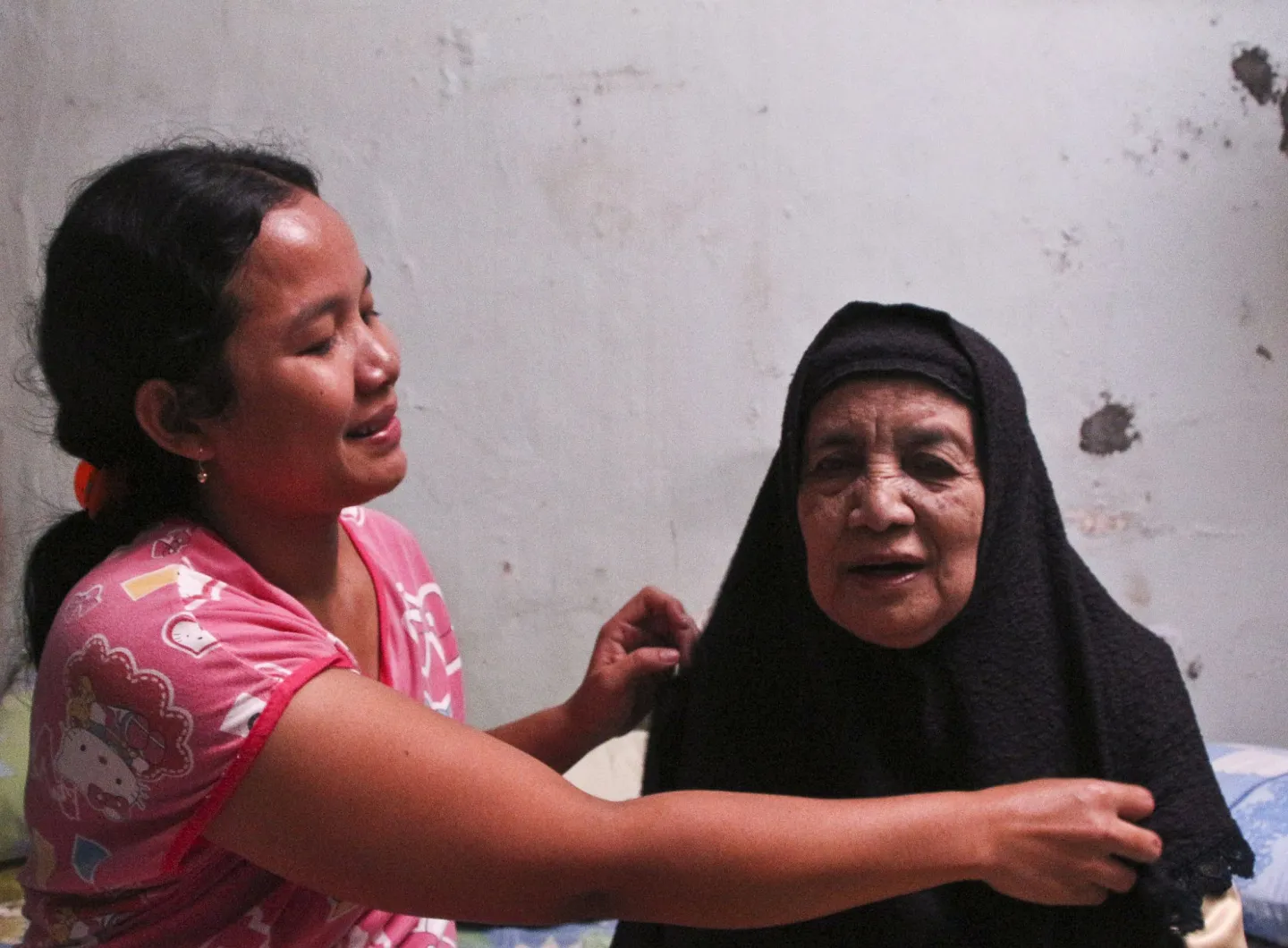
Responding to this urgent need, the Indonesian government has implemented several initiatives, including social assistance programmes, elderly-friendly integrations into community centres and pensions for retired employees. One such programme is the Social Rehabilitation Assistance (ATENSI), under the Ministry of Social Affairs. Using a family- and community-based approach, the programme aims to strengthen the social function of individuals, families and communities in providing care and support for vulnerable groups, including older persons.
However, according to Tirta Sutedjo, Director of Poverty Alleviation and Community Empowerment at the Ministry of National Development Planning (Bappenas), social assistance remains limited in terms of beneficiaries, geographical reach and the types of services provided. “The long-term cost is often borne by caregivers, who are typically members of the care recipient’s immediate family, particularly women.”
There is a need for a social protection scheme to safeguard family members responsible for caregiving, particularly in areas such as wage equalization, work-related accident risks and retirement age planning.
Muhammad Cholifihani, Director of Population and Social Security at Bappenas
To reduce the burden on families and communities, Muhammad Cholifihani, Director of Population and Social Security at Bappenas, stated that the government, with support from the ILO, has sought to implement long-term care programmes through contributory social insurance schemes – not only for older persons but also for care workers.
“This situation not only burdens families but also disproportionately increases pressure on women, who often bear the primary responsibility for care work. This further heightens the risk of unequal access to decent care for older persons,” he said. “Thus, there is a need for a social protection scheme to safeguard family members responsible for caregiving, particularly in areas such as wage equalization, work-related accident risks and retirement age planning.”
ILO support to Indonesia
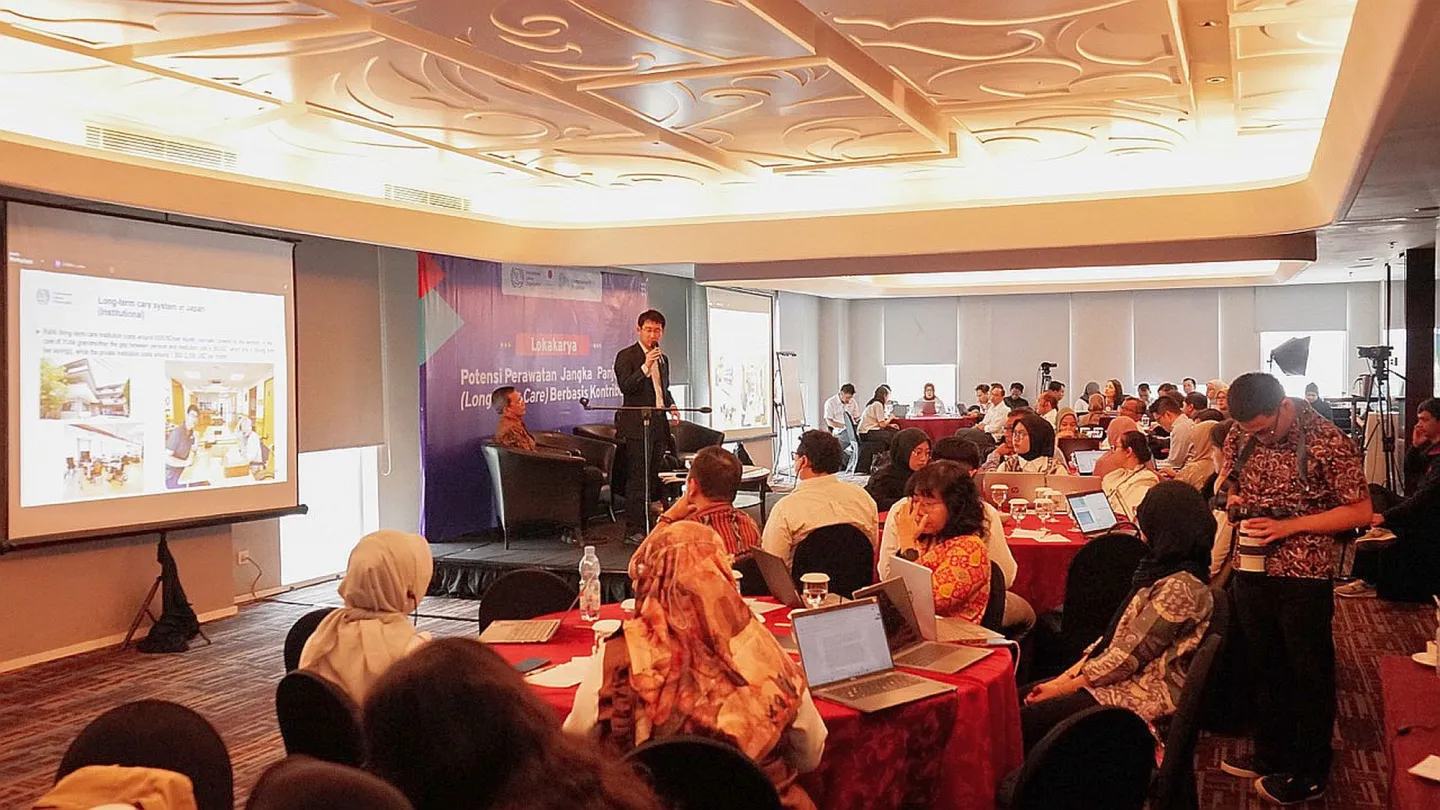
Responding to this need, the ILO hosted a two-day event from 27-28 October on “Potential Long Term Care Insurance in Indonesia”, exploring the development of such a system based on the needs of older persons that follows the footsteps of other countries in Asia and the Pacific. The workshop on the first day brought together tripartite stakeholders as well as experts and academics to identify challenges and opportunities to develop long-term care insurance in Indonesia. The next day, an interministerial meeting discussed the technical implementation details of a long-term care insurance system.
These discussions brought to light issues such as challenges faced by caregivers (particularly those who are women and family members) in meeting the needs of care recipients – one such survey found that there was a significant gap in income security for older persons (amounting to 93 per cent of caregiver respondents not having job insurance), as they largely depend on family support or informal sources of livelihood rather than structured pension schemes.
On this basis, challenges were also identified in collecting contributions from programme participants to financially sustain the long-term care insurance system as a form of social protection. The insights gathered in these discussions support the Government of Indonesia’s efforts to implement the Long-Term Care Roadmap for recipients of Indonesia’s Social Security Agency for Employment (BPJS Ketenagakerjaan) recipients.
Related content
Programme
Global Accelerator on Jobs and Social Protection for Just Transition in Indonesia
Relevant projects
Programme
Global Accelerator on Jobs and Social Protection for Just Transition in Indonesia