

Building Local Expertise to Expand Social Protection in Nigeria
Through an EU-funded initiative, 21 Nigerian trainers are strengthening the country’s capacity to deliver inclusive social protection by transferring knowledge and skills to practitioners nationwide.
4 September 2026
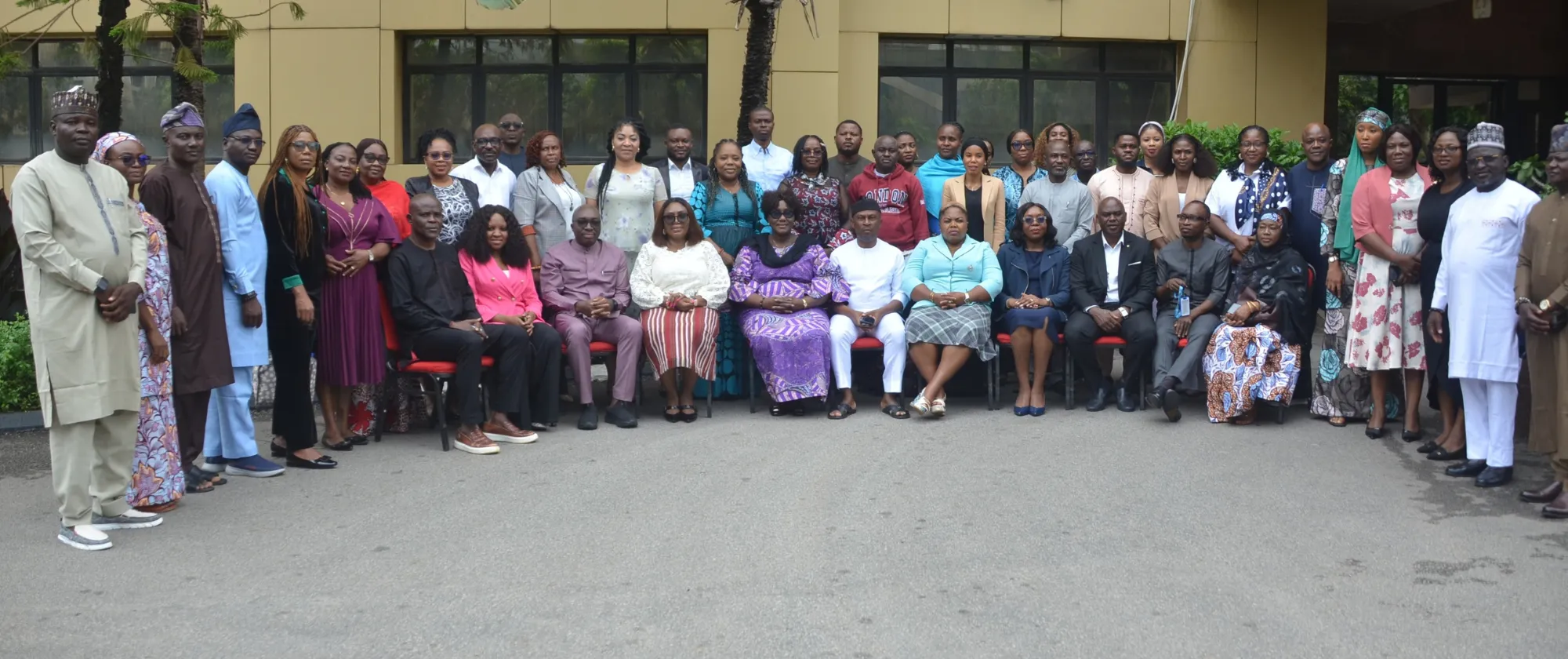
ABUJA – Nigeria has taken a significant step toward strengthening its social protection system by certifying 21 practitioners as national TRANSFORM trainers, enhancing the country’s capacity to design, coordinate and deliver inclusive social protection programmes. This achievement was realized through the European Union-funded Supporting Sustainable Social Protection Systems in Nigeria (SUSI) project, jointly implemented by the International Labour Organization (ILO) and UNICEF in partnership with the Government of Nigeria. By building a cadre of nationally certified trainers, the initiative is fostering local expertise, strengthening institutional capacity, and supporting the sustainable expansion of social protection services across the country.
The newly certified trainers form a national pool of experts who can build the skills of social protection practitioners at federal and state levels. By expanding local expertise, the initiative strengthens national ownership, supports continuous learning, and reduces reliance on external trainers. This investment comes at a critical time. Around 40 per cent of Nigerians live below the national poverty line, while many more remain vulnerable to economic, social, and climate-related shocks. Yet only about 14.8 per cent of the population receives at least one social protection benefit. Strengthening institutional capacity is essential to improving the reach, coordination, and effectiveness of social protection programmes.
Between October and November 2025, the project brought together 25 officials and practitioners from key government institutions and state governments for an intensive TRANSFORM Training of Trainers programme in Abuja. Participants received practical training on social protection concepts, programme management, and facilitation techniques. Between February and March 2026, participants applied their new skills by delivering six training sessions in Abuja and in Abia, Benue, Oyo, and Sokoto States, reaching about 200 practitioners.
Following a rigorous assessment process, TRANSFORM certified 21 participants as national trainers. Between July and August 2026, the certified trainers independently facilitated five additional training sessions, reaching more than 150 practitioners. The approach creates a multiplier effect, enabling knowledge and skills to reach institutions responsible for translating policies into programmes and services that support vulnerable individuals and households.
The training strengthened my understanding of how various parts of the social protection system work together. I am now better equipped to support programme planning and train colleagues, helping to ensure that social protection interventions are better coordinated and more responsive to people's needs.
Mr. Joseph Ikpeamaeze, Director - Social Development, Federal Ministry of Budget and Economic Planning.
Nigeria has advanced important reforms, including the revised National Social Protection Policy, the National Health Insurance Authority Act, the Vulnerable Group Fund, and the National Social Register. Effective implementation of these initiatives requires skilled practitioners capable of designing, managing, and coordinating programmes that reach those most in need.
Developed in 2016 at the request of the African Union, TRANSFORM is an inter-agency learning package that strengthens social protection capacities across Africa and the Arab region. It supports policymakers and practitioners to improve the design, delivery, and governance of social protection systems.
“Building a national pool of TRANSFORM trainers is an important investment in Nigeria's social protection system. These trainers will help strengthen institutional capacity, support knowledge transfer across states and contribute to more effective and inclusive social protection delivery.” - Vanessa PHALA, Director ILO Abuja Country Office
Strengthening social protection systems is particularly important for groups at greater risk of exclusion, including women, children, persons with disabilities, older persons and households affected by shocks and crises.
The achievement reflects a strong partnership: the European Union provides financing, the Government of Nigeria provides leadership and ownership, while the ILO and UNICEF jointly implement the initiative and provide technical support. As Nigeria continues to strengthen its social protection system, the new cohort of national trainers will play a key role in expanding skills, supporting implementation, and helping ensure that social protection programmes reach more people effectively, efficiently, and sustainably.