

SDG and decent work
Bridge to 2030: Cementing the link between workers priorities and sustainable development goals
A trade union-led, regional campaign is helping workers’ organizations in Trinidad and Tobago build the knowledge, evidence and practical tools needed to engage more effectively in national sustainable development processes.
20 August 2026
PORT OF SPAIN, Trinidad and Tobago (ILO News) – Trade unions in Trinidad and Tobago are strengthening their capacity to connect workers’ priorities with the Sustainable Development Goals (SDGs), using collective bargaining, evidence and a stronger collective voice to contribute to national development.
The Bridge to 2030 SDG Awareness and Alignment Campaign is jointly organized and led by the National Trade Union Centre of Trinidad and Tobago (NATUC) and the Joint Trade Union Movement (JTUM), with support from the ILO Bureau for Workers’ Activities (ACTRAV) and the ILO Decent Work Team and Office for the Caribbean.
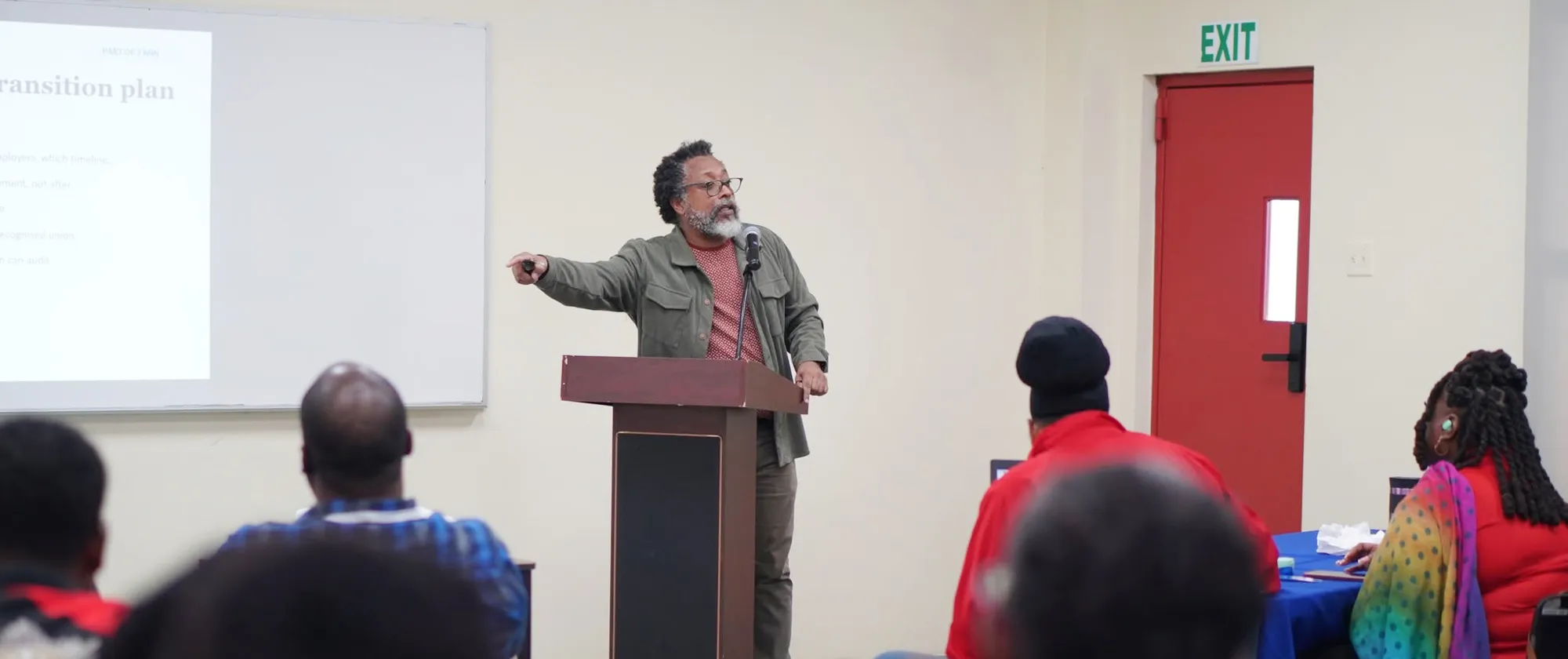
Its first workshop, held on 19 August 2026, focused on SDG literacy and the mapping of collective bargaining agreements against relevant SDG targets. Participants examined how provisions on wages, equality, occupational safety and health, social protection, training and other workplace issues already contribute to sustainable development, and where collective bargaining could help address remaining gaps.
The approach reflects a simple premise: trade unions do not engage with sustainable development only through national consultations. Many of the Goals are also put into practice through decisions made in workplaces and through collective bargaining. Stronger union capacity can therefore help translate national commitments into practical improvements for workers, while enabling workers’ organizations to contribute evidence and experience to decisions about how those commitments are implemented.
Opening the workshop, Thomas Kring, Deputy Director of the ILO Decent Work Team and Office for the Caribbean, emphasized the importance of strengthening that capacity. “That is the purpose of our support to this initiative: to strengthen the knowledge, tools and institutional capacity that enable workers’ organizations to engage effectively and to bring a strong workers’ perspective to national development discussions,” Kring said.
He also highlighted the clear roles for workers’ organizations in three aspects of the process for achieving the SDGs, namely participation, implementation and accountability. These entail contributing to the design of development priorities, helping translate commitments into action and assessing whether progress is resulting in tangible improvements in workers’ lives.
Building from evidence
The August workshop was preceded by several weeks of preparatory work designed to give the campaign a strong evidence base. During the initial phase, a 12-week work plan and stakeholder map were developed and research began on Trinidad and Tobago’s national SDG framework, its 2020 and 2024 Voluntary National Reviews and relevant ILO decent work priorities.
Importantly, the campaign secured 24 collective agreements from 12 unions across different sectors – for the collective agreement-to-SDG mapping exercise. A dedicated mapping tool was developed to identify where agreements strongly or partially advance particular SDG targets, where gaps remain and where these may present opportunities for future bargaining.
The tool looks beyond Goal 8 on decent work to issues related to social protection, gender equality, skills, non-discrimination, climate resilience and inclusive decision-making. The intention is not simply to attach SDG labels to existing clauses, but to help unions identify concrete areas in which bargaining strategies and workplace action can contribute to wider development results.
“The mapping exercise helps unions see the connection between the issues they already negotiate and the wider development agenda. It also helps identify where stronger provisions or new bargaining priorities could make a practical difference for workers while contributing to progress on the SDGs.” – Akins Vidale, Lead Consultant, Bridge to 2030 Regional SDG Awareness Campaign.
From awareness to influence
The campaign responds directly to a need identified several years earlier. An ILO-supported awareness-raising workshop in 2021 brought together 55 members from 19 unions. More than half reported having little or no knowledge of the 2030 Agenda or the national SDG process, and participants called for sustained follow-up that would move beyond awareness towards practical strategy. Bridge to 2030 was designed by the trade union movement as that next step.
For NATUC and JTUM, working together is a key element of the initiative, deploying approaches that will develop a stronger, more coordinated workers’ voice for impact. The campaign is ultimately intended to support a joint trade union position on workers’ participation in and contribution to national SDG implementation.
For the ILO, that stronger voice matters because effective implementation of the SDGs depends not only on setting national targets, but on the participation of the people and institutions that can help turn them into results.
By strengthening trade unions’ capacity to analyse commitments, use evidence, bargain around emerging priorities and engage constructively with Government, employers and the UN system, the campaign aims to help ensure that decent work, labour rights and workers’ experiences are more firmly reflected in Trinidad and Tobago’s path towards 2030.