


ILO Regional Conference in Addis Ababa
Africa charts path for labour-driven development and inclusive growth
African ministers and stakeholders commit to scaling up employment-intensive infrastructure, linking decent work with inclusive development and climate resilience at landmark ILO conference in Addis Ababa.
26 May 2025
ADDIS ABABA (ILO News) – A record 2,500 participants from 51 African countries have pledged to expand labour-based infrastructure programmes following the 20th ILO Regional Conference in Addis Ababa. The event concluded with a Ministerial Declaration emphasizing employment-driven growth, climate resilience, and inclusion as pillars of Africa’s development strategy.
Held from 19–23 May 2025 and hosted by the Government of Ethiopia in partnership with the International Labour Organization (ILO) and the African Union, the 20th ILO Regional Conference for Labour-Based Practitioners brought together ministers, development partners, experts, and social partners under the theme “Reimagining Socio-Economic Transformation Through Labour-Based Approaches.” With 25 high-level technical papers presented and participants from over 50 countries, the conference marked a new level of engagement and influence.
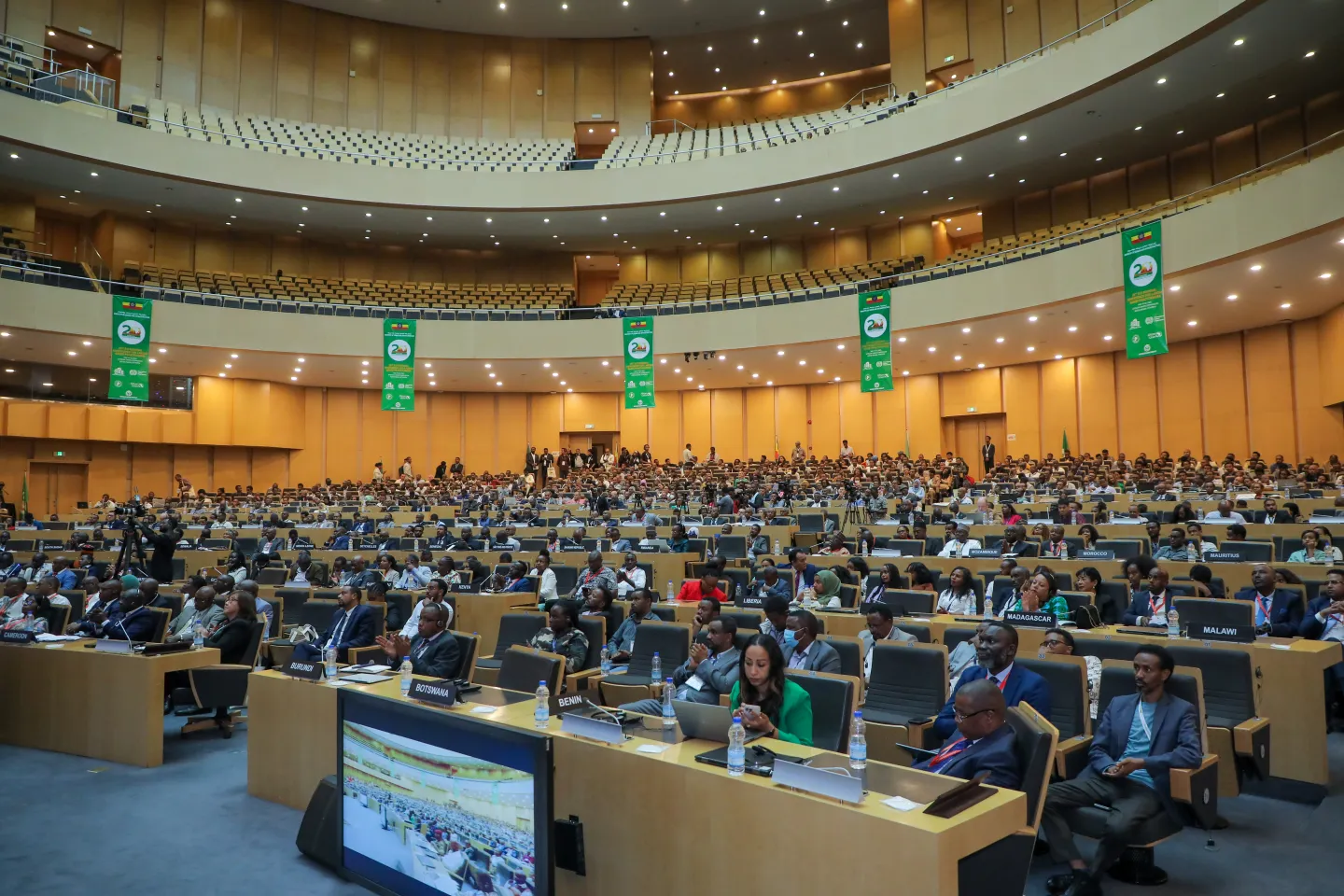
ILO Assistant Director-General and Regional Director for Africa, Fanfan Rwanyindo, highlighted the significance of the event. “The scale and enthusiasm of this conference is a clear sign that Africa is ready to take bold steps toward inclusive and sustainable development,” she said.
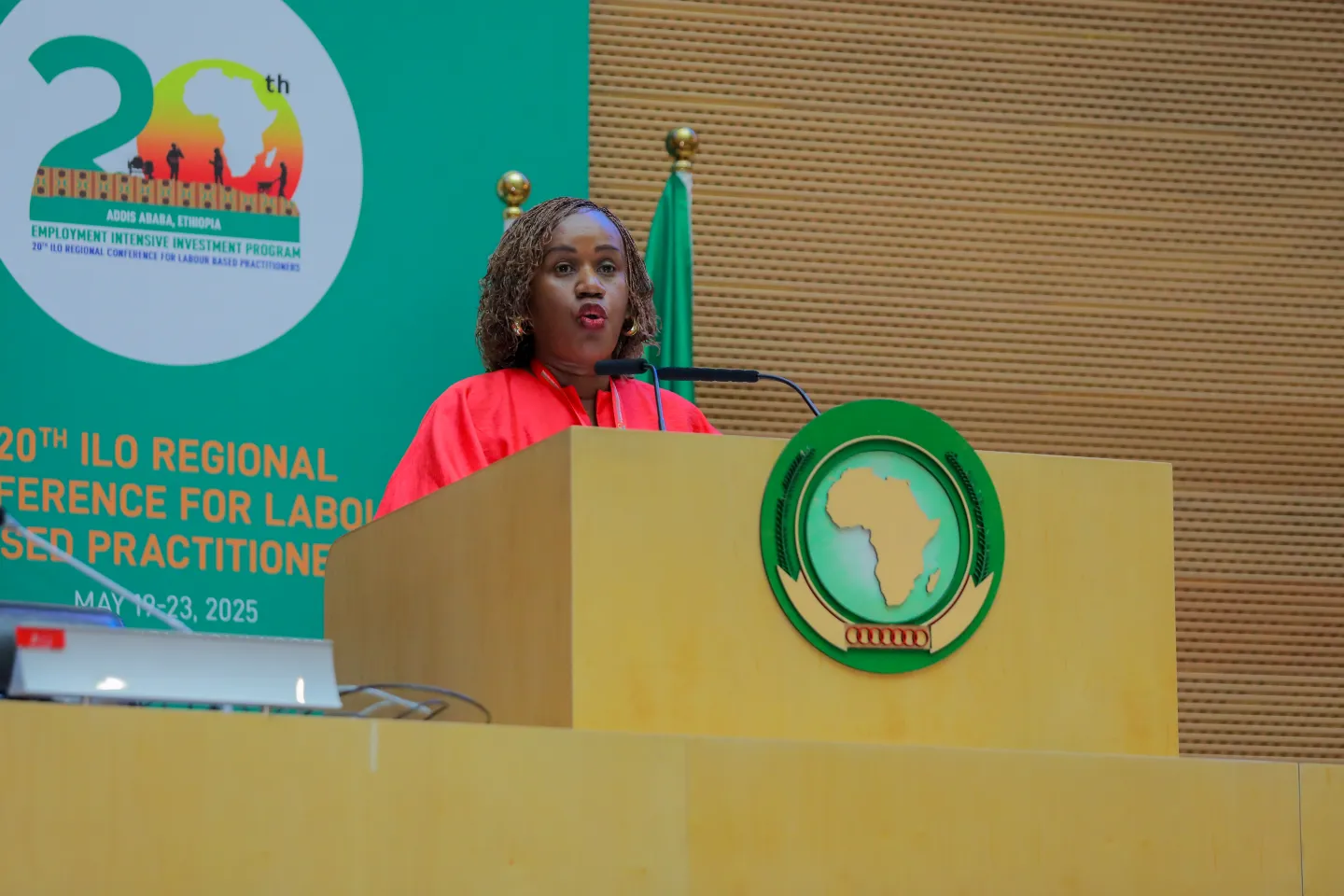
“This is not just a technical forum—it is a collective movement toward empowering communities and protecting the planet.”
Employment as a Driver of Development
In his address, ILO Director-General Gilbert F. Houngbo emphasized the need for integrated economic policies that prioritize decent work. “Too often, policymakers have viewed employment generation, rights protection, and economic growth as separate or even competing priorities, requiring difficult trade-offs,” he said. “Monetary and fiscal policies must evolve to recognize employment outcomes as key objectives alongside macroeconomic stability.”
Opening the conference, Tagesse Chafo, Speaker of Ethiopia’s House of Peoples’ Representatives, called the programme a model for sustainable development. “It combines the urgency of job creation with the responsibility of environmental protection,” He said.
A Closer Look: Local Innovation and Impact
One of the conference’s highlights was a field visit to Ethiopian public employment programmes, showcasing how labour-based infrastructure can simultaneously create jobs, develop skills, and strengthen local economies. Ministers from 25 countries witnessed first-hand the transformative impact of employment-intensive investment programmes (EIIP), particularly for young people and persons living in rural or fragile settings.
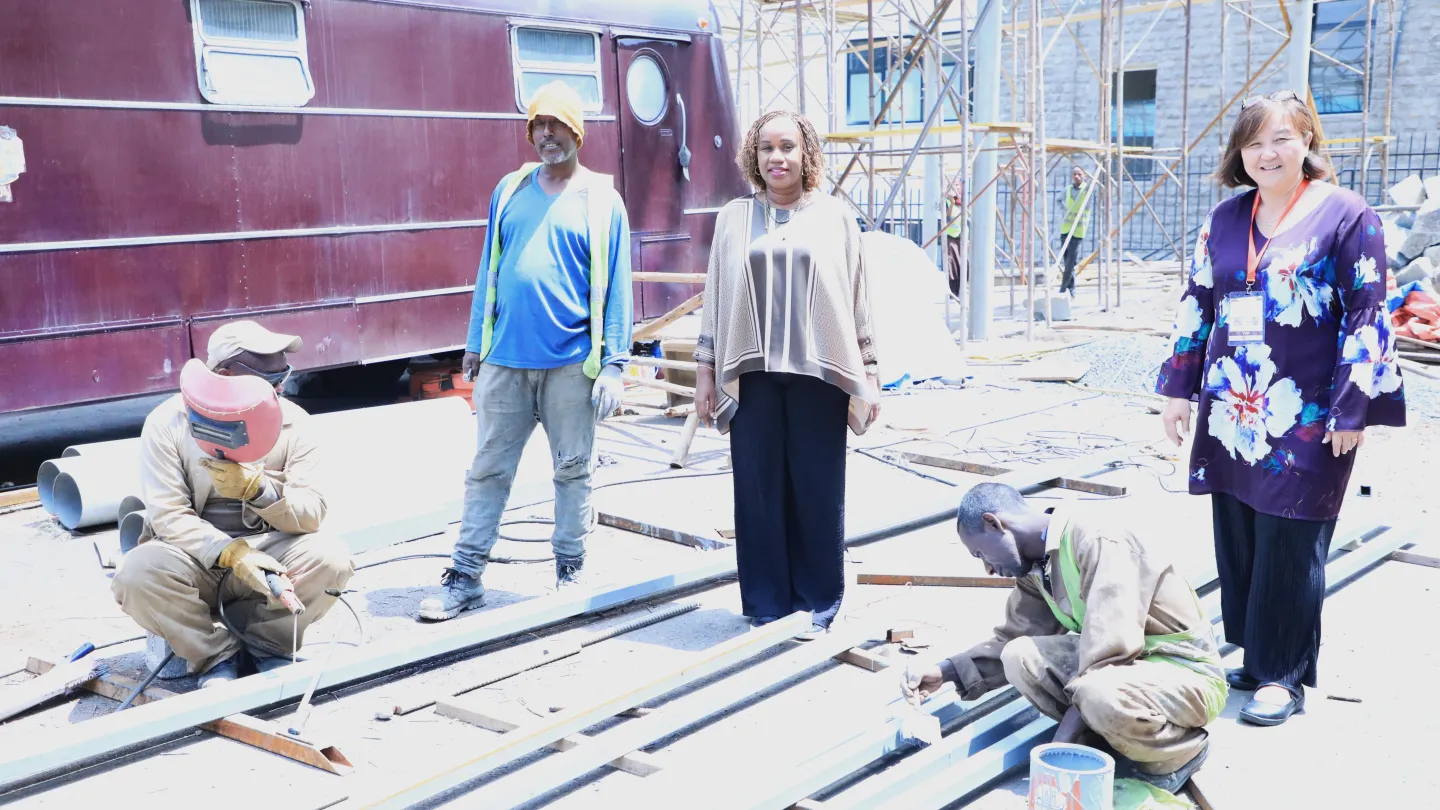
Stephen Opio, Chief Technical Advisor for the ILO PROSPECTS project in Ethiopia and Sudan, emphasized that labour-based strategies offer an entry point for inclusive market systems in fragile and displacement-affected areas. “These approaches not only address immediate employment needs but also lay the foundation for medium-term economic recovery,” he noted.
Partnership for Progress
The conference underscored the value of partnerships, with support from the African Development Bank, the World Bank, GIZ, UNHCR, and national public works programmes. It also marked a turning point in regional collaboration, with increased engagement from francophone, lusophone, and anglophone countries exchanging experiences and tools.
Paula Schindeler, Deputy Head of Mission at the Embassy of the Kingdom of the Netherlands in Ethiopia, pointed to the demographic dividend at stake. “Increasing employment opportunities for young people in Ethiopia and countries across Africa is critical to make optimal use of the continent's potential for accelerated economic growth.”
Beyond Policy: A Springboard for Action
Sessions explored cutting-edge themes such as the balance between labour, technology, and sustainability; local innovation and job creation; and the potential of green jobs to address both unemployment and climate vulnerability. African Union representative Dr. Sabelo urged delegates to move beyond policy dialogue to measurable results, calling the event “a springboard for real action.”
The conference also addressed structural challenges: Africa’s infrastructure gap, informality, and social protection deficits. ILO experts highlighted how labour-based programmes can tackle these barriers while promoting equity and environmental sustainability.. “Infrastructure is more than concrete and steel, it is a path to dignity, equity, and opportunity,” said Dr. Mito Tsukamoto, Chief of the ILO’s Employment-Intensive Investment Programme (EIIP).
Looking Ahead
As Africa prepares for the next ILO Regional Conference in 2027 - in Lusaka, Zambia, the momentum generated in Addis Ababa sets a solid foundation for the years ahead. The outcomes will feed into key global events, including the 113th International Labour Conference and the Second World Social Summit later this year.
In her closing remarks, Fanfan Rwanyindo expressed admiration for the host country’s leadership and unity. “Ethiopia has not only hosted us with grace, it has led by example. I commend the Ministers and the National Organizing Committee for showing us what shared purpose and coordination can achieve,” she said.
“This week we have seen what works. Now is the time to act; with unity, with urgency, and with the unshakable belief that every African deserves a chance at decent work and a dignified life,” Rwanyindo concluded.