

Photo Essay – Empowering Lebanon's youth
Zero Waste Community: Transforming Lebanon's Garbage Crisis into Opportunity
Social entrepreneurs in Lebanon successfully grew their businesses through EMDAD, an ILO PROSPECTS-led initiative that offered financial support, personalized coaching, technical training, and networking opportunities, boosting their community and economic growth. Discover how Nibal Daouq's Zero Waste Community is transforming Lebanon's waste management, promoting sustainability, and fostering green citizenship.
14 May 2024
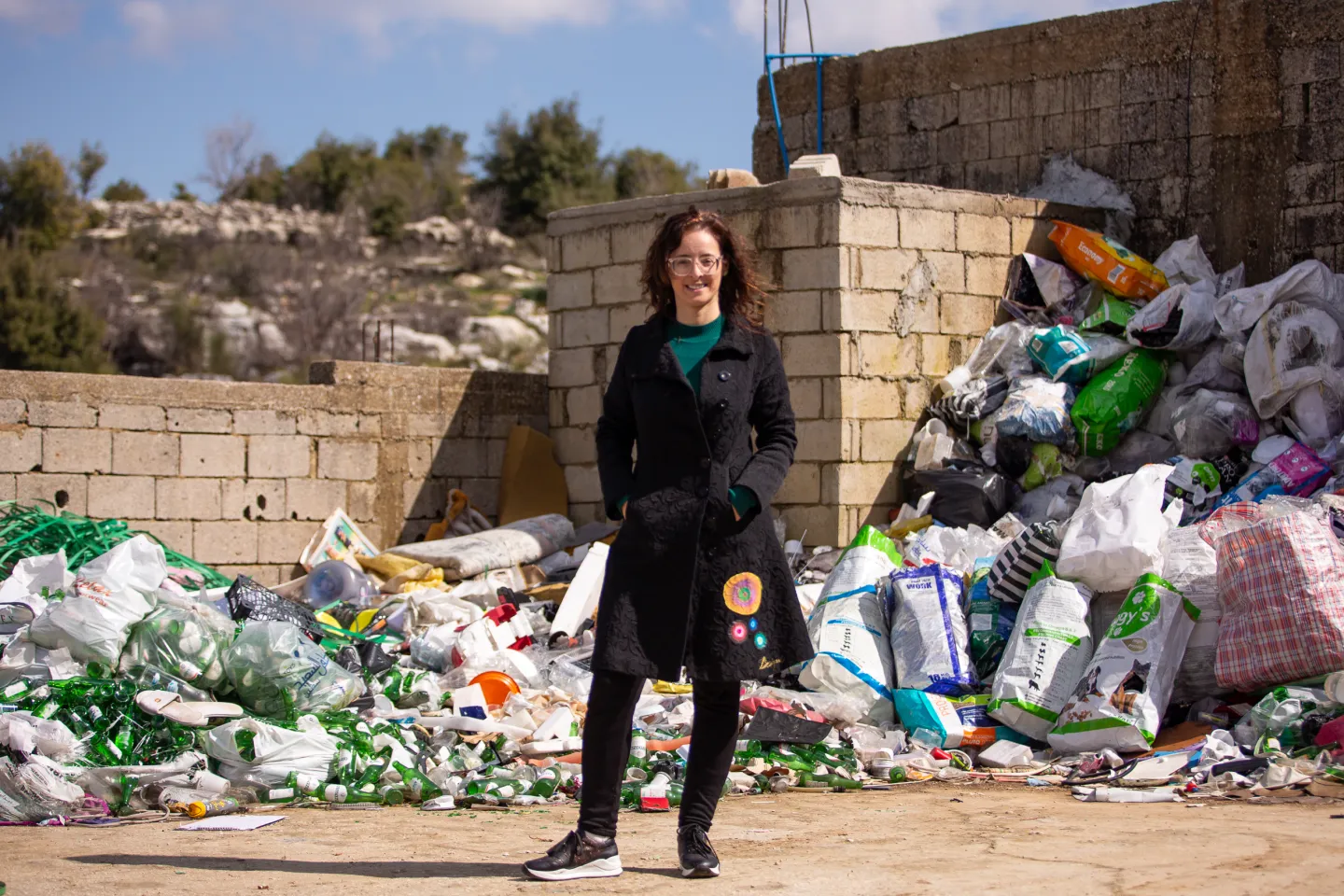
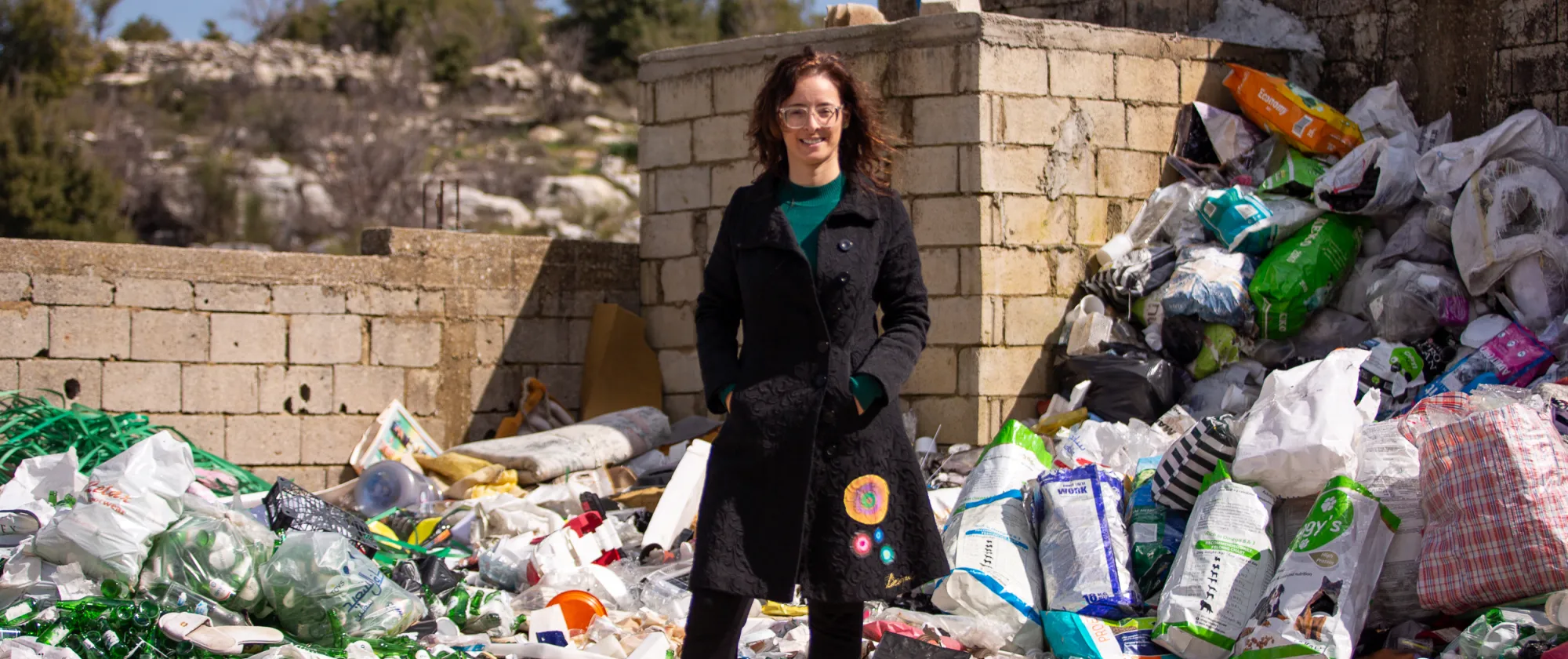
Lebanon (ILO News) - Founder of Zero Waste Community Nibal Daouq stands in the premises of her recycling plant in the Chouf area. Zero Waste is an environmental initiative set to encourage collective participation and promoting sustainable environmental practices within a circular economy framework. Zero Waste tailors customized plans to local facilities, converting wasted resources into valuable raw materials, creating job opportunities, and nurturing a culture of green citizenship.
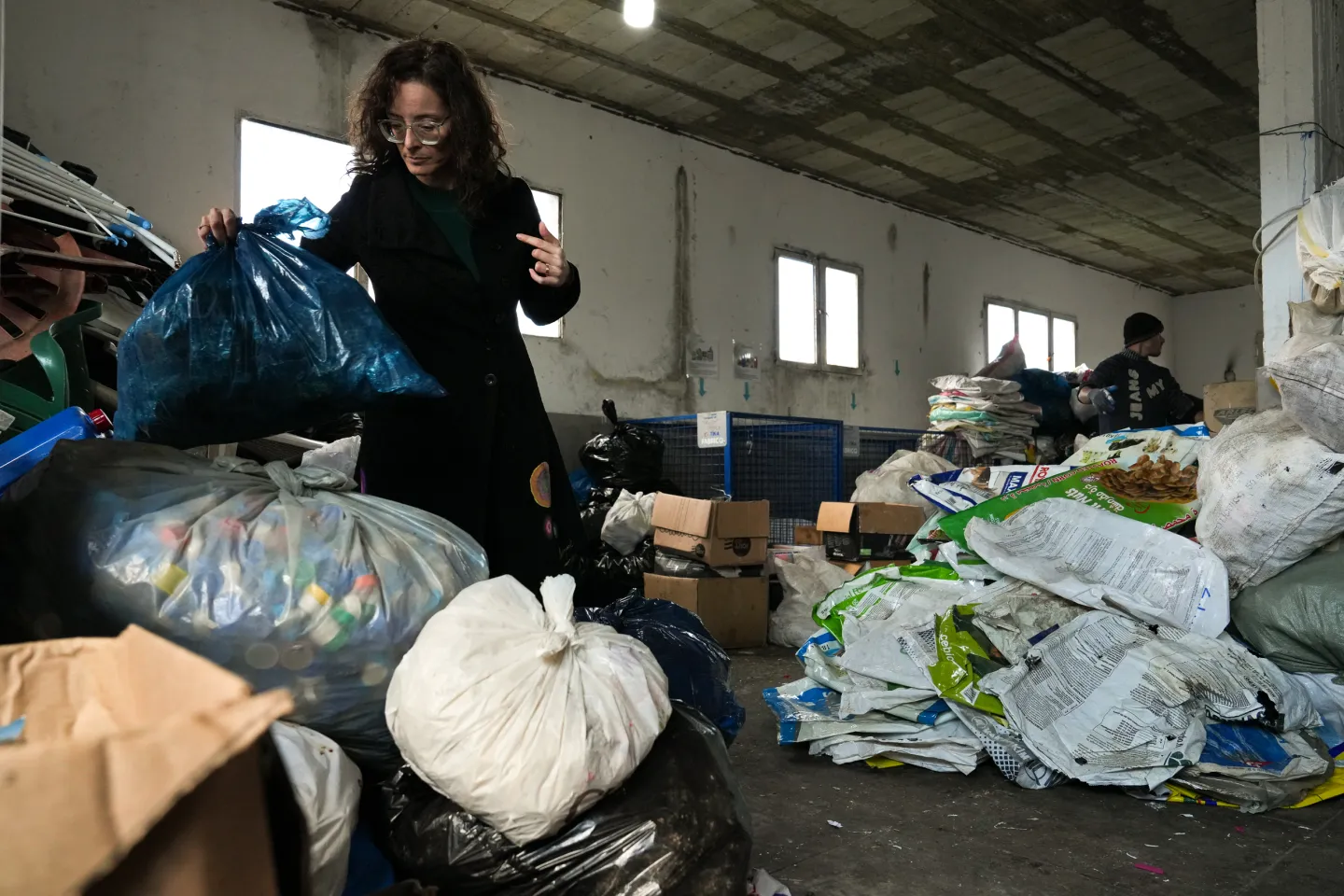
Daouq and one of her employees work in the enterprise facilities. “The initiative took root in mid-2020 and gained legal recognition as an NGO in 2023,” says Daouq. “The inspiration struck upon my return from the UAE, where waste disposal was organized based on material types—a system lacking in our country. Recognizing Lebanon's pressing garbage problem, marked by indiscriminate waste disposal and overflowing bins, I, along with a group of friends, launched this initiative to bridge the gap. Our goal is to instill responsible waste management practices, combat littering, and advocate for a cleaner environment in Lebanon.”

Challenges arose from societal taboos regarding the sector, causing resistance among some individuals and a general lack of community interest in these activities. Previous recycling initiatives faced setbacks, leading to decreased local interest and hope.
Starting with eight households and partnering with an external service for waste collection, our initiative now spans 35 villages in the Chouf area, with 1,100 collection points. This includes households, schools, and supermarkets.
Our team of six directly benefits from revenue generation. One driver now coordinates our warehouse, a valued team member from the local community for three years.
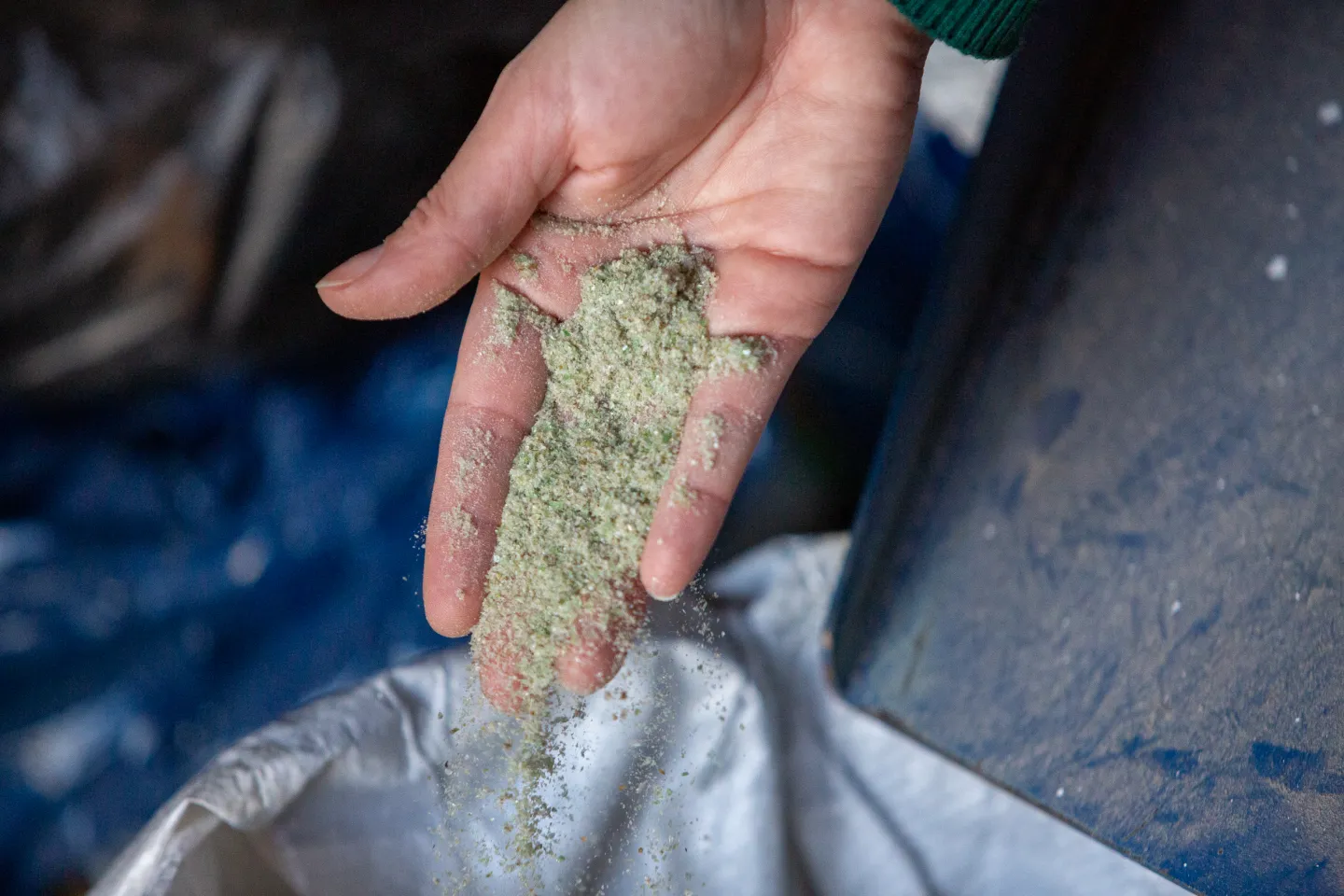
Nibal Daouq shows processed glass her enterprises will share with local companies for reuse. “Those interested contact us to sign up for our completely free service. We visit their doorsteps to collect waste, emphasizing that their participation not only supports job creation but also aids in sustainable waste management,” she says.
“Upon the truck's arrival, garbage is sorted immediately at collection, with some materials being compacted and others undergoing different treatment methods. After collection, our drivers deposit the waste at designated dropping areas for further assessment and a second round of sorting, aligning with the manufacturers' preferences.”
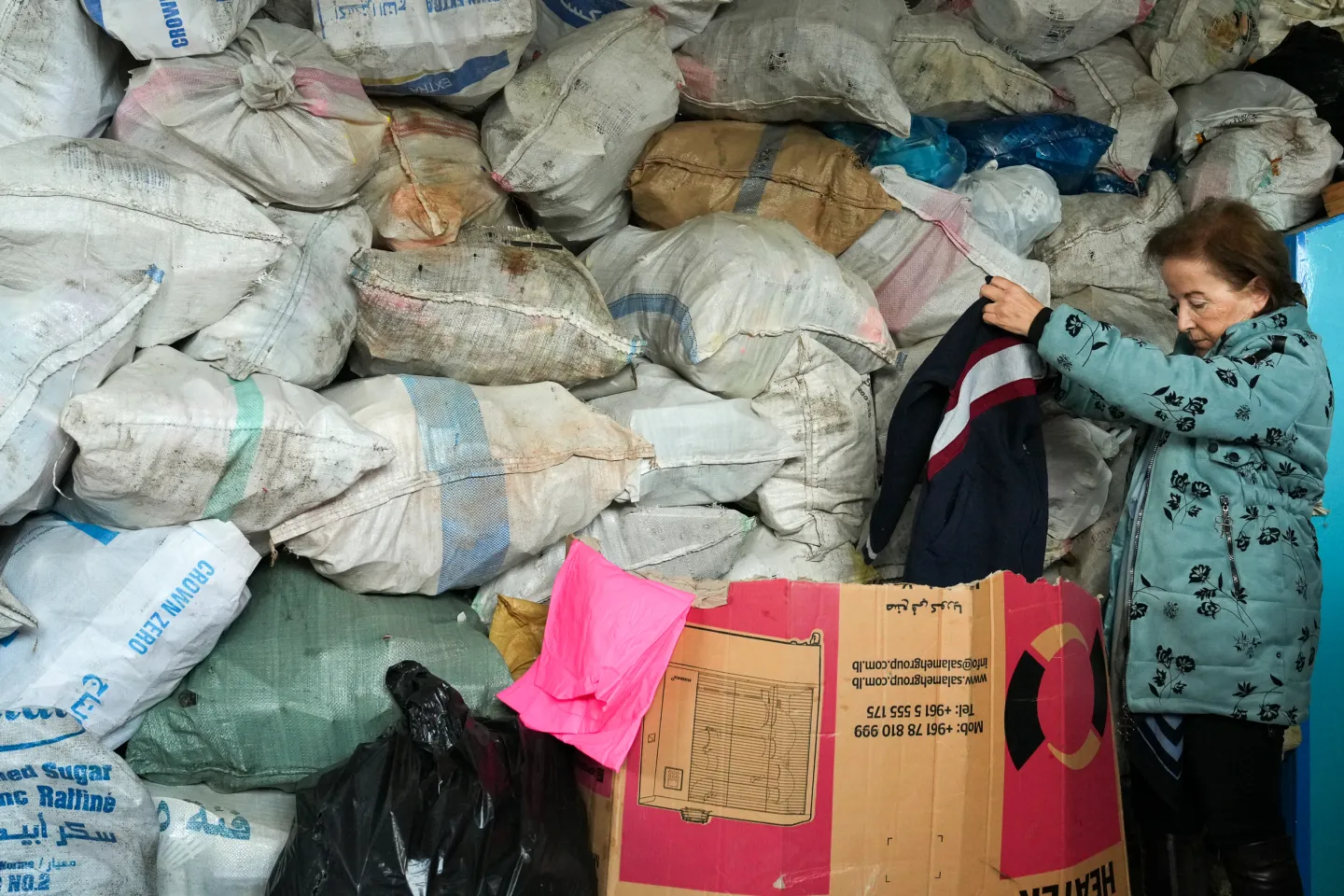
Daouq’s mother sorts second-hand garment in Zero waste Community’s premises. “We manage ten types of waste, a unique service in which we are the sole providers,” says Daouq. “Six types generate revenue through sorting, while the other four are collected purely for environmental reasons. High-Density Polyethylene (HDPE) plastic waste is valuable but expensive to recycle in Lebanon, so we partner with specialized organizations due to the limited options locally. Textiles such as clothes and shoes contribute to sustainability but don't bring in direct revenue.
Our strength lies in collaboration, forming partnerships within our network. Our vision focuses on using existing resources, creating innovative solutions, and building valuable collaborations.”
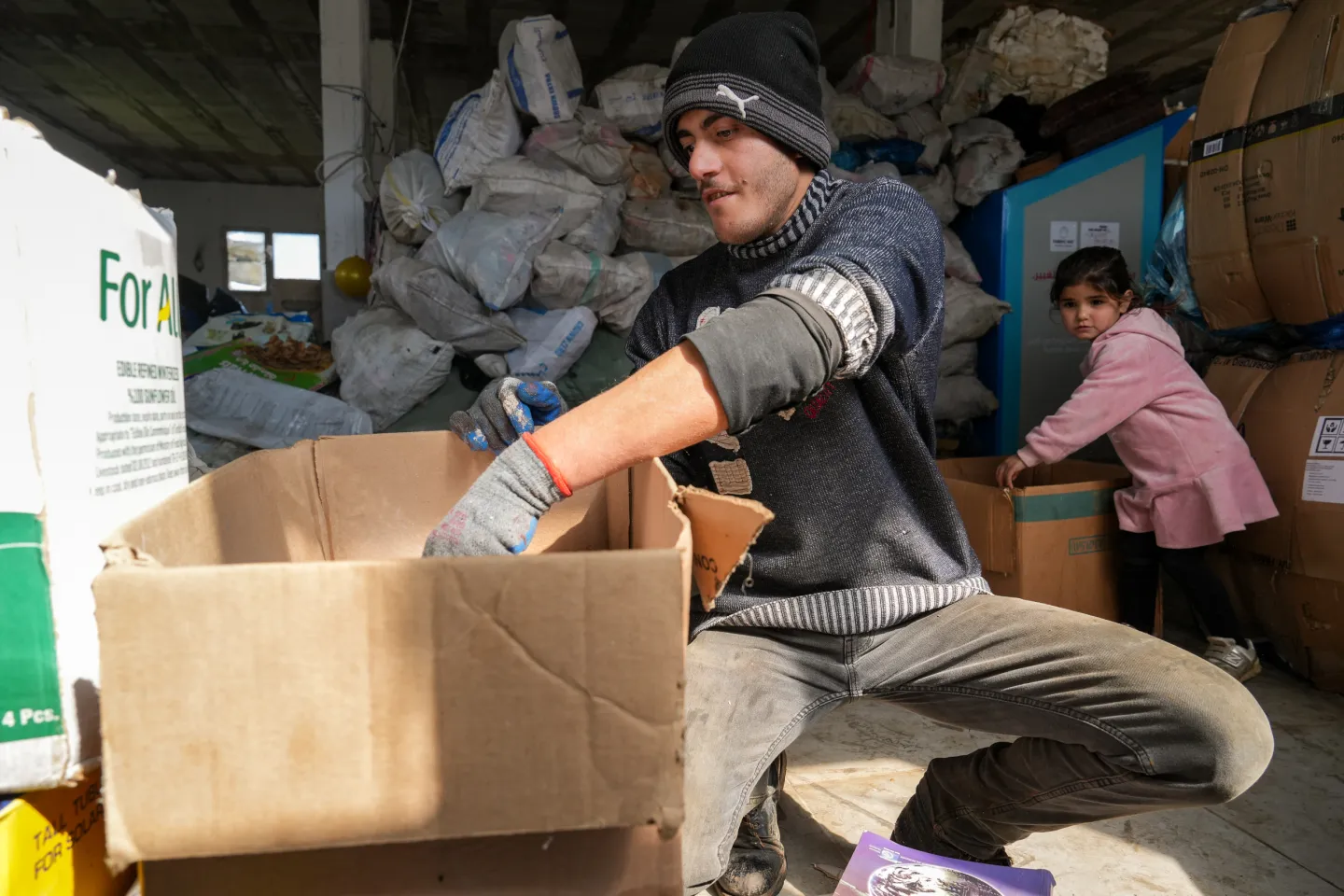
One of Zero Waste Community employees sorts out paper while a girl from the neighbourhood plays along with him in the plant’s premises. “With Emdad's support, we've invested in solar panels and are close to acquiring a new pickup truck,” says Daouq. “These investments not only sustain jobs but also boost our data management with a new information system. This system will help us analyse data efficiently, improve decision-making, and guide data-driven strategies for impactful actions. We're driving a cultural shift towards zero waste, inspiring people to adopt a waste-conscious lifestyle.”
About EMDAD
Young entrepreneurs from 18 social and solidarity economy entities (SSEs) managed to successfully launch and scale up their businesses in Lebanon, expanding their activities while improving the lives of their communities through EMDAD (Arabic for support), a one-year ILO Prospects-led initiative, supported by the Kingdom of the Netherlands.
Entrepreneurs, start-ups, micro, small, and medium-sized enterprises (MSMEs) with social impact projects were selected through a country-wide application call in April 2023. Shortlisted entrepreneurs who passed this first step followed through the following pitching process a few months later. Here, they had the chance to describe their projects, goals and ways the support received would help them thrive and make a difference across their communities.
Through EMDAD, select projects received up to 20,000USD in the form of grants along with six months of personalized coaching sessions, technical training, and access to networking events. This eventually equipped them with the required tools and support to succeed. The full initiative ended in March 2024.
One of EMDAD’s key objective has been supporting the creation and growth of social enterprises to generate decent and tangible employment opportunities, addressing the urgent socio-economic needs the country is facing amid its ongoing multi-level crisis.
Fostering social cohesion and inclusivity was another crucial element at the core of the initiative. Engaging vulnerable Lebanese host communities and Syrian refugees through employment opportunities within their shared society proved to be a valuable step in improving individual and the community’s livelihoods.
EMDAD was implemented in collaboration with makesense Lebanon, Cooperazione per lo Sviluppo (COSV) and Research and Professional Services for the MENA Region (RPS).
Throughout the project, we documented the work of the select SSEs across Lebanon, capturing the work of several of the initiatives we supported, whose insights into their journey and impact you will find below.
Relevant projects

ILO-Netherlands Partnership
Partnership for improving prospects for forcibly displaced persons and host communities (PROSPECTS) in Lebanon
Programme
Partnership for improving prospects for forcibly displaced persons and host communities (PROSPECTS)