Zambia charts new path for tourism growth through skills development
Siavonga, Zambia (ILO News) – Zambia is taking bold steps to strengthen its tourism sector by addressing critical skills gaps, a move expected to boost economic growth and job creation.
15 November 2025
The Tourism sector currently contributes 7 percent to the Gross Domestic Product and is projected to employ 194,000 people by 2027, but experts say its success depends on building a skilled workforce.
This was the focus of the Tourism Sector Skills Strategy Validation Meeting, held from 13–14 November 2025 at Lake Safari Lodge in Siavonga.
Organized by the Zambia Federation of Employers (ZFE) and the Skills Advisory Committee under the Ministry of Labour and Social Security (MLSS), the meeting was supported by International Labour Organization (ILO) under the European Union—funded Skills Development for Increased Employability Programme (SDEP).
The gathering brought together over 35 stakeholders from government, employers’, workers’ organizations, training institutions, and development partners.
ILO Country Director for Zambia and Malawi, Mr. Wellington Chibebe said the Draft Tourism Sector Skills Strategy would help unlock Zambia’s tourism potential and address skills gaps in the sector.
Mr. Chibebe emphasized the transformative potential of the strategy: “The strategy focuses on improving the relevance and quality of tourism training, fostering private-sector partnerships, and integrating green and digital skills to create sustainable jobs. Tourism is more than an economic sector— it is a gateway to opportunity and sustainability.”
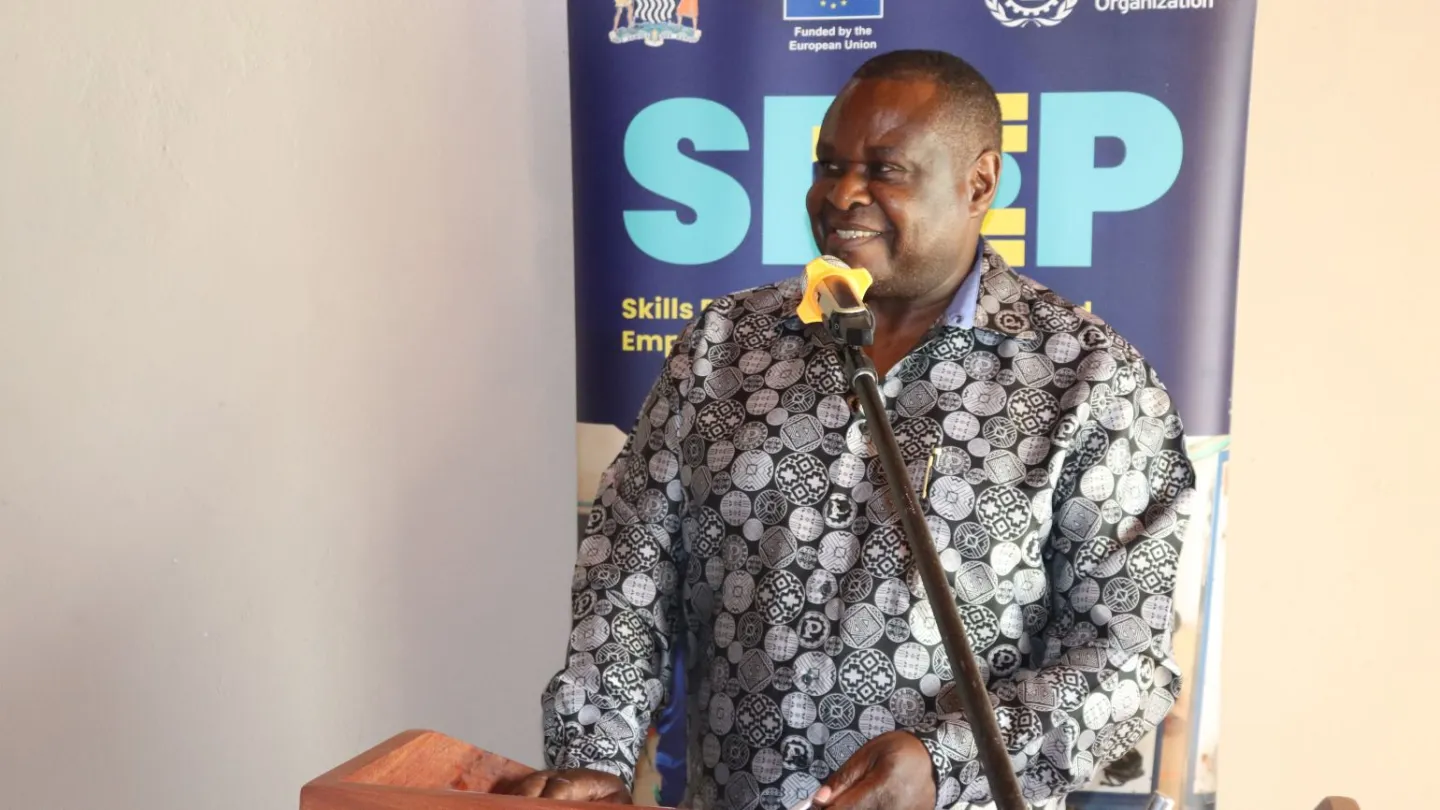
Representing the Labour Commissioner, Mr. Givens Muntengwa, Ministry of Labour and Social Security Assistant Director- Social Security- Mr. Victor Chikalanga explained that under SDEP significant progress has been made in skills development, including the recognition of four Sector Skills Bodies (SSB) tasked with aligning training programmes to industry needs in tourism, agriculture, mining, and manufacturing.
“Vocational training institutions are being equipped with modern infrastructure to produce graduates who meet global standards,” Mr. Chikalanga said. “Legislative reforms, such as updates to apprenticeship and work-based learning laws under the Employment Code Act, have strengthened Zambia’s skills development framework.”

Meanwhile, Zambia Federation of Employers (ZFE) Executive Director Mr. Harrington Chibanda urged businesses to host apprentices and mentor trainees.
Mr. Chibanda said although tourism remains one of Zambia’s most dynamic sectors, offering opportunities for employment, entrepreneurship, and export diversification, there was need to address skills gaps threatening competitiveness.
“The ILO’s Skills for Trade and Economic Diversification (STED) approach, alongside apprenticeship and Work-Based Learning (WBL) programmes, aims to bridge this gap by aligning training with industry needs,” he said.
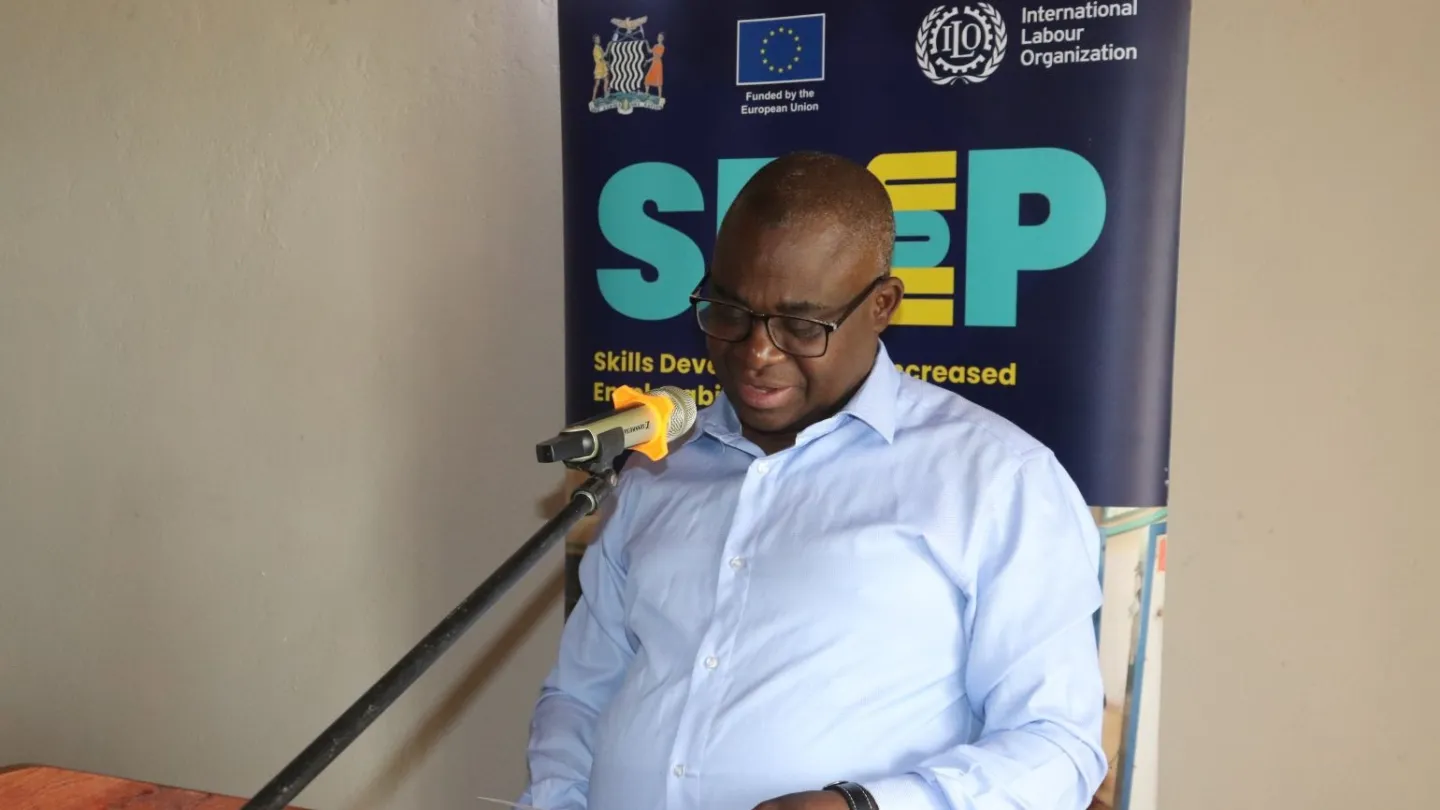
Zambia Congress of Trade Unions (ZCTU) Public and international Relations Director, Mr. Kabika Kakunta urged employers to promote skills training among workers, stating that employers would reap more benefits when workers are well-trained.
“Closing Zambia’s skills gap is urgent. Through SDEP, we must invest in demand-driven training that empowers youth, women, and workers for decent jobs and a competitive tourism sector,” he said.
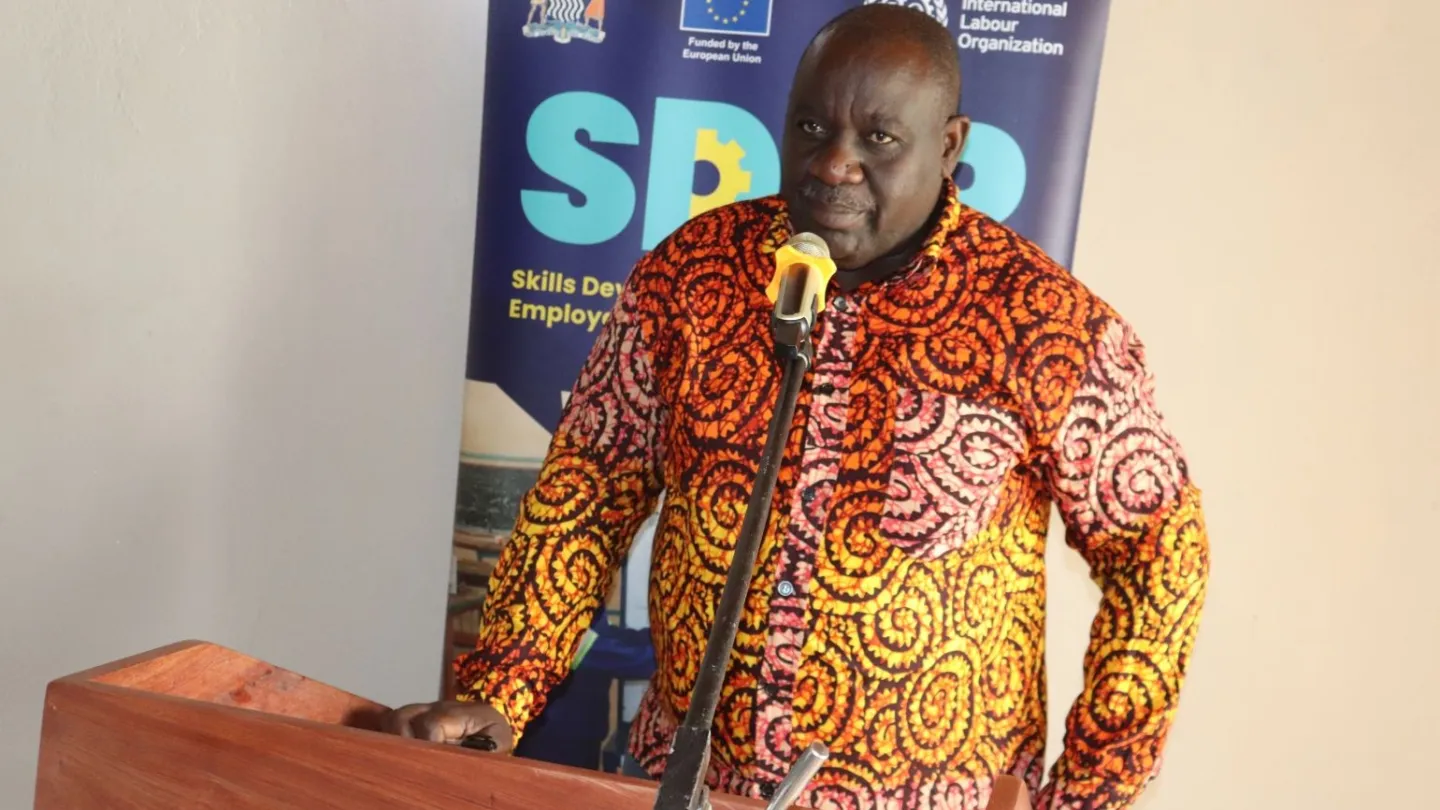
Ministry of Tourism, Chief Human Resource, Management and Development Officer, Mr Gershom Mulenga praised SDEP for narrowing skills gaps and building institutional capacity.
“SDEP has come at the right time to narrow skills gaps in the tourism sector,” Mr. Mulenga said. “This workshop has helped the ministry build capacity among training institutions. Even when the project ends, we should sustain the initiative through collaboration with other ministries and stakeholders.”

Tourism Council of Zambia (TCZ) Secretariate Manager, Ms. Agness Lisulo said: “We have been providing programmes that were not relevant to industry needs. This strategy will help attract more tourists and enable the council to formulate informed policies for national development.”
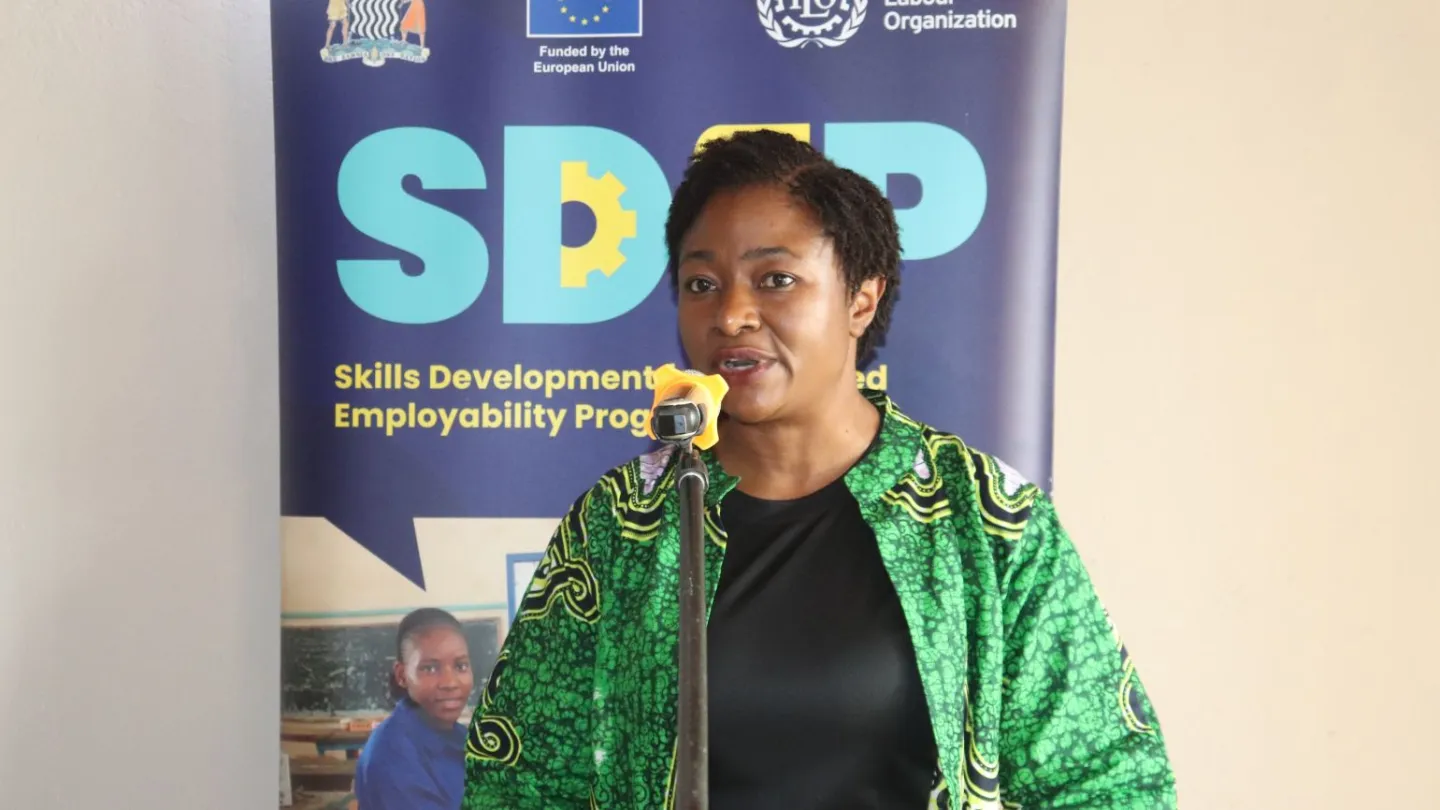
Meanwhile, Ministry of Youth, Sports and Arts Senior Youth Development Officer, Ms. Linda Mukuwa emphasized collaboration: “Zambia has a youthful population. We must harness our own skills and reduce reliance on expatriates. This meeting was an eye-opener toward addressing skills gaps and enhancing employability for young people.”
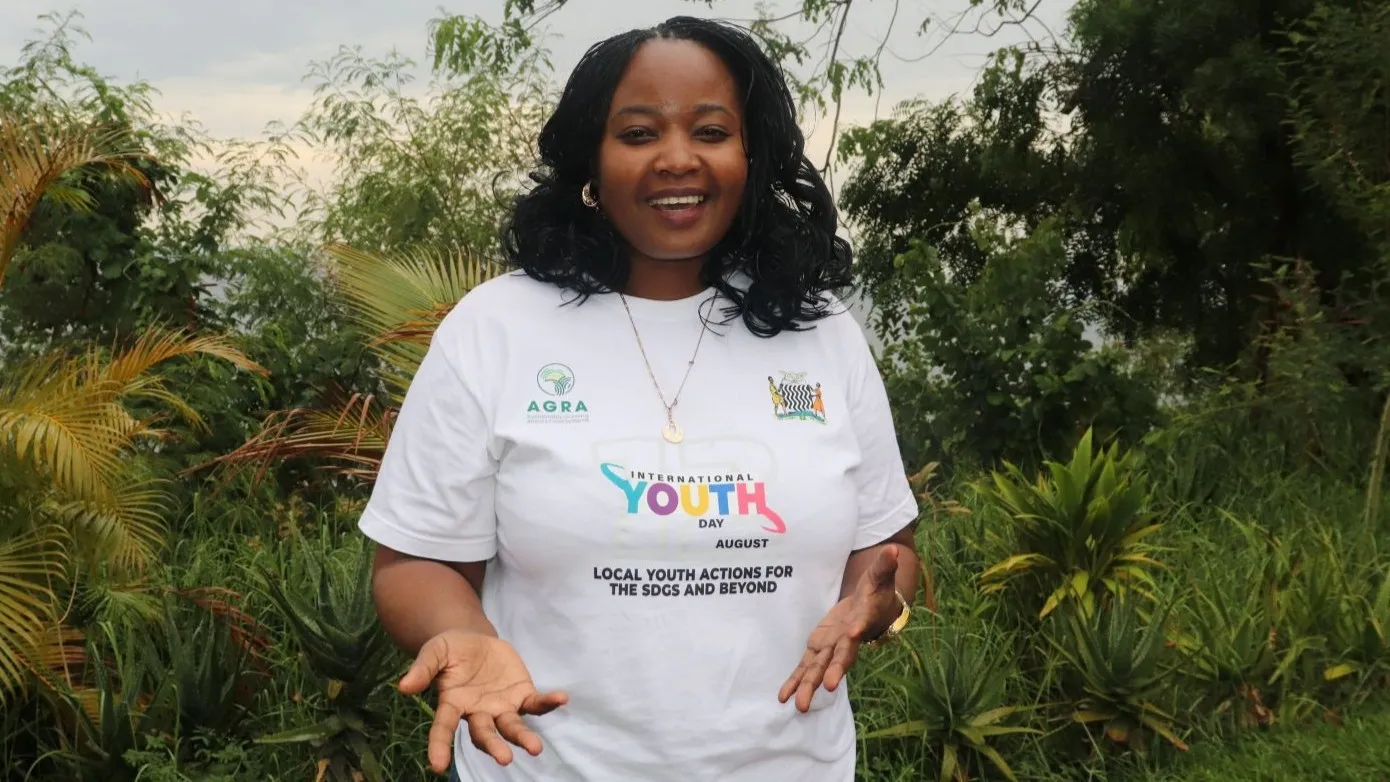
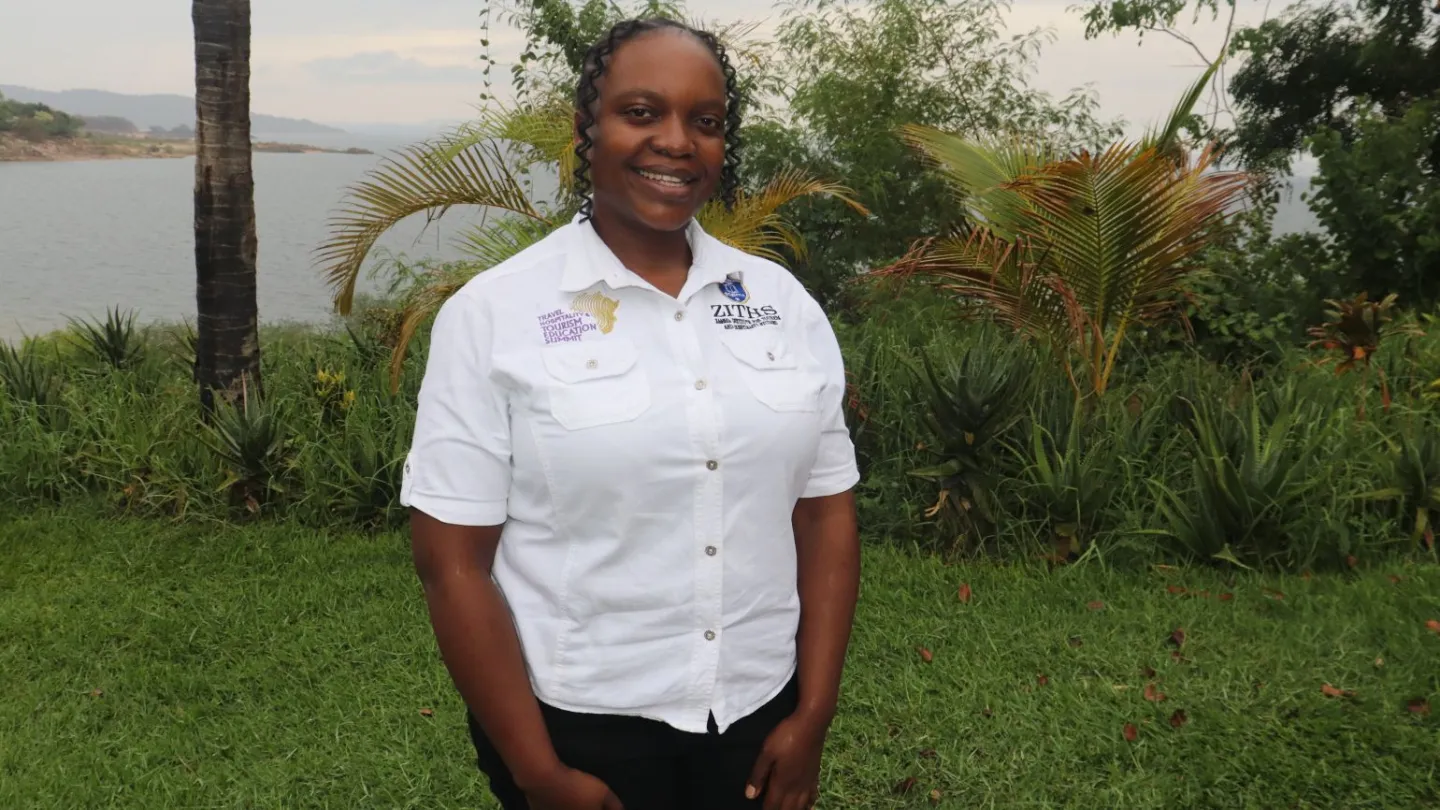
Ms. Kulumbwa Nsangu, Senior Lecturer at the Zambia Institute for Tourism and Hospitality Studies, added: “The establishment of the Tourism Sector Skills Body will help trainers design relevant programs and improve competitiveness. This workshop is a step in the right direction because it created a platform for all stakeholders to discuss industry needs.”