


Youth beneficiaries strengthen technical skills through E-Waste site visits and electronic waste dismantling training
Twenty-two youth from Limpopo strengthened practical e-waste skills through industry site visits and hands-on dismantling training in Johannesburg, supporting pathways to decent work and participation in South Africa’s circular economy.
12 December 2025
South Africa, Johannesburg (ILO News) - As part of the E-Waste for Youth Employment in Limpopo Province Project, funded by the Government of Japan, the International Labour Organization (ILO) in partnership with EWASA, RadTech, DFFE and LEFET facilitated a four-day technical learning programme in Johannesburg from 25–28 November 2025. The initiative forms a critical component of efforts to equip young entrepreneurs with the skills, exposure, and confidence required to participate meaningfully in South Africa’s growing circular economy.
Twenty-two youth beneficiaries travelled from Limpopo to Johannesburg for a structured programme that combined industry site visits with an intensive e-waste dismantling training at RadTech. The activities were designed to offer practical insights into the e-waste value chain, strengthen occupational safety practices, and prepare participants for viable enterprise development within the sector.
Learning from Established E-Waste Operations: DESCO and E-Waste Africa
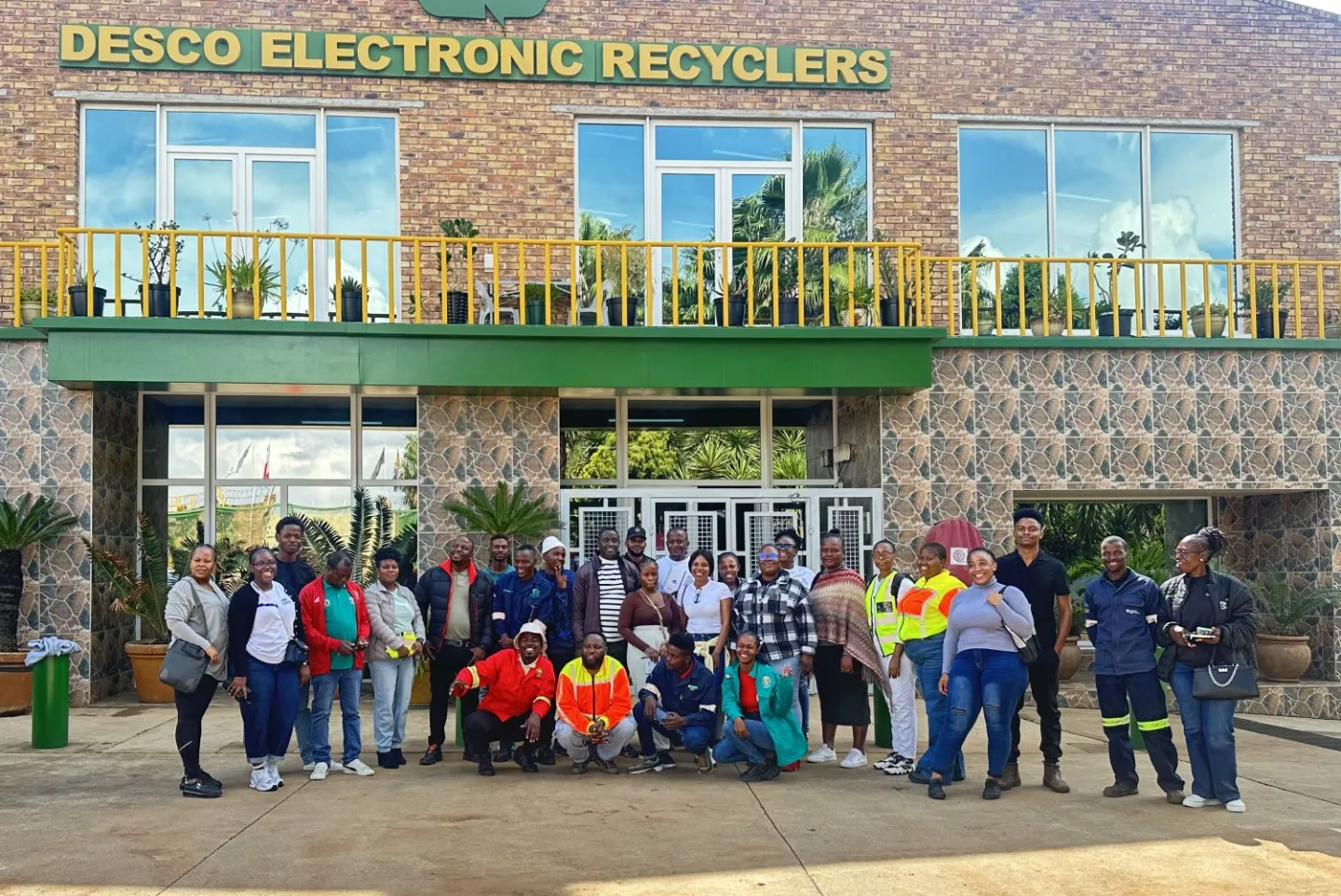
The programme began with guided study visits to DESCO and E-Waste Africa, two long-standing players in South Africa’s recycling ecosystem. For many of the beneficiaries, this was their first exposure to large-scale formal recycling environments.
At both facilities, participants observed end-to-end processes including collection, sorting, dismantling, material separation, warehousing, and compliance procedures. Technical teams demonstrated how recyclable fractions such as metals, plastics, printed circuit boards, and cabling are recovered and prepared for downstream markets. Beneficiaries engaged in interactive question-and-answer sessions that helped demystify operational workflows, regulatory expectations, and the realities of running a compliant recycling enterprise.
These visits underscored the importance of safe handling, environmental responsibility, and systematic record-keeping within the recycling chain core elements of decent work and sustainable industry practice that the project seeks to strengthen in Limpopo.
Building Hands-On Skills Through Technical Dismantling Training at RadTech
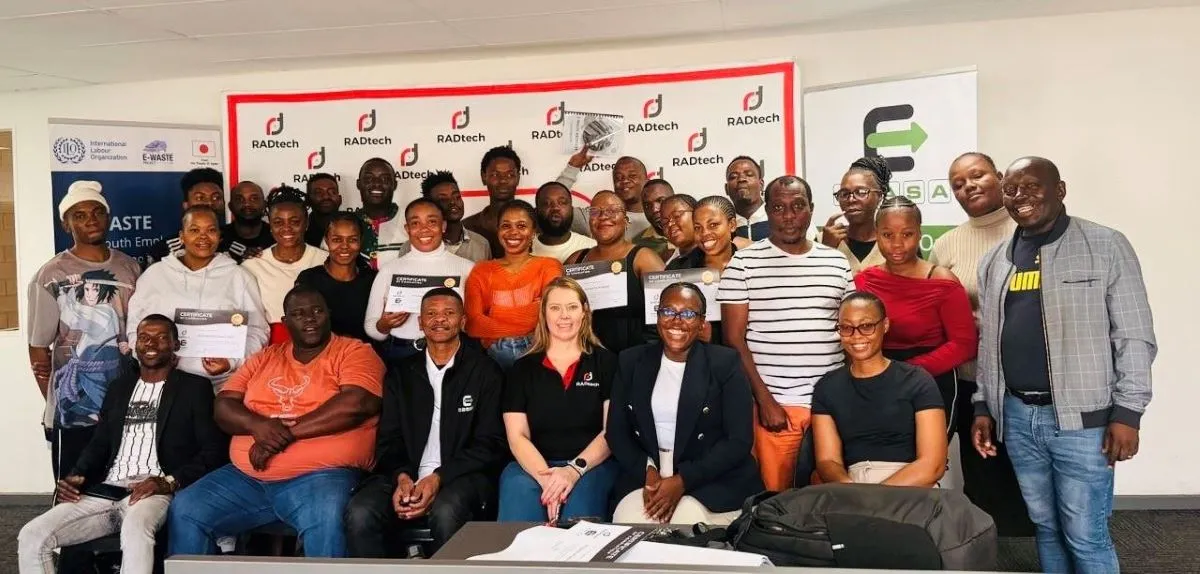
Following the industry exposure, participants attended a three-day dismantling and compliance training delivered by RadTech, a recognised training provider and member of EWASA. The training focused on safe manual disassembly of common electronic devices, fraction identification, and basic compliance principles needed to operate responsibly within the sector.
Over the three -days, youth underwent a structured curriculum that included:
- Safe use of PPE, basic tools, and injury-prevention protocols.
- Practical dismantling of small IT devices, PCs, laptops, monitors, printers, and household equipment.
- Sorting and storing recyclable fractions such as plastics, metals, cables, and PCB grades.
- Introduction to grading, material valuation, and simple record-keeping templates.
- Understanding monthly reporting processes and compliance requirements, including regulations on disposal, quarantine, and responsible recycling.
Sessions were highly practical, with participants disassembling real equipment under supervision, allowing them to build confidence in tool handling and develop an understanding of value recovery opportunities within e-waste streams. The training concluded with discussions on responsible recycling, regulatory commitments, and the importance of environmental stewardship in business operations.
Strengthening Pathways into the Green Economy
The combination of industry exposure and practical skills training has positioned the 22 youth beneficiaries to better identify viable entry points into South Africa’s e-waste value chain. Many participants expressed renewed confidence in pursuing micro-enterprises in dismantling, refurbishment, aggregation, and material recovery.
The site visits and training directly support the project’s broader objectives of promoting decent work, strengthening municipal e-waste systems, and enabling young people to participate in the transition to a greener, more circular economy in Limpopo.
Through continued support from the ILO, national partners, and the Government of Japan, the programme is building a pipeline of skilled, safety-conscious, and environmentally responsible e-waste practitioners who can help shape a more sustainable future for their communities.