

Capacity building in small businesses
Youth and women recount their inspiring journeys into agribusiness with support from the ILO ProAgro Ethiopia
The ILO ProAgro Ethiopia project is transforming small businesses through innovative initiatives in the Sidama region. From empowering women in agribusiness with modern equipment to supporting youth in poultry processing and eco-friendly ventures, the project fosters sustainable livelihoods. Highlights include technical training, water system support for farmers, and the creation of eco-agribusiness hubs promoting green production. These efforts not only enhance self and wage employment but also lay the groundwork for long-term development in Ethiopia.
29 November 2024
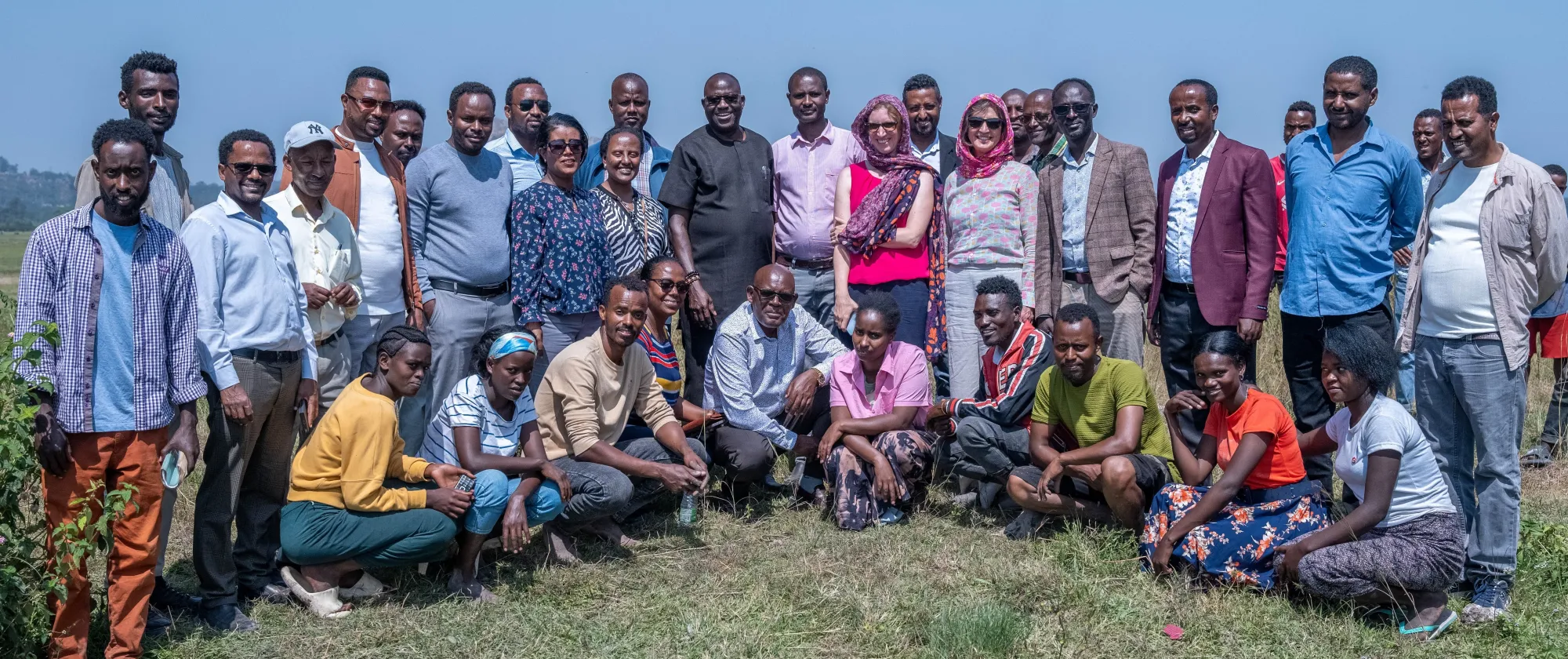
Sidama, Ethiopia (ILO News) - In addition to business coaching, regular visits are conducted jointly by the ILO ProAgro Ethiopia project staff and regional government officials assigned to coordinate and mentor small businesses. These field visits not only demonstrate the impact of the ProAgro Ethiopia project but also provide small business owners with an opportunity to share feedback on their challenges and expectations.
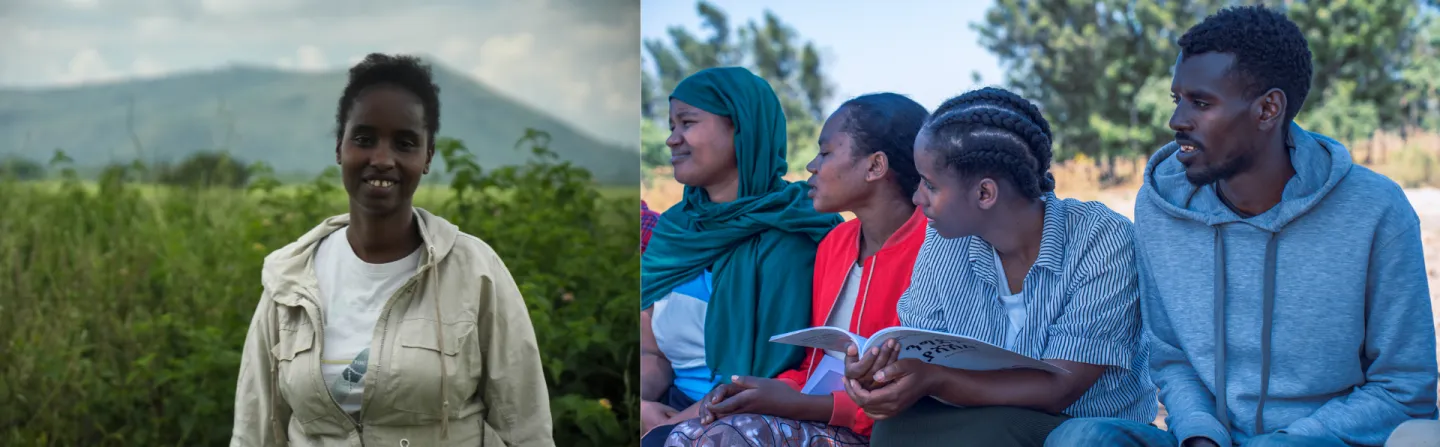
“After graduating with a degree in Accounting and Finance, I was unemployed for about five years. With support from the regional enterprise bureau and the ILO ProAgro Project, our group of eight youth members received training and has been engaged in vegetable production. Personally, I have greatly benefited from this business and am now encouraged to work even harder in the sector for the future.”
Amsalu Melese, Vegetable farmer, Hawassa, Sidama region, Ethiopia
The Confederation of Ethiopian Trade Unions (CETU) and employers’ organizations representatives also accompany these visits to ensure proper conditions within these farm businesses are maintained. Employers provide private sector perspectives on identifying linkages to the right supply chains and formalizing these micro-businesses.
The national high-level Technical Advisory Group (TAG) meeting of the ProAgro Ethiopia project is an integral part of the accountability mechanism. The most recent meeting was held in the Sidama regional state, closer to the project activities, from November 26-28, 2024. This location enabled field visits to interact with small enterprise members and witness the actual impact and relevance of the project.
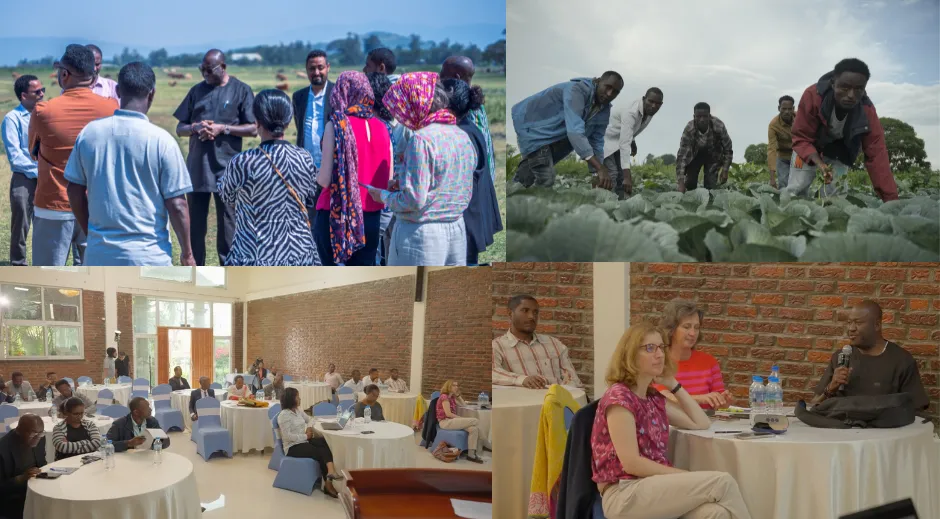
The Ministry of Industry and the Ministry of Labour and Skills, both direct signatories to the project, are represented by advisory personnel assigned to the project. The Sidama region’s Bureau of Job, Skill, and Enterprises Development is represented by the Deputy Head of the bureau. Higher officials from the Embassy of Germany, the Amhara region Bureau of Labour and Training, Ethiopian Cooperative Development, employers’ and employees’ organizations, and other development partners also attended this high-level meeting and field visits.
The meeting combined presentations of results, potential ProAgro Ethiopia project Phase 2 priorities, and field visits to hand over farm equipment to selected needy SMEs to boost their production. The prioritized small business members were mostly women- and girl-owned micro-businesses in fruit and vegetable production, as well as spice production. Two motorbikes were also procured for government officials and extension officers to maintain constant interactions with these smallholder producers and processors.
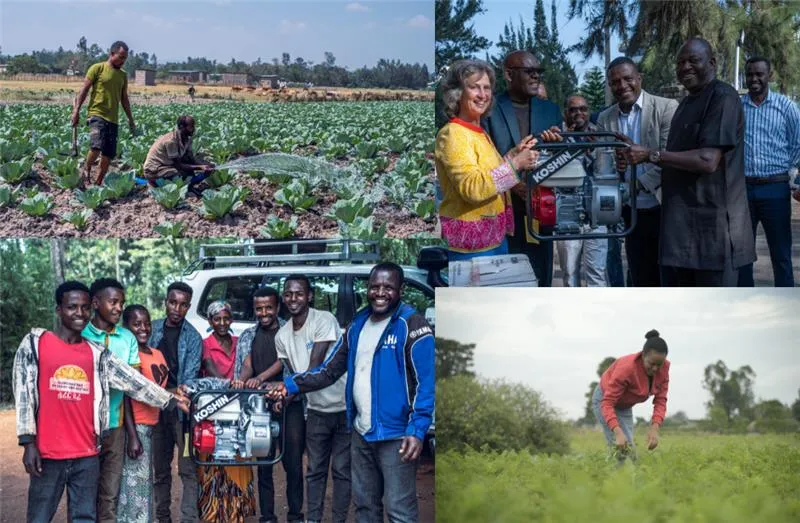
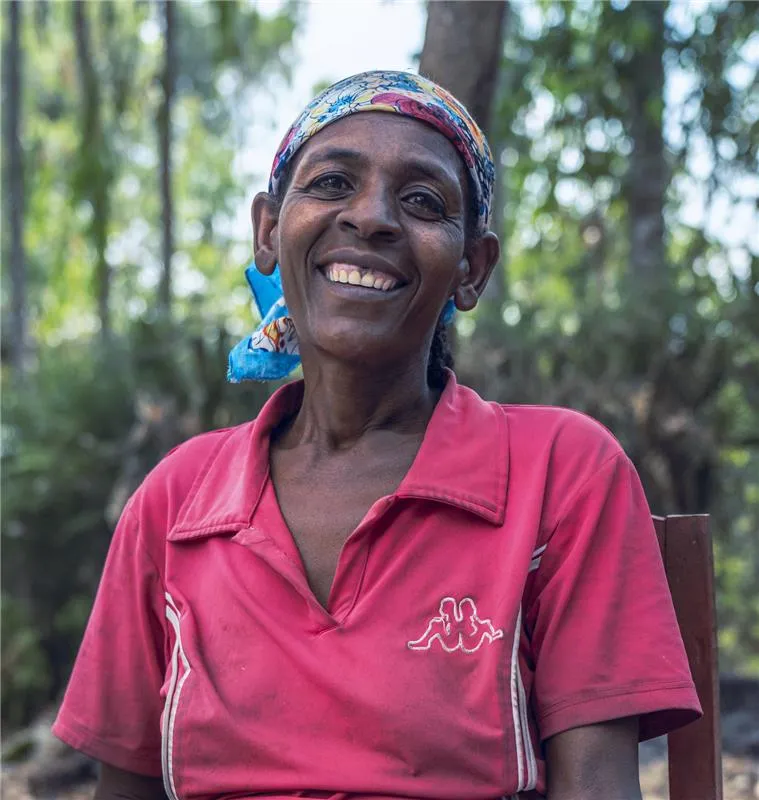
“The support from the water pump has lifted the burden of fetching water from my family’s shoulders, allowing my children to focus on their education.” Abaynesh, Shebedino Woreda, Sidama Region, Ethiopia
Hawassa City Administrations embrace ILO ProAgro Ethiopia project pilot eco-MSMEs hub to address pollution and health risks due to poor standards of urban businesses
Urban agriculture is increasingly becoming the main source of livelihood and temporary employment for youth migrating from rural to urban centres in Ethiopia. In the absence of other job opportunities, they engage in small-scale dairy farms, production of vegetables, fruits, and spices, as well as in the retail of garden inputs and materials to raise income.
However, the increasing number of livestock, dairy farms, and poultry businesses is causing pollution and affecting air quality for city residents. Therefore, as part of the ProAgro Ethiopia decent job creation objective, these businesses are being relocated outside the city to designated areas in clusters and permanent structures. These new locations will provide further training in quality, hygiene, and waste management. These small-scale “eco-industrial hubs” will significantly contribute to the Greener Cities initiative of the UN Climate Action and the Ethiopian Government’s Climate Resilient Green Economy Agenda.

“To mitigate the challenge of high unemployment in the city, we have partnered with the ILO ProAgro Ethiopia project to create decent jobs in the agro-processing sector by establishing eco-industrial hubs. We appreciate the contribution from the ILO ProAgro Ethiopia project for the construction of these new work premises for micro-businesses in the agro-processing sector, creating more and better jobs for youth and women in the agri-business sector,” said Ato Tariku Tilahun, Head of the Hawassa City Administration Employers and Employees Department.
This pilot component of the ILO ProAgro Ethiopia project has been well received by the first cohort of 32 small businesses engaged in the agro-processing sector. Additionally, a partnership with local TVET colleges has been established to deliver green skills training on waste re-usage, and the quality production and processing of milk and eggs.
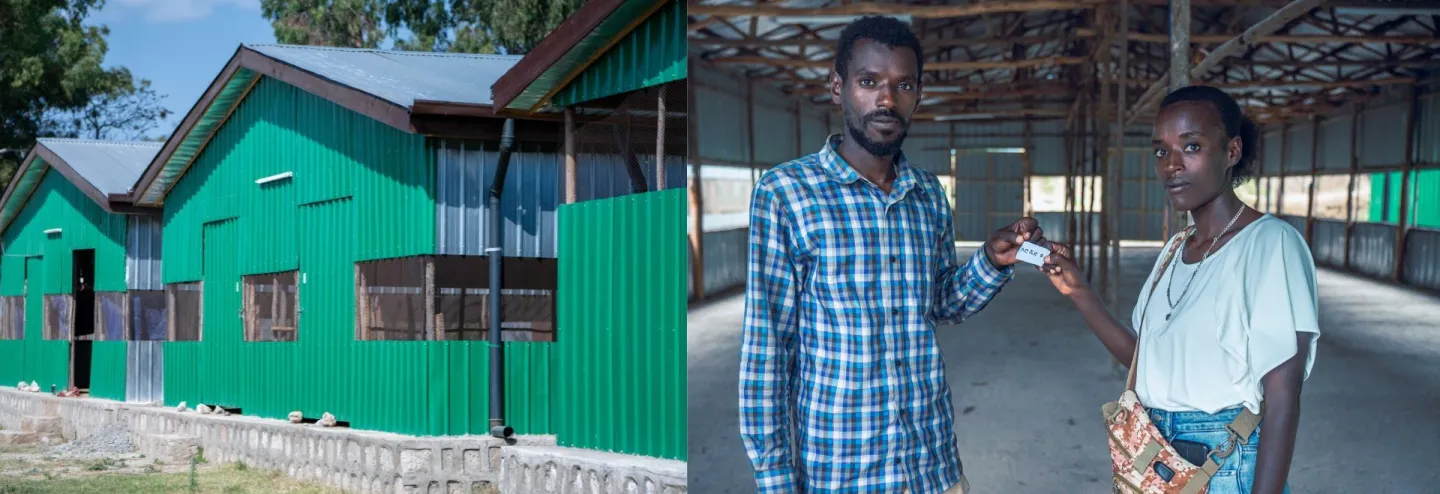
Commenting on these innovative eco-MSMEs hubs, officials from the local Labour Unions expressed satisfaction, noting that these hubs serve as good entry points to raise awareness about adherence to Occupational Health and Safety (OSH) practices in informal agribusinesses.
Formalization of women agri-businesses in spices through ProAgro Ethiopia support expands their market and more job creation potential.
“We started as individuals and fortunately joined the ILO ProAgro Ethiopia project for business coaching and access to finance. We then graduated into a cooperative of eight women. Initially, we produced spices in poor working conditions, which affected the quality of our products and packaging. Thanks to the ILO ProAgro Ethiopia project, we have obtained two grinding machines, which will address the quality and hygiene issues and increase our production.”
Kidist Demeke, Team Leader, Birtu Baltna (a women’s agribusiness network in spices processing)
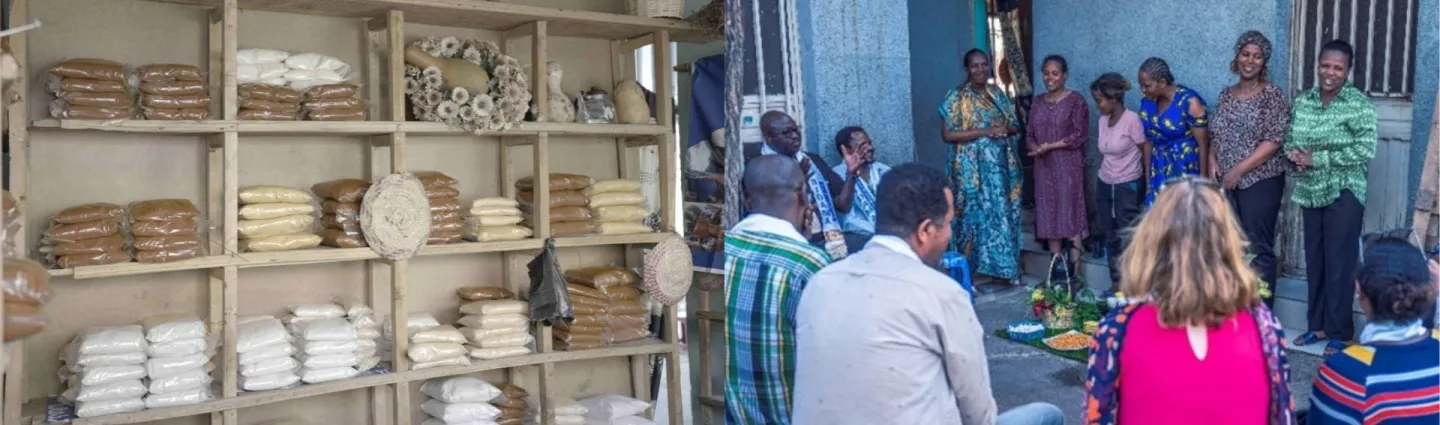
The training, business coaching, and provision of production machinery constitute a critical process of formalizing small and micro-enterprises in the agribusiness sector, which is a major area where women predominate. Women are less capable of accessing land, credit, and even machinery to expand businesses despite their creativity and dedication. The successful case of this eight-member women’s cooperative has been showcased in regular business-to-business events, which have become part of their exposure and market expansion strategies. The women hope to expand their market access to more distributors and to Ethiopian diaspora consumers abroad.
Relevant projects
Project
ProAgro Ethiopia: Promotion of decent work in agribusiness

ProAgro: Promotion of Decent Work in Agribusiness