

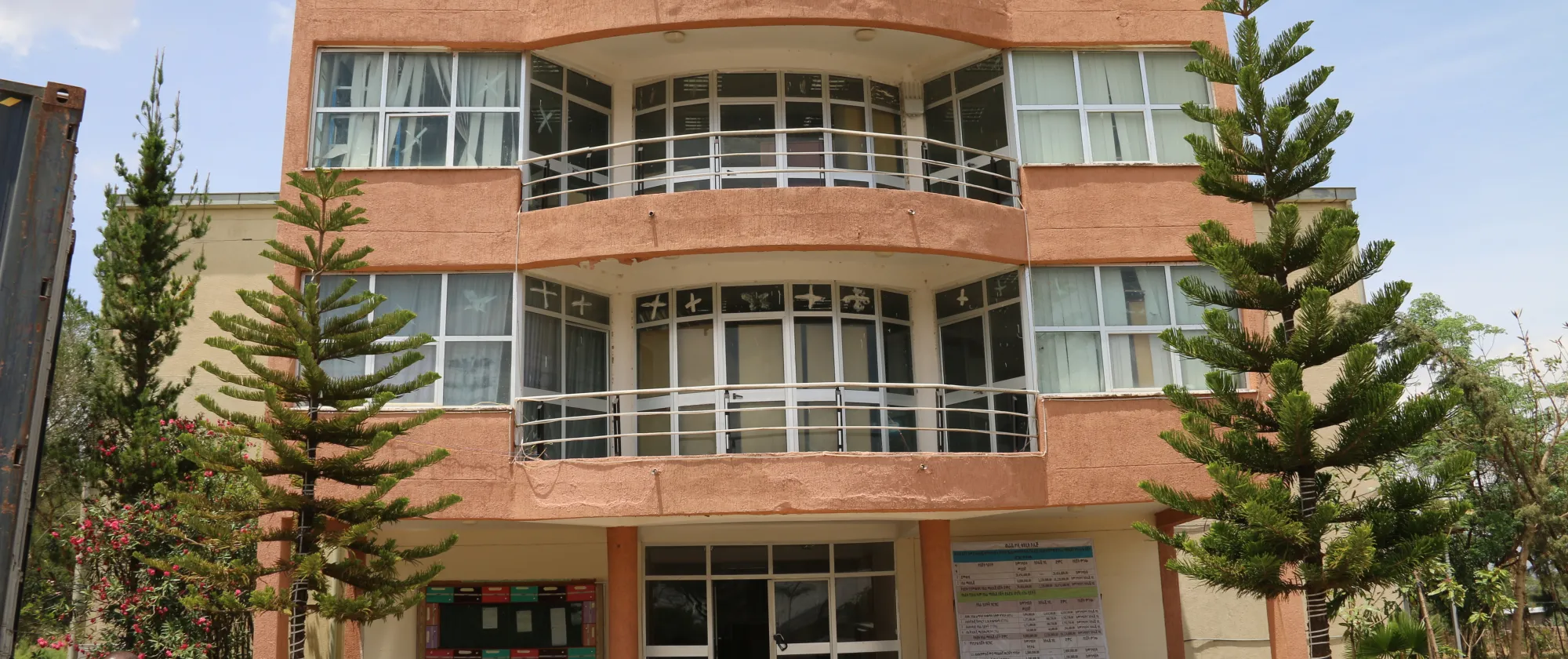
Werabe Polytechnic College and the Case for Operational Excellence in Pre-Departure Training
The case study examines how Werabe Polytechnic College strengthened the quality and delivery of overseas employment training for potential and returning migrants in Ethiopia. It highlights the college’s operational reforms, expanded training offer, and institutional practices that have helped improve trainee preparedness, protection, and access to overseas employment, while offering practical lessons for other training centres.
28 May 2026
Executive Summary
Werabe Polytechnic College in the Central Ethiopia Region, Silte Zone, has evolved from a construction and industrial college into one of the country's leading institutions for short-term overseas employment training. Since formally introducing overseas employment training in 2023, the college has trained over 29,788 potential and returning migrants. According to the college, over 70 per cent of graduates from the overseas employment training stream have successfully secured employment abroad. This outcome is monitored through direct graduate follow-up with, including Telegram-based communication and coordination with private employment agencies. However, the absence of a formalized tracking mechanism remains a limitation in systematically verifying and documenting employment outcomes.
With equipment support from the ILO under the BRMM Programme funded by the UK FCDO, the college expanded its overseas employment training programmes. The programme now includes food preparation across Ethiopian, European, and Arab cuisine as well as modules on laundry services, soft skills, and communication. The college also introduced suitability-based trainee selection processes, hired Arabic-speaking instructors with practical overseas work experience, and established a dedicated operational structure to manage and deliver overseas employment training more effectively.
These interventions enabled the institution to shift its focus from prioritizing the number of trainees to emphasizing the quality and relevance of training delivery, positioning the college as a strong and replicable model of operational excellence in the provision of overseas employment training.
Context and Problem Statement
Werabe Polytechnic College, located in Silte Zone, was established in 2011G.C. as Werabe Construction and Industrial College, initially, offering training programmes up to Level 4. In 2018, the institution was upgraded to Polytechnic status, expanding its training offer to Level 5 and improving its institutional capacity and reputation.
The college operates in an area with historically high levels of labour migration, particularly along the eastern route to Arab countries. For years, young women and men from both rural and urban communities in the zone have migrated abroad in search of employment opportunities, creating a strong and sustained demand for Overseas employment training well before formal institutional structures were established to respond to it.
In response, the college was assigned the largest overseas employment training quota in the country, with a target of 36,000 trainees. However, the institution lacked the capacity, experience, and equipment to manage such demand effectively. At the time, only 77 public colleges nationwide were designated to provide overseas employment training, resulting in significant pressure on available institutions. Consequently, Werabe Polytechnic College received up to 3,000 trainee registrations per round despite having the capacity to train only around 800 trainees across shifts.
The challenge was further compounded by systemic gaps in the overseas employment process. Colleges were excluded from the online Certificate of Competence registration system, leaving trainees dependent on private employment agencies to verify their status. This created a widespread opportunity for informal intermediaries to charge trainees for services that were intended to be provided free of charge, exposing them across the sector to risks and misinformation.
Key reforms
Since 2022, the ILO, through a proposal facilitated by the Ministry of Labour and Skills, has enhanced the colleges’ institutional capacity, providing equipment for domestic work, hairdressing and beauty, and hotel management training programmes. Building on this support as well as overall guidance from the MoLS, the college expanded its overseas employment training curriculum to include additional modules on food preparation across Ethiopian, European, and Arab cuisine, laundry services, plant care, and soft skills. The training is delivered over a 21-day programme for new trainees, and a shorter track is tailored for returnees.
Alongside infrastructure improvements, the college also invested its own resources to strengthen staff capacity, including the recruitment of Arabic-speaking teachers with direct overseas work experience, four of its six current trainers having worked in Arab countries. The institution further introduced a series of operational reforms aimed at improving both training quality and trainee protection. These included suitability-based trainee selection, the assignment of female registration staff to create a more comfortable environment for women trainees, dedicated personnel to manage COC registration and introduced interview-based assessments for trainees with limited literacy skills. In addition, the college established a second training facility designed to replicate Arabian household settings, created a resting space for female trainees, and removed informal intermediaries from its premises to prevent exploitation.
Results and Institutional Change
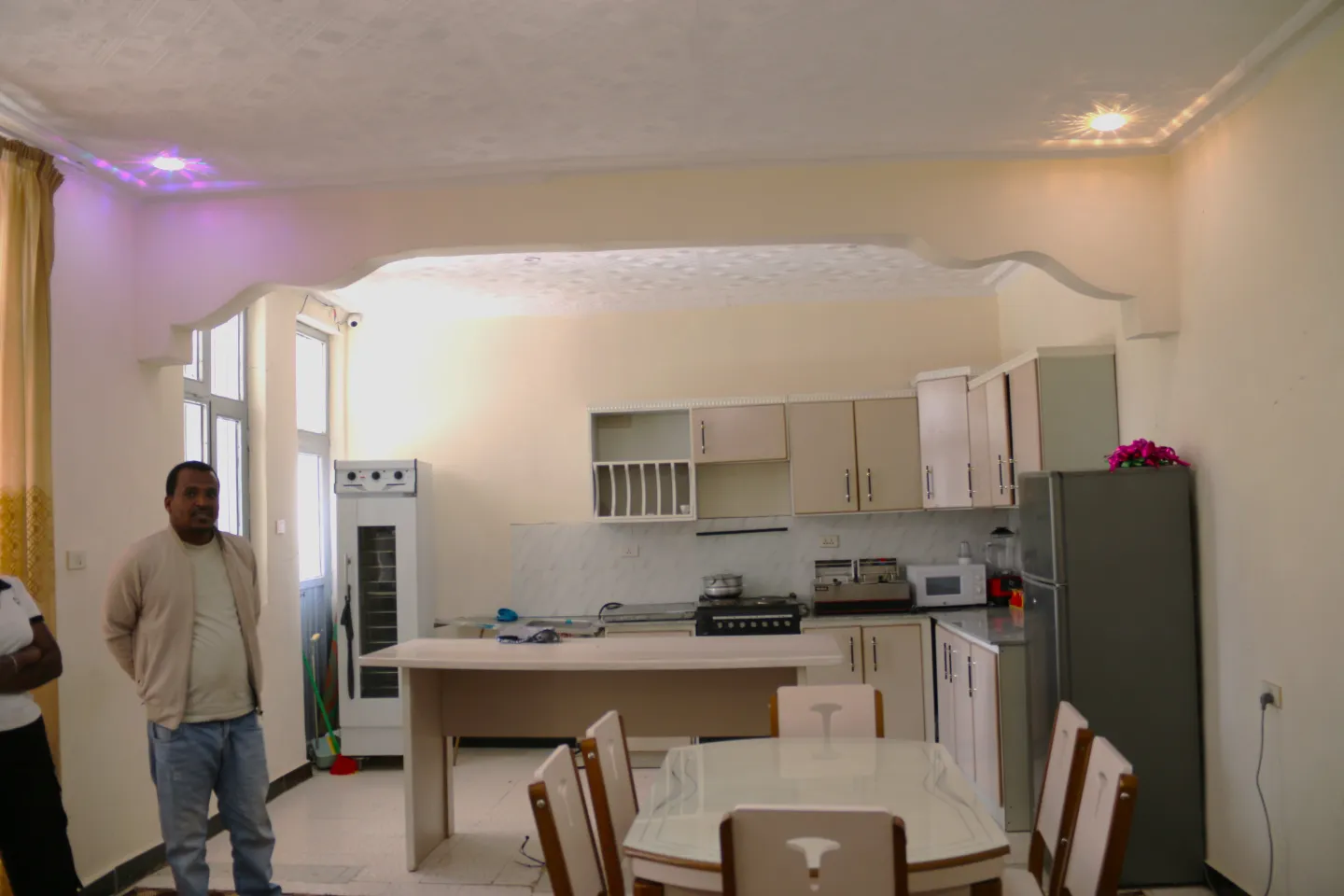
Since launching overseas employment training in 2023, Werabe Polytechnic College has trained 29,788 domestic work trainees. Based on direct graduate follow-up and coordination with private employment agencies, the college reports that more than 70 per cent have secured overseas employment.
The college currently trains approximately 500 trainees per round, reflecting a deliberate shift from a high-volume model toward greater emphasis on training quality and preparedness. Moreover, as part of its trainee protection measures, all trainees are required to open individual bank accounts to independently manage their earnings abroad.
The institution has also increasingly attracted trainees from beyond Silte Zone, with around thirty per cent of trainees coming from areas such as Halaba, Addis Ababa, and the Oromia region, demonstrating the college's growing reputation as a trusted overseas employment training centre. At the same time, the college has maintained relatively low training fees, set at 1,100 Birr, making the programme more accessible to potential migrants.
With these changes, Werabe Polytechnic College is now regarded as a reliable institution for overseas employment training. According to the college, only two trainees from the first cohort are known to have returned from abroad, both due to health-related reasons. While this figure relates only to the initial intake and would require broader verification, it suggests a strong retention rate among workers engaged in employment abroad. Revenue generated through training fees is reinvested for facility improvements, promoting practical training rather than being distributed as institutional income.
Institutional Significance
The experience of Werabe Polytechnic College demonstrates how strong institutional leadership and commitment, combined with targeted external support, can significantly improve the quality and effectiveness of overseas employment training. One notable practice is the college's peer- learning approach, which organizes returnees into structured groups to share practical experience into a valuable and low-cost training resource. The college has also adopted equity-focused measures. As highlighted, the use of female registration staff, the dedicated resting facility for female and low-income trainees, and the relatively low training fees in the area will improve access and participation for vulnerable groups.
Although the feasibility of implementing similar measures may vary across institutions, several core elements of the model offer important lessons for replication. Transparent registration processes help build trust and reduce opportunities for informal intermediaries to exploit trainees, while targeted equity measures contribute to improved access, retention and trainee wellbeing. While some interventions require resources, many reflect institutional and operational choices that could be adapted by other training centres within their own contexts.
Sustainability and Institutional Ownership
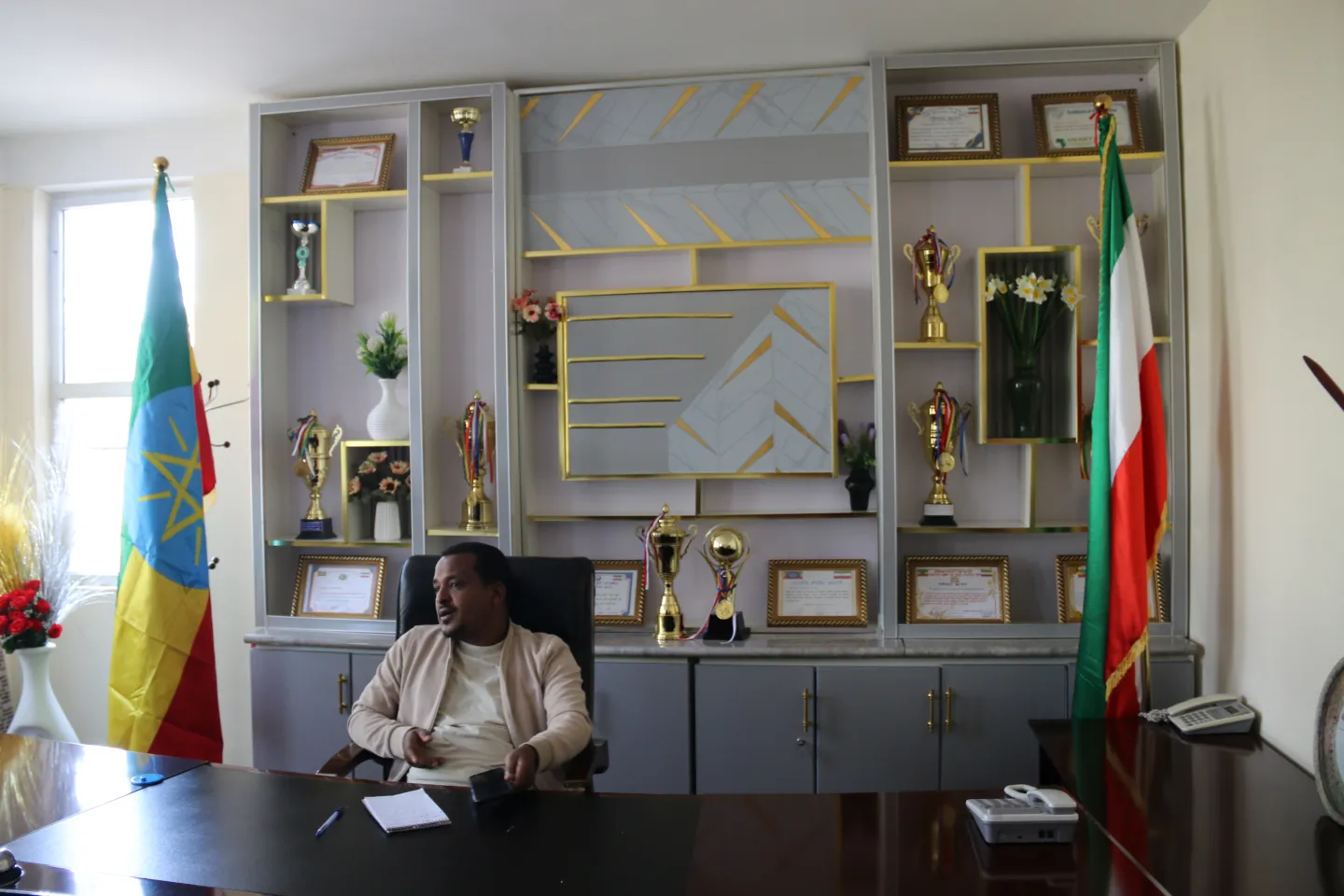
The sustainability of Werabe Polytechnic College's overseas employment training model is driven by strong institutional leadership and internal commitment rather than continued external support. The college has consistently invested its own resources to strengthen programme delivery, including sending additional teachers for training when new curriculum modules are introduced and assigning dedicated staff to manage the online COC registration process. When a technical failure in the registration database resulted in the deletion of 5,000 trainee records, the institution managed to resolve the problem internally within a month.
According to the college leadership, institutional commitment has been central to these achievements. The establishment of a dedicated operational structure for overseas employment training, the decision to remove informal intermediaries from the college premises, and the recruitment of Arabic-speaking instructors were all internally driven initiatives rather than externally mandated interventions.
The college has also adopted measures to ensure longer-term operational sustainability. Revenue generated through training fees is reinvested into equipment and facility improvements, helping maintain training quality over time. In addition, the college conducts its own internal assessments on trainee comfort, training quality, and operational gaps to continuously improve service delivery.
To monitor graduate outcomes, the college has developed a low-cost, locally managed follow-up system using Telegram-based communication with graduates and private employment agencies. While this mechanism does not substitute the formal federal-level tracking system, it demonstrates the institution’s ability to develop practical and context-specific solutions using available resources.
Methodological Note
This case study was developed by Yonas Berhane, a Communications Officer on behalf of the International Labour Organization (ILO). It draws on a key informant interview conducted with Bulad Namuz, College Dean, and Arega Tamene, Academic Registrar head, of Werabe Polytechnic College, in [March/2026], as well as programme documents and institutional records. Ethiopian calendar dates referenced in the interview have been converted to the Gregorian calendar throughout.Relevant projects

East and Horn of Africa
Better Regional Migration Management