

Child Labour
Uganda steps up action against child labour
Hundreds of children in Kalungu District are being protected from child labour through a strengthened monitoring and remediation system led by local actors.
15 December 2025
Communities, public authorities, UN agencies and businesses are working together in Kalungu District to protect children and build safer futures through the CLEAR Supply Chains project. At the heart of this effort is a strengthened child labour monitoring and remediation system, that has been integrated into Uganda’s official child protection architecture, i.e. the Child Wellbeing Committee (CWC). The system combines community and area-based monitoring with coordinated action by multiple stakeholders to prevent, identify and address child labour.
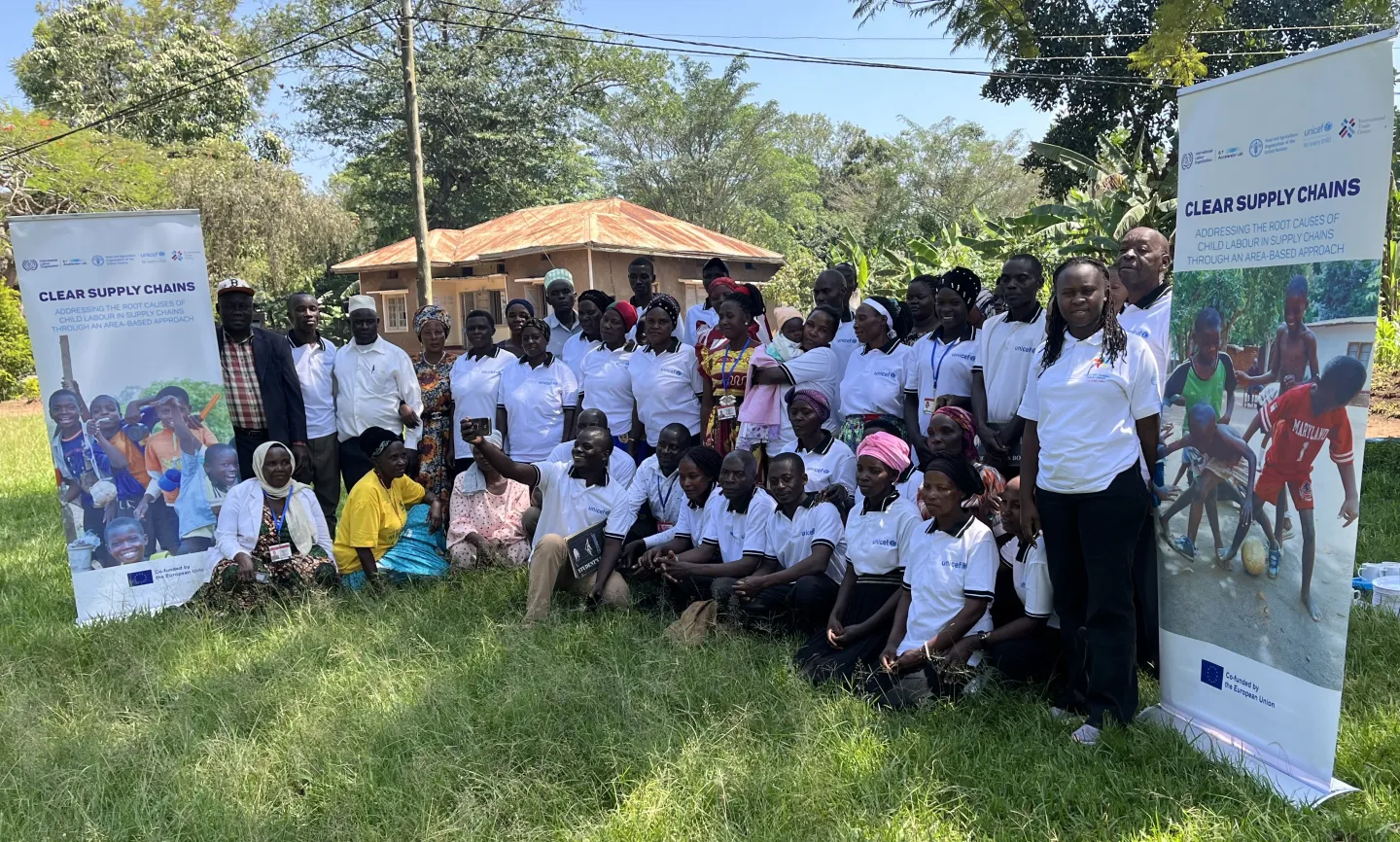
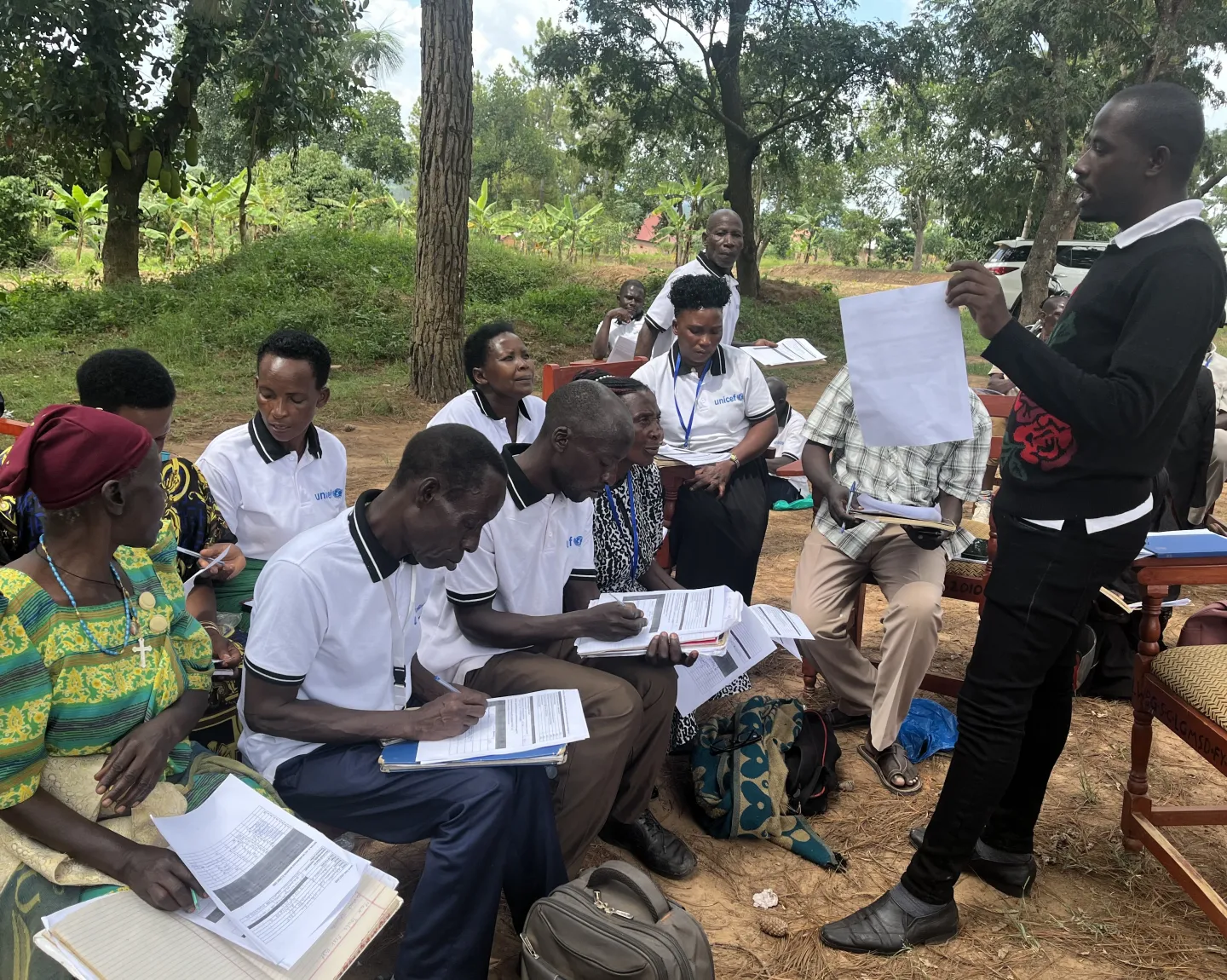
Parasocial workers play a frontline role. Working at community level, they identify, monitor and report cases of child labour, ensuring that children are referred to appropriate protection and support services. With technical support from UNICEF and ILO, 112 parasocial workers (44 male, 68 female) together with district officials have received advanced training in data collection, hazardous child labour identification, and use of reporting systems. As part of this process, data collection tools were improved, and institutional roles and accountability were clarified. District authorities are also being supported in improved child labour data aggregation and analysis, enabling more informed decision-making. Agricultural officers have been trained to identify child labour in the field and refer cases to labour officers, parasocial workers, and child protection authorities.
Tangible results
Since July 2024, the strengthened child labour monitoring and remediation system has delivered concrete results:
- 611 cases of child labour, including 327 in coffee and 220 in horticulture. Of these, 501 were reintegrated in primary or secondary school, or referred to technical and vocational education.
- Child protection authorities at sub-county and district level are now working closely with agricultural and labour officers to monitor and remedy child labour in coffee farms and coffee factories.
- Child labour cases are being linked to government programmes, including the Parish Development Programme, to ensure longer-term support for children and their families.
- Private sector engagement has been strengthened, including collaboration with six coffee multinationals - Nespresso, Nestlé, JDE Peet’s, Neumann Kaffee Gruppe, Volcafé and Sucafina -, through the ILO’s Child Labour Platform and through the Uganda Corporate sustainability Landscape Assessment Partnership (U-CLAP), which brings together Export Trading Group Commodities, Neumann Kaffee Gruppe and Sucafina.
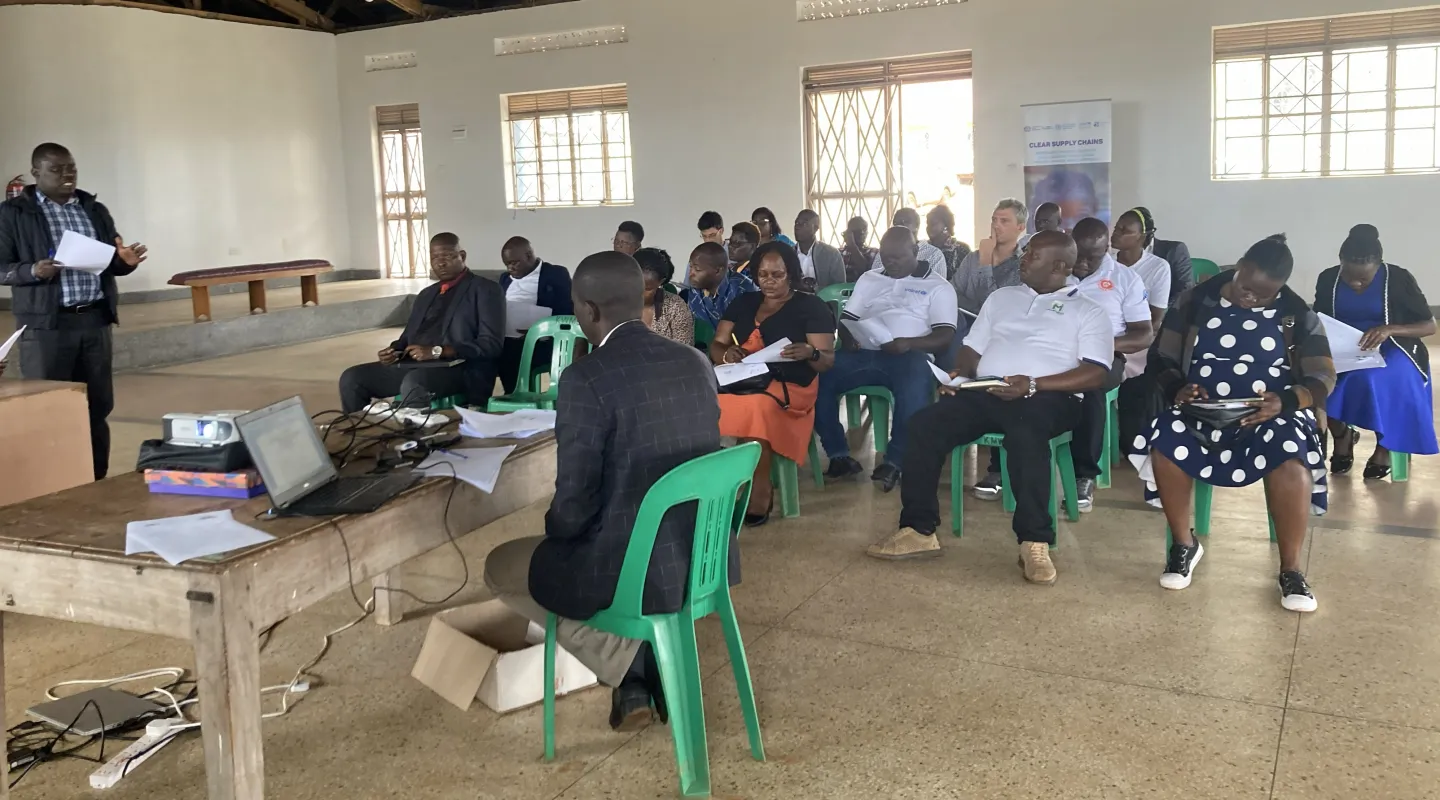
The ILO’s partnership with the private sector in the fight against child labour goes beyond the usual coordination and information sharing. Companies are contributing to strengthening the operational capacity of Kalungu’s child labour monitoring and remediation system and the ILO will support the remediation of child labour cases identified by companies.
Looking ahead, 125 children identified in child labour will be supported through technical and vocational training in coffee and horticulture farming and primary processing. To improve school-to-work transition, two coffee companies (Kyagalanyi and Ibero) are supporting the review of coffee farming curricula to ensure that skills development respond to labour market needs.
At national level, continued collaboration between the private sector and government will be supported through the implementation of a national child labour monitoring and remediation framework, including data sharing under the Child Wellbeing Information Management System, and by strengthening private sector capacity to carry out child labour due diligence in line with responsible business conduct principles.
Relevant projects

Child labour
CLEAR Supply Chains: Ending child labour in supply chains