

Social Protection
Uganda advances towards a rights-based social protection system
With support from the ILO, tripartite constituents and civil society organizations chart a reform agenda aligned with international social security standards.
19 May 2026
Entebbe, UGANDA (ILO News) - In a country internationally recognised for its progressive refugee policy and commitment to inclusive development, Uganda is now taking another significant step: strengthening its social protection system to better protect vulnerable communities, workers and future generations.
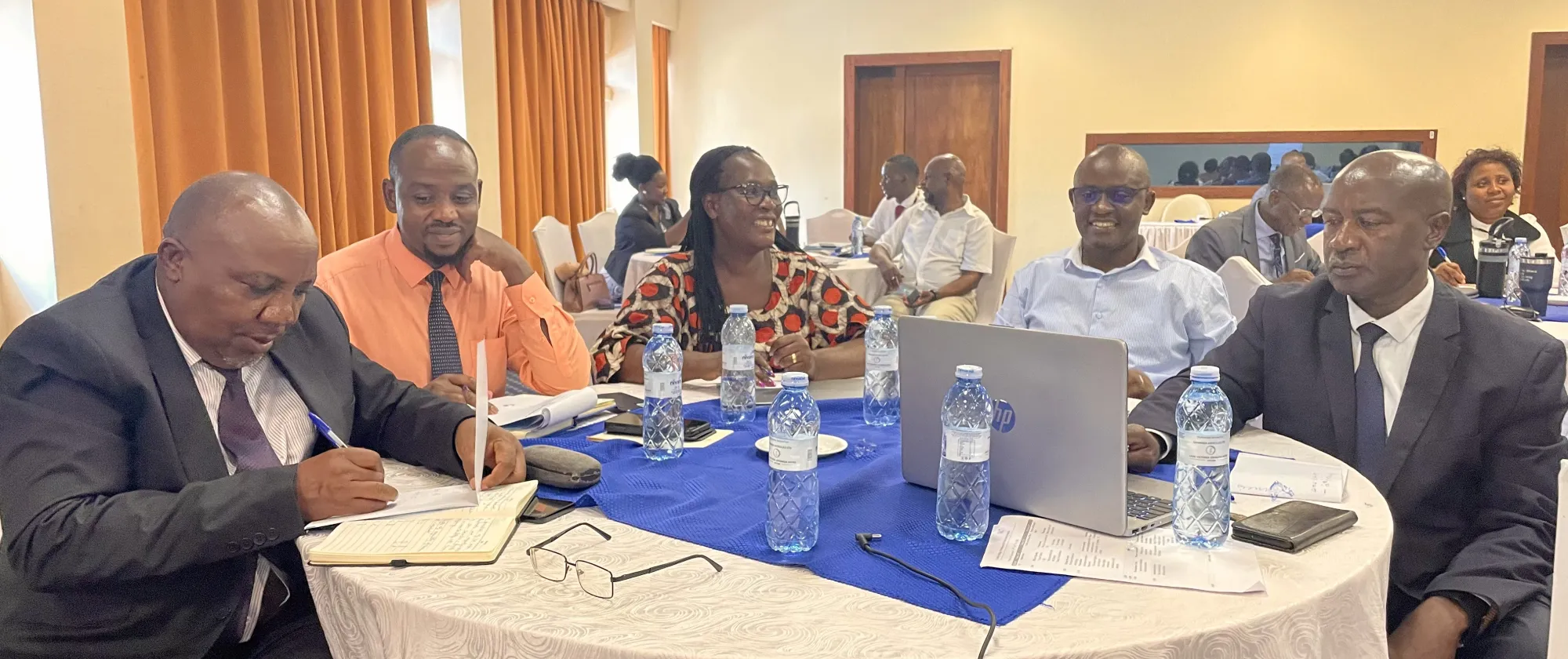
This momentum was evident in Entebbe, between 11-14th May, where government officials, employers, workers’ organizations, parliamentarians, and civil society representatives gathered for a national capacity-building seminar organized by the International Labour Organization (ILO).
The four days saw Uganda taking another important step towards strengthening its social protection system through a national capacity-building seminar organized by the International Labour Organization (ILO). The event brought together tripartite partners - government representatives, employers’ and workers’ organizations, and civil society actors to strengthen national expertise on rights-based social protection and international social security standards.
The seminar was organised under the PROSPECTS (Partnership for improving prospects for forcibly displaced persons and host communities) programme funded by the Kingdom of the Netherlands. By supporting inclusive and resilient social protection systems, PROSPECTS aims to improve access to decent work, social protection and essential services for refugees and host communities alike.
The seminar came at a pivotal moment, as Uganda is currently revising its National Social Protection Policy. Discussions therefore focused on how the revised policy framework is firmly grounded in international standards and human rights principles while responding to national priorities and emerging social protection needs.

Participants examined the guidance provided by the Social Security (Minimum Standards) Convention, 1952 (No. 102) and the Social Protection Floors Recommendation, 2012 (No. 202) including how these instruments can support the development of comprehensive, adequate and sustainable social protection systems throughout the life cycle.
This seminar was very timely for the incoming political term and the Agenda 2030. As we review the National Social Protection Policy 2015 the training has provided tools to help identify coverage gaps, especially for workers in the informal economy, and explore reforms that reduce barriers and strengthen the system’s governance and financing. This would give Uganda a robust case for ratifying Convention No. 102.
Honourable Flavia Kabahenda (MP) Chairperson, Uganda Parliamentary Forum on Social Protection.
Discussions highlighted the importance and benefits of adhering to core social security principles, including collective financing, risk pooling, solidarity in financing, equality of treatment and non-discrimination, and the predictability of benefits provided throughout the duration of the contingency.
For Uganda's tripartite partners, this was both a technical grounding and a strategic exercise: understanding what Convention No. 102 requires is the first step toward identifying where the current system falls short and where the greatest opportunities for progress lie.
Mr Lawrence Egulu Commissioner Employment Services
Uganda has made real strides in expanding social protection coverage in recent years, including the National Social Security Fund (NSSF) and non-contributory schemes such as the Senior Citizens Grant. However, participants noted that important challenges remain. NSSF currently operates as a provident fund, providing lumpsum benefits in cases of old age, invalidity and death, without guaranteeing periodic income security. Effective coverage also remains limited, particularly among workers in the informal economy.
While some non-contributory benefits exist, such as the Senior Citizen’s Grant, they are not yet enshrined in law, a pre-requisite for a rights-based approach. Taking note of these requirements, tripartite partners engaged noted these actionable transition agenda.
To address the fore mentioned gaps, employers would want all social security branches to be anchored in national laws, effective institutional coordination and collaboration to promote a holistic, life-cycle approach to social protection, including a strong national health insurance scheme to reduce the direct burden of providing healthcare benefits.
Mr Patrick Ajuna Policy and research officer, Federation of Uganda Employers (FUE)
The seminar concluded with a roadmap setting out priority areas for policy and legislative action. Priority areas identified included
- conducting a feasibility study for the introduction of social insurance maternity and sickness benefits to progressively replace the existing employer-liability schemes;
- reviewing legislation on establishing a Workers Compensation Fund;
- accelerating the establishment of a National Health Insurance Scheme;
- assessing the policy, legal and financial implications of aligning the NSSF's benefit design with social insurance principles;
- extending effective coverage to workers in the informal economy; and establishing a clear legal basis for non-contributory social transfers, particularly the Senior Citizens Grant.
These priorities will directly inform the revision of Uganda’s National Social Protection Policy and contribute to building a more inclusive and rights-based system aligned with international standards.
As workers, we leave resolved to advocate for C102 application, demand implementation of a Social Protection Floor aligned with R202 and organise our members around their social security rights.
Ms Katherine Kamedde Programs and Corporate Affairs, Central Organisation of Free Trade Unions (COFTU)
The ILO continues to support Uganda's efforts to strengthen inclusive social protection systems that leave no one behind, particularly women, youth, migrant workers and refugees. The Organization remains committed to working closely with Uganda’s tripartite constituents and providing the technical support needed to advance these reforms.
Related content

Global Ratification Campaign on Convention No. 102
Training on ILO Social Security standards

International Labour Standards

Topic portal
Social protection
Relevant projects
ILO-Netherlands Partnership
Partnership for improving prospects for forcibly displaced persons and host communities (PROSPECTS) in Uganda
Programme
Partnership for improving prospects for forcibly displaced persons and host communities (PROSPECTS)