

Decent Work Country Programmes
Tripartite partners in East Africa unite to champion nationally owned Decent Work Programmes
Arusha Tanzania (ILO News) - In a strong show of unity and purpose, governments, employers, and workers from across East Africa reaffirmed their commitment to championing Decent Work Country Programmes (DWCPs) as nationally owned, action-oriented frameworks to advance social justice, sustainable development and promote decent work.
21 July 2025
This pledge was made during a two-day sub-regional workshop convened by the International Labour Organization (ILO) from 23 and 24 July 2025 in Arusha, Tanzania. Hosted by the International Labour Organization (ILO) Country Office for the United Republic of Tanzania, Burundi, Kenya, Rwanda, and Uganda. The workshop brought together tripartite constituents from five member states and one territory under its purview: Burundi, Kenya, Rwanda, Tanzania, Uganda, and Zanzibar. Also in attendance were representatives from the Office of the UN Resident Co-ordinator in Tanzania and the Rwanda Office of the United Nations High Commissioner for Human Rights (OHCHR).
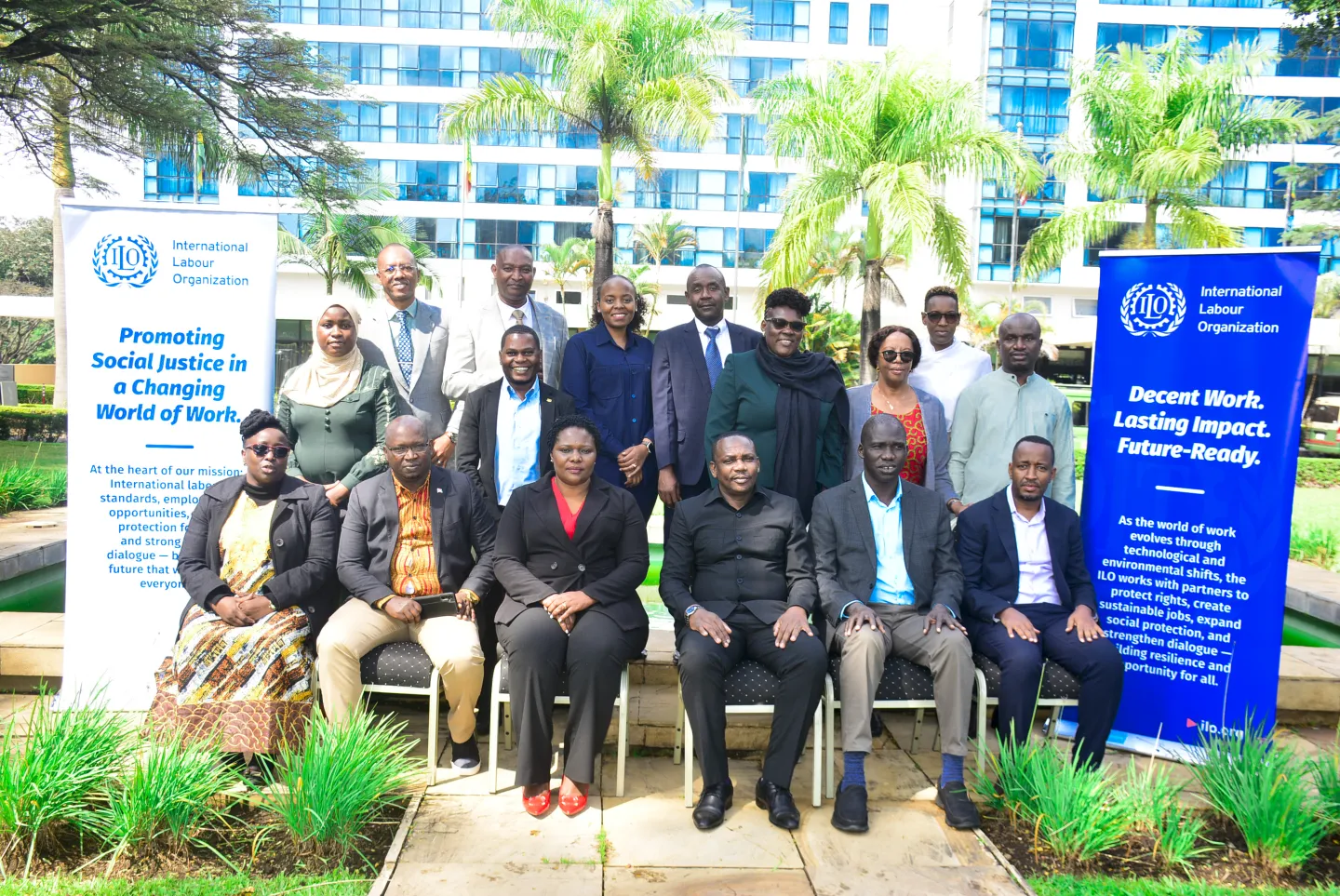
The workshop provided a dynamic platform to strengthen country-level capacity on DWCPs, foster regional coherence, and align national programming with broader development and UN cooperation frameworks. Above all, it reinforced the DWCP as a nationally led tool shaped by national priorities, guided by tripartite dialogue, and built to deliver tangible outcomes for workers and employers alike.
Delivering opening remarks on behalf of Ms. Caroline Khamati Mugalla, Director of the ILO Country Office for the United Republic of Tanzania, Burundi, Kenya, Rwanda, and Uganda, Mr. Edmund Moshy emphasized the strategic importance of Decent Work Country Programmes (DWCPs). “DWCPs are not just tools; they are tripartite instruments that reflect our shared commitment to decent work as a national development priority,” he stated, quoting Ms. Mugalla. He further called on all stakeholders to explore new avenues for cooperation and resource mobilization, and to embrace DWCPs as pathways to inclusive, transformative, and impactful development.
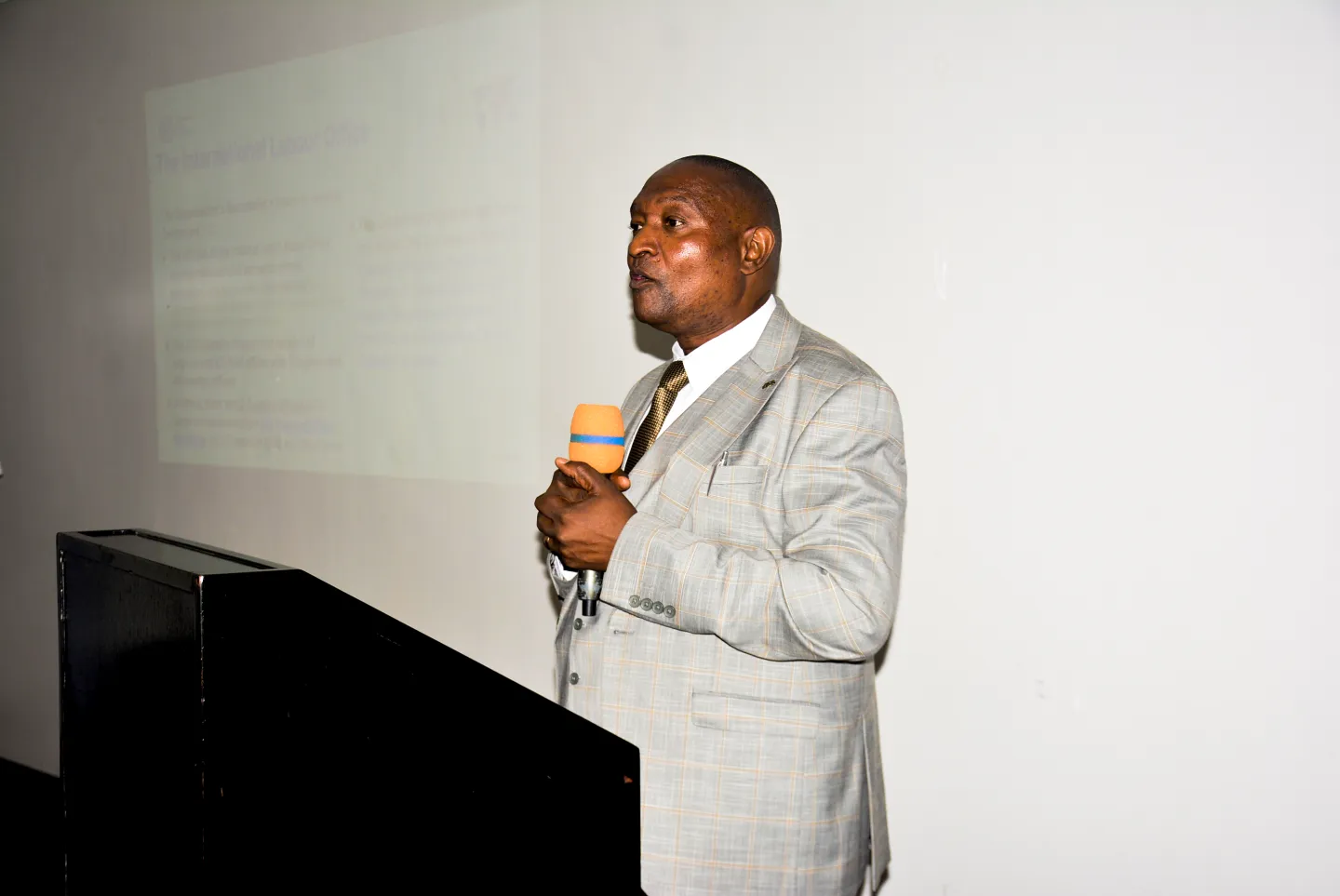
Participants reaffirmed their collective responsibility in ensuring DWCPs reflect the unique development contexts and priorities of each country. Emphasizing the role of DWCPs as more than just policy documents, they pledged to use them as national roadmaps for promoting decent work, reducing inequalities, and supporting inclusive economic growth.
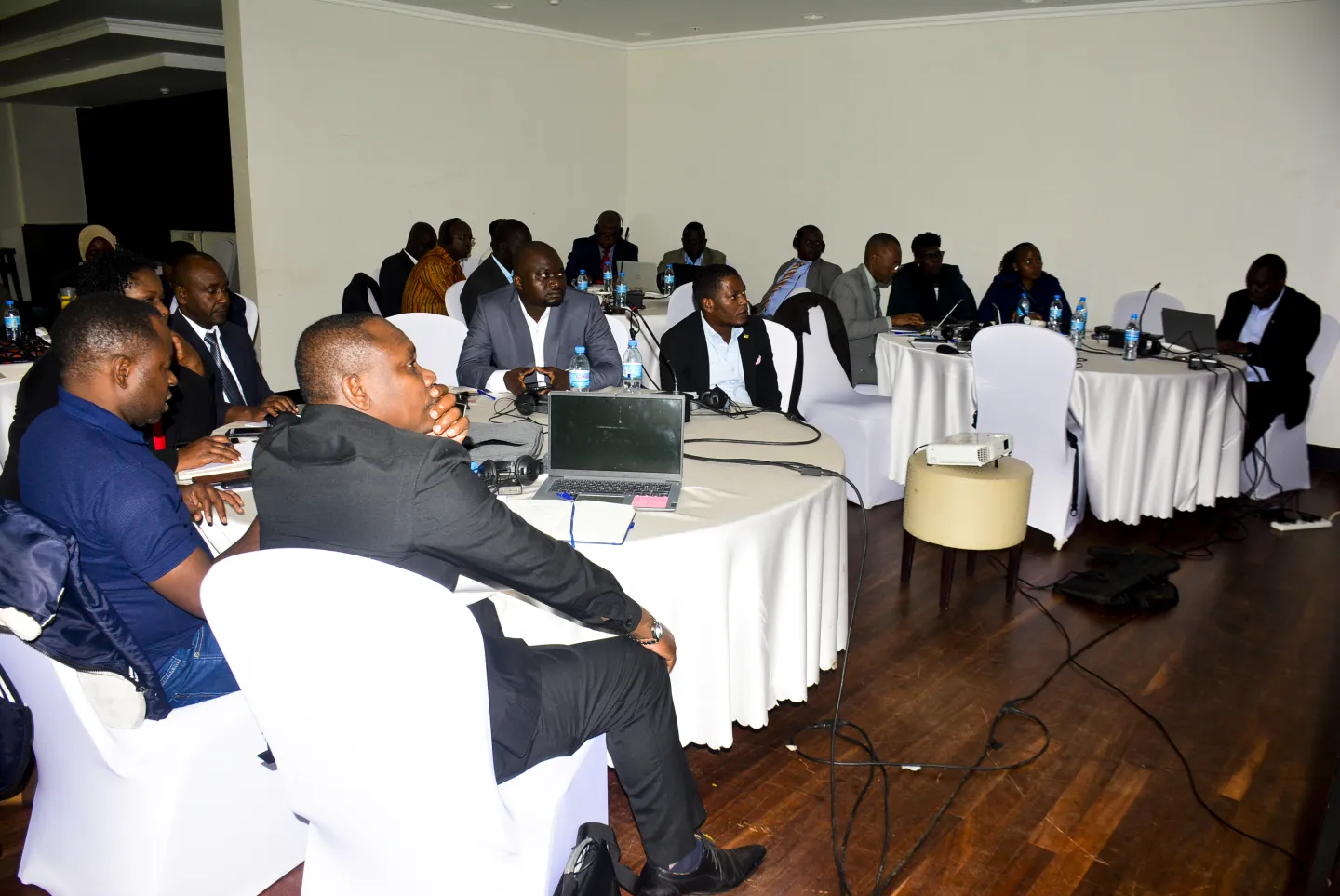
Discussions also explored ILO’s programming tools and frameworks, the role of tripartism in implementation, and how DWCPs can be anchored within national development plans and the United Nations Sustainable Development Cooperation Frameworks (UNSDCFs). The importance of linking decent work to human rights-based development and the broader UN agenda was also underscored.
The workshop spotlighted resource mobilization as critical enabler of sustainable DWCPs. Participants explored strategies to attract and coordinate funding from public, private, and development partners, particularly in the context of shrinking development assistance, growth geopolitical uncertainty and evolving national priorities. They highlighted the importance of aligning funding with national development goals and maximizing synergies.
Delegates underscored the importance of aligning funding efforts with national development goals and promoting synergies between government, ILO, and private initiatives. Social dialogue was emphasized as a key mechanism for co-ordinating financial and technical resources to support decent work.
A key strength of the workshop was the opportunity for peer learning. Delegates exchanged experiences, lessons, and innovations in DWCP development and implementation, fostering a shared sense of purpose and regional solidarity. The workshop set the stage for enhanced East African cooperation on decent work and opened avenues for continuous knowledge-sharing and dialogue.
The workshop concluded with a draft action plan outlining both immediate and long-term priorities at national and sub-regional levels. The plan identifies key steps to improve coordination, mobilize resources, and reinforce collaboration at the East African Community (EAC) level.
At the close of the workshop, member states pledged to place DWCPs at the heart of national and regional efforts to advance decent work. This shared commitment marks a significant milestone towards ensuring that DWCPs are not only nationally owned, but also nationally driven, financed, and implemented.
Together, East African constituents reaffirmed their pledge to accelerate the implementation of DWCPs in their respective countries, considering the varying stages of progress, while working closely to build a future of work that is inclusive, productive, and grounded in dignity, leaving no one behind across the sub-region.