

From training to transformation irrigation, farmers build energy-management skills
Irrigation farmers in the Eastern Cape strengthened their energy-management skills to improve efficiency, reduce operating costs and build more productive and climate-resilient farming operations.
30 September 2026
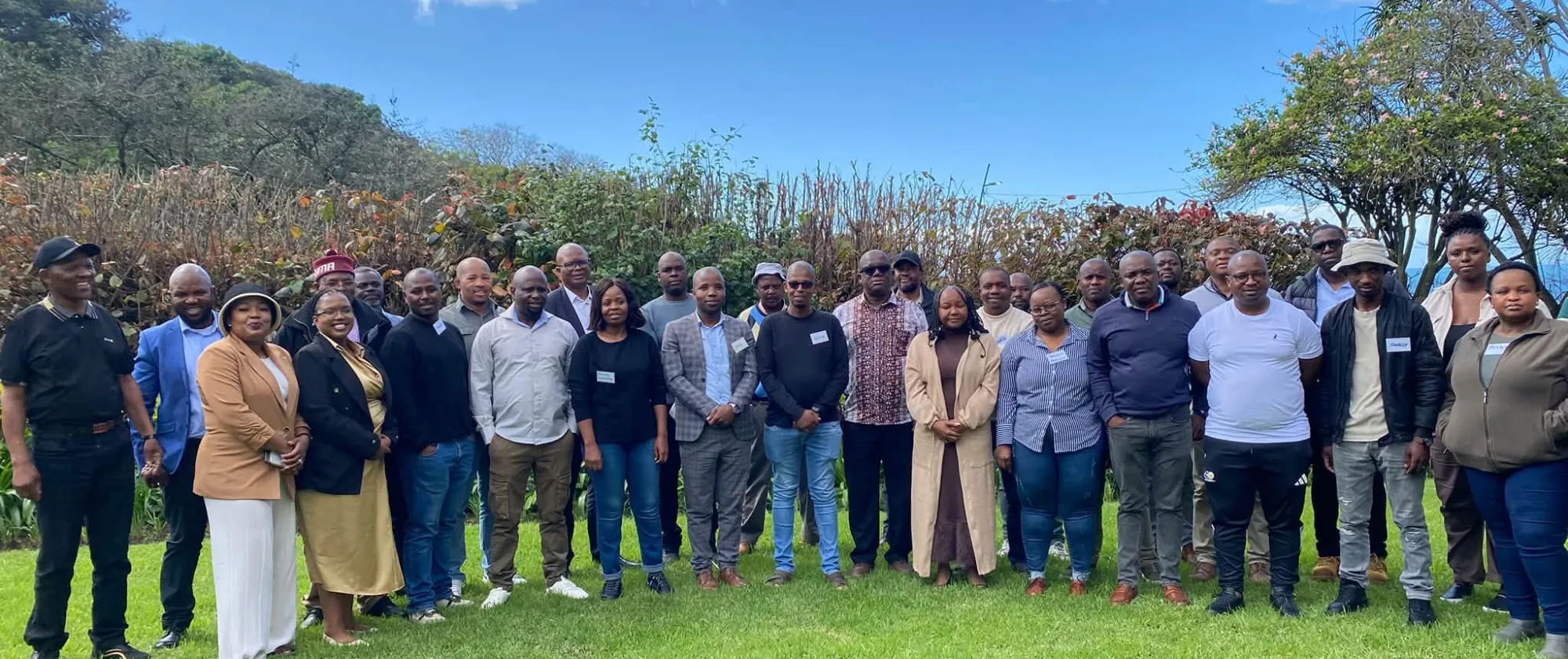
Irrigation farmers and operations managers in the Eastern Cape strengthened their energy-management skills through a three-day practical training programme aimed at improving farm efficiency, reducing unnecessary energy costs and building more climate-resilient agricultural enterprises.
The training equipped participants with practical knowledge to better understand and monitor energy consumption, identify inefficiencies in irrigation and pumping systems, and develop energy-optimisation measures for their farming operations.
This training was delivered as part of the International Labour Organization’s (ILO) Just Transition for Skills project, which supports the up-skilling and re-skilling of South Africa’s workforce for a just transition, with funding support from the Deutsche Gesellschaft für Internationale Zusammenarbeit (GIZ). The project seeks to ensure that workers, enterprises and communities are equipped with the skills needed to respond to changing energy, climate and technological demands while strengthening opportunities for decent work and sustainable livelihoods.
Energy is a major operating cost in irrigation-based agriculture, particularly for pumping, water storage and distribution. Rising electricity costs, inefficient systems and limited technical capacity can directly affect farm productivity, profitability and the livelihoods that depend on agriculture. For farmers, the energy transition is not only a policy or climate issue. It has immediate implications for how farms operate and remain economically viable.
“Energy is a cost. It is what pumps your water. It keeps equipment operating. And when electricity becomes more expensive or unreliable, that goes directly to the viability of your farm and ultimately to jobs and livelihoods,” the ILO told participants at the opening of the training. The ILO emphasised that better energy management was fundamentally about enabling farmers to produce more efficiently, reduce unnecessary costs and build farming operations that were more resilient for the future.
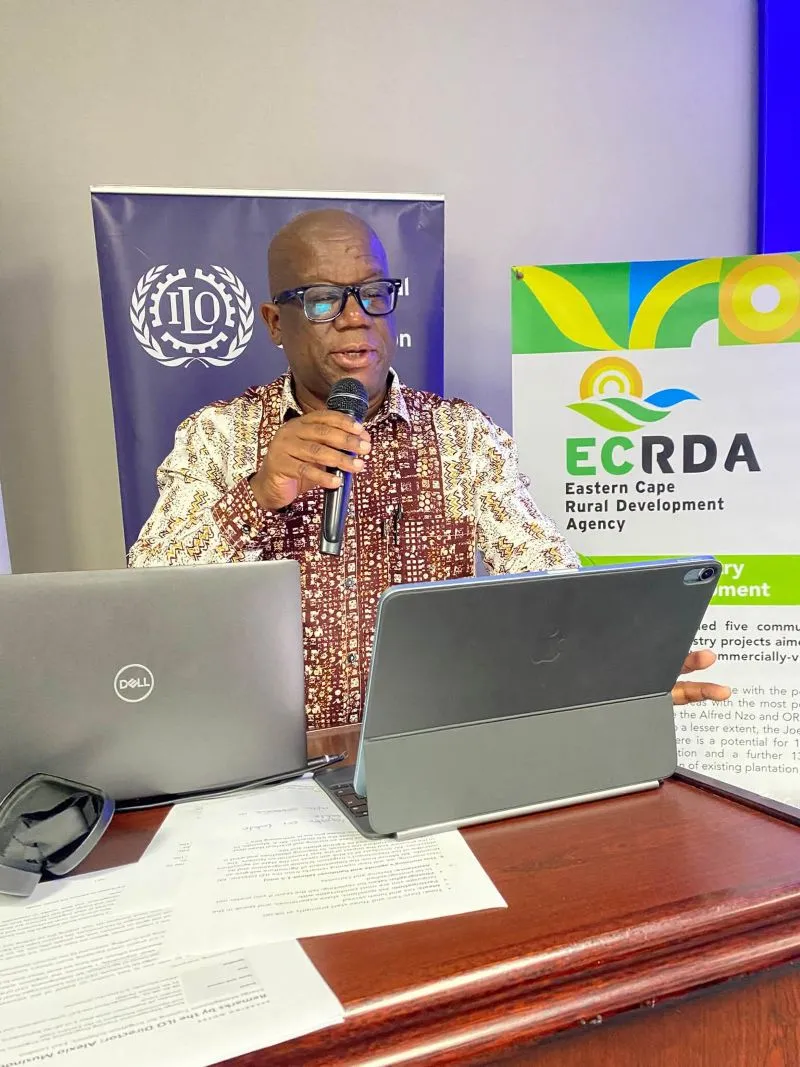
The training focused on strengthening farmers’ and operations managers’ understanding of energy efficiency and its application within agricultural operations. Participants explored basic energy principles, electrical energy systems, electricity-bill analysis and the identification of electrically driven systems within farming operations. Participants were expected to return to their irrigation schemes better positioned to use energy data in operational decision-making, identify opportunities for cost savings and assess energy-efficient and renewable-energy solutions. The intervention translated to newly acquired skills into lower operating costs, better energy decisions, stronger farms and more resilient rural livelihoods.
The programme also strengthened participants’ ability to assess system performance, identify inefficiencies and develop practical recommendations for optimisation.
This intervention emerged from research and social dialogue which was undertaken with partners in the Eastern Cape and Mpumalanga through the Just Transition for Skills project. The process was designed to ensure that skills interventions responded to evidence and to priorities identified by affected sectors and stakeholders.
During the Eastern Cape dialogue, agriculture and agro-energy emerged as important areas for inclusive rural development and the Just Energy Transition. This is where we experience a move from social dialogue to practical action, as the discussions led to a targeted skills-development intervention.
The Just Energy Transition must reach our farmers and rural communities. Energy costs have a real impact on the sustainability of irrigation schemes.
Through our partnership with the ILO, we are upskilling and reskilling our people to use energy more efficiently, optimisation and prepare for alternative energy opportunities. This is how we make JET meaningful for rural development in the Eastern Cape. Ms Khuthala Somdaka, ECRDA Project Manager
The training also demonstrated the connection between energy efficiency, productive livelihoods and the ILO’s Decent Work Agenda.
At farm level, the programme sought to strengthen participants’ ability to understand energy consumption, identify avoidable inefficiencies and make better operational decisions using energy data. These capabilities could support cost reductions and inform future investments in energy-efficient and renewable-energy technologies.
For farm workers and operations managers, the intervention focused on strengthening technical knowledge and confidence in managing energy systems. At sector level, it aimed to contribute to greater readiness for renewable-energy adoption and more climate-resilient agricultural practices.
Taking the learning back to the farm
Participants were encouraged not to regard completion of the programme as the final result. Instead, they were challenged to return to their irrigation schemes and examine where energy was being wasted, what could be measured more effectively, which operational practices could change and where renewable-energy solutions might be appropriate.
The initiative was implemented through collaboration between the ILO, the Eastern Cape Rural Development Agency (ECRDA), the Department of Agriculture, the Council for Scientific and Industrial Research (CSIR) and GIZ. The training formed part of the ILO Just Transition for Skills project, with funding support from GIZ, demonstrating how development partnerships, social dialogue and evidence-based skills interventions can translate Just Transition objectives into practical action for rural communities.
The training intervention has strengthened our understanding of energy efficiency and the responsible use of electricity or power within our irrigation and dairy operations and entire business and practical applicable to our homes . It has provided practical insights into identifying opportunities to optimise energy consumption, reduce avoidable costs, and improve operational efficiency.
It has provided practical insights into identifying opportunities to optimise energy consumption, reduce avoidable costs, and improve operational efficiency. This knowledge will be valuable in guiding both our current energy-management practices and our future investment and sustainability planning. Nkhuliseni Leonard Mavhungu, participant
Additional details
References
- DOI: N/A
Relevant projects
Skills for sustainability
Equipping South Africa’s workforce for a just transition through up-skilling and re-skilling