

Convention 189
Towards ratification CMA strengthens Justice mechanisms for Domestic Workers Under C.189
Morogoro, Tanzania (ILO News) – The saying “justice delayed is justice denied” resonates deeply with the limited access to justice mechanisms available to vulnerable workers, especially domestic workers. In many forums, domestic workers consistently report rights violations, from unfair dismissals to unpaid wages, often without the legal knowledge, resources, or support needed to seek redress. Even for those who pursue justice, lengthy and complex procedures frequently discourage them from following through. Any discussion on labour justice must meaningfully include the voices of vulnerable groups in the workforce.
31 July 2025
In response, the Commission for Mediation and Arbitration (CMA), with support from the International Labour Organization (ILO), conducted a 2-day training workshop in Morogoro from 28 to 29 July 2025. This initiative marked a significant milestone in strengthening institutional capacity to handle disputes involving domestic workers, workers who are essential to the care economy, yet too often excluded from systems of justice.
This training was the first time CMA specifically targeted domestic workers in its capacity-building efforts, a move welcomed by stakeholders. The programme, grounded in international labour standards, focused on making dispute resolution more inclusive and responsive to the realities of domestic work.
Mr. Said Wamba, General Secretary of CHODAWU, underscored its importance, “We are keen to identify a clear process through which domestic workers can access justice by engaging with institutions such as the CMA and effectively utilise them to claim their rights. This training strengthens our capacity in that direction.” He urged the ILO to extend similar support to other institutions responsible for delivering justice, such as the Tanzania Labour Courts, adding, “We cannot rely solely on existing labour laws. We must develop innovative and inclusive mechanisms that respond to the unique challenges domestic workers face.”
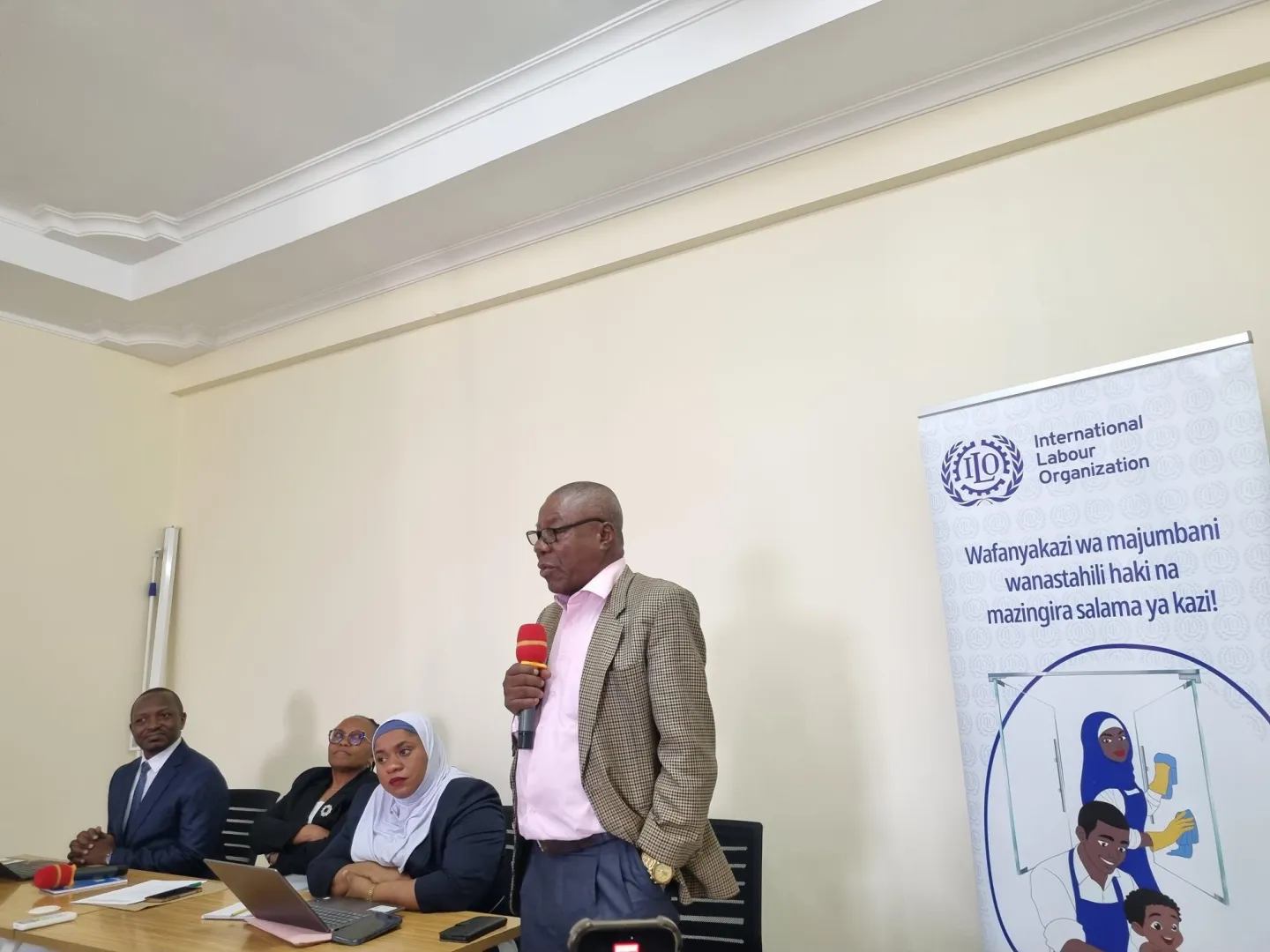
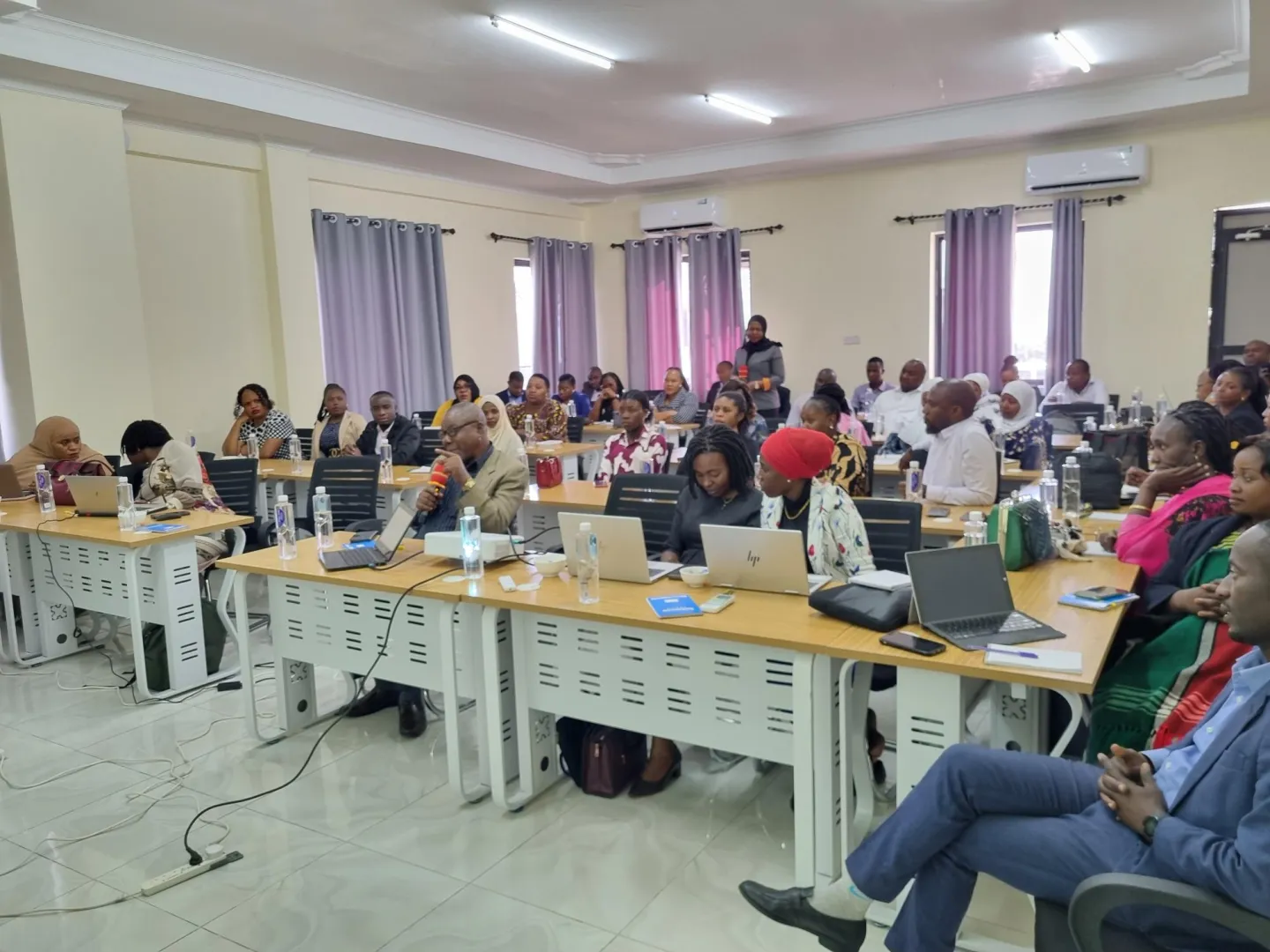
The training brought together 67 CMA staff, including 45 mediators and arbitrators, 20 records management officers, and 2 IT specialist, all frontline personnel handling labour disputes. The training covered grievance handling, mediation techniques, digital case management, and the specific legal and social issues facing domestic workers.
Ms. Chiku Semfuko, ILO National Project Officer, emphasized the strategic importance of the training, “Recognizing domestic workers as rights holders is central to the Decent Work Agenda. This collaboration with CMA represents a serious investment in justice, dignity, and the institutional readiness required to make Convention No. 189 a lived reality for thousands of domestic workers across the country.”
The training was informed by a recent ILO supported study tour to South Africa, where delegates from CMA, CHODAWU, and the Prime Minister’s Office, Labour, Youth, Employment and Persons with Disability (PMO-LYED) learned from the South African Commission for Conciliation, Mediation and Arbitration (CCMA). The CCMA’s approach to handling domestic worker disputes was cited as a model of accessible, rights-based dispute resolution.
Mr. Mpulla, Director of the CMA, stated, “We are building a system that listens, understands, and responds fairly to the unique challenges domestic workers face. Strengthening the capacity of our officers is key to making dispute resolution more inclusive, efficient, and aligned with international labour standards like Convention No. 189.”
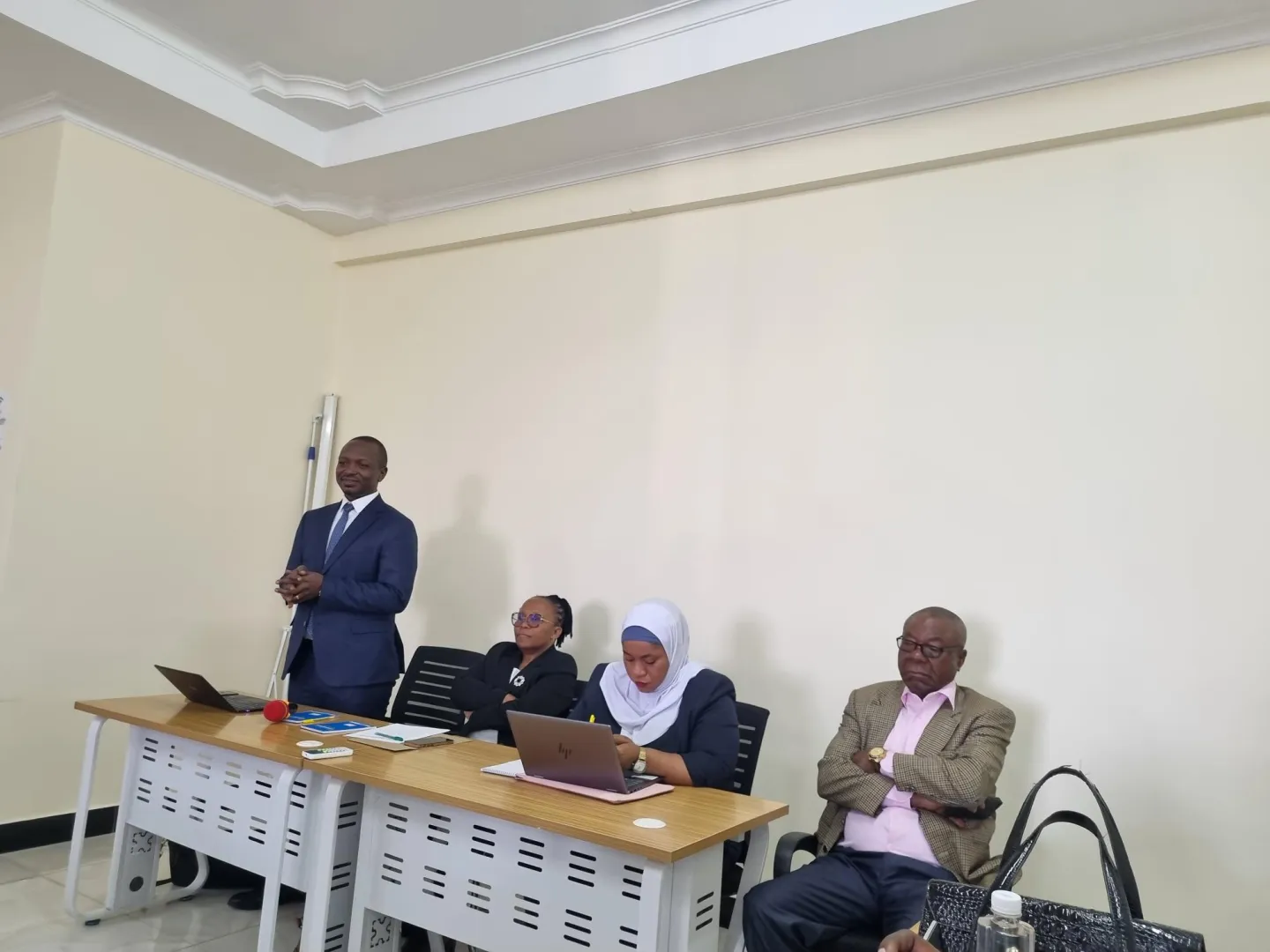
“Domestic workers are a vital part of our care economy, and their rights must be respected like those of any other worker. This training is a powerful step forward in ensuring that justice is not only available but also accessible to them” Ms. Rehema Moyo, Assistant Labour Commissioner.
She advised all participants to apply the knowledge gained to ensure that disputes involving domestic workers are given the attention they rightfully deserve. These cases must be addressed with a clear understanding of the unique challenges domestic workers face and resolved with the urgency and sensitivity they require.
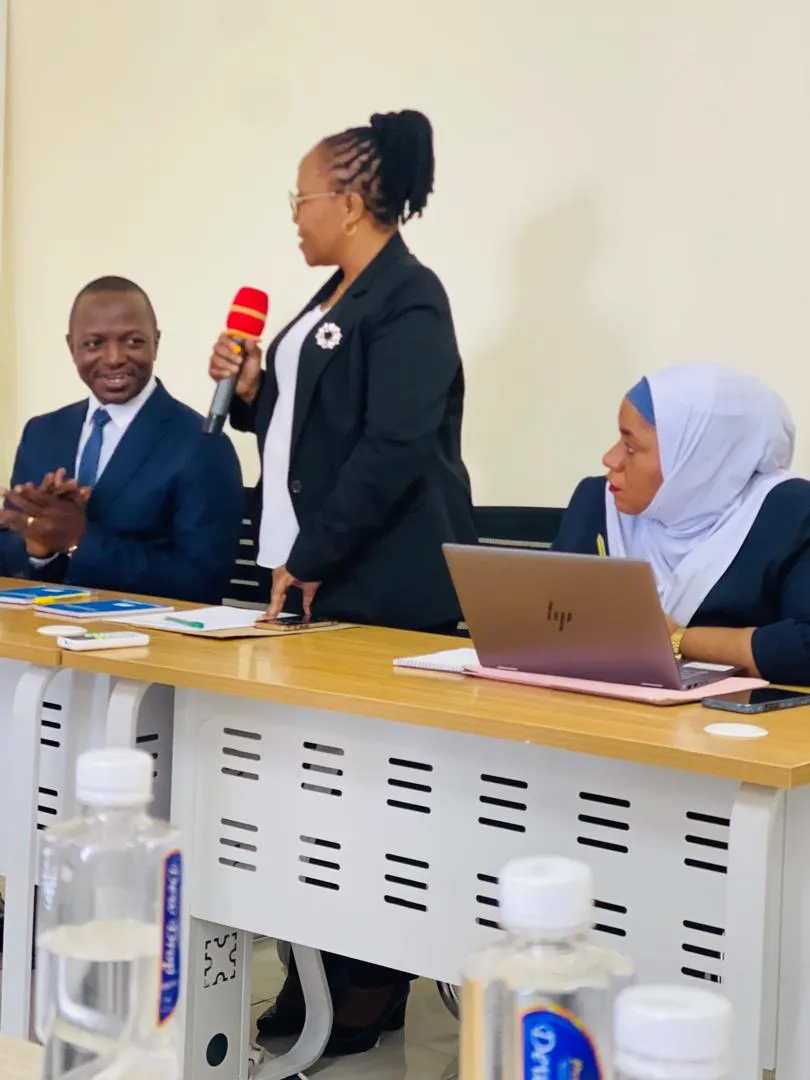
Zanin Athumani, Chairperson of Domestic Workers, shared her reflections on the training,
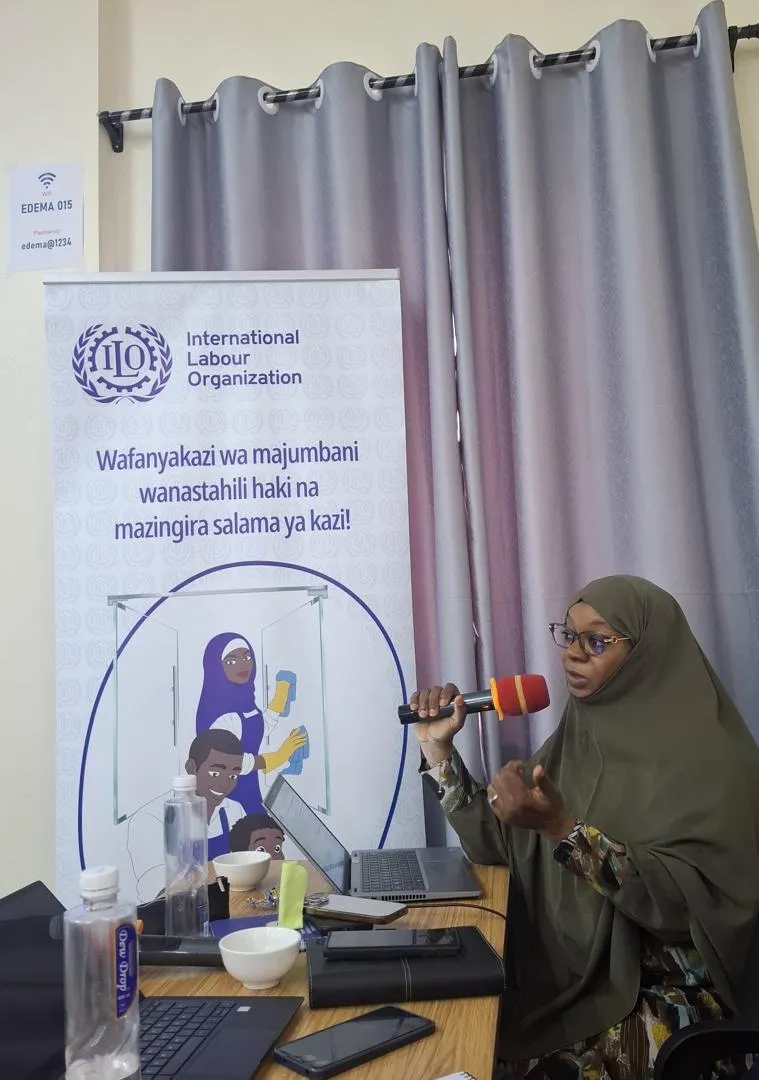
The relationship between domestic workers and the CMA is like that between a patient and a doctor. This training is timely and very important for CMA mediators and arbitrators. It helps them truly understand what we, as domestic workers, go through and equips them to support us when we seek justice. For many of us, this is the first step toward being seen, heard, and treated fairly.
She further highlighted how their participation in trade unions has helped domestic workers gain valuable knowledge about the institutions responsible for resolving labour disputes, including those affecting domestic workers.
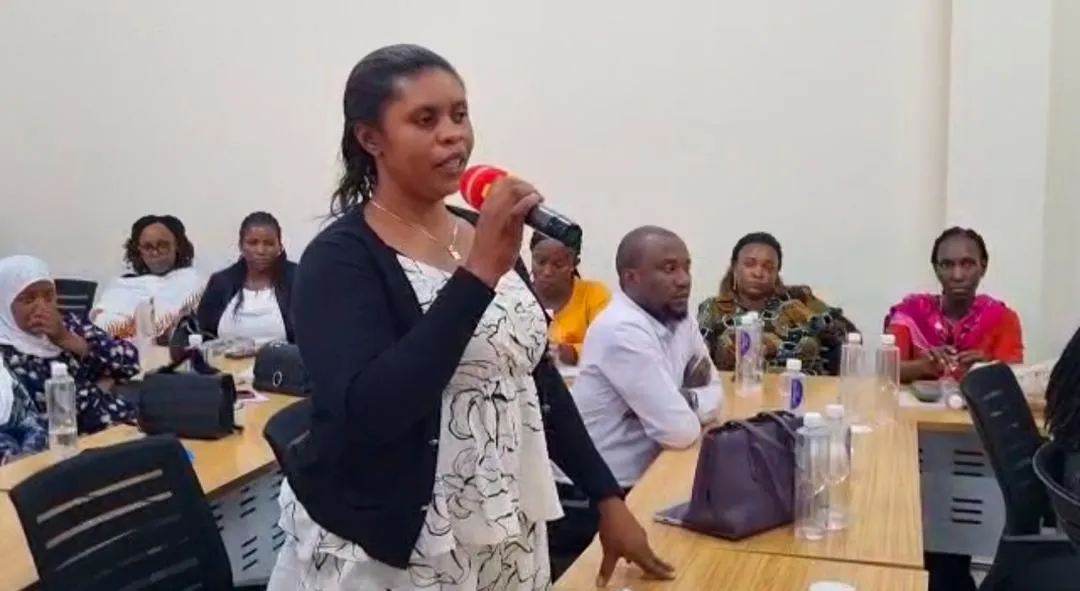
This initiative contributes to Tanzania’s Five-Year Development Plan (FYDP III) and the upcoming Third Generation Decent Work Country Programme (2023/24–2027/28). It also advances the Sustainable Development Goals, particularly Goal 8 (Decent Work and Economic Growth) and Goal 16 (Peace, Justice and Strong Institutions).
Domestic workers often operate in informal and isolated environments, making it harder to access formal legal systems. By enhancing CMA’s ability to offer less formal, worker-friendly dispute resolution mechanisms, this training lays the groundwork for a justice system that serves all workers, especially those most at risk of being excluded.
The collaboration between the ILO and CMA reflects a shared commitment to advancing social justice, strengthening tripartite institutions, and building a culture where no worker is invisible. The training in Morogoro was more than a technical exercise. It was a human rights milestone, reaffirming that domestic workers deserve fair treatment, legal protection, and access to a system that listens and responds to their voices.