

Testing Methodology and Digital Systems for the Labour Force and Migration Survey in South Sudan
South Sudan took a decisive step toward its first nationally representative Labour Force and Migration Survey, putting survey tools, field procedures and a tablet-based data collection system through their paces in Juba, with results pointing to a solid foundation for full-scale implementation.
2 December 2025
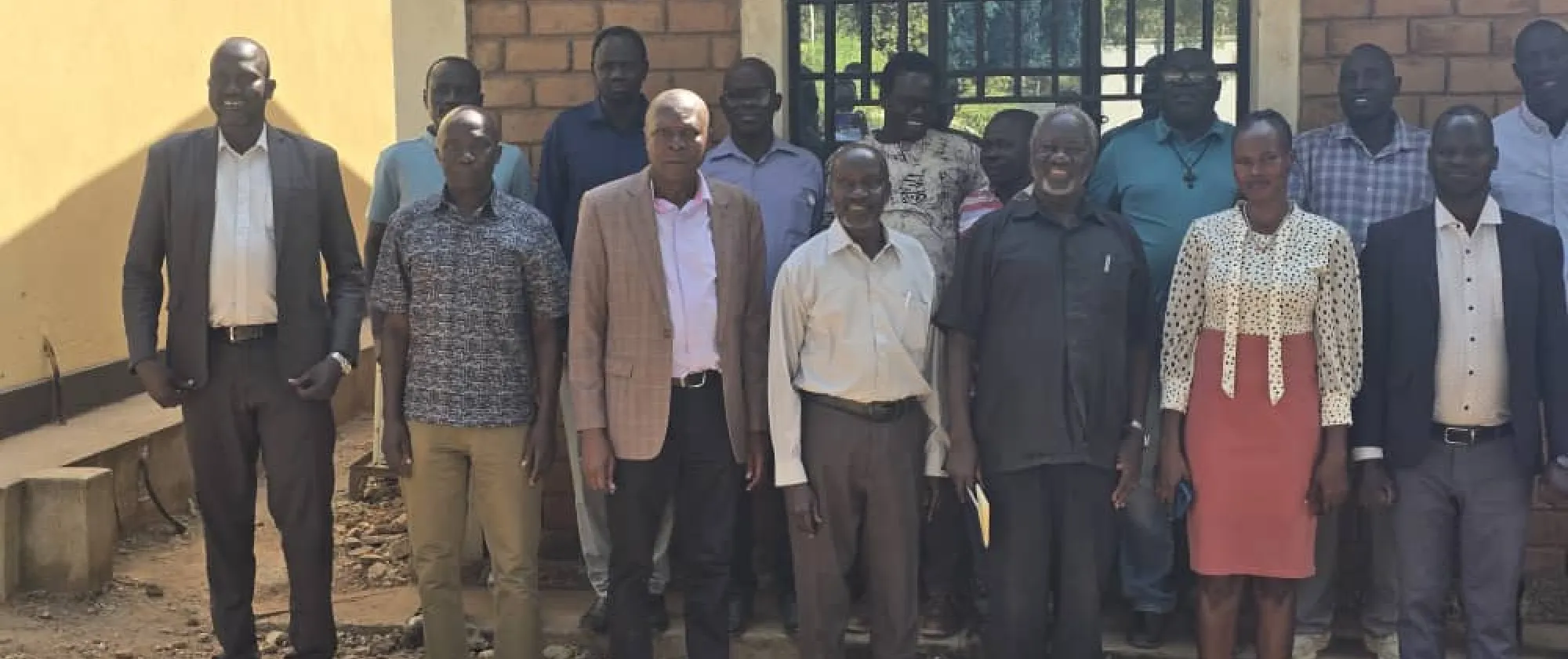
From 1 December 2025 to 16 January 2026, the South Sudan National Bureau of Statistics (NBS), with support from the International Labour Organization (ILO) under the UK FCDO funded Better Regional Migration Management (BRMM) Programme, conducted a comprehensive pre-test exercise in Juba. This exercise was a key step towards implementing the country’s first nationally representative Labour Force and Migration Survey (LFMS) 2025 26. Held at the NBS Training Hall and in selected field locations, the pre-test aimed to validate survey tools, field procedures, and data collection systems ahead of full-scale implementation. It builds on earlier capacity building efforts conducted in September 2025, which strengthened national expertise in labour and migration statistics in line with international standards.
Reliable labour market statistics are essential for evidence-based policymaking and monitoring labour market performance. In South Sudan, the lack of nationally representative labour market data has constrained such efforts. The forthcoming Labour Force and Migration Survey 2025/26 is therefore designed to generate up -to-date and reliable data at national, rural–urban, and state levels. Survey instruments, based on the ILO Model Labour Force Survey questionnaire, were adapted to the South Sudan context. Given the complexity of certain modules, particularly those on labour migration and child labour, a methodology pre-test was undertaken to assess the suitability of the tools and operational processes prior to full implementation. The pre-test engaged 10 experienced field interviewers and two field supervisors, alongside technical staff from the National Bureau of Statistics. Training covered survey objectives, interview techniques and detailed reviews of questionnaire modules. Participants also received hands-on training in the use of a tablet-based the use of a tablet-based Computer-Assisted Personal Interviewing (CAPI) application.
Field data collection was conducted from 17 and 19 December 2025 in selected enumeration areas within Juba County, covering both urban and rural settings. Each enumeration began with a household listing exercise, followed by two days of household interviews. Data were transmitted electronically in real time and subsequently cleaned and analysed between 29 December 2025 and 16 January 2026.
The pre-test successfully met its objectives by identifying key areas for refinements and confirming the feasibility of the survey approach, with nine out of ten selected enumeration areas successfully covered.. Respondents generally reacted positively to the survey, particularly after its objectives and confidentiality measures were clearly explained. The exercise also highlighted opportunities to simplify and localize questionnaire terminology to improve clarity, as well as the need for minor technical and operational adjustments to the CAPI system, training duration, and field planning. Incorporating these improvements will strengthen data quality, enhance field procedures, and ensure that the Labour Force and Migration Survey 2025/26, provides reliable and comprehensive data to support evidence-based labour market policies and monitoring in South Sudan.
Relevant projects

East and Horn of Africa
Better Regional Migration Management